
Scientists have developed a vaccine for a new drug target expressed exclusively by certain “senescent” cells, paving the way for anti-aging therapies

Extending lifespan has always been the holy grail of medical research. Although life expectancy has improved considerably, aging and age-related diseases continue to affect billions of individuals worldwide. Aging is primarily caused by the accumulation of poorly functional “senescent” cells (old cells that no longer proliferate) in various tissues and organs. As such, the elimination of senescent cells can prevent aging and age-related disorders, including atherosclerosis, dementia, and glaucoma. However, treatments that target these cells could potentially damage other parts of the body. Thus far, a technique which will allow the exclusive elimination of senescent cells has remained elusive.
Now, researchers from Japan have found that the answer may have been hidden in plain sight all along. In their new study published in Nature Aging, they developed a vaccine against senescent cells using a protein that is only expressed by these cells. Then, they used this vaccine to eliminate senescent cells in mice and observed significant improvements in both the normal and disease-causing effects of aging. According to corresponding author Professor Tohru Minamino of the Juntendo University Graduate School of Medicine, who has studied cellular senescence for over two decades, “With age and metabolic stress, cells become senescent and lose function. We wanted to find an effective and efficient way to get rid of these cells and improve overall tissue function.”
The goal firmly in sight, Prof. Minamino and the rest of the team—including Dr. Masayoshi Suda, also from Juntendo University Graduate School of Medicine—set out to first identify the proteins expressed only by of senescent cells. Using a technique called transcriptome analysis, they examined gene expression in senescent human cells and found that glycoprotein nonmetastatic melanoma protein B (GPNMB) was expressed at high levels in senescent cells. This protein also had high expression levels in cells obtained patients with atherosclerosis, a senescence-related disease involving plaque build-up and blockage in arteries. These findings confirmed that GPNMB was a senescence-specific protein, i.e., a “seno-antigen.”
With the first flag in the ground, the research team went on to understand the effects of eliminating GPNMB-expressing cells using a set of genetic tools. They created mouse models with a genetic modification that allowed them to selectively target and eliminate GPNMB-expressing cells. They found that the elimination of GPNMB-expressing cells in these mice considerably reduced molecular markers of aging and metabolic abnormalities. Moreover, these mice also showed improved atherosclerotic symptoms.
Encouraged by these findings, the research team developed a vaccine specific for GPNMB. “We found anti-aging or ‘senolytic’ effects after eliminating GPNMB-expressing cells. But genetic elimination is not feasible in humans. Hence, a vaccine that could target GPNMB and destroy only GPNMB-expressing cells was developed,” explains Prof. Minamino. Next, they tested the effectiveness of this vaccine in three mouse models: normal young mice with a high-fat diet, normal older mice (50 weeks old), and a mouse model of progeria—a disease that causes accelerated aging. They found a reduction in metabolic dysfunction in normal mice immunized with the senolytic vaccine. Moreover, they found that the older mice who received the vaccine showed fewer age-related motor and functional impairments. Most importantly, progeroid mice who received the anti-GPNMB vaccine showed longer survival durations, and male progeroid mice in particular showed an extended lifespan.
Together, the findings from their experiments confirmed the effectiveness of the anti-GPNMB senolytic vaccine in preventing the physical, metabolic, and disease-causing effects of senescence. Their results highlight the exciting potential of seno-antigen-based vaccines in new senolytic therapies.
According to Prof. Minamino, this is but a small step in a long journey ahead, “Our study has demonstrated the possibility of a new anti-senescence strategy. We speculate that there are many more seno-antigens that are produced by other kinds of senescent cells. With more research we will be able to provide individualized anti-senescence therapy for patients depending on the prevalence of different types of senescent cells in their body.”
Thanks to these groundbreaking findings, age-related illnesses like dementia could some day be a thing of the past!
References
| Authors | Masayoshi Suda1, Ippei Shimizu1, Goro Katsuumi1, Yohko Yoshida1, Yuka Hayashi2, Ryutaro Ikegami2, Naomi Matsumoto3, Yutaka Yoshida4, Ryuta Mikawa5, Akihiro Katayama6, Jun Wada6, Masahide Seki7, Yutaka Suzuki7, Atsushi Iwama8, Hironori Nakagami9, Ayako Nagasawa10, Ryuichi Morishita11, Masataka Sugimoto5, Shujiro Okuda12, Masanori Tsuchida10, Kazuyuki Ozaki2, Mayumi Nakanishi-Matsui3, and Tohru Minamino1, 2, 13 |
| Title of original paper | Senolytic vaccination improves normal and pathological age-related phenotypes and increases lifespan in progeroid mice |
| Journal | Nature Aging |
| DOI | 10.1038/s43587-021-00151-2 |
| Affiliations | 1Department of Cardiovascular Biology and Medicine, Juntendo University Graduate School of Medicine, Tokyo 113-8421, Japan 2Department of Cardiovascular Biology and Medicine, Niigata University Graduate School of Medical and Dental Sciences, Niigata 951-8510, Japan 3Division of Biochemistry, School of Pharmacy, Iwate Medical University, Iwate 028-3694, Japan 4Department of Structural Pathology, Kidney Research Center, Niigata University Graduate School of Medical and Dental Sciences, Niigata 951-8510, Japan 5Research Institute, National Center for Geriatrics and Gerontology, Aichi 474-8511, Japan. 6Department of Nephrology, Rheumatology, Endocrinology and Metabolism, Okayama University Graduate School of Medicine, Dentistry and Pharmaceutical Sciences, Okayama 700-8558, Japan. 7Department of Computational Biology and Medical Sciences, Graduate School of Frontier Sciences, The University of Tokyo, Chiba 277-8561, Japan. 8Division of Stem Cell and Molecular Medicine, Center for Stem Cell Biology and Regenerative Medicine, The Institute of Medical Science, The University of Tokyo, Tokyo 108-8639, Japan. 9Department of Health Development and Medicine, Graduate School of Medicine, Osaka University, Osaka 565-0871, Japan. 10Department of Thoracic and Cardiovascular Surgery, Niigata University Graduate School of Medical and Dental Sciences, Niigata 951-8510, Japan. 11Department of Clinical Gene Therapy, Osaka University Graduate School of Medicine, Osaka 565-0871, Japan. 12Division of Bioinformatics, Niigata University Graduate School of Medical and Dental Sciences, Niigata 951-8510, Japan 13Japan Agency for Medical Research and Development-Core Research for Evolutionary Medical Science and Technology (AMED-CREST), Japan Agency for Medical Research and Development, Tokyo, Japan. |
| Latest Article Publication Date | N/A |
| Method of Research | Experimental study |
| Subject of Research | Animals |
| Conflict of Interest Statement | The authors declare no competing interests. |
More Articles You May Like
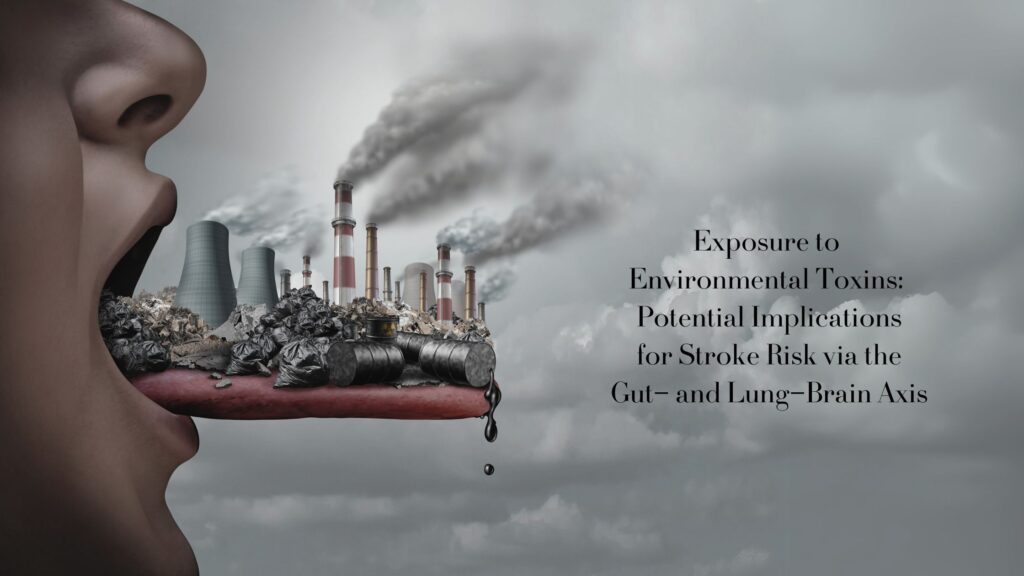
Environmental Toxins and Stroke Risk
Recent evidence indicates that exposure to environmental toxins, both short-term and long-term, can increase the risk of developing neurological disorders, including neurodegenerative diseases (i.e., Alzheimer’s disease and other dementias) and acute brain injury (i.e., stroke). For stroke, the latest systematic analysis revealed that exposure to ambient particulate matter is the second most frequent stroke risk after high blood pressure. However, preclinical and clinical stroke investigations on the deleterious consequences of environmental pollutants are scarce. This review examines...
Environmental Toxic Metals and CVD Risk
Objective: To conduct a systematic review and meta-analysis of epidemiological studies investigating the association of arsenic, lead, cadmium, mercury, and copper with cardiovascular disease. Design: Systematic review and meta-analysis. Data sources PubMed, Embase, and Web of Science searched up to December 2017. Review methods: Studies reporting risk estimates for total cardiovascular disease, coronary heart disease, and stroke for levels of arsenic, lead, cadmium, mercury, or copper were included. Two investigators independently extracted information on study characteristics and...
Abstracts: Genotoxic Effects of MSG
Recent Abstracts: Genotoxic Effects of MSG Aghaei et al. (2021) explores the damaging effects of Monosodium Glutamate on DNA and the body’s endogenous pathways for DNA repair. The review emphasizes that with the increasing use of food additives like MSG, the risk of DNA damage is becoming more prominent. It discusses the genotoxicity of MSG, methods to detect and repair DNA damage, and natural compounds that may help prevent such damage. This comprehensive overview provides a foundational understanding of how MSG can affect genetic material.Hazzaa et al. (2020) further...

Carrageenan: Clarifying the Confusion
Carrageenan (CGN) is a common food additive that has been widely used for decades as a gelling, thickening and stabilizing agent. Carrageenan has been proven safe for human consumption; however, there has been significant confusion in the literature between CGN and the products of intentional acid-hydrolysis of CGN, which are degraded CGN (d-CGN) and poligeenan (PGN). In part, this confusion was due to the nomenclature used in early studies on CGN, where poligeenan was referred to as “degraded carrageenan” (d-CGN) and “degraded carrageenan” was simply referred to as carrageenan. Although...

Seafood, Heavy Metals, and Lipid Profile
The association between the consumption of seafood and its benefits on cardiovascular (CVD) risk can be challenged by its heavy metal (HM) content. This study aimed to explore the association of seafood consumption and its estimated HM contents with the lipid profile and lipid oxidation biomarkers in adults from a Spanish Mediterranean area who do not present risk factors for CVD. In this cross-sectional study, the clinical history, three-day dietary record, lipid profile (LDLc, HDLc, APOB/A, and triglyceride levels), plasma oxidised LDL (oxLDL) and 8-isoprostane levels of 81 adults...

Heavy Metal Poisoning and CVD
Cardiovascular disease (CVD) is an increasing world health problem. Traditional risk factors fail to account for all deaths from CVD. It is mainly the environmental, dietary and lifestyle behavioral factors that are the control keys in the progress of this disease. The potential association between chronic heavy metal exposure, like arsenic, lead, cadmium, mercury, and CVD has been less well defined. The mechanism through which heavy metals act to increase cardiovascular risk factors may act still remains unknown, although impaired antioxidants metabolism and oxidative stress may play a...

Delete This Heavy Metals Exposure in Children
Heavy metals pose a significant health risk to children, whose developing bodies are particularly vulnerable to the toxic effects of these substances. Exposure to heavy metals such as lead, mercury, cadmium, and arsenic can occur through various routes, including ingestion, inhalation, and dermal contact. Recent studies have highlighted the need for increased awareness of these risks, particularly in light of new findings regarding heavy metals in baby food. Exposure Routes of Heavy Metals Children are primarily exposed to heavy metals through contaminated food, water, air, and soil....
Delete Heavy Metals and Cardiovascular Disease
We assessed the role of lead and cadmium as partial mediators between smoking and composite cardiovascular and cerebrovascular disease (CCVD). We also studied the association between urinary heavy metals and CCVD. Pooled data from NHANES 1999-2006 were examined. Cardiovascular and cerebrovascular disease was determined using a standardized questionnaire asking about history of stroke, angina, heart attack, coronary artery disease, and congestive heart failure. Increasing serum cadmium levels were associated with increasing prevalence of CCVD (P-trend: .03). Adjusted odds-ratio (OR) for...
Delete this— Metals: A Neglected Source of CVD Risk
Evidence on the role of environmental metals in cardiovascular disease has rapidly increased over the past two decades. In a linked article, Chowdhury and colleagues (doi:10.1136/bmj.k3435) present a comprehensive systematic review and meta-analysis of the associations between the exposure to arsenic, lead, cadmium, mercury, and copper and the risk of cardiovascular disease.1 The first four metals were selected because of widespread population exposure and inclusion in the World Health Organization’s priority list of chemicals of major public health concern. Copper was selected because of...
Heavy Metals CVD Risk Prediction
Background To evaluate whether blood markers of lead, cadmium, and mercury can improve prediction for cardiovascular disease (CVD) mortality when added individually, jointly, or as an integrative index/Environmental Risk Score (ERS), in a model with established risk factors. Methods and Results Our study sample comprised 16 028 adults aged ≥40 years who were enrolled in the National Health and Nutrition Examination Survey 1999–2012 and followed up through December 31, 2015. The study sample was randomly split into training for the ERS construction (n=8043) and testing for the evaluation...
Medical Disclaimer
The information provided in this document is intended for educational and informational purposes only and should not be construed as medical advice, diagnosis, or treatment. It is essential to consult a qualified healthcare professional for any medical concerns or conditions. The content herein does not substitute for professional medical advice, and individuals should not disregard or delay seeking medical advice based on the information provided.
The authors and publishers of this document do not assume any responsibility for any adverse effects or consequences resulting from the use or application of the information contained herein. The reader is encouraged to conduct their own research and consult with healthcare providers to make informed decisions regarding their health and treatment options. Furthermore, the information presented may not reflect the most current research or medical guidelines, as medical knowledge is continually evolving. Therefore, it is imperative to verify the information with up-to-date, peer-reviewed sources and consult with medical professionals for personalized advice.