
Autism and Heavy Metals: Exploring the Connection
Autism Spectrum Disorder (ASD) is a complex neurodevelopmental condition characterized by challenges in social interaction, communication, and repetitive behaviors. The etiology of autism is multifactorial, involving genetic, environmental, and biological factors. Among the environmental factors, heavy metal exposure has gained attention as a potential contributor to the development and severity of autism. This article reviews the current understanding of the relationship between heavy metals and autism, highlighting the mechanisms of toxicity, epidemiological evidence, and potential implications for prevention and treatment.
Heavy Metals and Their Toxic Effects
Heavy metals, including mercury, lead, arsenic, and cadmium, are known neurotoxicants that can adversely affect brain development and function. Research has shown that exposure to these metals during critical periods of neurodevelopment can lead to lasting cognitive and behavioral deficits. For instance, Rossignol et al. conducted a systematic review that found significant associations between toxic metal body burden and autism severity, particularly after the administration of chelating agents like DMSA, which promote the excretion of heavy metals from the body (Wang et al., 2016). Similarly, Li et al. reported that children with ASD exhibited significantly higher levels of mercury and arsenic compared to neurotypical children, suggesting a link between heavy metal exposure and autism (Khan et al., 2015).

The mechanisms by which heavy metals exert their neurotoxic effects are complex and involve oxidative stress, mitochondrial dysfunction, and disruption of neurotransmitter systems. Chen et al. noted that metals like mercury and lead can accumulate in the nervous system, leading to oxidative stress and subsequent neuronal injury (Mishra et al., 2010). This oxidative stress can impair cellular functions and contribute to the pathophysiology of autism.
Epidemiological Evidence
Numerous studies have explored the relationship between heavy metal exposure and autism. For example, a study by Obrenovich et al. found significant alterations in heavy metal deposition in hair samples from children with autism, indicating a higher burden of metals such as mercury, arsenic, and copper compared to controls (Taghavi et al., 2022). Furthermore, a study by Kalkbrenner et al. reviewed epidemiological evidence linking environmental chemical exposures, including heavy metals, to the increased incidence of autism (Kushwaha et al., 2016). These findings underscore the importance of considering environmental factors, particularly heavy metals, in the context of autism research.
In addition to direct exposure, the role of maternal exposure to heavy metals during pregnancy has also been investigated. Gorini et al. highlighted that exposure to heavy metals during perinatal periods is associated with an increased risk of neurodevelopmental disorders, including autism (Liu et al., 2023). This suggests that interventions aimed at reducing heavy metal exposure in pregnant women could be a potential strategy for preventing autism.
Mechanisms of Heavy Metal Toxicity in Autism

The mechanisms through which heavy metals may influence the development of autism are still being elucidated. One proposed mechanism involves impaired detoxification pathways in individuals with autism. El-Ansary discussed how abnormalities in glutathione metabolism and other detoxification processes may lead to increased susceptibility to heavy metal toxicity in autistic individuals (El-Ansary, 2013). This impaired detoxification capacity could result in the accumulation of toxic metals, exacerbating oxidative stress and contributing to the neurological deficits observed in autism.
Moreover, the interaction between heavy metals and metabolic genes has been explored in the context of autism. Rahbar et al. investigated the role of glutathione S-transferase genes in modulating blood arsenic concentrations in children with and without autism, suggesting that genetic predispositions may influence individual responses to heavy metal exposure (Rahbar et al., 2014). This highlights the potential for personalized approaches to treatment and prevention based on genetic and environmental interactions.
Implications for Prevention and Treatment
Given the potential link between heavy metal exposure and autism, there is a growing interest in strategies to mitigate this risk. Public health initiatives aimed at reducing environmental exposure to heavy metals, particularly in vulnerable populations such as pregnant women and young children, are crucial. Additionally, dietary interventions that focus on reducing the intake of heavy metal-contaminated foods may also play a role in prevention.
Chelation therapy, which involves the use of agents to bind and excrete heavy metals from the body, has been proposed as a treatment option for children with autism and elevated heavy metal levels. However, the efficacy and safety of such treatments remain subjects of debate within the scientific community. While some studies have reported improvements in symptoms following chelation, others caution against potential risks and emphasize the need for further research (Wang et al., 2016; Adams et al., 2012).
Conclusion
The relationship between heavy metals and autism is a complex and evolving area of research. While evidence suggests that exposure to heavy metals may contribute to the development and severity of autism, further studies are needed to clarify the mechanisms involved and to establish effective prevention and treatment strategies. By understanding the role of environmental factors, particularly heavy metals, in autism, we can better inform public health policies and interventions aimed at reducing the incidence of this challenging disorder.
References
1. Croft, J. (2015). “A Key Role for an Impaired Detoxification Mechanism in the Etiology and Severity of Autism Spectrum Disorders.” doi:10.1201/b18030-14.
2. Rossignol, D. A., et al. (2014). “Environmental toxicants and autism spectrum disorders: a systematic review.” Translational Psychiatry. doi:10.1038/tp.2014.4.
3. Priya, S., & Geetha, K. (2010). “Level of Trace Elements (Copper, Zinc, Magnesium and Selenium) and Toxic Elements (Lead and Mercury) in the Hair and Nail of Children with Autism.” Biological Trace Element Research. doi:10.1007/s12011-010-8766-2.
4. Chen, J., et al. (2016). “Metals and Neurodegeneration.” F1000research. doi:10.12688/f1000research.7431.1.
5. Obrenovich, M. E., et al. (2011). “Altered Heavy Metals and Transketolase Found in Autistic Spectrum Disorder.” Biological Trace Element Research. doi:10.1007/s12011-011-9146-2.
6. Alanazi, I. K., et al. (2023). “Cadmium Exposure Is Associated with Behavioral Deficits and Neuroimmune Dysfunction in BTBR T+ Itpr3tf/J Mice.” International Journal of Molecular Sciences. doi:10.3390/ijms24076575.
7. Li, D., et al. (2017). “Blood Mercury, Arsenic, Cadmium, and Lead in Children with Autism Spectrum Disorder.” Biological Trace Element Research. doi:10.1007/s12011-017-1002-6.
8. Adams, J. B., et al. (2012). “Toxicological Status of Children with Autism vs. Neurotypical Children and the Association with Autism Severity.” Biological Trace Element Research. doi:10.1007/s12011-012-9551-1.
9. Dufault, R., et al. (2023). “Higher rates of autism and attention deficit/hyperactivity disorder in American children: Are food quality issues impacting epigenetic inheritance?” World Journal of Clinical Pediatrics. doi:10.5409/wjcp.v12.i2.25.
10. Dufault, R., et al. (2021). “Connecting inorganic mercury and lead measurements in blood to dietary sources of exposure that may impact child development.” World Journal of Methodology. doi:10.5662/wjm.v11.i4.144.
11. Gorini, F., et al. (2014). “The Role of Heavy Metal Pollution in Neurobehavioral Disorders: a Focus on Autism.” Review Journal of Autism and Developmental Disorders. doi:10.1007/s40489-014-0028-3.
12. El-Ansary, A. (2013). “Detoxification mechanisms in autism spectrum disorders.” OA Autism. doi:10.13172/2052-7810-1-2-752.
13. Rahbar, M. H., et al. (2014). “Role of Metabolic Genes in Blood Arsenic Concentrations of Jamaican Children with and without Autism Spectrum Disorder.” International Journal of Environmental Research and Public Health. doi:10.3390/ijerph110807874.
14. Kalkbrenner, A. E., et al. (2014). “Environmental Chemical Exposures and Autism Spectrum Disorders: A Review of the Epidemiological Evidence.” Current Problems in Pediatric and Adolescent Health Care. doi:10.1016/j.cppeds.2014.06.001.
More Articles You May Like
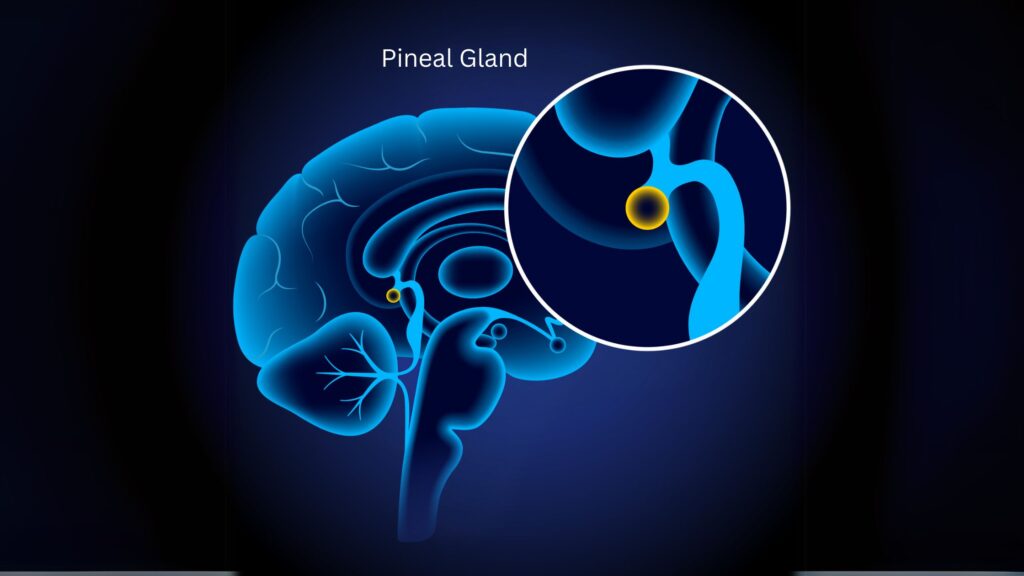
Pineal Gland Insights
The pineal gland, a small, pea-shaped endocrine organ located in the epithalamus of the brain, is often referred to as the “third eye” due to its role in regulating circadian rhythms and sleep patterns through the secretion of melatonin. This gland has garnered significant attention due to its involvement in various physiological processes and its susceptibility to environmental factors, including fluoride exposure and calcification. The pineal gland is primarily responsible for synthesizing melatonin, a hormone that plays a critical role in signaling the body to prepare for...

Melatonin
Melatonin, a hormone primarily synthesized in the pineal gland, is integral to the regulation of various physiological processes, particularly the sleep-wake cycle. The synthesis of melatonin initiates with the amino acid tryptophan, which undergoes conversion into serotonin. This transformation is facilitated by the enzyme tryptophan hydroxylase, which catalyzes the first step in serotonin biosynthesis. Subsequently, during the nocturnal phase, serotonin is converted into melatonin through a series of enzymatic reactions involving serotonin N-acetyltransferase and...
Metals: A Neglected Source of CVD Risk
Evidence on the role of environmental metals in cardiovascular disease has rapidly increased over the past two decades. In a linked article, Chowdhury and colleagues (doi:10.1136/bmj.k3435) present a comprehensive systematic review and meta-analysis of the associations between the exposure to arsenic, lead, cadmium, mercury, and copper and the risk of cardiovascular disease.1 The first four metals were selected because of widespread population exposure and inclusion in the World Health Organization’s priority list of chemicals of major public health concern. Copper was selected because of...
Heavy Metals and Cardiovascular Disease
We assessed the role of lead and cadmium as partial mediators between smoking and composite cardiovascular and cerebrovascular disease (CCVD). We also studied the association between urinary heavy metals and CCVD. Pooled data from NHANES 1999-2006 were examined. Cardiovascular and cerebrovascular disease was determined using a standardized questionnaire asking about history of stroke, angina, heart attack, coronary artery disease, and congestive heart failure. Increasing serum cadmium levels were associated with increasing prevalence of CCVD (P-trend: .03). Adjusted odds-ratio (OR) for...

Heavy Metals Exposure in Children
Heavy metals pose a significant health risk to children, whose developing bodies are particularly vulnerable to the toxic effects of these substances. Exposure to heavy metals such as lead, mercury, cadmium, and arsenic can occur through various routes, including ingestion, inhalation, and dermal contact. Recent studies have highlighted the need for increased awareness of these risks, particularly in light of new findings regarding heavy metals in baby food. Exposure Routes of Heavy Metals Children are primarily exposed to heavy metals through contaminated food, water, air, and soil....
Alpha-2 Macroglobulin
Alpha-2 Macroglobulin (A2M) is a large protein found in the blood that plays a significant role in the body’s immune response and tissue repair processes. It is classified as a protease inhibitor, meaning it can bind to and inhibit the activity of various enzymes that break down proteins, known as proteases. This function is crucial because excessive protease activity can lead to tissue damage and inflammation, which are common in various medical conditions, including orthopedic injuries and diseases (Huang et al., 2022; Vandooren & Itoh, 2021). A2M is produced primarily in the...

Stem Cells in Orthopedics
Stem cell therapy has emerged as a transformative approach in orthopedic medicine, particularly for conditions involving cartilage damage, bone defects, and other musculoskeletal disorders. This article reviews the current applications of stem cell therapy in orthopedics, focusing on mesenchymal stem cells (MSCs), their sources, therapeutic potential, challenges, and future directions. Introduction Orthopedic conditions, including osteoarthritis, cartilage injuries, and nonunion fractures, pose significant challenges in clinical practice. Traditional treatment modalities often provide...

Stem Cell Changes and Clinical Hypnotherapy
The field of stem cell research has garnered significant attention due to its implications for regenerative medicine and the treatment of age-related diseases. As stem cells age, they undergo a series of intrinsic and extrinsic changes that affect their functionality and regenerative potential. Concurrently, clinical hypnotherapy has emerged as a therapeutic modality that may influence biological processes, including those associated with stem cell behavior. This article explores the intersection of stem cell aging and clinical hypnotherapy, highlighting the potential mechanisms through...

Stem Cell and Mindfulness
The intersection of stem cell research and mindfulness practices has garnered increasing attention in recent years, particularly in the context of neuroplasticity and mental health. Neuroplasticity refers to the brain’s ability to reorganize itself by forming new neural connections throughout life, a process that is significantly influenced by both environmental factors and intrinsic biological mechanisms. Stem cells, particularly neural stem cells (NSCs), play a crucial role in this process by contributing to neurogenesis, the formation of new neurons, and the repair of damaged...

Environmental Toxins and Stroke Risk
Recent evidence indicates that exposure to environmental toxins, both short-term and long-term, can increase the risk of developing neurological disorders, including neurodegenerative diseases (i.e., Alzheimer’s disease and other dementias) and acute brain injury (i.e., stroke). For stroke, the latest systematic analysis revealed that exposure to ambient particulate matter is the second most frequent stroke risk after high blood pressure. However, preclinical and clinical stroke investigations on the deleterious consequences of environmental pollutants are scarce. This review examines...

Exosomes: A Byproduct of HUC-MSCs
Introduction Exosomes are small extracellular vesicles (30-150 nm in diameter) released by various cell types, including mesenchymal stem cells (MSCs). They play a crucial role in intercellular communication by transferring proteins, lipids, and nucleic acids between cells. Human umbilical cord mesenchymal stem cells (HUC-MSCs) are a rich source of exosomes, which have gained attention for their therapeutic potential in various medical conditions. This article explores whether exosomes can be considered a byproduct of HUC-MSCs and discusses their significance in therapeutic applications....

HUC-MSCs Promising Therapeutic Options
Abstract: Human umbilical cord mesenchymal stem cells (HUC-MSCs) have emerged as a promising therapeutic option for various medical conditions, including autoimmune diseases, autism spectrum disorders (ASD), longevity-related health issues, and orthopedic applications. This article reviews the current understanding of HUC-MSCs, their mechanisms of action, and their potential applications in these areas. The unique properties of HUC-MSCs, such as their immunomodulatory effects, ability to differentiate into various cell types, and paracrine signaling capabilities, position them as a...
Medical Disclaimer
The information provided in this document is intended for educational and informational purposes only and should not be construed as medical advice, diagnosis, or treatment. It is essential to consult a qualified healthcare professional for any medical concerns or conditions. The content herein does not substitute for professional medical advice, and individuals should not disregard or delay seeking medical advice based on the information provided.
The authors and publishers of this document do not assume any responsibility for any adverse effects or consequences resulting from the use or application of the information contained herein. The reader is encouraged to conduct their own research and consult with healthcare providers to make informed decisions regarding their health and treatment options. Furthermore, the information presented may not reflect the most current research or medical guidelines, as medical knowledge is continually evolving. Therefore, it is imperative to verify the information with up-to-date, peer-reviewed sources and consult with medical professionals for personalized advice.