Sugar in Food Products
Sugar is ubiquitous in the modern diet, found in various forms across a wide range of food products. Understanding the different sources of sugar is essential for making informed dietary choices. This article categorizes the sources of sugar in food products into natural sugars, added sugars, and specific food categories that contribute to sugar intake.
Natural Sugars
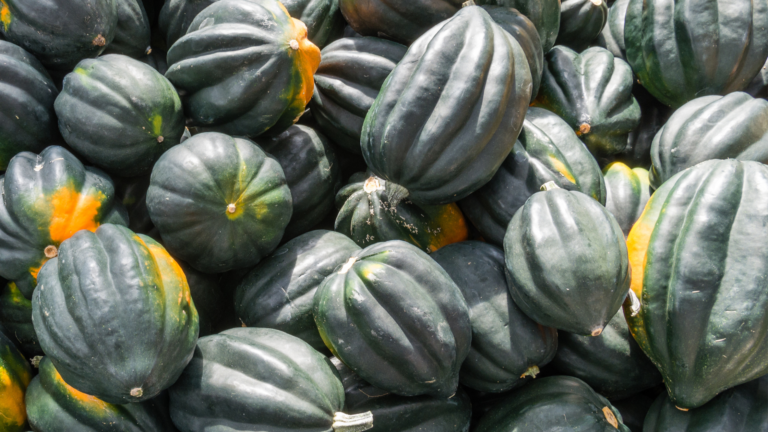
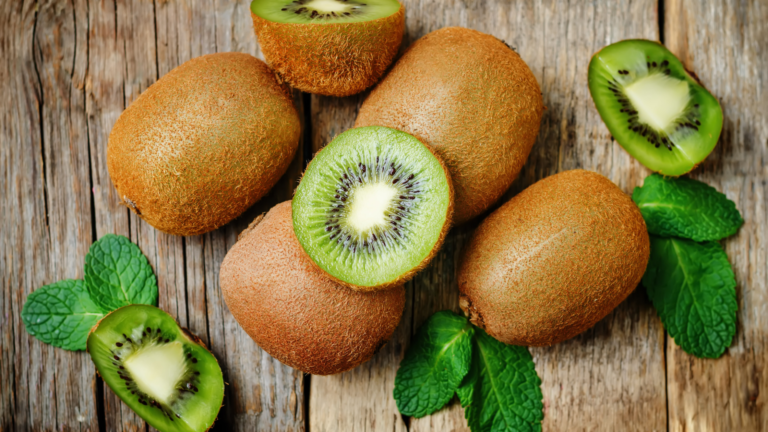
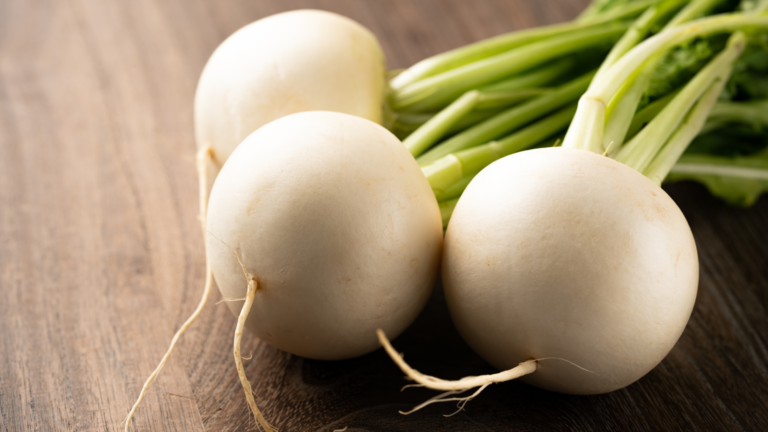
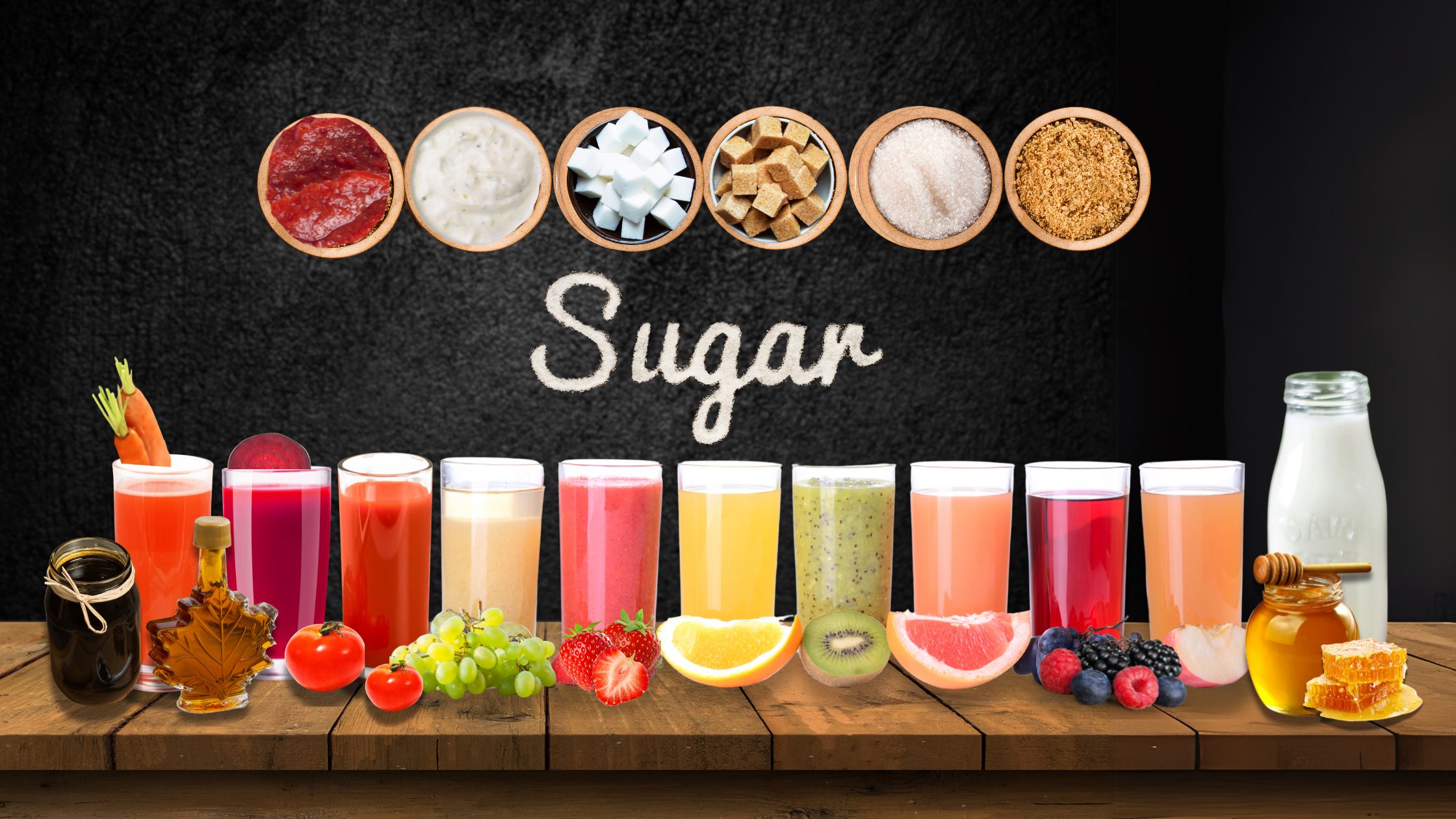
Natural sugars are those that occur naturally in whole foods. They are typically found in:
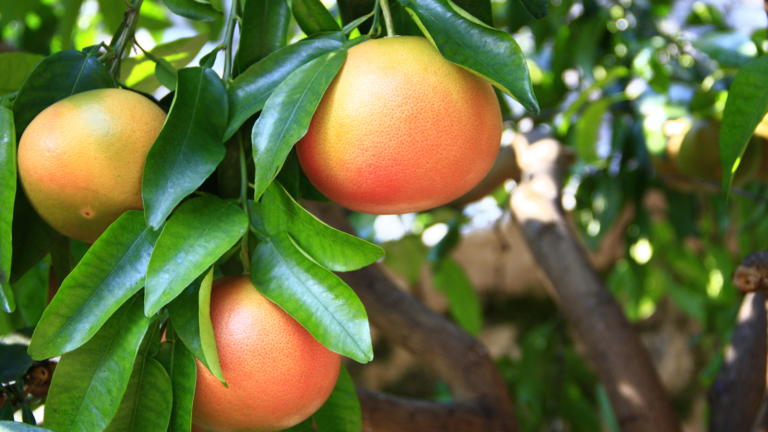
[/et_pb_text][/et_pb_column][/et_pb_row][et_pb_row column_structure=”1_2,1_2″ _builder_version=”4.27.4″ _module_preset=”default” min_height=”422.4px” custom_margin=”10px|auto||auto||” custom_padding=”17px||0px|||” global_colors_info=”{}”][et_pb_column type=”1_2″ _builder_version=”4.27.4″ _module_preset=”default” global_colors_info=”{}”][et_pb_text _builder_version=”4.27.4″ _module_preset=”default” text_font=”||||||||” text_text_color=”#000000″ text_font_size=”17px” header_2_text_color=”#000000″ custom_margin=”||||false|false” custom_padding=”||0px|||” global_colors_info=”{}”]Fruits: Fructose is the primary sugar found in fruits, contributing to their sweetness. Fruits such as apples, bananas, and berries are rich in natural sugars Kaartinen et al. (2017)Sá-Marta et al., 2021).
Vegetables: Certain vegetables, particularly root vegetables like carrots and beets, contain natural sugars, primarily in the form of sucrose and fructose (Sá-Marta et al., 2021).
Dairy Products: Lactose is the sugar present in milk and dairy products. It is a natural sugar that contributes to the overall sugar content in these foods (Mis et al., 2017).
Honey: Honey is a natural sweetener composed of fructose and glucose, often used as a sugar substitute in various recipes (Fernandes et al., 2022).
Added Sugars
Added sugars are sugars that are introduced to food products during processing or preparation. Sweetened Beverages, soft drinks, energy drinks, and sweetened teas are significant sources of added sugars, often containing high levels of sucrose or HFCS (McCain et al., 2018; Steele et al., 2016). These sugars enhance flavor, improve texture, and extend shelf life. Common sources of added sugars include:
[/et_pb_text][/et_pb_column][/et_pb_row][et_pb_row column_structure=”1_2,1_2″ _builder_version=”4.27.4″ _module_preset=”default” min_height=”456.4px” custom_margin=”10px|auto||auto||” custom_padding=”2px||0px|||” global_colors_info=”{}”][et_pb_column type=”1_2″ _builder_version=”4.27.4″ _module_preset=”default” global_colors_info=”{}”][et_pb_image src=”https://www.immortalme.com/wp-content/uploads/2025/02/Screenshot-2025-02-15-141441.png” title_text=”Screenshot 2025-02-15 141441″ _builder_version=”4.27.4″ _module_preset=”default” min_height=”382.4px” custom_margin=”5px||12px|||” hover_enabled=”0″ global_colors_info=”{}” border_radii=”on|6px|6px|6px|6px” box_shadow_style=”preset1″ box_shadow_spread=”3px” box_shadow_color=”#84776C” sticky_enabled=”0″][/et_pb_image][et_pb_text _builder_version=”4.27.4″ _module_preset=”default” text_text_color=”#000000″ text_font_size=”17px” global_colors_info=”{}”]Table Sugar (Sucrose): This is the most common form of added sugar, derived from sugar cane or sugar beets, frequently used in cooking. (Scapin et al., 2018).
[/et_pb_text][/et_pb_column][et_pb_column type=”1_2″ _builder_version=”4.27.4″ _module_preset=”default” global_colors_info=”{}”][et_pb_text _builder_version=”4.27.4″ _module_preset=”default” text_font=”||||||||” text_text_color=”#000000″ text_font_size=”17px” header_2_text_color=”#000000″ custom_padding=”4px|||||” global_colors_info=”{}”]High-Fructose Corn Syrup (HFCS): A widely used sweetener in processed foods and beverages, HFCS is derived from corn starch and contains varying amounts of fructose and glucose (Khalid et al., 2018).
Corn Syrup: Similar to HFCS, corn syrup is used in many processed foods and is primarily composed of glucose (Fernandes et al., 2022).
Brown Sugar: This is essentially sucrose with molasses, which gives it a distinct flavor and color. It is often used in baking and sauces (Fernandes et al., 2022)
Molasses: A byproduct of sugar production, molasses is used as a sweetener and flavor enhancer in various recipes (Fernandes et al., 2022).
Fruit Juices and Concentrates: While they contain natural sugars, fruit juices and concentrates are often added to foods as sweeteners, contributing to the overall sugar content (Ruiz et al., 2017).
[/et_pb_text][/et_pb_column][/et_pb_row][et_pb_row _builder_version=”4.27.4″ _module_preset=”default” global_colors_info=”{}”][et_pb_column type=”4_4″ _builder_version=”4.27.4″ _module_preset=”default” global_colors_info=”{}”][et_pb_text _builder_version=”4.27.4″ _module_preset=”default” text_text_color=”#000000″ text_font_size=”17px” header_2_text_color=”#000000″ hover_enabled=”0″ global_colors_info=”{}” sticky_enabled=”0″]Specific Food Categories
Certain food categories like pastries, candy and cereals, are particularly high in sugar content, either from natural or added sources. This includes foods that sugar is often a surprising addative like condiments and sauces.
[/et_pb_text][/et_pb_column][/et_pb_row][et_pb_row column_structure=”1_2,1_2″ _builder_version=”4.27.4″ _module_preset=”default” min_height=”421.4px” custom_margin=”-21px|auto||auto||” custom_padding=”17px||8px|||” global_colors_info=”{}”][et_pb_column type=”1_2″ _builder_version=”4.27.4″ _module_preset=”default” global_colors_info=”{}”][et_pb_text _builder_version=”4.27.4″ _module_preset=”default” text_text_color=”#000000″ text_font_size=”17px” header_2_text_color=”#000000″ custom_margin=”|-3px|-8px|||” custom_padding=”||0px|||” global_colors_info=”{}”]Baked Goods: Cakes, cookies, and pastries often contain high amounts of added sugars, including sucrose and other sweeteners (Scapin et al., 2018; McCain et al., 2018).
Snacks and Sweets: Candy, chocolate, and sweet snacks are typically high in added sugars, contributing significantly to overall sugar intake (Marriott et al., 2010; Steele et al., 2016).
Condiments and Sauces: Many condiments, such as ketchup, barbecue sauce, and salad dressings, contain added sugars to enhance flavor (Scapin et al., 2018; Fernandes et al., 2022).
Breakfast Cereals: Many commercially available cereals are sweetened with added sugars, making them a significant source of sugar in the diet (Brisbois et al., 2014; Steele et al., 2016).
Dairy Products: Flavored yogurts and sweetened milk products often contain added sugars to improve taste (McCain et al., 2018; Fernandes et al., 2022).
[/et_pb_text][/et_pb_column][et_pb_column type=”1_2″ _builder_version=”4.27.4″ _module_preset=”default” global_colors_info=”{}”][et_pb_image src=”https://www.immortalme.com/wp-content/uploads/2025/02/junk-food-1.jpg” title_text=”SQAURE Food Library (Logo) – 13″ _builder_version=”4.27.4″ _module_preset=”default” hover_enabled=”0″ global_colors_info=”{}” border_radii=”on|6px|6px|6px|6px” box_shadow_style=”preset1″ box_shadow_spread=”3px” box_shadow_color=”#84776C” sticky_enabled=”0″][/et_pb_image][/et_pb_column][/et_pb_row][et_pb_row _builder_version=”4.27.4″ _module_preset=”default” custom_margin=”3px|auto||auto||” custom_padding=”||6px|||” global_colors_info=”{}” min_height=”146.2px”][et_pb_column type=”4_4″ _builder_version=”4.27.4″ _module_preset=”default” global_colors_info=”{}”][et_pb_text _builder_version=”4.27.4″ _module_preset=”default” text_text_color=”#000000″ text_font_size=”17px” header_2_text_color=”#000000″ custom_margin=”-18px|||||” hover_enabled=”0″ global_colors_info=”{}” sticky_enabled=”0″]Conclusion
The sources of sugar in food products are diverse, encompassing both natural and added sugars. While natural sugars found in fruits, vegetables, and dairy are generally considered healthier, added sugars present in processed foods and beverages can contribute to various health issues when consumed in excess. Awareness of these sugar sources is crucial for individuals aiming to manage their sugar intake and maintain a balanced diet.
[/et_pb_text][/et_pb_column][/et_pb_row][/et_pb_section][et_pb_section fb_built=”1″ _builder_version=”4.27.4″ _module_preset=”default” background_color=”#F2F2F2″ custom_margin=”-7px|||||” custom_padding=”0px||10px|||” global_colors_info=”{}”][et_pb_row _builder_version=”4.27.4″ _module_preset=”default” min_height=”155.4px” custom_padding=”15px||0px|||” global_colors_info=”{}”][et_pb_column type=”4_4″ _builder_version=”4.27.4″ _module_preset=”default” global_colors_info=”{}”][et_pb_divider color=”#84776C” divider_weight=”2px” _builder_version=”4.27.4″ _module_preset=”default” custom_margin=”-16px||32px|||” global_colors_info=”{}” custom_padding=”||0px|||”][/et_pb_divider][et_pb_toggle title=”References” open_toggle_background_color=”#FFFFFF” closed_toggle_background_color=”#FFFFFF” icon_color=”#84776C” toggle_icon=”||fa||900″ use_icon_font_size=”on” icon_font_size=”25px” open_icon_color=”#E02B20″ open_toggle_icon=”||fa||900″ open_use_icon_font_size=”on” open_icon_font_size=”25px” _builder_version=”4.27.4″ _module_preset=”default” title_text_color=”#000000″ title_font=”Cormorant Garamond||||||||” title_text_align=”left” title_font_size=”20px” text_orientation=”left” custom_margin=”||0px|||” custom_padding=”|||20px|false|false” border_radii=”on|6px|6px|6px|6px” box_shadow_style=”preset1″ box_shadow_color=”#84776C” global_colors_info=”{}”]- Kaartinen, N. E., Similä, M. E., Kanerva, N., Valsta, L., Harald, K., & Männistö, S. (2017). Naturally occurring and added sugar in relation to macronutrient intake and food consumption: results from a population-based study in adults. Journal of Nutritional Science, 6. https://doi.org/10.1017/jns.2017.3
- Sá-Marta, M., Marques, M., Figueiredo, J. P., Faria, A., Loureiro, H., Fialho, S. C. d. M. S., … & Matafome, P. (2021). Dietary imbalance between natural and added nutrient sources is associated with higher fat mass in young non-obese individuals. Diabetology, 2(2), 95-106. https://doi.org/10.3390/diabetology2020008
- Mis, N. F., Braegger, C., Bronský, J., Campoy, C., Domellöf, M., Embleton, N. D., … & Fewtrell, M. (2017). Sugar in infants, children and adolescents: a position paper of the european society for paediatric gastroenterology, hepatology and nutrition committee on nutrition. Journal of Pediatric Gastroenterology &Amp; Nutrition, 65(6), 681-696. https://doi.org/10.1097/mpg.0000000000001733
- Fernandes, T., Faria, A., & Loureiro, H. (2022). Sources of free and added sugars and their nutritional impact in diabetic patients. Diabetology, 3(4), 634-638. https://doi.org/10.3390/diabetology3040049
- Scapin, T., Fernandes, A. C., Anjos, A. d., & Proença, R. P. d. C. (2018). Use of added sugars in packaged foods sold in brazil. Public Health Nutrition, 21(18), 3328-3334. https://doi.org/10.1017/s1368980018002148
- Khalid, N. M., Noh, M. F. M., Nawi, M. N. M., Kehid, N. M., Rashed, A. A., Omar, W. S. W., … & Selamat, R. (2018). Individual and total sugar contents of 83 malaysian foods. Journal of Food Research, 7(3), 58. https://doi.org/10.5539/jfr.v7n3p58
- Khalid, N. M., Noh, M. F. M., Nawi, M. N. M., Kehid, N. M., Rashed, A. A., Omar, W. S. W., … & Selamat, R. (2018). Individual and total sugar contents of 83 malaysian foods. Journal of Food Research, 7(3), 58. https://doi.org/10.5539/jfr.v7n3p58
- Ruiz, E., Rodríguez, P., Valero, T., Ávila, J. M., Aranceta-Bartrina, J., Gil, Á., … & Varela‐Moreiras, G. (2017). Dietary intake of individual (free and intrinsic) sugars and food sources in the spanish population: findings from the anibes study. Nutrients, 9(3), 275. https://doi.org/10.3390/nu9030275
- McCain, H. R., Kaliappan, S., & Drake, M. (2018). Invited review: sugar reduction in dairy products. Journal of Dairy Science, 101(10), 8619-8640. https://doi.org/10.3168/jds.2017-14347
- Steele, E. M., Baraldi, L. G., Louzada, M. L. d. C., Moubarac, J., & Mozaffarian, D. (2016). Ultra-processed foods and added sugars in the us diet: evidence from a nationally representative cross-sectional study. BMJ Open, 6(3), e009892. https://doi.org/10.1136/bmjopen-2015-009892
- Marriott, B. P., Olsho, L., Hadden, L., & Connor, P. (2010). Intake of Added Sugars and Selected Nutrients in the United States, National Health and Nutrition Examination Survey (nhanes) 2003—2006. Critical Reviews in Food Science and Nutrition, 50(3), 228-258. https://doi.org/10.1080/10408391003626223
- Brisbois, T. D., Marsden, S., Anderson, G. H., & Sievenpiper, J. L. (2014). Estimated intakes and sources of total and added sugars in the Canadian diet. Nutrients, 6(5), 1899-1912. https://doi.org/10.3390/nu6051899
Medical Disclaimer
The information provided in this document is intended for educational and informational purposes only and should not be construed as medical advice, diagnosis, or treatment. It is essential to consult a qualified healthcare professional for any medical concerns or conditions. The content herein does not substitute for professional medical advice, and individuals should not disregard or delay seeking medical advice based on the information provided.
The authors and publishers of this document do not assume any responsibility for any adverse effects or consequences resulting from the use or application of the information contained herein. The reader is encouraged to conduct their own research and consult with healthcare providers to make informed decisions regarding their health and treatment options. Furthermore, the information presented may not reflect the most current research or medical guidelines, as medical knowledge is continually evolving. Therefore, it is imperative to verify the information with up-to-date, peer-reviewed sources and consult with medical professionals for personalized advice.
[/et_pb_text][/et_pb_column][/et_pb_row][/et_pb_section]