
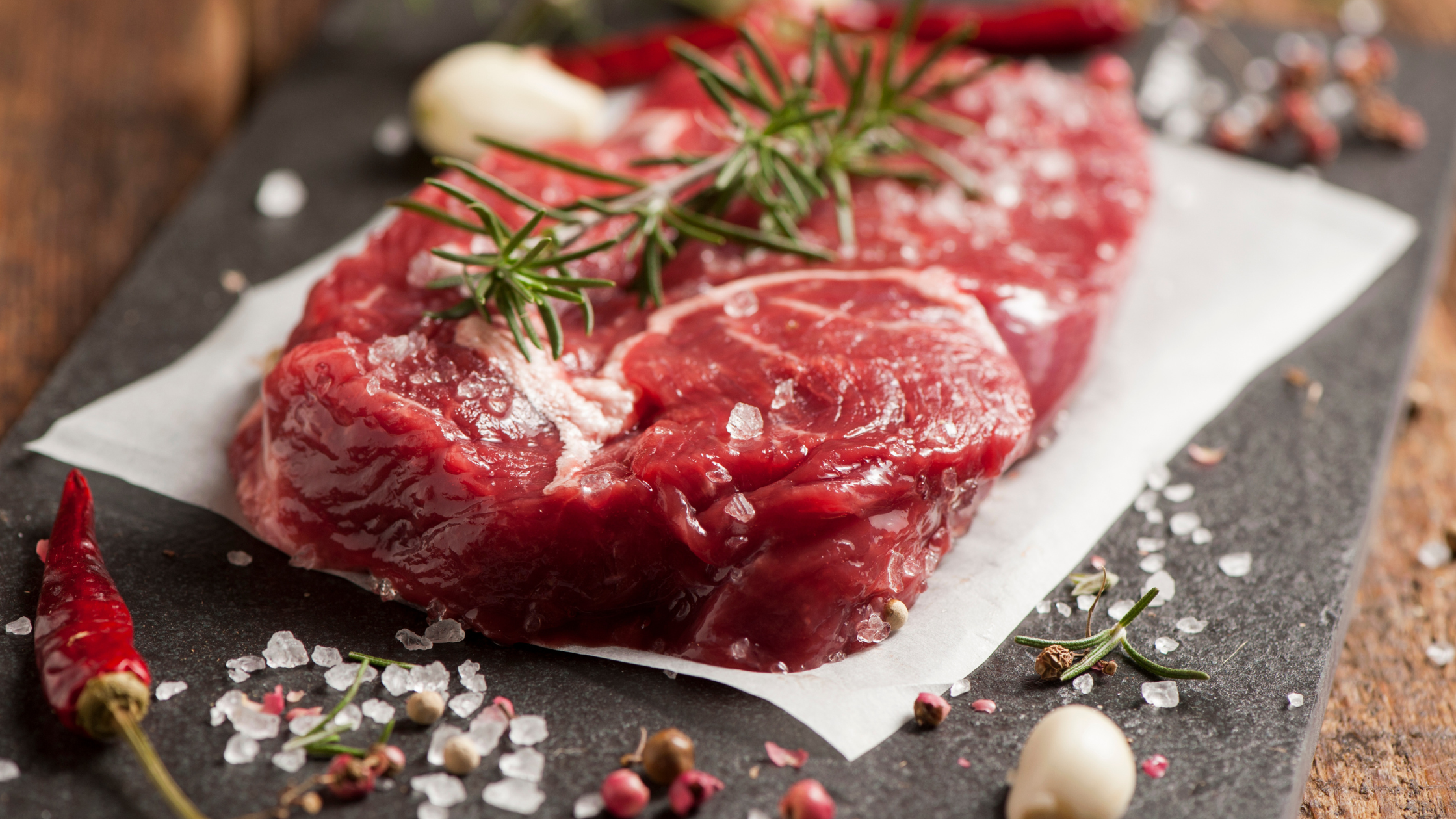
Bison
The bison, often referred to as the American buffalo, is an iconic symbol of strength, resilience, and the wild spirit of North America. This majestic mammal once roamed the vast plains in massive herds, shaping the landscape and the lives of indigenous peoples. Beyond its cultural significance, the bison holds a treasure trove of health benefits that have been recognized for centuries. From its rich nutritional profile to its potential medicinal properties, the bison continues to captivate both scientists and traditional healers alike.
Historically, bison played a crucial role in the lives of Native American tribes across the North American continent. Bison provided sustenance in the form of meat, clothing from hides, tools from bones, and even shelter from their hides. These magnificent creatures were revered for their strength and honored in many tribal ceremonies. With the colonization of North America, bison populations were decimated due to overhunting and habitat destruction. However, conservation efforts have led to the recovery of bison populations, although they remain primarily confined to national parks and reserves.
The health benefits of bison are attributed to its nutrient-rich composition. Bison meat is notably leaner than beef and contains high-quality protein, essential amino acids, vitamins, and minerals. Additionally, bison meat is often grass-fed, which can influence its fatty acid profile, providing a healthier balance of omega-3 to omega-6 fatty acids. Bison meat is rich in protein, iron, zinc, and vitamin B12, making it a nutrient-dense choice for individuals seeking a healthy diet. With a lower fat content compared to beef, bison serves as an excellent option for those monitoring their saturated fat intake while still meeting their protein needs. The favorable omega-3 to omega-6 ratio in grass-fed bison may contribute to heart health by reducing inflammation and lowering the risk of cardiovascular diseases. Furthermore, the high-quality protein in bison meat provides essential amino acids necessary for muscle growth, repair, and overall cellular function.
To prepare bison meat, start by thawing it in the refrigerator if it is frozen, as this helps maintain its texture and flavor. Once thawed, you can marinate the meat to enhance its taste and tenderness, using ingredients like olive oil, garlic, herbs, and spices. Bison can be cooked using various methods, including grilling, roasting, or pan-searing, but it is important to avoid overcooking, as bison is leaner than beef and can become tough if cooked too long. The meat is versatile and can be used in a wide range of dishes, such as burgers, steaks, stews, and chili, offering a rich flavor and a nutritious alternative to traditional red meats.
While bison meat provides numerous health benefits, individuals with specific dietary restrictions or health conditions should exercise caution. Those with allergies to red meat or specific proteins found in bison should avoid consuming it. Furthermore, individuals with certain medical conditions, such as gout or kidney issues, may need to limit their intake of purine-rich foods like bison. Although rare, some individuals may experience allergic reactions to bison meat, which can manifest as hives, swelling, or difficulty breathing. Additionally, excessive consumption of red meat, including bison, has been linked to an increased risk of certain health conditions, such as colorectal cancer and cardiovascular diseases. Bison meat typically does not interact with medications; however, individuals taking medication for iron overload disorders should consult their healthcare provider before consuming iron-rich foods like bison to prevent exacerbating their condition.
In traditional Native American medicine, various parts of the bison, including organs, bones, and hides, were utilized for their medicinal properties. These bison components were believed to possess healing qualities and were employed in remedies for a range of ailments, from fevers to joint pain.
In Western medicine, bison meat is primarily appreciated for its nutritional benefits, as its lean protein content and rich micronutrient profile make it a valuable addition to a healthy diet, particularly for those seeking alternatives to conventional red meats like beef. In Traditional Chinese Medicine (TCM), the consumption of bison meat is likely associated with the Stomach and Spleen meridians. The nourishing properties of bison meat are thought to support these meridians, promoting digestion, energy production, and overall vitality.
The bison stands as a symbol of strength and resilience, embodying the spirit of the American wilderness. Beyond its cultural significance, the bison offers a wealth of health benefits, from its lean protein content to its rich array of essential nutrients. Whether incorporated into traditional Native American remedies or embraced for its nutritional value in Western diets, the bison continues to inspire and nourish generations.
Ahmadian-Attari, M., et al. (2016). Omega-3 fatty acids and cholesterol have a main role in antidepression diet of iranian traditional medicine. Journal of Evidence-Based Complementary & Alternative Medicine, 22(2), 205-209. https://doi.org/10.1177/2156587215614703
Haug, A., et al. (2007). Effect of dietary selenium and omega-3 fatty acids on muscle composition and quality in broilers. Lipids in Health and Disease, 6(1), 29. https://doi.org/10.1186/1476-511x-6-29
Janz, J. and Aalhus, J. (2006). Meat quality, bacteriology and retail case life of bison longissimus lumborum following spray chilling. Journal of Muscle Foods, 17(3), 330-342. https://doi.org/10.1111/j.1745-4573.2006.00053.x
McDaniel, J., et al. (2013). Bison meat has a lower atherogenic risk than beef in healthy men. Nutrition Research, 33(4), 293-302. https://doi.org/10.1016/j.nutres.2013.01.007
Popoola, I., et al, (2019). Consumer sensory comparisons among beef, horse, elk, and bison using preferred attributes elicitation and check‐all‐that‐apply methods. Journal of Food Science, 84(10), 3009-3017. https://doi.org/10.1111/1750-3841.14780
Rauw, W., et al. (2011). The relationship between feed intake behaviour with intramuscular fat, cholesterol and fatty acid composition in pork. Journal of Animal Breeding and Genetics, 129(4), 289-297. https://doi.org/10.1111/j.1439-0388.2011.00978.x
Reglero, G., et al. (2008). Meat‐based functional foods for dietary equilibrium omega‐6/omega‐3. Molecular Nutrition & Food Research, 52(10), 1153-1161. https://doi.org/10.1002/mnfr.200700367
Rule, D., et al. (2002). Comparison of muscle fatty acid profiles and cholesterol concentrations of bison, beef cattle, elk, and chicken1. Journal of Animal Science, 80(5), 1202-1211. https://doi.org/10.2527/2002.8051202x
Saleh, A., et al. (2014). Effect of feeding aspergillus awamori and canola seed on the growth performance and muscle fatty acid profile in broiler chicken. Animal Science Journal, 86(3), 305-311. https://doi.org/10.1111/asj.12281
Sarica, S. and Toptas, S. (2014). Effects of dietary oleuropein supplementation on growth performance, serum lipid concentrations and lipid oxidation of japanese quails. Journal of Animal Physiology and Animal Nutrition, 98(6), 1176-1186. https://doi.org/10.1111/jpn.12192
Turner, T., et al. (2014). Fatty acid profiles of western canadian bison (bison bison) meat. Journal of Food Research, 3(6), 146. https://doi.org/10.5539/jfr.v3n6p146
Vliet, S., Provenza, F., & Kronberg, S. (2021). Health-promoting phytonutrients are higher in grass-fed meat and milk. Frontiers in Sustainable Food Systems, 4. https://doi.org/10.3389/fsufs.2020.555426
MyFoodData. (n.d.). Nutrition facts for food item: WT1. Retrieved December 10, 2024, from https://tools.myfooddata.com/nutrition-facts/175293/wt1/1
Medical Disclaimer
The information provided in this document is intended for educational and informational purposes only and should not be construed as medical advice, diagnosis, or treatment. It is essential to consult a qualified healthcare professional for any medical concerns or conditions. The content herein does not substitute for professional medical advice, and individuals should not disregard or delay seeking medical advice based on the information provided.
The authors and publishers of this document do not assume any responsibility for any adverse effects or consequences resulting from the use or application of the information contained herein. The reader is encouraged to conduct their own research and consult with healthcare providers to make informed decisions regarding their health and treatment options. Furthermore, the information presented may not reflect the most current research or medical guidelines, as medical knowledge is continually evolving. Therefore, it is imperative to verify the information with up-to-date, peer-reviewed sources and consult with medical professionals for personalized advice.