
The Health Wonders of Black Eyed Peas
Black eyed peas, also known as cowpeas, are a beloved legume cherished for their nutritional value and culinary versatility. These small, creamy beans with a distinct black spot have been a staple in cuisines around the world for centuries. However, beyond their culinary appeal, black eyed peas boast a plethora of health benefits, making them a valuable addition to any diet.
History
The history of black eyed peas dates back thousands of years, with their origins believed to be traced back to West Africa. From there, they spread to various parts of the world through trade routes, including Asia, Europe, and the Americas. In many cultures, black eyed peas hold symbolic significance and are consumed as part of traditional New Year’s meals to bring luck and prosperity.
Health Benefits
Black-eyed peas owe their health benefits to a rich nutritional profile that includes protein, fiber, vitamins, and minerals. The fiber content aids digestion and promotes a feeling of fullness, while the protein provides essential amino acids necessary for muscle repair and growth. Additionally, black-eyed peas contain antioxidants such as flavonoids and polyphenols, which help combat oxidative stress and inflammation in the body. The high fiber and potassium content of black-eyed peas support heart health by lowering cholesterol levels and regulating blood pressure. Their low-calorie and high-fiber nature makes them an excellent addition to weight loss diets, promoting feelings of fullness and aiding in calorie control. The complex carbohydrates in black-eyed peas are digested slowly, helping to stabilize blood sugar levels and prevent spikes. Furthermore, black-eyed peas are a good source of iron, folate, and other vitamins and minerals that are crucial for overall health and well-being.
Best Preparation Methods
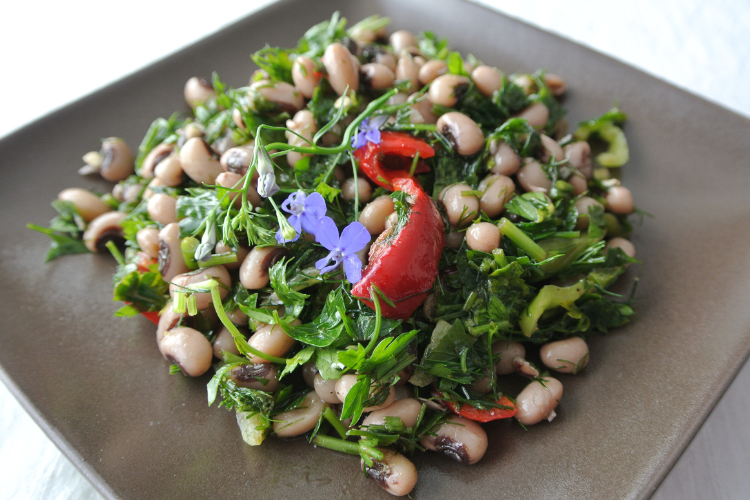
If using dried black-eyed peas, soak them in water for several hours or overnight to reduce cooking time and improve digestibility. After soaking, drain and rinse the peas again before cooking. You can boil them in fresh water for about 30 to 45 minutes until they are tender, or you can use a pressure cooker to speed up the process. Black-eyed peas can be used in a variety of dishes, such as soups, stews, and salads, where they add a hearty texture and nutritional value. They are also delicious when seasoned and served as a side dish or incorporated into casseroles.

Precautions and Possible Side Effects
While black-eyed peas are generally safe for consumption, individuals with specific dietary restrictions or medical conditions should exercise caution. For instance, those adhering to a low-carb or ketogenic diet may want to limit their intake due to the moderate carbohydrate content of black-eyed peas. Additionally, individuals with allergies to legumes should avoid black-eyed peas to prevent allergic reactions. Although rare, some people may experience digestive discomfort, such as gas and bloating, after consuming black-eyed peas, especially if they are not accustomed to high-fiber foods. Furthermore, improperly cooked or stored black-eyed peas can contain toxins that may lead to food poisoning. Black-eyed peas are not known to have negative interactions with medications or other foods; however, individuals taking medications for diabetes or high blood pressure should monitor their intake, as black-eyed peas may influence blood sugar and blood pressure levels.
Eastern and Western Nutrition
In Eastern medicine, black-eyed peas are appreciated for their nourishing properties and are frequently incorporated into soups and stews to promote overall health and vitality. According to Traditional Chinese Medicine (TCM), black-eyed peas are linked to the Spleen and Stomach meridians. They are believed to enhance Qi (vital energy) and Blood, making them beneficial for digestion and overall energy levels.
In Western cuisine, they are particularly popular in Southern and Creole dishes, such as Hoppin’ John and black-eyed pea salad.

Final Thoughts
Black eyed peas are not only a delicious and versatile ingredient but also a nutritional powerhouse with numerous health benefits. Whether enjoyed as part of a hearty stew or a refreshing salad, incorporating black eyed peas into your diet can contribute to better health and wellbeing.
References
Campos-Vega, R. and Oomah, B. (2010). Minor components of pulses and their potential impact on human health. Food Research International, 43(2), 461-482. https://doi.org/10.1016/j.foodres.2009.09.004
Le, T. and Hekmat, S. (2020). Development of pulse-based probiotics by fermentation using fiti sachets for the developing world. Nutrition & Food Science, 50(6), 1109-1121. https://doi.org/10.1108/nfs-08-2019-0272
Winham, D. and Hutchins, A. (2011). Perceptions of flatulence from bean consumption among adults in 3 feeding studies. Nutrition Journal, 10(1). https://doi.org/10.1186/1475-2891-10-128
Wiradharma, H., et al. (2022). Black-eyed pea diet alleviates high-density lipoprotein cholesterol in menopausal women; randomized clinical trial study. Asian Journal of Health Research, 1(1), 29-34. https://doi.org/10.55561/ajhr.v1i1.12
MyFoodData. (n.d.). Nutrition facts for food item: WT1. Retrieved December 10, 2024, from https://tools.myfooddata.com/nutrition-facts/173759/wt1/1
More Articles You May Like
Pineal Gland Insights
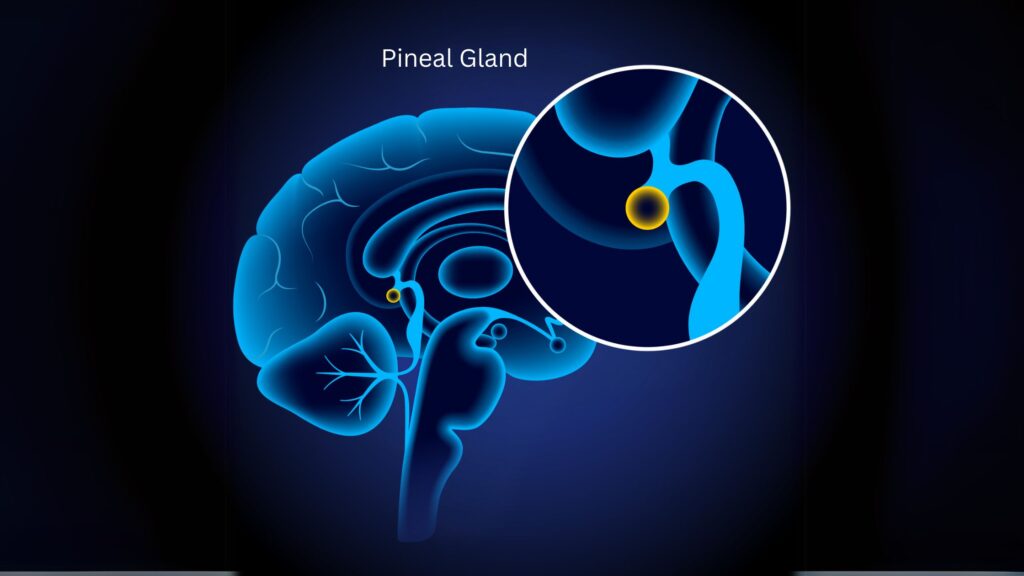
The pineal gland, a small, pea-shaped endocrine organ located in the epithalamus of the brain, is often referred to as the “third eye” due to its role in regulating circadian rhythms and sleep patterns through the secretion of melatonin. This gland has garnered significant attention due to its involvement in various physiological processes and its susceptibility to environmental factors, including fluoride exposure and calcification. The pineal gland is primarily responsible for synthesizing melatonin, a hormone that plays a critical role in signaling the body to prepare for...

Melatonin
Melatonin, a hormone primarily synthesized in the pineal gland, is integral to the regulation of various physiological processes, particularly the sleep-wake cycle. The synthesis of melatonin initiates with the amino acid tryptophan, which undergoes conversion into serotonin. This transformation is facilitated by the enzyme tryptophan hydroxylase, which catalyzes the first step in serotonin biosynthesis. Subsequently, during the nocturnal phase, serotonin is converted into melatonin through a series of enzymatic reactions involving serotonin N-acetyltransferase and...
The Therapeutic Potential of Herbs and Spices
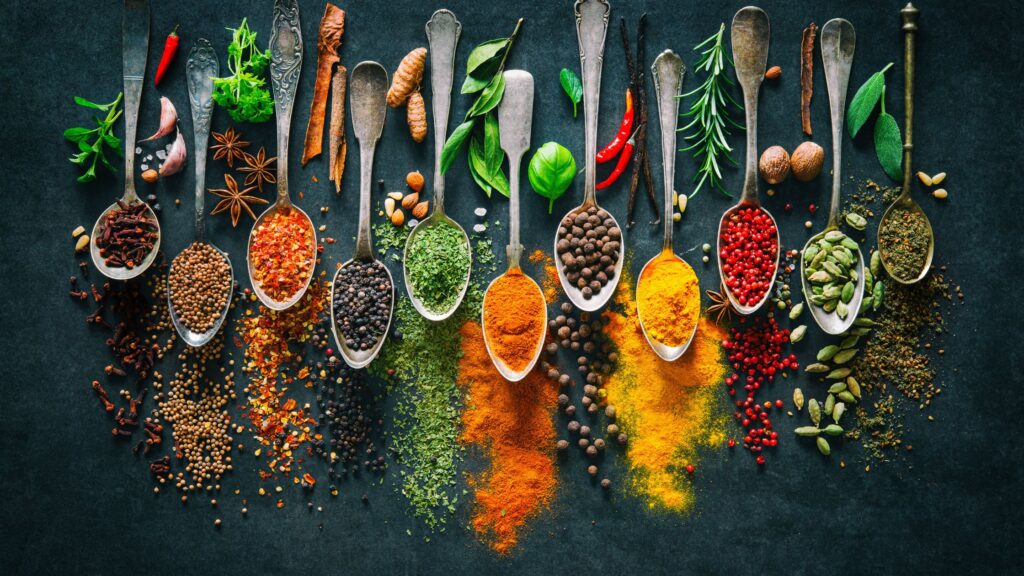
The utilization of herbs and spices in Traditional Chinese Medicine (TCM) and Ayurvedic medicine exemplifies the profound interconnection between culinary practices and health. For centuries, these natural ingredients have been integral to holistic health systems, serving not only as flavor enhancers in diverse cuisines but also as potent therapeutic agents. In TCM, herbs are meticulously selected based on their properties to restore balance and harmony within the body, while Ayurvedic practices emphasize the use of spices to support digestion, enhance vitality, and prevent disease. This...

The Role of Essential Minerals
Minerals are inorganic elements that play a fundamental role in numerous physiological processes essential for human health. Unlike macronutrients such as carbohydrates, proteins, and fats, which provide energy, minerals are crucial for a variety of functions, including structural support, enzymatic reactions, and the regulation of metabolic pathways. The human body requires a range of minerals, categorized into macrominerals (needed in larger amounts) and trace minerals (required in smaller quantities), each serving distinct and vital roles. The significance of these essential minerals...
Recipe Template
Stuffed Acorn Squash A delicious and hearty stuffed acorn squash recipe, perfect for a cozy dinner. This dish combines sweet, savory, and nutty flavors, making it a favorite for fall and winter meals. Print Recipe SCREEN LOCKPrevent your screen from going dark Prep Time 15 minutes minsCook Time 45 minutes mins Course Main CourseCuisine American Servings 4Calories 350 kcal Ingredients 1x2x3xFor the Squash:2 medium acorn squashes (halved and seeds removed)1 tbsp olive oil½ tsp salt¼ tsp black pepperFor the Filling:1 tbsp olive...

Magnesium
Magnesium is an essential mineral that plays a vital role in numerous physiological functions, including energy production, muscle contraction, and nerve transmission. Given its importance, various forms of magnesium supplements are available, each with unique properties, benefits, and absorption characteristics. This article discusses the different types of magnesium, their benefits, natural sources, daily requirements, and a comparative analysis to help individuals choose the most suitable form for their needs. Additionally, we will explore how magnesium is synthesized in laboratories,...

Nicotinamide Adenine Dinucleotide (NAD)
Nicotinamide adenine dinucleotide (NAD) is a crucial coenzyme found in all living cells, playing a vital role in various biological processes, including energy metabolism, DNA repair, and cell signaling. This article will explore the history and description of NAD, the emerging trend of intravenous (IV) NAD therapy, its benefits and precautions, natural sources, the significance of redox reactions in its function, the differences between various NAD supplements, and important considerations for consumers seeking NAD supplementation. History of NAD The discovery of NAD dates back to the...

Test WP 102
Chicken Harvest Dinner A fresh and flavorful farm-to-table dinner featuring locally sourced ingredients to create a wholesome and nourishing meal. This recipe highlights the best of seasonal produce and proteins, perfect for a delicious and satisfying dining experience. Print Recipe SCREEN LOCKPrevent your screen from going dark Prep Time 15 minutes minsCook Time 30 minutes mins Course Main CourseCuisine American Servings 2Calories 578 kcal Ingredients 1x2x3xFor the Main Dish:2 boneless (pasture-raised chicken breasts 450g / 1 lb)1 tbsp 15ml olive oil1 tsp 5g...

Vitamin D and D3
Sources, Functions, and Health Implications Vitamin D is a fat-soluble vitamin that plays a crucial role in various physiological processes, including calcium and phosphorus metabolism, bone health, and immune function. It exists in two primary forms: vitamin D2 (ergocalciferol) and vitamin D3 (cholecalciferol). Vitamin D2 is primarily derived from plant sources, particularly fungi and yeast, while vitamin D3 is predominantly obtained from animal sources and synthesized in the skin upon exposure to ultraviolet B (UVB) light (Park et al., 2019; Benedik, 2022). Understanding the best...

EBV, Postpartum RA, Heavy Metals and Mold
The relationship between Epstein-Barr virus (EBV) infection and the development of autoimmune diseases, particularly rheumatoid arthritis (RA), has garnered significant attention in recent years. The pathogenesis of RA is multifactorial, with genetic predispositions, environmental triggers, and infectious agents contributing to disease onset and progression. Among these, EBV has emerged as a notable candidate, especially in individuals with a history of viral infections and subsequent autoimmune manifestations. EBV is a member of the herpesvirus family and is known for its role in...

Preconception Detox Strategies
The potential link between heavy metals and adverse pregnancy outcomes has led to increased interest in detoxification strategies for women planning to conceive. Detoxification can help reduce the body burden of harmful substances, potentially improving reproductive health and outcomes. However, the question of how long a detoxification regimen should last before pregnancy remains complex and is influenced by various factors, including the type of detoxification method employed, individual health status, and environmental exposure levels. Recommended Duration for Detoxification While...

Probiotics in NF-κB Modulation
Nuclear Factor kappa-light-chain-enhancer of activated B cells (NF-κB) is a crucial transcription factor involved in regulating immune responses, inflammation, and cell survival. Chronic activation of NF-κB is associated with various inflammatory diseases, autoimmune disorders, and cancers. Probiotics, which are live microorganisms that confer health benefits to the host, have been shown to modulate NF-κB activity and may serve as a therapeutic strategy for managing conditions associated with chronic inflammation. Types of Probiotics Beneficial for NF-κB Modulation Lactobacillus Species...
Medical Disclaimer
The information provided in this document is intended for educational and informational purposes only and should not be construed as medical advice, diagnosis, or treatment. It is essential to consult a qualified healthcare professional for any medical concerns or conditions. The content herein does not substitute for professional medical advice, and individuals should not disregard or delay seeking medical advice based on the information provided.
The authors and publishers of this document do not assume any responsibility for any adverse effects or consequences resulting from the use or application of the information contained herein. The reader is encouraged to conduct their own research and consult with healthcare providers to make informed decisions regarding their health and treatment options. Furthermore, the information presented may not reflect the most current research or medical guidelines, as medical knowledge is continually evolving. Therefore, it is imperative to verify the information with up-to-date, peer-reviewed sources and consult with medical professionals for personalized advice.