
Cabbage: Unveiling its Nutritional and Medicinal Secrets
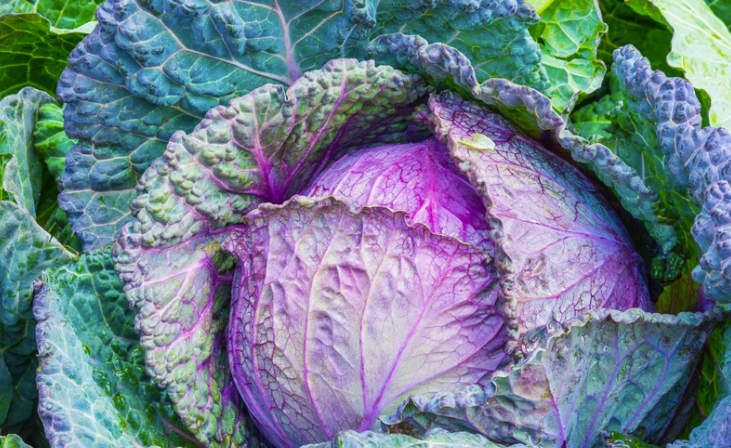
Cabbage, a member of the cruciferous vegetable family, is often overlooked despite its remarkable nutritional profile and potential health benefits. This humble vegetable has been a dietary staple for centuries, revered for its versatility and medicinal properties. From its intriguing history to its modern-day applications, cabbage continues to play a significant role in culinary traditions and holistic medicine around the globe.
History
Cabbage’s origins trace back thousands of years to the Mediterranean region and Asia. Ancient civilizations, including the Greeks and Egyptians, valued cabbage for its hardiness, ease of cultivation, and nutritional value. It later spread across Europe and became a dietary staple in many cultures. In traditional medicine systems such as Ayurveda and Traditional Chinese Medicine (TCM), cabbage was used to treat various ailments due to its perceived medicinal properties. These ancient healing systems recognized cabbage for its cooling effects on the body and its ability to support digestive health.
Health Benefits
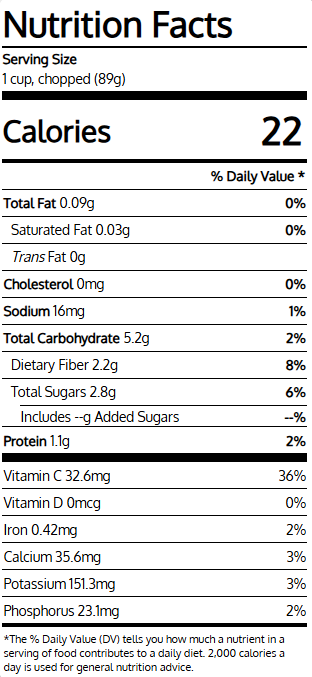
The health-promoting properties of cabbage are attributed to its rich array of phytochemicals, including glucosinolates, flavonoids, and vitamins. Glucosinolates, in particular, are sulfur-containing compounds that have been extensively studied for their potential anti-cancer effects. When cabbage is chewed or chopped, glucosinolates are broken down into biologically active compounds such as indoles and isothiocyanates, which have been shown to inhibit cancer cell growth and promote detoxification processes in the body. The phytochemicals found in cabbage have been linked to a reduced risk of certain cancers, including colon, breast, and prostate cancer. Cabbage is rich in fiber, vitamins, and antioxidants that support cardiovascular health by lowering cholesterol levels and reducing inflammation. The high fiber content of cabbage promotes regularity and supports a healthy digestive system. Cabbage is a good source of vitamin C, which plays a crucial role in supporting immune function and protecting against infections. With its low calorie and high fiber content, cabbage can be a valuable addition to a weight loss or weight maintenance diet.
Best Preparation Methods
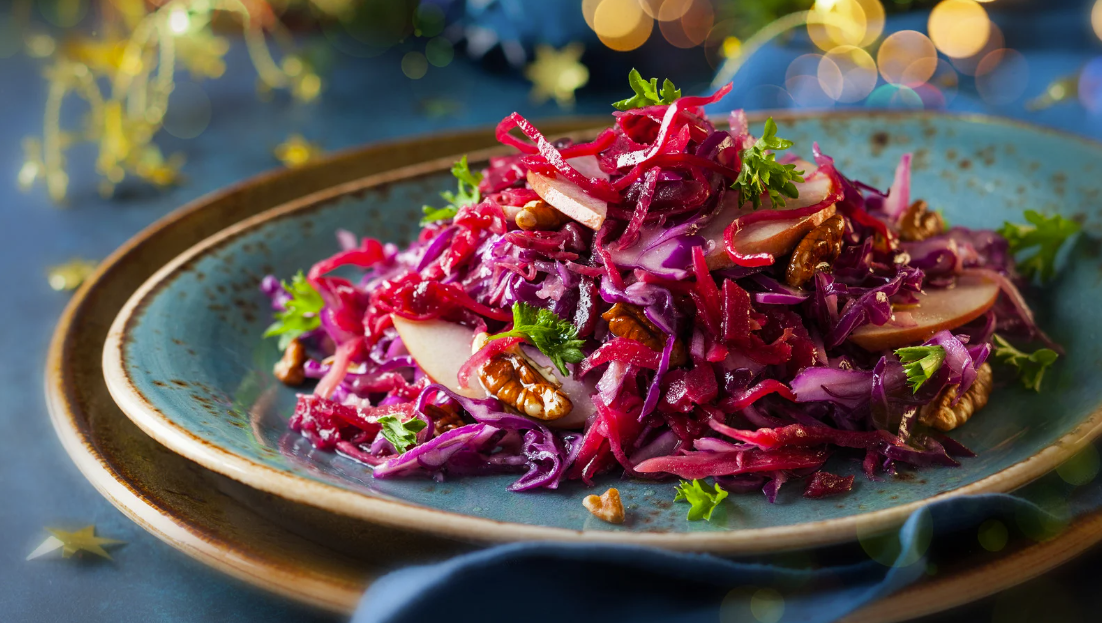
Cabbage can be prepared and cooked using various methods that significantly influence its nutritional value and flavor profile. Steaming is often recommended as an optimal cooking technique, as it preserves myrosinase activity and enhances the production of beneficial isothiocyanates, which are associated with cancer prevention. In contrast, boiling can lead to substantial nutrient loss, particularly of water-soluble vitamins and glucosinolates, due to leaching into cooking water. Stir-frying has been shown to maintain or even increase certain phenolic compounds in cabbage, suggesting that quick cooking methods can be beneficial for retaining antioxidants. Additionally, sous-vide cooking has gained popularity for its ability to retain flavor and nutrients by cooking cabbage in a vacuum-sealed bag at controlled temperatures, minimizing contact with water.
Precautions and Possible Side Effects
Cabbage is generally safe to eat, but individuals with thyroid disorders should consume it in moderation. This is because its goitrogenic properties can interfere with thyroid function when eaten in large amounts. Additionally, some people may experience gas, bloating, or digestive discomfort from consuming raw cabbage in large quantities. Cooking cabbage can help alleviate these effects by breaking down indigestible fibers. Moreover, cabbage’s high vitamin K content may interact with certain medications, particularly blood thinners like warfarin. Individuals on such medications should consult their healthcare provider before significantly increasing their cabbage intake.
Eastern and Western Nutrition
In Eastern medicine systems like Ayurveda and Traditional Chinese Medicine (TCM), cabbage is highly regarded for its cooling properties and is often used to help balance excess heat in the body.
In TCM, cabbage is specifically linked to the Stomach and Spleen meridians, which are thought to regulate digestion and nourishment. In contrast, Western herbalism uses cabbage less frequently in medicinal preparations but acknowledges its significant nutritional value and potential to support overall health.
Final Thoughts
In conclusion, cabbage is a highly nutritious vegetable with a long history of culinary and medicinal use. Its potential health benefits, ranging from cancer prevention to digestive support, make it a valuable addition to any diet. Whether enjoyed raw or cooked, cabbage offers a delicious and versatile way to promote health and well-being.
References
(2018). Association between dietary iodine consumption and body composition in caucasian females between the ages of 18 to 60: the pioneer project. Endocrinol Diabetes Metab J, 2(3). https://doi.org/10.31038/edmj.2018231
Aboulmagd, I. and Kamel, S. (2019). Effect of amindarone induced hyper thyriodism on bone remodeling process: histological and radiodensitometric analysis. (experimental study in rats). Egyptian Dental Journal, 65(2), 1149-1156. https://doi.org/10.21608/edj.2019.72184
Dessie, G., Amare, D., Dagnew, A., Mulugeta, H., Kassa, D., Negesse, A., … & Burrowes, S. (2019). Prevalence of goiter among children in ethiopia and associated factors: a systematic review and meta-analysis. BMC Public Health, 19(1). https://doi.org/10.1186/s12889-019-7505-7
Dobosy, P. (2024). Effect of iodine species on biofortification of iodine in cabbage plants cultivated in hydroponic cultures. Scientific Reports, 14(1). https://doi.org/10.1038/s41598-024-66575-z
Elkerdasy, H., Elsayed, A., & Mousa, H. (2021). Ameliorative effect of ginger extract and selenium in thethyroid gland toxicity induced by chlorpyrifos in male albino rats. The Egyptian Journal of Hospital Medicine, 83(1), 824-830. https://doi.org/10.21608/ejhm.2021.156452
Fotschki, J., Ogrodowczyk, A., Wróblewska, B., & Juśkiewicz, J. (2023). Side streams of vegetable processing and its bioactive compounds support microbiota, intestine milieu, and immune system. Molecules, 28(11), 4340. https://doi.org/10.3390/molecules28114340
Hamouda, A., Sameeh, M., & Shrourou, R. (2016). Effect of avocado (persea americana), cabbage (brassica oleracea) and ginger (zingiber officinale) on rat liver and thyroid injuries induced by ccl4 (carbon tetrachloride). Journal of Pharmacy and Pharmacology, 4(3). https://doi.org/10.17265/2328-2150/2016.03.002
Hanschen, F. and Schreiner, M. (2017). Isothiocyanates, nitriles, and epithionitriles from glucosinolates are affected by genotype and developmental stage in brassica oleracea varieties. Frontiers in Plant Science, 8. https://doi.org/10.3389/fpls.2017.01095
Hwang, J., Park, J., Jo, E., Kim, S., Yoon, B., Kim, S., … & Kang, K. (2005). Chinese cabbage extracts and sulforaphane can protect h2o2-induced inhibition of gap junctional intercellular communication through the inactivation of erk1/2 and p38 map kinases. Journal of Agricultural and Food Chemistry, 53(21), 8205-8210. https://doi.org/10.1021/jf051747h
Kim, D. (2023). Interactions between polygenetic variants and lifestyle factors in hypothyroidism: a hospital-based cohort study. Nutrients, 15(17), 3850. https://doi.org/10.3390/nu15173850
Kupke, F., Herz, C., Hanschen, F., Platz, S., Odongo, G., Helmig, S., … & Lamy, E. (2016). Cytotoxic and genotoxic potential of food-borne nitriles in a liver in vitro model. Scientific Reports, 6(1). https://doi.org/10.1038/srep37631
Li, Y., Buckhaults, P., & Tollefsbol, T. (2018). Temporal efficacy of a sulforaphane-based broccoli sprout diet in prevention of breast cancer through modulation of epigenetic mechanisms. Cancer Prevention Research, 11(8), 451-464. https://doi.org/10.1158/1940-6207.capr-17-0423
Li, Y., Saldanha, S., & Tollefsbol, T. (2013). Impact of epigenetic dietary compounds on transgenerational prevention of human diseases. The Aaps Journal, 16(1), 27-36. https://doi.org/10.1208/s12248-013-9538-7
Mejicanos, G., Sanjayan, N., Kim, I., & Nyachoti, C. (2016). Recent advances in canola meal utilization in swine nutrition. Journal of Animal Science and Technology, 58(1). https://doi.org/10.1186/s40781-016-0085-5
Paunkov, A., Chartoumpekis, D., Ziros, P., Chondrogianni, N., Kensler, T., & Sykiotis, G. (2019). Impact of antioxidant natural compounds on the thyroid gland and implication of the keap1/nrf2 signaling pathway. Current Pharmaceutical Design, 25(16), 1828-1846. https://doi.org/10.2174/1381612825666190701165821
Petroski, W. and Minich, D. (2020). Is there such a thing as “anti-nutrients”? a narrative review of perceived problematic plant compounds. Nutrients, 12(10), 2929. https://doi.org/10.3390/nu12102929
Sakauchi, F., Mori, M., Washio, M., Watanabe, Y., Ozasa, K., Hayashi, K., … & Tamakoshi, A. (2005). Dietary habits and risk of urothelial cancer incidence in the jacc study. Journal of Epidemiology, 15(Supplement_II), S190-S195. https://doi.org/10.2188/jea.15.s190
Yang, D. (2018). Cabbage (brassica oleracea var. capitata) protects against h2o2‐induced oxidative stress by preventing mitochondrial dysfunction in h9c2 cardiomyoblasts. Evidence-Based Complementary and Alternative Medicine, 2018(1). https://doi.org/10.1155/2018/2179021
MyFoodData. (n.d.). *Nutrition facts for food item 169975*. Retrieved December 10, 2024, from https://tools.myfooddata.com/nutrition-facts/169975/wt1/1
More Articles You May Like
The Therapeutic Potential of Herbs and Spices
The utilization of herbs and spices in Traditional Chinese Medicine (TCM) and Ayurvedic medicine exemplifies the profound interconnection between culinary practices and health. For centuries, these natural ingredients have been integral to holistic health systems, serving not only as flavor enhancers in diverse cuisines but also as potent therapeutic agents. In TCM, herbs are meticulously selected based on their properties to restore balance and harmony within the body, while Ayurvedic practices emphasize the use of spices to support digestion, enhance vitality, and prevent disease. This...

The Role of Essential Minerals
Minerals are inorganic elements that play a fundamental role in numerous physiological processes essential for human health. Unlike macronutrients such as carbohydrates, proteins, and fats, which provide energy, minerals are crucial for a variety of functions, including structural support, enzymatic reactions, and the regulation of metabolic pathways. The human body requires a range of minerals, categorized into macrominerals (needed in larger amounts) and trace minerals (required in smaller quantities), each serving distinct and vital roles. The significance of these essential minerals...
Recipe Template
Stuffed Acorn Squash A delicious and hearty stuffed acorn squash recipe, perfect for a cozy dinner. This dish combines sweet, savory, and nutty flavors, making it a favorite for fall and winter meals. Print Recipe SCREEN LOCKPrevent your screen from going dark Prep Time 15 minutes minsCook Time 45 minutes mins Course Main CourseCuisine American Servings 4Calories 350 kcal Ingredients 1x2x3xFor the Squash:2 medium acorn squashes (halved and seeds removed)1 tbsp olive oil½ tsp salt¼ tsp black pepperFor the Filling:1 tbsp olive...

Magnesium
Magnesium is an essential mineral that plays a vital role in numerous physiological functions, including energy production, muscle contraction, and nerve transmission. Given its importance, various forms of magnesium supplements are available, each with unique properties, benefits, and absorption characteristics. This article discusses the different types of magnesium, their benefits, natural sources, daily requirements, and a comparative analysis to help individuals choose the most suitable form for their needs. Additionally, we will explore how magnesium is synthesized in laboratories,...
Nicotinamide Adenine Dinucleotide (NAD)
Nicotinamide adenine dinucleotide (NAD) is a crucial coenzyme found in all living cells, playing a vital role in various biological processes, including energy metabolism, DNA repair, and cell signaling. This article will explore the history and description of NAD, the emerging trend of intravenous (IV) NAD therapy, its benefits and precautions, natural sources, the significance of redox reactions in its function, the differences between various NAD supplements, and important considerations for consumers seeking NAD supplementation. History of NAD The discovery of NAD dates back to the...

Test WP 102
Chicken Harvest Dinner A fresh and flavorful farm-to-table dinner featuring locally sourced ingredients to create a wholesome and nourishing meal. This recipe highlights the best of seasonal produce and proteins, perfect for a delicious and satisfying dining experience. Print Recipe SCREEN LOCKPrevent your screen from going dark Prep Time 15 minutes minsCook Time 30 minutes mins Course Main CourseCuisine American Servings 2Calories 578 kcal Ingredients 1x2x3xFor the Main Dish:2 boneless (pasture-raised chicken breasts 450g / 1 lb)1 tbsp 15ml olive oil1 tsp 5g...

Vitamin D and D3
Sources, Functions, and Health Implications Vitamin D is a fat-soluble vitamin that plays a crucial role in various physiological processes, including calcium and phosphorus metabolism, bone health, and immune function. It exists in two primary forms: vitamin D2 (ergocalciferol) and vitamin D3 (cholecalciferol). Vitamin D2 is primarily derived from plant sources, particularly fungi and yeast, while vitamin D3 is predominantly obtained from animal sources and synthesized in the skin upon exposure to ultraviolet B (UVB) light (Park et al., 2019; Benedik, 2022). Understanding the best...

Probiotics in NF-κB Modulation
Nuclear Factor kappa-light-chain-enhancer of activated B cells (NF-κB) is a crucial transcription factor involved in regulating immune responses, inflammation, and cell survival. Chronic activation of NF-κB is associated with various inflammatory diseases, autoimmune disorders, and cancers. Probiotics, which are live microorganisms that confer health benefits to the host, have been shown to modulate NF-κB activity and may serve as a therapeutic strategy for managing conditions associated with chronic inflammation. Types of Probiotics Beneficial for NF-κB Modulation Lactobacillus Species...
Health Risks of Plastic Packaging
Plastic resins are ubiquitous in food packaging, providing benefits such as durability, lightweight properties, and cost-effectiveness. However, the health implications associated with these materials have raised significant concerns. This article explores the Plastic Resin Identification Codes (RICs), detailing their names, descriptions, associated dangers, and the health consequences of prolonged use. Polyethylene Terephthalate (PET or PETE) – Code 1Description: PET is widely used for beverage bottles and food containers due to its strength and barrier properties against moisture...
Zucchini
Zucchini, scientifically known as Cucurbita pepo, is a versatile and nutritious vegetable celebrated in cuisines worldwide. Its mild flavor and tender texture make it a popular ingredient in various dishes, from salads to stir-fries and even baked goods. Beyond its culinary charm, zucchini boasts an array of health benefits, making it a staple in many diets. History Zucchini traces its origins back to the Americas, where it was domesticated thousands of years ago. The cultivation of zucchini spread to Europe in the late 15th century, following the voyages of Christopher Columbus. ...
Yellow Squash
Yellow squash, with its vibrant hue and delicate flavor, has long adorned dinner plates and found its way into culinary creations around the world. This humble vegetable, botanically known as Cucurbita pepo, belongs to the gourd family and boasts an array of health benefits. From its rich history to its modern-day applications, yellow squash continues to captivate both chefs and health enthusiasts alike. History The cultivation of yellow squash dates back thousands of years, with its origins traced to Mesoamerica. Ancient civilizations such as the Maya and Aztecs revered squash for its...

Yellow Peas
Yellow peas, often overlooked in the realm of superfoods, are in fact a powerhouse of nutrition and health benefits. These humble legumes, botanically known as Pisum sativum, have been a staple in diets across cultures for centuries. From their rich history to their modern applications, yellow peas offer a plethora of health advantages that deserve recognition and inclusion in our daily meals.Yellow peas have a long and esteemed history, dating back thousands of years. Originating in the Mediterranean region, they were one of the earliest crops cultivated by humans. Archaeological...
Medical Disclaimer
The information provided in this document is intended for educational and informational purposes only and should not be construed as medical advice, diagnosis, or treatment. It is essential to consult a qualified healthcare professional for any medical concerns or conditions. The content herein does not substitute for professional medical advice, and individuals should not disregard or delay seeking medical advice based on the information provided.
The authors and publishers of this document do not assume any responsibility for any adverse effects or consequences resulting from the use or application of the information contained herein. The reader is encouraged to conduct their own research and consult with healthcare providers to make informed decisions regarding their health and treatment options. Furthermore, the information presented may not reflect the most current research or medical guidelines, as medical knowledge is continually evolving. Therefore, it is imperative to verify the information with up-to-date, peer-reviewed sources and consult with medical professionals for personalized advice.