Cayenne
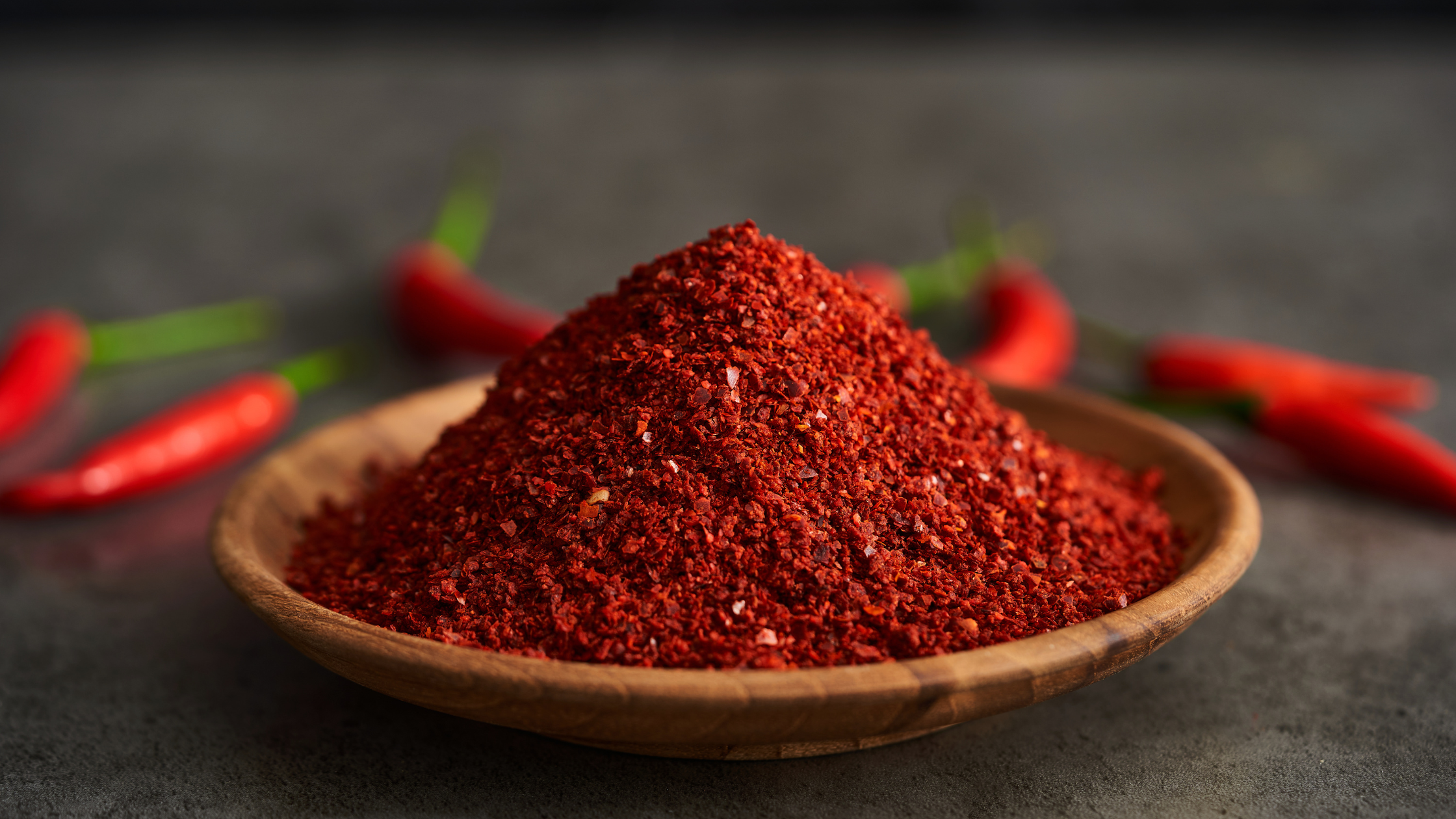
Cayenne pepper, also known as Capsicum annuum, is a spice with a fiery kick that has been used for centuries in both Eastern and Western cultures for its culinary and medicinal properties. Its vibrant red color and potent flavor make it a staple in many cuisines around the world. Beyond its culinary use, cayenne pepper has gained attention for its potential health benefits and therapeutic applications.
[/et_pb_text][et_pb_heading title=”History” _builder_version=”4.27.4″ _module_preset=”default” custom_margin=”||10px||false|false” hover_enabled=”0″ global_colors_info=”{}” title_level=”h2″ title_text_color=”#000000″ sticky_enabled=”0″][/et_pb_heading][et_pb_text _builder_version=”4.27.4″ _module_preset=”default” text_text_color=”#000000″ text_font_size=”17px” hover_enabled=”0″ global_colors_info=”{}” sticky_enabled=”0″]Cayenne pepper has a long history of use, dating back thousands of years. Native to Central and South America, it was used by indigenous peoples for both culinary and medicinal purposes. The ancient Aztecs and Mayans utilized cayenne pepper for its perceived health benefits, including its ability to aid digestion, alleviate pain, and boost circulation. With the arrival of Europeans in the Americas, cayenne pepper was introduced to other parts of the world, eventually becoming a staple in cuisines worldwide.
[/et_pb_text][et_pb_heading title=”Health Benefits” _builder_version=”4.27.4″ _module_preset=”default” custom_margin=”||10px||false|false” custom_padding=”||||false|false” hover_enabled=”0″ global_colors_info=”{}” title_level=”h2″ title_text_color=”#000000″ sticky_enabled=”0″][/et_pb_heading][et_pb_text _builder_version=”4.27.4″ _module_preset=”default” text_text_color=”#000000″ text_font_size=”17px” global_colors_info=”{}”]The active component in cayenne pepper is capsaicin, which is responsible for its characteristic heat. Capsaicin interacts with sensory neurons, specifically the transient receptor potential vanilloid 1 (TRPV1) receptors, which are involved in the perception of heat and pain. Upon activation, these receptors release substance P, a neurotransmitter involved in the transmission of pain signals. Prolonged exposure to capsaicin can lead to desensitization of TRPV1 receptors, resulting in decreased pain sensation over time. The topical application of capsaicin cream has been shown to alleviate pain associated with conditions such as arthritis, neuropathy, and fibromyalgia. Cayenne pepper may aid digestion by stimulating the production of gastric juices, improving digestion and nutrient absorption. Capsaicin has been found to improve circulation and lower blood pressure by dilating blood vessels. Some studies suggest that capsaicin may boost metabolism and promote fat burning, making it a potential aid in weight management.
[/et_pb_text][/et_pb_column][/et_pb_row][/et_pb_section][et_pb_section fb_built=”1″ _builder_version=”4.27.4″ _module_preset=”default” background_color=”#F2F2F2″ custom_padding=”27px||5px||false|false” global_colors_info=”{}” custom_margin=”-11px|||||”][et_pb_row _builder_version=”4.27.4″ _module_preset=”default” custom_padding=”7px||0px||false|false” hover_enabled=”0″ global_colors_info=”{}” min_height=”63px” custom_margin=”-16px|auto||auto|false|false” sticky_enabled=”0″][et_pb_column type=”4_4″ _builder_version=”4.27.4″ _module_preset=”default” global_colors_info=”{}”][et_pb_heading title=”Best Preparation Methods ” _builder_version=”4.27.4″ _module_preset=”default” custom_margin=”||10px||false|false” hover_enabled=”0″ global_colors_info=”{}” title_level=”h2″ title_text_color=”#000000″ sticky_enabled=”0″][/et_pb_heading][/et_pb_column][/et_pb_row][et_pb_row column_structure=”2_3,1_3″ _builder_version=”4.27.4″ _module_preset=”default” custom_padding=”2px||8px|||” global_colors_info=”{}” custom_margin=”-2px|auto||auto||”][et_pb_column type=”2_3″ _builder_version=”4.27.4″ _module_preset=”default” global_colors_info=”{}”][et_pb_text _builder_version=”4.27.4″ _module_preset=”default” text_text_color=”#000000″ text_font_size=”17px” global_colors_info=”{}”]Depending on your intended use, you can either use cayenne peppers whole or dry them for powder. If using fresh peppers, remove the stems and seeds for a milder flavor, or leave them intact for added heat. Cayenne can be added to a variety of dishes, including soups, stews, sauces, and marinades, to enhance flavor and provide a spicy kick. It is also commonly used in spice blends and can be incorporated into health supplements due to its potential benefits, such as boosting metabolism and supporting digestive health. When using cayenne, it is advisable to start with a small amount and adjust according to your heat preference.
[/et_pb_text][et_pb_image src=”https://www.immortalme.com/wp-content/uploads/2025/01/Cayenne-Food.png” title_text=”Cayenne Food” _builder_version=”4.27.4″ _module_preset=”default” hover_enabled=”0″ border_radii=”on|6px|6px|6px|6px” box_shadow_style=”preset1″ global_colors_info=”{}” box_shadow_spread=”3px” box_shadow_color=”#84776C” sticky_enabled=”0″][/et_pb_image][/et_pb_column][et_pb_column type=”1_3″ _builder_version=”4.27.4″ _module_preset=”default” global_colors_info=”{}”][et_pb_image src=”https://www.immortalme.com/wp-content/uploads/2025/01/Cayenne.png” title_text=”Cayenne” _builder_version=”4.27.4″ _module_preset=”default” hover_enabled=”0″ box_shadow_style=”preset1″ global_colors_info=”{}” border_radii=”on|6px|6px|6px|6px” box_shadow_spread=”3px” box_shadow_color=”#84776C” sticky_enabled=”0″][/et_pb_image][/et_pb_column][/et_pb_row][/et_pb_section][et_pb_section fb_built=”1″ _builder_version=”4.27.4″ _module_preset=”default” custom_padding=”29px||4px|||” hover_enabled=”0″ global_colors_info=”{}” background_color=”#F2F2F2″ sticky_enabled=”0″][et_pb_row _builder_version=”4.27.4″ _module_preset=”default” custom_padding=”3px|||||” global_colors_info=”{}” custom_margin=”-10px|auto||auto||”][et_pb_column type=”4_4″ _builder_version=”4.27.4″ _module_preset=”default” global_colors_info=”{}”][et_pb_heading title=”Precautions and Possible Side Effects” _builder_version=”4.27.4″ _module_preset=”default” custom_margin=”||10px||false|false” hover_enabled=”0″ global_colors_info=”{}” title_level=”h2″ title_text_color=”#000000″ sticky_enabled=”0″][/et_pb_heading][et_pb_text _builder_version=”4.27.4″ _module_preset=”default” text_text_color=”#000000″ text_font_size=”17px” global_colors_info=”{}”]While cayenne pepper offers numerous health benefits, it may not be suitable for everyone. Individuals with a known allergy to capsicum or other members of the nightshade family should avoid cayenne pepper. Additionally, individuals with gastrointestinal disorders such as ulcers or irritable bowel syndrome (IBS) may experience worsened symptoms with the consumption of cayenne pepper. While cayenne pepper is generally safe for most people when consumed in moderation, excessive intake may cause side effects such as: gastrointestinal upset, heartburn, skin irritation (with topical use), and/or allergic reactions. Cayenne pepper may interact with certain medications, including blood thinners and medications for high blood pressure. Individuals taking these medications should consult with a healthcare professional before incorporating cayenne pepper into their diet or using capsaicin cream topically.
[/et_pb_text][/et_pb_column][/et_pb_row][/et_pb_section][et_pb_section fb_built=”1″ admin_label=”Post Body” _builder_version=”4.27.4″ background_color=”#F2F2F2″ custom_padding=”28px||2px|||” locked=”off” global_colors_info=”{}”][et_pb_row column_structure=”1_2,1_2″ _builder_version=”4.27.4″ custom_padding=”4px||10px|||” hover_enabled=”0″ locked=”off” global_colors_info=”{}” sticky_enabled=”0″][et_pb_column type=”1_2″ _builder_version=”4.16″ global_colors_info=”{}”][et_pb_heading title=”Eastern and Western Nutrition” _builder_version=”4.27.4″ _module_preset=”default” custom_margin=”||10px||false|false” global_colors_info=”{}”][/et_pb_heading][et_pb_text _builder_version=”4.27.4″ _module_preset=”default” text_text_color=”#000000″ text_font_size=”17px” hover_enabled=”0″ global_colors_info=”{}” sticky_enabled=”0″]In Eastern medicine, cayenne pepper is believed to have warming properties and is often used to improve circulation, alleviate pain, and aid digestion. It is associated with the Fire element and is believed to stimulate the flow of Qi (energy) and blood. In Traditional Chinese Medicine (TCM), cayenne pepper is associated with the Heart, Spleen, and Stomach meridians. It is believed to invigorate these meridians, promoting circulation, digestion, and vitality.
In Western herbal medicine, cayenne pepper is used for similar purposes, including pain relief, digestive support, and cardiovascular health. It is often included in herbal remedies and dietary supplements for its therapeutic properties.
[/et_pb_text][/et_pb_column][et_pb_column type=”1_2″ _builder_version=”4.16″ global_colors_info=”{}”][et_pb_image src=”https://www.immortalme.com/wp-content/uploads/2025/02/Screenshot-2025-02-18-010346.png” title_text=”Screenshot 2025-02-18 010346″ _builder_version=”4.27.4″ _module_preset=”default” hover_enabled=”0″ border_radii=”on|6px|6px|6px|6px” box_shadow_style=”preset1″ global_colors_info=”{}” sticky_enabled=”0″ box_shadow_spread=”3px” box_shadow_color=”#84776C”][/et_pb_image][/et_pb_column][/et_pb_row][/et_pb_section][et_pb_section fb_built=”1″ _builder_version=”4.27.4″ _module_preset=”default” background_color=”#F2F2F2″ custom_padding=”29px||5px|||” hover_enabled=”0″ global_colors_info=”{}” sticky_enabled=”0″][et_pb_row _builder_version=”4.27.4″ _module_preset=”default” custom_padding=”3px||10px|||” global_colors_info=”{}” custom_margin=”-20px|auto||auto||”][et_pb_column type=”4_4″ _builder_version=”4.27.4″ _module_preset=”default” global_colors_info=”{}”][et_pb_heading title=”Final Thoughts” _builder_version=”4.27.4″ _module_preset=”default” custom_margin=”||10px||false|false” hover_enabled=”0″ global_colors_info=”{}” title_level=”h2″ title_text_color=”#000000″ sticky_enabled=”0″][/et_pb_heading][et_pb_text _builder_version=”4.27.4″ _module_preset=”default” text_text_color=”#000000″ text_font_size=”17px” global_colors_info=”{}”]Cayenne pepper is a versatile spice with a long history of use in both Eastern and Western cultures. From its fiery flavor in culinary dishes to its potential health benefits and therapeutic applications, cayenne pepper continues to captivate the interest of researchers and health enthusiasts alike. While it offers numerous health benefits, it is essential to use cayenne pepper cautiously and consult with a healthcare professional, especially for individuals with underlying health conditions or those taking medications.
[/et_pb_text][/et_pb_column][/et_pb_row][et_pb_row _builder_version=”4.27.4″ _module_preset=”default” custom_padding=”35px||5px|||” global_colors_info=”{}” theme_builder_area=”post_content”][et_pb_column type=”4_4″ _builder_version=”4.27.4″ _module_preset=”default” global_colors_info=”{}” theme_builder_area=”post_content”][et_pb_divider color=”#84776C” divider_weight=”2px” _builder_version=”4.27.4″ _module_preset=”default” global_colors_info=”{}” theme_builder_area=”post_content”][/et_pb_divider][et_pb_toggle title=”References” open_toggle_background_color=”#FFFFFF” closed_toggle_background_color=”#FFFFFF” icon_color=”#84776C” toggle_icon=”||fa||900″ use_icon_font_size=”on” icon_font_size=”25px” open_icon_color=”#E02B20″ open_toggle_icon=”||fa||900″ open_use_icon_font_size=”on” open_icon_font_size=”25px” _builder_version=”4.27.4″ _module_preset=”default” title_text_color=”#000000″ title_font=”Cormorant Garamond||||||||” title_text_align=”left” title_font_size=”20px” text_orientation=”left” custom_margin=”||42px|||” custom_padding=”|||20px|false|false” hover_enabled=”0″ border_radii=”on|6px|6px|6px|6px” box_shadow_style=”preset1″ box_shadow_color=”#84776C” global_colors_info=”{}” theme_builder_area=”post_content” sticky_enabled=”0″]Hernández-Ortega, et al. (2012). Antioxidant, antinociceptive, and anti-inflammatory effects of carotenoids extracted from dried pepper (capsicum annuuml.). Journal of Biomedicine and Biotechnology, 2012, 1-10. https://doi.org/10.1155/2012/524019
Panchal, S., et al. (2018). Capsaicin in metabolic syndrome. Nutrients, 10(5), 630. https://doi.org/10.3390/nu10050630
Pappalardo, I., et al. (2021). Exploiting the anti-inflammatory potential of white capsicum extract by the nanoformulation in phospholipid vesicles. Antioxidants, 10(11), 1683. https://doi.org/10.3390/antiox10111683
Srinivasan, K. (2015). Biological activities of red pepper (capsicum annuum) and its pungent principle capsaicin: a review. Critical Reviews in Food Science and Nutrition, 56(9), 1488-1500. https://doi.org/10.1080/10408398.2013.772090
MyFoodData. (n.d.). Nutrition facts for food item 170932. Retrieved December 12, 2024, from https://tools.myfooddata.com/nutrition-facts/170932/wt2/1
[/et_pb_toggle][/et_pb_column][/et_pb_row][/et_pb_section][et_pb_section fb_built=”1″ _builder_version=”4.27.4″ _module_preset=”default” background_color=”#84776C” hover_enabled=”0″ global_colors_info=”{}” custom_padding=”35px||60px||false|false” custom_margin=”||-60px||false|false” sticky_enabled=”0″][et_pb_row _builder_version=”4.27.4″ _module_preset=”default” global_colors_info=”{}”][et_pb_column type=”4_4″ _builder_version=”4.27.4″ _module_preset=”default” global_colors_info=”{}”][et_pb_heading title=”More Articles You May Like” _builder_version=”4.27.4″ _module_preset=”default” title_text_color=”#FFFFFF” global_colors_info=”{}”][/et_pb_heading][et_pb_divider color=”#F2F2F2″ divider_weight=”2px” _builder_version=”4.27.4″ _module_preset=”default” global_colors_info=”{}”][/et_pb_divider][et_pb_blog_extras posts_number=”12″ include_categories=”57,19,56″ blog_layout=”slider” excerpt_length=”600″ show_author=”off” category_color=”#2533ab” category_background_color=”RGBA(255,255,255,0)” show_comments=”off” content_color=”#000000″ _builder_version=”4.27.4″ _module_preset=”default” header_text_color=”#000000″ body_text_color=”#000000″ meta_text_color=”#000000″ hover_enabled=”0″ border_radii=”on|10px|10px|10px|10px” border_width_all=”2px” border_color_all=”rgba(242,242,242,0.32)” box_shadow_style=”preset2″ box_shadow_blur=”28px” box_shadow_color=”rgba(0,0,0,0.53)” global_colors_info=”{}” slider_layout=”vertical_grid” slider_loop=”on” show_date=”off” sticky_enabled=”0″][/et_pb_blog_extras][/et_pb_column][/et_pb_row][et_pb_row _builder_version=”4.27.4″ _module_preset=”default” background_color=”#FFFFFF” border_radii=”on|6px|6px|6px|6px” global_colors_info=”{}” theme_builder_area=”post_content”][et_pb_column type=”4_4″ _builder_version=”4.27.4″ _module_preset=”default” global_colors_info=”{}” theme_builder_area=”post_content”][et_pb_text _builder_version=”4.27.4″ _module_preset=”default” text_text_color=”#84776C” text_font_size=”12px” text_line_height=”1.5em” header_font=”|300|||||||” header_font_size=”25px” header_4_font=”–et_global_heading_font||||||||” header_4_text_color=”#84776C” custom_padding=”|17px||17px|false|false” global_colors_info=”{}” theme_builder_area=”post_content”]Medical Disclaimer
The information provided in this document is intended for educational and informational purposes only and should not be construed as medical advice, diagnosis, or treatment. It is essential to consult a qualified healthcare professional for any medical concerns or conditions. The content herein does not substitute for professional medical advice, and individuals should not disregard or delay seeking medical advice based on the information provided.
The authors and publishers of this document do not assume any responsibility for any adverse effects or consequences resulting from the use or application of the information contained herein. The reader is encouraged to conduct their own research and consult with healthcare providers to make informed decisions regarding their health and treatment options. Furthermore, the information presented may not reflect the most current research or medical guidelines, as medical knowledge is continually evolving. Therefore, it is imperative to verify the information with up-to-date, peer-reviewed sources and consult with medical professionals for personalized advice.
[/et_pb_text][/et_pb_column][/et_pb_row][/et_pb_section]