
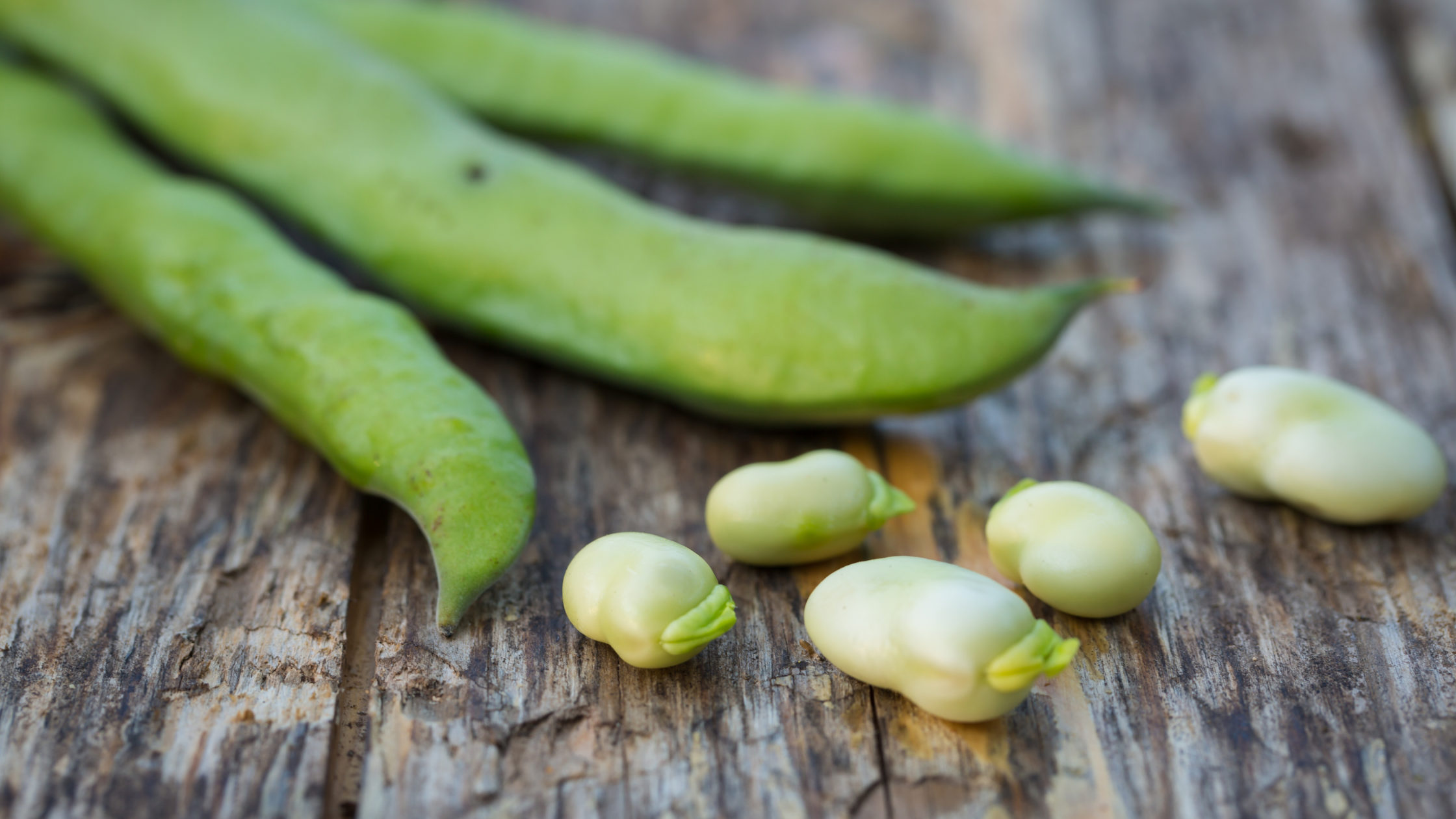
Fava Beans
Fava beans, also known as broad beans, are a beloved legume cherished for their rich flavor and versatility in culinary applications. Beyond their culinary prowess, fava beans boast a storied history intertwined with cultural significance and a plethora of health benefits. From their ancient origins to their modern-day prominence in both Eastern and Western cuisines, fava beans continue to captivate palates and nourish bodies worldwide.
The origins of fava beans trace back over 8,000 years to the Mediterranean region and ancient Egypt, where they held symbolic importance in religious rituals and were cultivated as a dietary staple. Throughout history, fava beans spread across Europe, Asia, and Africa, becoming integral to various cuisines and traditions. Their resilience, adaptability, and nutritional value ensured their enduring popularity through the ages.
Fava beans are celebrated for their impressive nutritional profile, being rich in protein, dietary fiber, vitamins, and minerals. Notably, they contain L-dopa, a precursor to dopamine, which is significant for neurological functions and may aid in managing certain health conditions. Their low cholesterol and high fiber content contribute to heart health by lowering LDL (bad) cholesterol levels, thereby reducing the risk of heart disease. Additionally, the fiber in fava beans helps stabilize blood sugar levels, making them a beneficial option for individuals with diabetes. With their nutrient density and low calorie count, fava beans are also an excellent choice for weight management. Packed with essential nutrients such as iron, folate, magnesium, and potassium, they promote overall health and well-being.
Before cooking, fava beans should be shelled and, if using fresh beans, blanched to remove the tough outer skin, which can be bitter. They can be enjoyed in a variety of dishes, including salads, soups, and stews, or mashed into spreads like fava bean dip. Cooking methods such as boiling, sautéing, or roasting can bring out their creamy texture and nutty flavor. Additionally, fava beans can be incorporated into baked goods or used as a protein-rich ingredient in vegetarian and vegan recipes.
While fava beans are packed with health benefits, individuals with glucose-6-phosphate dehydrogenase (G6PD) deficiency should be cautious when consuming them, as this genetic condition can trigger hemolytic anemia. Adverse reactions may occur in those with G6PD deficiency, leading to serious health complications. Additionally, the high fiber content of fava beans can cause digestive discomfort, such as bloating or gas, in some individuals. Furthermore, fava beans may interact with certain medications, particularly monoamine oxidase inhibitors (MAOIs) used for depression, potentially resulting in a dangerous increase in blood pressure when consumed together.
Fava beans are a staple in Eastern cuisines, prominently featured in traditional dishes such as ful medames and falafel in Middle Eastern and Mediterranean cooking. In traditional Chinese medicine (TCM), they are associated with the Liver and Spleen meridians, believed to tonify blood, nourish yin, and enhance digestion.
In Western cuisines, they are commonly used in soups, salads, and as side dishes. Additionally, fava beans are increasingly recognized in both Eastern and Western herbal practices for their potential neurological benefits.
In conclusion, fava beans stand as a testament to the enduring intersection of culinary delight and medicinal prowess. With their rich history, nutritional bounty, and diverse applications, these legumes continue to captivate taste buds and offer a plethora of health benefits across cultures and cuisines.
Ghali, H. and Mamoori, D. (2020). Hemolysis in children with glucose-6-phosphate dehydrogenase deficiency after ingestion of fava beans; facts predicting severity. Journal of Contemporary Medical Sciences, 6(6), 262-266. https://doi.org/10.22317/jcms.v6i6.851
Ladha, S., et al. (2005). Case of neuroleptic malignant‐like syndrome precipitated by abrupt fava bean discontinuance. Movement Disorders, 20(5), 630-631. https://doi.org/10.1002/mds.20380
Multari, S., et al. (2015). Potential of fava bean as future protein supply to partially replace meat intake in the human diet. Comprehensive Reviews in Food Science and Food Safety, 14(5), 511-522. https://doi.org/10.1111/1541-4337.12146
Zuccotti, G., et al. (2014). Hemolytic crisis in a g6pd-deficient infant after ingestion of pumpkin. Italian Journal of Pediatrics, 40(1). https://doi.org/10.1186/1824-7288-40-71
MyFoodData. (n.d.). Fava beans nutrition facts and health benefits. Retrieved December 13, 2024, from https://tools.myfooddata.com/nutrition-facts/168574/wt1/1
Medical Disclaimer
The information provided in this document is intended for educational and informational purposes only and should not be construed as medical advice, diagnosis, or treatment. It is essential to consult a qualified healthcare professional for any medical concerns or conditions. The content herein does not substitute for professional medical advice, and individuals should not disregard or delay seeking medical advice based on the information provided.
The authors and publishers of this document do not assume any responsibility for any adverse effects or consequences resulting from the use or application of the information contained herein. The reader is encouraged to conduct their own research and consult with healthcare providers to make informed decisions regarding their health and treatment options. Furthermore, the information presented may not reflect the most current research or medical guidelines, as medical knowledge is continually evolving. Therefore, it is imperative to verify the information with up-to-date, peer-reviewed sources and consult with medical professionals for personalized advice.