
The Sweet Elixir: Exploring the Wonders of Honeydew
Honeydew, often referred to as the “nectar of the gods,” is a delectable substance produced by aphids, scale insects, and certain species of plants. This sweet, sticky liquid has a rich history dating back centuries, with a plethora of health benefits and culinary applications. From ancient civilizations to modern times, honeydew has captivated the taste buds and provided numerous medicinal advantages.
History
The history of honeydew traces back to ancient civilizations such as the Egyptians, Greeks, and Romans, who revered it for its sweetness and believed it to possess mystical properties.
In Greek mythology, honeydew was considered the food of the gods, symbolizing immortality and abundance. It was often used in religious rituals and offerings.
Health Benefits
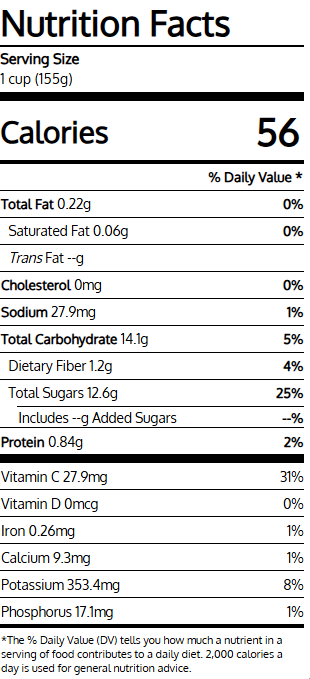
Honeydew is primarily produced by sap-feeding insects, such as aphids and scale insects, which consume plant sap rich in sugars and excrete the excess as honeydew. This process involves the ingestion of sap, digestion within the insect’s body, and excretion through specialized structures called cornicles, resulting in a concentrated solution of sugars, amino acids, and other compounds. Honeydew boasts a rich nutritional profile, serving as a natural source of carbohydrates, including glucose and fructose, which provide quick energy. Its health benefits include antioxidant properties from flavonoids and phenolic compounds that help neutralize harmful free radicals, soluble fiber that aids digestion and promotes regular bowel movements, and high water content that supports hydration, especially in hot weather or during physical activity. Additionally, the vitamins and minerals in honeydew, such as vitamin C and potassium, bolster immune function, while its hydrating properties and antioxidants may promote skin health.
Best Preparation Methods
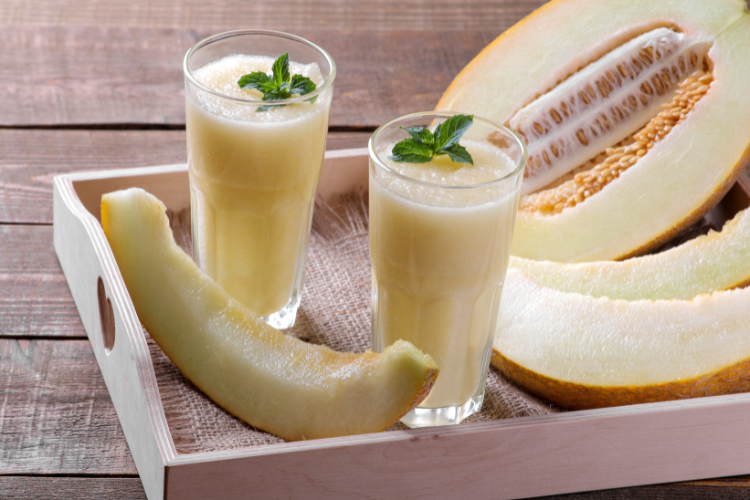
To prepare honeydew, one should start by washing the exterior to remove any dirt or contaminants. After cutting the melon in half, the seeds can be scooped out using a spoon. The flesh can then be sliced into wedges or cubes for easy consumption. Honeydew is often used in fruit salads, smoothies, and desserts, where its refreshing flavor complements other fruits. Additionally, it can be incorporated into savory dishes, such as salads or salsas, adding a sweet contrast to spicy or tangy ingredients.
Precautions and Possible Side Effects
While honeydew melon is generally safe to eat, individuals with specific health conditions should exercise caution. Those with diabetes should monitor their intake due to the fruit’s high sugar content, which can impact blood sugar levels. Additionally, individuals with allergies to honeydew or related substances should avoid it to prevent allergic reactions, which may include symptoms such as itching, swelling, or difficulty breathing. Excessive consumption of honeydew can also lead to gastrointestinal discomfort or diarrhea. Furthermore, people taking medications for diabetes or hypertension should be mindful of their honeydew intake, as it may influence blood sugar or blood pressure levels.
Eastern and Western Nutrition
In traditional Chinese medicine (TCM), honeydew is regarded for its cooling properties and is linked to the Lung and Stomach meridians, which are believed to support respiratory function and digestion, respectively. By tonifying the Lung and Stomach meridians, honeydew is thought to help balance qi (vital energy) and promote overall health and well-being.It is utilized to clear heat, alleviate dryness, and enhance lung health. Similarly, in Western herbal medicine, honeydew is recognized for its soothing and hydrating effects, making it a natural remedy for coughs, sore throats, and respiratory issues.
Final Thoughts
In conclusion, honeydew is not only a delicious treat but also a versatile ingredient with numerous health benefits. Whether enjoyed fresh or incorporated into various dishes and beverages, honeydew offers a refreshing way to hydrate, nourish the body, and support overall health. However, it is essential to consume honeydew in moderation and consult with a healthcare professional if you have any underlying health conditions or concerns.
More Articles You May Like
The Therapeutic Potential of Herbs and Spices
The utilization of herbs and spices in Traditional Chinese Medicine (TCM) and Ayurvedic medicine exemplifies the profound interconnection between culinary practices and health. For centuries, these natural ingredients have been integral to holistic health systems, serving not only as flavor enhancers in diverse cuisines but also as potent therapeutic agents. In TCM, herbs are meticulously selected based on their properties to restore balance and harmony within the body, while Ayurvedic practices emphasize the use of spices to support digestion, enhance vitality, and prevent disease. This...
The Role of Essential Minerals
Minerals are inorganic elements that play a fundamental role in numerous physiological processes essential for human health. Unlike macronutrients such as carbohydrates, proteins, and fats, which provide energy, minerals are crucial for a variety of functions, including structural support, enzymatic reactions, and the regulation of metabolic pathways. The human body requires a range of minerals, categorized into macrominerals (needed in larger amounts) and trace minerals (required in smaller quantities), each serving distinct and vital roles. The significance of these essential minerals...
Recipe Template
Stuffed Acorn Squash A delicious and hearty stuffed acorn squash recipe, perfect for a cozy dinner. This dish combines sweet, savory, and nutty flavors, making it a favorite for fall and winter meals. Print Recipe SCREEN LOCKPrevent your screen from going dark Prep Time 15 minutes minsCook Time 45 minutes mins Course Main CourseCuisine American Servings 4Calories 350 kcal Ingredients 1x2x3xFor the Squash:2 medium acorn squashes (halved and seeds removed)1 tbsp olive oil½ tsp salt¼ tsp black pepperFor the Filling:1 tbsp olive...
Magnesium
Magnesium is an essential mineral that plays a vital role in numerous physiological functions, including energy production, muscle contraction, and nerve transmission. Given its importance, various forms of magnesium supplements are available, each with unique properties, benefits, and absorption characteristics. This article discusses the different types of magnesium, their benefits, natural sources, daily requirements, and a comparative analysis to help individuals choose the most suitable form for their needs. Additionally, we will explore how magnesium is synthesized in laboratories,...
References
Aly-Aldin, M. (2022). Influence of honeydew melon, (cucumis melo l.) fruit fractions on the diabetic hypercholesterolemic rats. Egyptian Academic Journal of Biological Sciences B Zoology, 14(2), 89-100. https://doi.org/10.21608/eajbsz.2022.251818
Aminu, I., Gambo, A., & Yankuzo, M. (2020). Physico-chemical characteristics of sokoto locally grown cucumis melo l (honeydew melon) seed oil. Annals of Clinical and Experimental Medicine, 1(1), 58-62. https://doi.org/10.47838/acem.26011977.11162020.asmeda.9.0
Chikhala, T. (2024). Utilizing xanthan gum coatings as probiotic bacteria carriers to enhance postharvest quality and antioxidants in fresh-cut cantaloupe and honeydew (cucumis melo l.) melons. Foods, 13(6), 940. https://doi.org/10.3390/foods13060940
Ganji, S., Singh, H., & Friedman, M. (2019). Phenolic content and antioxidant activity of extracts of 12 melon (cucumis melo) peel powders prepared from commercial melons. Journal of Food Science, 84(7), 1943-1948. https://doi.org/10.1111/1750-3841.14666
Opara, U. and Al-Ani, M. (2010). Antioxidant contents of pre‐packed fresh‐cut versus whole fruit and vegetables. British Food Journal, 112(8), 797-810. https://doi.org/10.1108/00070701011067424
Seraglio, S., Silva, B., Bergamo, G., Brugnerotto, P., Gonzaga, L., Fett, R., … & Costa, A. (2019). An overview of physicochemical characteristics and health-promoting properties of honeydew honey. Food Research International, 119, 44-66. https://doi.org/10.1016/j.foodres.2019.01.028
Zeb, A. (2016). Phenolic profile and antioxidant activity of melon (cucumis melo l.) seeds from pakistan. Foods, 5(4), 67. https://doi.org/10.3390/foods5040067
MyFoodData. (n.d.). *Honeydew melon nutrition facts*. Retrieved January 13, 2024, from https://tools.myfooddata.com/nutrition-facts/2709241/wt8/1
Medical Disclaimer
The information provided in this document is intended for educational and informational purposes only and should not be construed as medical advice, diagnosis, or treatment. It is essential to consult a qualified healthcare professional for any medical concerns or conditions. The content herein does not substitute for professional medical advice, and individuals should not disregard or delay seeking medical advice based on the information provided.
The authors and publishers of this document do not assume any responsibility for any adverse effects or consequences resulting from the use or application of the information contained herein. The reader is encouraged to conduct their own research and consult with healthcare providers to make informed decisions regarding their health and treatment options. Furthermore, the information presented may not reflect the most current research or medical guidelines, as medical knowledge is continually evolving. Therefore, it is imperative to verify the information with up-to-date, peer-reviewed sources and consult with medical professionals for personalized advice.