
The Crisp Companion: Exploring the World of Iceberg Lettuce
Iceberg lettuce, also known as crisphead lettuce or head lettuce, has long been a staple in salads, sandwiches, and various culinary dishes. Its mild flavor and crisp texture make it a popular choice for both home cooks and chefs alike. Beyond its culinary uses, iceberg lettuce also holds nutritional value and potential health benefits.
History
Believed to have originated in ancient Egypt over 4,000 years ago, iceberg lettuce has a rich history dating back to ancient civilizations. It was later introduced to the Mediterranean region and eventually found its way to North America in the late 19th century.
Its name “iceberg” is attributed to the method of transportation used to ship the lettuce from growing regions. Harvested in the cool season, the lettuce heads were packed in ice, preserving their freshness during transit.
Health Benefits
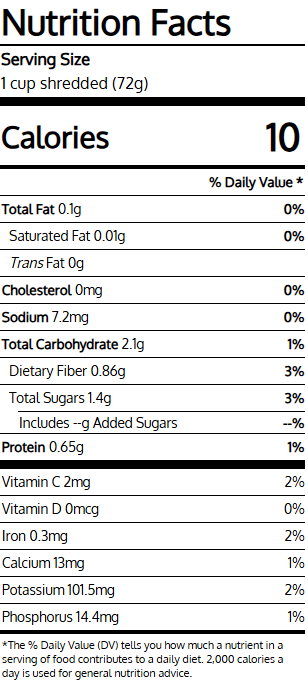
Iceberg lettuce is characterized by its crisp texture, attributed to its high water content, which can reach up to 95%. This hydration not only provides a refreshing crunch but also contributes to its nutritional profile, as iceberg lettuce contains dietary fiber, vitamins such as vitamin K and vitamin A, and minerals like potassium and calcium. The consumption of iceberg lettuce offers several health benefits, including hydration, nutrient density, digestive health support through its fiber content, and assistance in weight management due to its low calorie and high water content. However, individuals with certain health conditions should exercise caution; those with hypothyroidism may need to moderate their intake of cruciferous vegetables like iceberg lettuce due to their goitrogenic properties, and individuals prone to calcium oxalate kidney stones should limit foods high in oxalates, including iceberg lettuce, to mitigate the risk of stone formation.
Best Preparation Methods
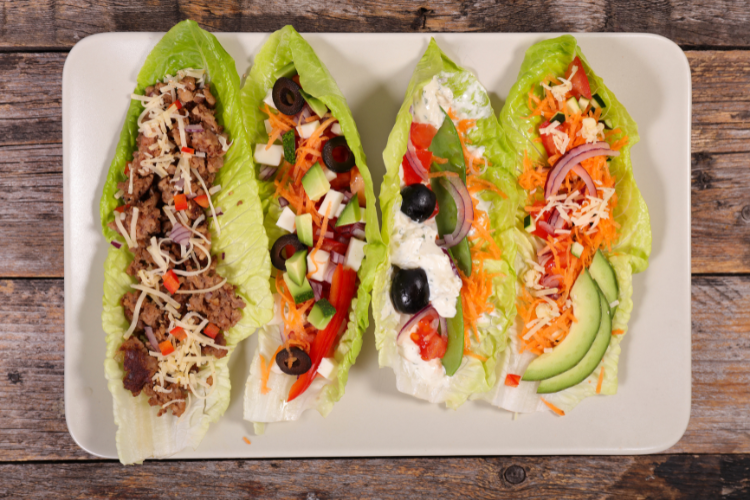
To prepare iceberg lettuce, one should first wash the heads thoroughly under cold running water to remove any dirt or contaminants, followed by drying them using a salad spinner or paper towels. The outer leaves can be removed if they appear wilted or damaged. For salads, the lettuce is typically cut into wedges or shredded, allowing it to be combined with other fresh ingredients such as tomatoes, cucumbers, and dressings. In sandwiches and wraps, iceberg lettuce serves as a crunchy layer that enhances texture and freshness. Additionally, it can be used in stir-fries or as a garnish for various dishes, providing a refreshing contrast to richer flavors. Proper storage techniques, such as modified atmosphere packaging, can help maintain the quality and extend the shelf life of fresh-cut iceberg lettuce, preventing browning and spoilage.
Precautions and Possible Side Effects
While iceberg lettuce offers numerous health benefits, there are several considerations to keep in mind when consuming it. Some individuals may experience allergic reactions to specific proteins in lettuce, leading to symptoms such as itching, swelling, or difficulty breathing. Additionally, like other leafy greens, iceberg lettuce is vulnerable to bacterial contamination, particularly from E. coli; therefore, it is crucial to wash it thoroughly before consumption to minimize the risk of foodborne illness. Although generally safe to eat, excessive intake of iceberg lettuce may result in digestive discomfort, such as bloating or gas, due to its high fiber content, and could contribute to water retention in sensitive individuals because of its significant water content. While iceberg lettuce is not known to have major interactions with medications or other foods, those on blood-thinning medications should be cautious with large quantities due to its vitamin K content, which can influence blood clotting.
Eastern and Western Nutrition
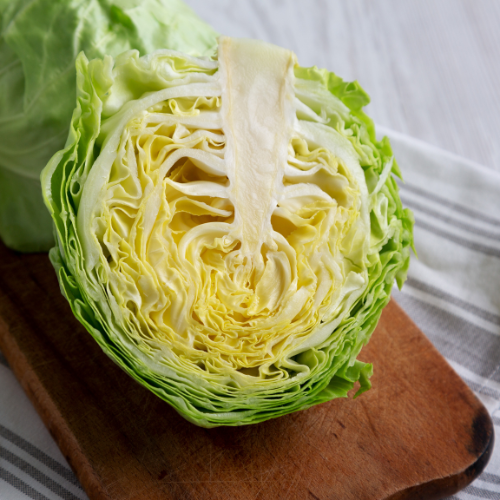
Iceberg lettuce is a versatile ingredient found in both Eastern and Western cuisines. In Asian culinary traditions, it is frequently incorporated into salads, spring rolls, and stir-fries, contributing a crisp and refreshing quality to these dishes. Conversely, in Western cuisines, iceberg lettuce is a fundamental component of salads, sandwiches, and wraps, valued for its mild flavor and crunchy texture. Additionally, in traditional Chinese medicine (TCM), iceberg lettuce is linked to the Lung and Liver meridians and is thought to possess cooling properties that aid in heat clearance and detoxification of the body.
Final Thoughts
Iceberg lettuce’s mild flavor, crisp texture, and nutritional profile make it a versatile and popular vegetable in cuisines around the world. While it may not boast the same nutrient density as darker leafy greens, its hydration properties, fiber content, and essential vitamins and minerals offer various health benefits. By incorporating iceberg lettuce into a balanced diet, individuals can enjoy its refreshing taste while supporting overall health and wellness.
More Articles You May Like
The Therapeutic Potential of Herbs and Spices
The utilization of herbs and spices in Traditional Chinese Medicine (TCM) and Ayurvedic medicine exemplifies the profound interconnection between culinary practices and health. For centuries, these natural ingredients have been integral to holistic health systems, serving not only as flavor enhancers in diverse cuisines but also as potent therapeutic agents. In TCM, herbs are meticulously selected based on their properties to restore balance and harmony within the body, while Ayurvedic practices emphasize the use of spices to support digestion, enhance vitality, and prevent disease. This...
The Role of Essential Minerals
Minerals are inorganic elements that play a fundamental role in numerous physiological processes essential for human health. Unlike macronutrients such as carbohydrates, proteins, and fats, which provide energy, minerals are crucial for a variety of functions, including structural support, enzymatic reactions, and the regulation of metabolic pathways. The human body requires a range of minerals, categorized into macrominerals (needed in larger amounts) and trace minerals (required in smaller quantities), each serving distinct and vital roles. The significance of these essential minerals...
Recipe Template
Stuffed Acorn Squash A delicious and hearty stuffed acorn squash recipe, perfect for a cozy dinner. This dish combines sweet, savory, and nutty flavors, making it a favorite for fall and winter meals. Print Recipe SCREEN LOCKPrevent your screen from going dark Prep Time 15 minutes minsCook Time 45 minutes mins Course Main CourseCuisine American Servings 4Calories 350 kcal Ingredients 1x2x3xFor the Squash:2 medium acorn squashes (halved and seeds removed)1 tbsp olive oil½ tsp salt¼ tsp black pepperFor the Filling:1 tbsp olive...
Magnesium
Magnesium is an essential mineral that plays a vital role in numerous physiological functions, including energy production, muscle contraction, and nerve transmission. Given its importance, various forms of magnesium supplements are available, each with unique properties, benefits, and absorption characteristics. This article discusses the different types of magnesium, their benefits, natural sources, daily requirements, and a comparative analysis to help individuals choose the most suitable form for their needs. Additionally, we will explore how magnesium is synthesized in laboratories,...
References
Fan, X., Sokorai, K., Niemira, B., Mills, R., & Zhen, M. (2012). Quality of gamma ray-irradiated iceberg lettuce and treatments to minimize irradiation-induced disorders. Hortscience, 47(8), 1108-1112. https://doi.org/10.21273/hortsci.47.8.1108
Hoque, M., Ajwa, H., Othman, M., Smith, R., & Cahn, M. (2010). Yield and postharvest quality of lettuce in response to nitrogen, phosphorus, and potassium fertilizers. Hortscience, 45(10), 1539-1544. https://doi.org/10.21273/hortsci.45.10.1539
Kim, J., Chung, H., Cho, J., & Yoon, K. (2013). Evaluation of models describing the growth of nalidixic acid-resistant e. coli o157:h7 in blanched spinach and iceberg lettuce as a function of temperature. International Journal of Environmental Research and Public Health, 10(7), 2857-2870. https://doi.org/10.3390/ijerph10072857
Moreira, M., Santos, C., Lucas, A., Bianchini, F., Souza, I., & Viégas, P. (2014). Lettuce production according to different sources of organic matter and soil cover. Agricultural Sciences, 05(02), 99-105. https://doi.org/10.4236/as.2014.52013
Otto, R., Niesing, P., Cortez, M., & Oliveira, A. (2013). Microclimatic modifications and productive responses of the iceberg lettuce (lactuca sativa) in protected environments. Revista Ciência Agronômica, 44(4), 878-884. https://doi.org/10.1590/s1806-66902013000400026
Pang, Y. and Hung, Y. (2016). Efficacy of slightly acidic electrolyzed water and uv‐ozonated water combination for inactivating escherichia coli o157:h7 on romaine and iceberg lettuce during spray washing process. Journal of Food Science, 81(7). https://doi.org/10.1111/1750-3841.13364
Sajjad, N. (2020). Effect of organic fertilizers on physical attribute and organoleptic properties of lettuce varieties. Pure and Applied Biology, 9(2). https://doi.org/10.19045/bspab.2020.90172
MyFoodData. (n.d.). *Iceberg lettuce nutrition facts*. Retrieved December 16, 2024, from https://tools.myfooddata.com/nutrition-facts/169248/wt1/1
Medical Disclaimer
The information provided in this document is intended for educational and informational purposes only and should not be construed as medical advice, diagnosis, or treatment. It is essential to consult a qualified healthcare professional for any medical concerns or conditions. The content herein does not substitute for professional medical advice, and individuals should not disregard or delay seeking medical advice based on the information provided.
The authors and publishers of this document do not assume any responsibility for any adverse effects or consequences resulting from the use or application of the information contained herein. The reader is encouraged to conduct their own research and consult with healthcare providers to make informed decisions regarding their health and treatment options. Furthermore, the information presented may not reflect the most current research or medical guidelines, as medical knowledge is continually evolving. Therefore, it is imperative to verify the information with up-to-date, peer-reviewed sources and consult with medical professionals for personalized advice.