
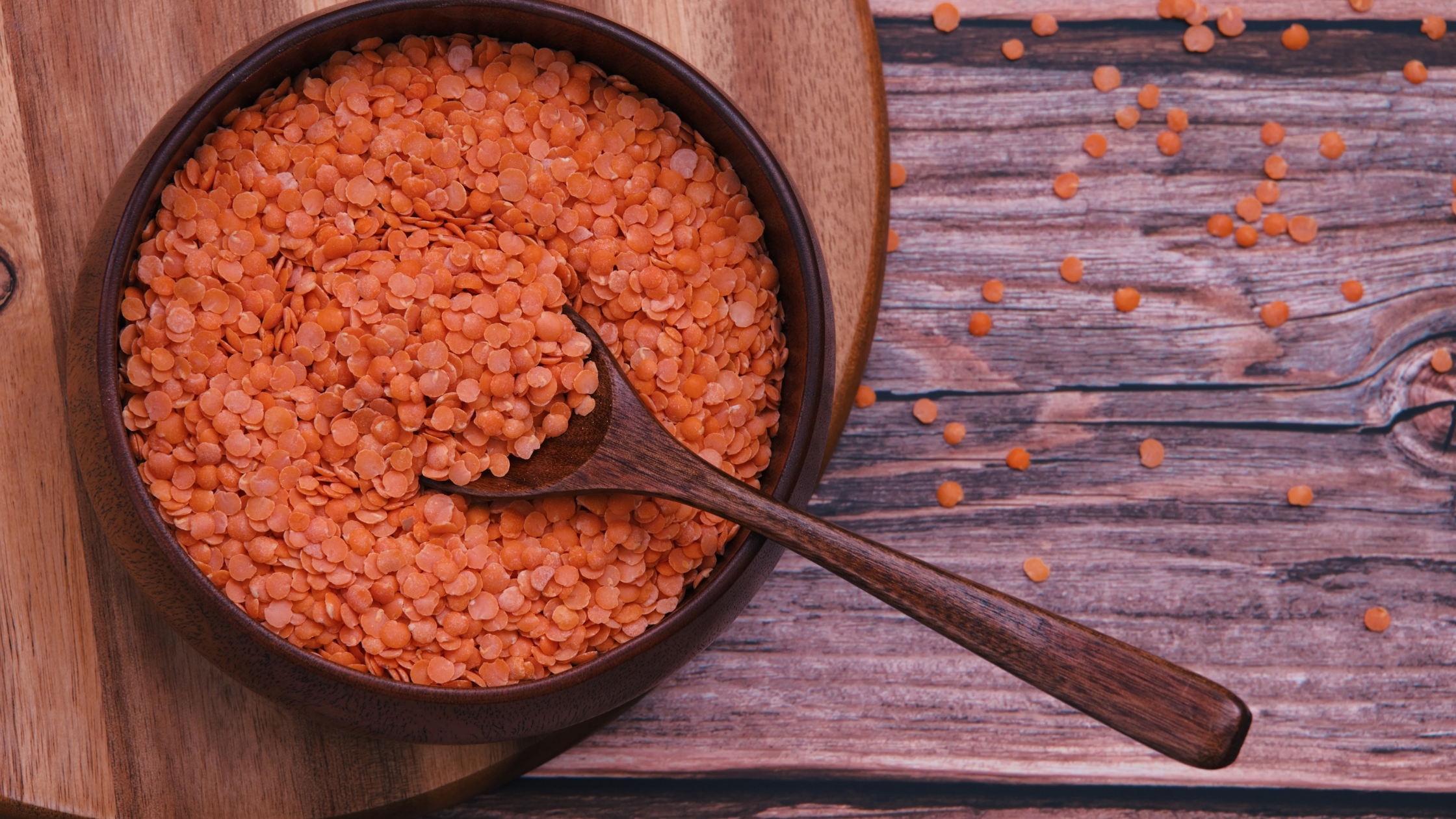
Lentil Beans
Lentil beans, scientifically known as Lens culinaris, have long been revered as a staple food in various cuisines around the world. These humble legumes pack a powerful punch when it comes to nutrition and health benefits. From their rich history dating back thousands of years to their versatility in culinary applications, lentils continue to be a popular choice for those seeking to enhance their diet with nutrient-dense foods.
Lentils have a storied history, with evidence of their cultivation dating back to ancient times. Originating in the Near East and Mediterranean regions, lentils were among the first crops domesticated by early human civilizations. Their cultivation spIn ancient Egypt, lentils were a dietary staple, and they were even found in the tombs of pharaohs, indicating their importance in both daily life and ceremonial rituals. Lentils were also mentioned in the Bible, where they were valued for their nutritional properties.read throughout Europe, Asia, and Africa, becoming a dietary staple for many cultures.
Lentils are highly regarded for their exceptional nutritional value, providing a powerful combination of protein, fiber, vitamins, and minerals that contribute to overall health. Their multifaceted mechanism of action includes being an excellent source of plant-based protein, which is crucial for building and repairing tissues, supporting immune function, and maintaining muscle mass, making them particularly valuable in vegetarian and vegan diets. Additionally, lentils are rich in both soluble and insoluble fiber, promoting digestive health by facilitating regular bowel movements, preventing constipation, and potentially reducing the risk of colon cancer. The fiber content also aids in stabilizing blood sugar levels and improving cholesterol profiles. Nutrient-dense, lentils are packed with essential nutrients such as folate, iron, potassium, and manganese, which play vital roles in red blood cell production, nerve function, and antioxidant defense.
The health benefits associated with lentil consumption are numerous, including improved heart health due to their soluble fiber content, which can lower LDL cholesterol levels and reduce cardiovascular disease risk, as well as their potassium content that supports healthy blood pressure. Furthermore, the fiber and complex carbohydrates in lentils help regulate blood sugar levels, making them an excellent choice for individuals with diabetes. Their low fat and calorie content, combined with high protein and fiber, promote satiety, aiding in weight management and weight loss efforts. Lastly, the fiber in lentils not only supports digestive health but also contains resistant starch, which acts as a prebiotic, nourishing beneficial gut bacteria.
In Eastern cuisines, lentils are often featured in dishes such as dals, soups, and curries, providing a rich source of protein and fiber, making them a staple in vegetarian and vegan diets. In Western culinary practices, lentils are commonly incorporated into soups, stews, salads, and side dishes, serving as a nutritious alternative to meat. Their relatively short cooking time and pleasant aroma enhance their appeal, allowing for easy integration into meals without extensive preparation. Additionally, lentils can be used in innovative ways, such as in dressings and snacks, showcasing their adaptability in modern cooking.
While lentils are celebrated for their numerous health benefits, there are several considerations to keep in mind regarding their consumption. Some individuals may experience increased gas production and bloating due to the high fiber content of lentils. To mitigate these effects, it is advisable to gradually increase intake and ensure that lentils are thoroughly cooked. Additionally, lentils contain antinutrients such as phytic acid and lectins, which can inhibit the absorption of certain minerals and may cause digestive discomfort in some people; soaking, sprouting, or cooking lentils can help reduce these antinutrient levels. Although rare, allergic reactions to lentils can occur, manifesting as symptoms like itching, hives, or difficulty breathing, so individuals with known legume allergies should avoid lentils or consult a healthcare professional prior to consumption. While lentils are generally safe for most people, potential side effects may include gas, bloating, allergic reactions, and digestive discomfort. They are not known to significantly interact with medications or other foods; however, individuals taking medications for blood sugar control or blood pressure management should monitor their intake and consult a healthcare professional if making substantial dietary changes.
Lentils have been integral to traditional cuisines worldwide for centuries, featuring prominently in dishes from the Middle East, India, Europe, and beyond. In Eastern culinary practices, lentils are often highlighted in vegetarian and vegan recipes, such as dals, soups, and curries, where they serve as a vital source of protein and substance.
Conversely, in Western cuisines, lentils are commonly incorporated into soups, stews, salads, and side dishes, providing a nutritious alternative to meat and other animal products. Their versatility has made them a favored ingredient among health-conscious cooks seeking to enhance the nutritional profile of their meals. Additionally, in traditional Chinese medicine (TCM), lentils are linked to the spleen and stomach meridians, where they are believed to have nourishing and strengthening effects that support digestive function and overall vitality.
Lentil beans are a nutritional powerhouse with a rich history and numerous health benefits, including supporting heart health, blood sugar regulation, and digestion. Their versatility and role in both Eastern and Western traditions make them a timeless addition to any diet. Proper preparation ensures maximum benefits, allowing us to celebrate their value in global cuisines and overall well-being.
DellaValle, D., Vandenberg, A., & Glahn, R. (2013). Seed coat removal improves iron bioavailability in cooked lentils: studies using an in vitro digestion/caco-2 cell culture model. Journal of Agricultural and Food Chemistry, 61(34), 8084-8089. https://doi.org/10.1021/jf4022916
Ganesan, K. and Xu, B. (2017). Polyphenol-rich lentils and their health promoting effects. International Journal of Molecular Sciences, 18(11), 2390. https://doi.org/10.3390/ijms18112390
Han, A., Park, H., Kim, G., Kim, B., Kim, Y., Park, H., … & Choi, H. (2021). 18:0 lyso pc derived by bioactivity-based molecular networking from lentil mutant lines and its effects on high-fat diet-induced obese mice. Molecules, 26(24), 7547. https://doi.org/10.3390/molecules26247547
Scippa, G., Rocco, M., Ialicicco, M., Trupiano, D., Viscosi, V., Michele, M., … & Scaloni, A. (2010). The proteome of lentil (lens culinaris medik.) seeds: discriminating between landraces. Electrophoresis, 31(3), 497-506. https://doi.org/10.1002/elps.200900459
Shaboyan, G. (2024). Biochemical analyses in the icarda collection of unique dried materials of lentils. Bioactive Compounds in Health and Disease, 7(2), 131-140. https://doi.org/10.31989/bchd.v7i2.1291
Sánchez-García, J., Asensio-Grau, A., García-Hernández, J., Heredia, A., & Andrés, A. (2022). Nutritional and antioxidant changes in lentil and quinoa induced by fungal solid-state fermentation with pleurotus ostreatus.. https://doi.org/10.21203/rs.3.rs-1418955/v1
Sánchez-García, J., Asensio-Grau, A., García-Hernández, J., Heredia, A., & Andrés, A. (2022). Nutritional and antioxidant changes in lentils and quinoa through fungal solid-state fermentation with pleurotus ostreatus. Bioresources and Bioprocessing, 9(1). https://doi.org/10.1186/s40643-022-00542-2
MyFoodData. (n.d.). Lentils nutrition facts and health benefits. Retrieved December 17, 2024, from https://tools.myfooddata.com/nutrition-facts/172420/wt1/1
Medical Disclaimer
The information provided in this document is intended for educational and informational purposes only and should not be construed as medical advice, diagnosis, or treatment. It is essential to consult a qualified healthcare professional for any medical concerns or conditions. The content herein does not substitute for professional medical advice, and individuals should not disregard or delay seeking medical advice based on the information provided.
The authors and publishers of this document do not assume any responsibility for any adverse effects or consequences resulting from the use or application of the information contained herein. The reader is encouraged to conduct their own research and consult with healthcare providers to make informed decisions regarding their health and treatment options. Furthermore, the information presented may not reflect the most current research or medical guidelines, as medical knowledge is continually evolving. Therefore, it is imperative to verify the information with up-to-date, peer-reviewed sources and consult with medical professionals for personalized advice.