
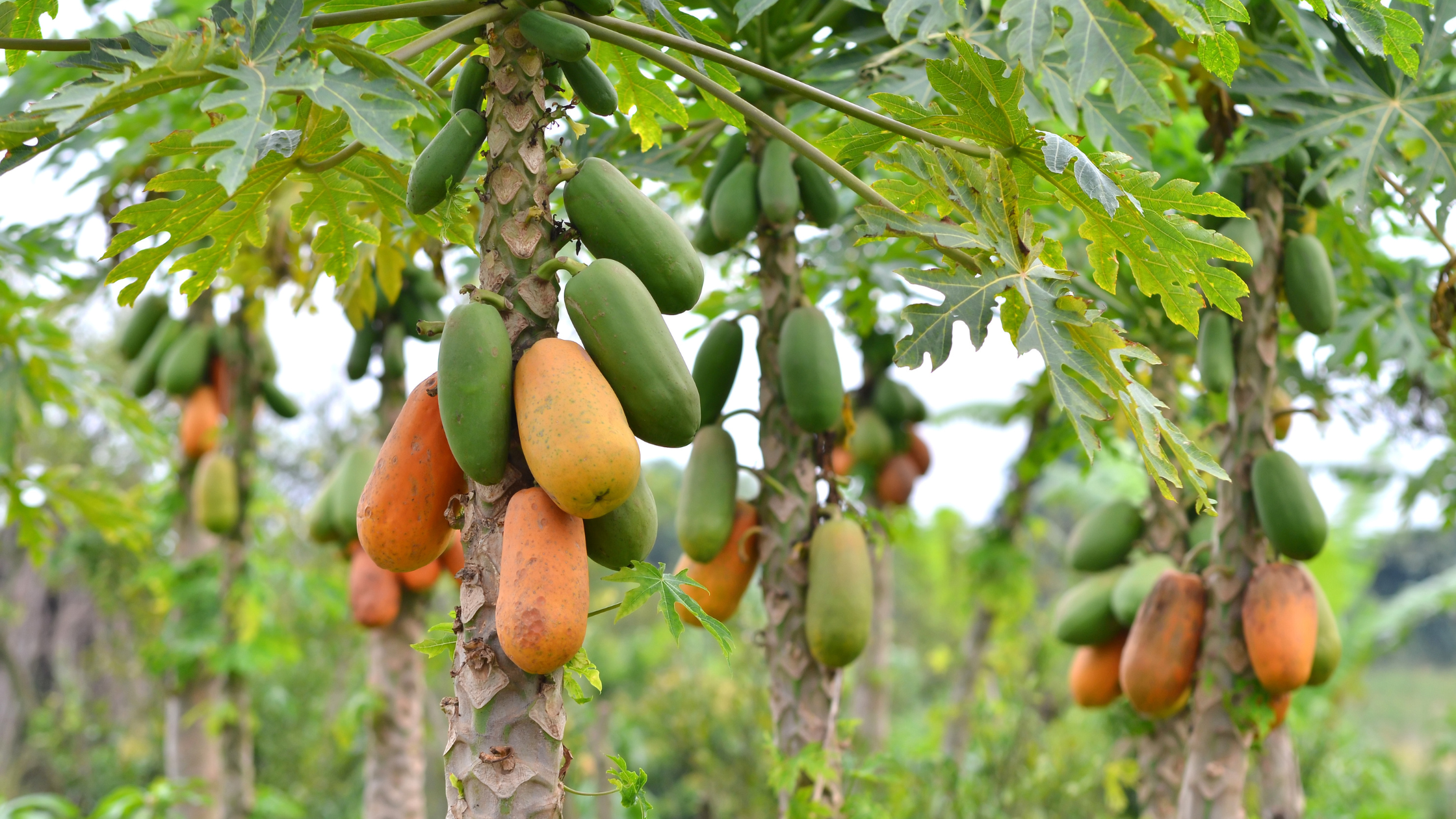
Papaya
Papaya, scientifically known as Carica papaya, is a tropical fruit celebrated not only for its sweet taste but also for its plethora of health benefits. Believed to have originated in southern Mexico and Central America, papaya has journeyed across continents and is now cultivated in various tropical and subtropical regions worldwide. Renowned for its rich nutritional profile and medicinal properties, papaya has carved its place in traditional medicine systems and contemporary wellness practices alike.
History
The history of papaya dates back centuries, with evidence suggesting its cultivation in Mesoamerica as early as 800 AD. Indigenous peoples of Central America revered the papaya not only as a food source but also for its medicinal properties. The fruit’s cultivation spread across the globe, with Spanish and Portuguese explorers introducing it to regions like Asia and Africa during the Age of Exploration. Since then, papaya has been integrated into diverse cuisines and traditional medicine practices worldwide.
Health Benefits
Papaya derives its therapeutic properties from a rich composition of bioactive compounds, including vitamins, minerals, antioxidants, and enzymes. Notably, one of its key enzymes, papain, exhibits proteolytic activity that aids in protein digestion, while other enzymes such as chymopapain are recognized for their anti-inflammatory effects. This unique enzyme profile, combined with antioxidants like vitamin C and flavonoids, contributes to the potential health benefits of papaya. Among its myriad advantages, papaya promotes digestive health by alleviating issues such as bloating and constipation through the action of enzymes like papain.
Additionally, its high vitamin C content bolsters immune support, enhancing the body’s ability to fend off infections. The presence of vitamins C and E in papaya also supports skin health by promoting collagen production and protecting against oxidative damage. Furthermore, the fruit’s potassium and fiber content contribute to heart health by helping to regulate blood pressure and cholesterol levels. Lastly, the anti-inflammatory properties of enzymes like chymopapain may provide relief from conditions such as arthritis and muscle soreness.
Papaya is widely utilized in culinary applications across various cultures, celebrated for its versatility and nutritional benefits. The ripe fruit is often consumed fresh, adding a sweet and tropical flavor to salads, smoothies, and desserts. In particular, dishes such as Thai green papaya salad highlight the use of unripe papaya, which is shredded and mixed with ingredients like lime, chili, and fish sauce, creating a refreshing and tangy dish. Additionally, papaya can be processed into powders for use in various food products, such as ice cream flavors and cereals, enhancing their nutritional profile. The fruit is also valued for its enzyme, papain, which is commonly used as a meat tenderizer, showcasing its multifaceted role in both traditional and modern culinary practices.
Precautions and Possible Side Effects
While papaya is associated with numerous health benefits, certain individuals should exercise caution or avoid its consumption altogether. Those with latex allergies may experience cross-reactivity to papaya because of the presence of similar proteins. Additionally, individuals on anticoagulant medications are advised to consult healthcare professionals before consuming papaya, as it may exhibit mild blood-thinning properties that could interfere with medication efficacy. Although generally safe for most people, excessive intake of papaya, particularly in supplement form, may lead to gastrointestinal discomfort or allergic reactions in sensitive individuals. Furthermore, unripe papaya contains higher concentrations of latex, which can trigger allergic responses or digestive disturbances in some individuals. Therefore, it is essential for those at risk to be mindful of their papaya consumption to avoid potential adverse effects.
In traditional medicine systems such as Ayurveda and Traditional Chinese Medicine (TCM), papaya is highly regarded for its medicinal properties. In Ayurveda, it is thought to pacify the Pitta dosha and is commonly recommended for addressing digestive ailments and skin conditions.
Similarly, in TCM, papaya is linked to the Stomach and Spleen meridians, which are believed to play a crucial role in digestion, metabolism, and nutrient absorption. This association underscores papaya’s traditional use in promoting digestive health, alleviating inflammation, and enhancing overall vitality, reflecting its significance in both Ayurvedic and TCM practices.
Final Thoughts
In conclusion, papaya stands as a versatile fruit celebrated for its delicious flavor and impressive array of health benefits. Whether consumed fresh, dried, or juiced, papaya offers a bounty of nutrients and bioactive compounds that promote overall well-being. While it is generally safe for consumption, individuals with specific health concerns or allergies should exercise caution and consult healthcare professionals before incorporating papaya into their diet. Embracing the rich history and diverse applications of papaya can unlock its full potential as a nutritional powerhouse and a valuable component of holistic health and wellness practices.
Ebo, D., Sainte-Laudy, J., Bridts, C., Mertens, C., Hagendorens, M., Schuerwegh, A., … & Stevens, W. (2006). Flow‐assisted allergy diagnosis: current applications and future perspectives. Allergy, 61(9), 1028-1039. https://doi.org/10.1111/j.1398-9995.2006.01039.x
Focke, M., Hemmer, W., Wöhrl, S., Götz, M., & Jarisch, R. (2003). Cross‐reactivity between ficus benjamina latex and fig fruit in patients with clinical fig allergy. Clinical & Experimental Allergy, 33(7), 971-977. https://doi.org/10.1046/j.1365-2222.2003.01704.x
García-Villegas, A., Rojas-García, A., Villegas-Aguilar, M., Fernández-Moreno, P., Fernández-Ochoa, Á., Cádiz-Gurrea, M., … & Segura‐Carretero, A. (2022). Cosmeceutical potential of major tropical and subtropical fruit by-products for a sustainable revalorization. Antioxidants, 11(2), 203. https://doi.org/10.3390/antiox11020203
Qadri, O., Osama, K., & Srivastava, A. (2020). Foam mat drying of papaya using microwaves: machine learning modeling. Journal of Food Process Engineering, 43(6). https://doi.org/10.1111/jfpe.13394
Rojas-Mandujano, V., González-Juárez, K., Hernández-Fernández, C., O’Farrill-Romanillos, P., Rivero, L., & Herrera-Sánchez, D. (2018). Síndrome látex-papaya: una asociación poco frecuente. Revista Alergia México, 65(1), 3-9. https://doi.org/10.29262/ram.v65i1.302
Santana, L., Inada, A., Santo, B., Filiú, W., Pott, A., Alves, F., … & Hiane, P. (2019). Nutraceutical potential of carica papaya in metabolic syndrome. Nutrients, 11(7), 1608. https://doi.org/10.3390/nu11071608
MyFoodData. (n.d.). Papaya nutrition facts and health benefits. Retrieved January 3, 2025, from https://tools.myfooddata.com/nutrition-facts/169926/wt1/1
Medical Disclaimer
The information provided in this document is intended for educational and informational purposes only and should not be construed as medical advice, diagnosis, or treatment. It is essential to consult a qualified healthcare professional for any medical concerns or conditions. The content herein does not substitute for professional medical advice, and individuals should not disregard or delay seeking medical advice based on the information provided.
The authors and publishers of this document do not assume any responsibility for any adverse effects or consequences resulting from the use or application of the information contained herein. The reader is encouraged to conduct their own research and consult with healthcare providers to make informed decisions regarding their health and treatment options. Furthermore, the information presented may not reflect the most current research or medical guidelines, as medical knowledge is continually evolving. Therefore, it is imperative to verify the information with up-to-date, peer-reviewed sources and consult with medical professionals for personalized advice.