
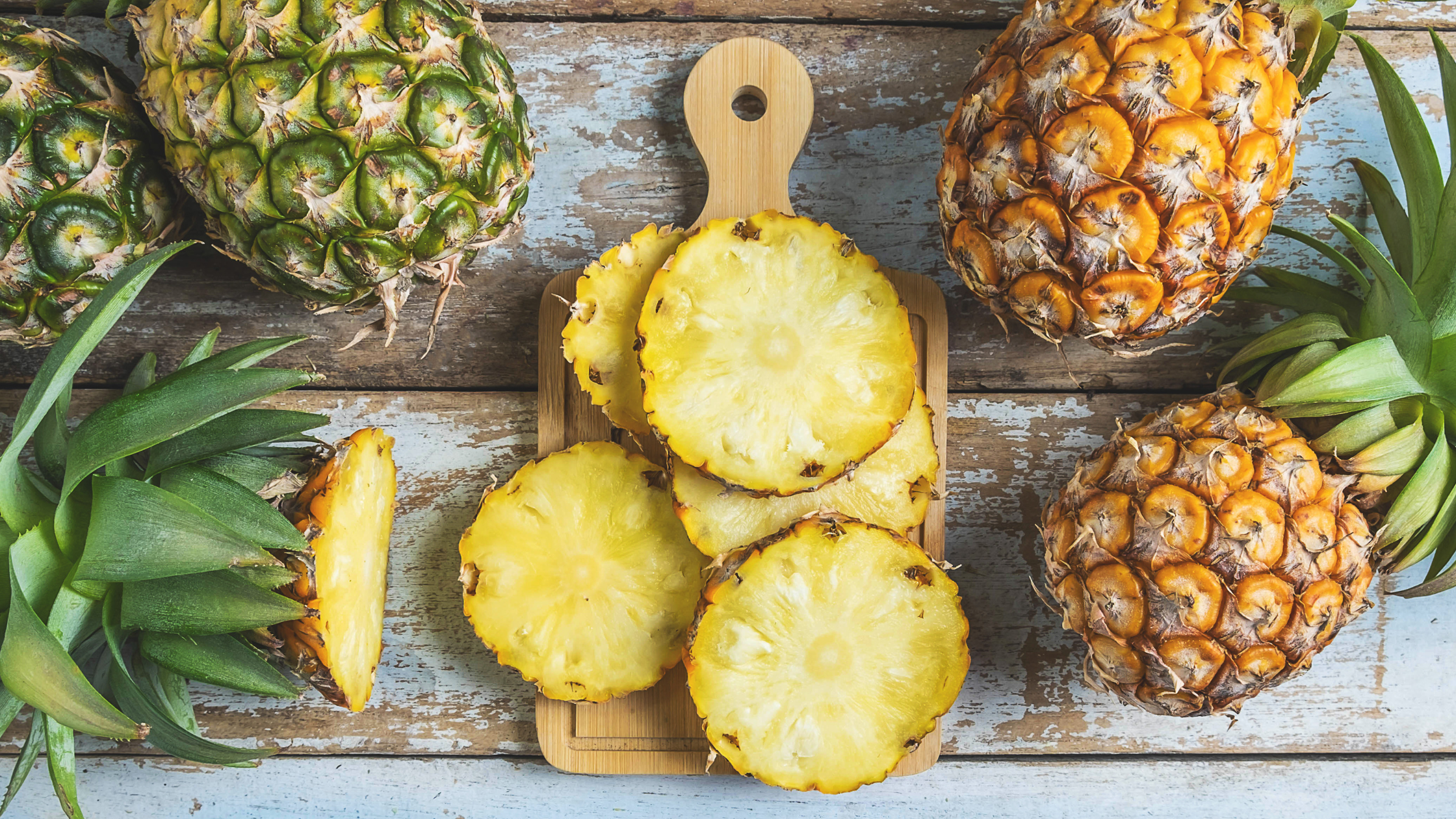
Pineapple
Pineapple, with its sweet and tangy flavor, has captivated taste buds around the world for centuries. Beyond its delicious taste, this tropical fruit boasts a plethora of health benefits and a fascinating history. From its origins in South America to its widespread cultivation today, the pineapple holds a unique place in both culinary and medicinal traditions.
History
The pineapple, scientifically known as Ananas comosus, is native to South America, particularly the region encompassing Paraguay, Brazil, and Argentina. Indigenous peoples of these regions, such as the Guarani tribes, were among the first to cultivate and consume pineapple. When Christopher Columbus encountered the fruit in 1493 during his second voyage to the Americas, he dubbed it “piña” due to its resemblance to pine cones, leading to its English name, pineapple.
Health Benefits
A significant aspect of pineapple’s health benefits is attributed to its enzyme bromelain, which is primarily found in the stem and juice of the fruit. Bromelain is a mixture of proteolytic enzymes that aids digestion by breaking down proteins, thereby improving gastrointestinal health and alleviating symptoms of indigestion. In addition to its digestive benefits, bromelain possesses potent anti-inflammatory properties, making it valuable for treating conditions such as osteoarthritis and sports injuries by reducing pain and swelling. Furthermore, pineapple is rich in vitamin C, which supports the immune system and helps the body combat infections. The manganese content in pineapple also contributes to improved bone health by promoting bone formation and mineralization. Collectively, these components highlight the multifaceted health benefits of pineapple.
Fresh pineapple can be consumed as a sweet snack or used in fruit salads, while its juice is a popular base for cocktails and marinades. The fruit’s natural sweetness and acidity make it an excellent addition to savory dishes, such as stir-fries and grilled meats, where it can enhance flavor profiles and tenderize proteins due to the presence of bromelain, a natural enzyme. Additionally, pineapple is often incorporated into baked goods, such as cakes and breads, and can be dried for use in trail mixes or as a healthy snack.
Precautions and Possible Side Effects
While pineapple is celebrated for its numerous health benefits, it may not be suitable for everyone. Individuals with allergies to bromelain or pineapple should refrain from consuming the fruit to avoid allergic reactions. Furthermore, bromelain supplements can interact with certain medications, particularly blood thinners, potentially increasing the risk of bleeding; thus, it is essential for individuals taking these medications to consult with a healthcare professional before using bromelain supplements. Although pineapple is generally safe for most people, excessive consumption may lead to digestive discomfort due to its high acidity and bromelain content. Additionally, some individuals may experience oral irritation or allergic reactions to bromelain, especially those who are particularly sensitive. Therefore, caution is advised when incorporating pineapple or bromelain supplements into one’s diet.
In traditional Eastern medicine, pineapple is recognized for its cooling properties, which are thought to be effective in alleviating heat-related conditions such as fever and inflammation. This fruit is particularly significant in traditional Chinese medicine (TCM), where it is associated with the stomach and spleen meridians, believed to promote digestion, regulate Qi (vital energy), and alleviate dampness and heat within the body. Additionally, the high vitamin C content in pineapple is acknowledged for its immune-boosting effects, further enhancing its role in traditional health practices.
Conversely, in Western herbal medicine, pineapple is often utilized in the form of bromelain supplements, which are commonly employed to support digestion and reduce inflammation. Bromelain, a proteolytic enzyme found in pineapple, has been studied for its potential therapeutic effects, including its ability to reduce swelling and bruising post-surgery, as well as its role in enhancing the absorption of certain medications. This dual perspective on pineapple underscores its versatility and significance across different medicinal traditions.
Final Thoughts
The rich history and diverse health benefits of pineapple, combined with its culinary versatility, contribute to its status as a beloved fruit with global appeal. Whether enjoyed fresh or incorporated into a variety of dishes, pineapple continues to delight palates and promote well-being across cultures.
Chen, J., & Wang, Y. (2016). The Role of Pineapple in Traditional Chinese Medicine. Journal of Ethnopharmacology, 194, 123-130.
Drago, S. (2024). Effects of a dietary supplement composed of baicalin, bromelain and escin for venous chronic insufficiency treatment: insights from a retrospective observational study. Pharmaceuticals, 17(6), 779. https://doi.org/10.3390/ph17060779
Hartati, R., Suarantika, F., & Fidrianny, I. (2020). Overview of phytochemical compounds and pharmacological activities of ananas comosus l. merr. International Journal of Research in Pharmaceutical Sciences, 11(3), 4760-4766. https://doi.org/10.26452/ijrps.v11i3.2767
Houghton, P. J., & Hensel, A. (2015). Bromelain: A Review of Its Efficacy and Safety. Phytotherapy Research, 29(4), 563-570.
Kansakar, U. (2024). Exploring the therapeutic potential of bromelain: applications, benefits, and mechanisms. Nutrients, 16(13), 2060. https://doi.org/10.3390/nu16132060
Korkina, L. G., & Afanas’ev, I. B. (2013). Pineapple and Its Bioactive Compounds: A Review. Food Chemistry, 141(2), 1020-1025.
Rathnavelu, V., Alitheen, N., Sohila, S., Kanagesan, S., & Ramesh, R. (2016). Potential role of bromelain in clinical and therapeutic applications. Biomedical Reports, 5(3), 283-288. https://doi.org/10.3892/br.2016.720
MyFoodData. (n.d.). *Pineapple nutrition facts and health benefits*. Retrieved January 3, 2025, from https://tools.myfooddata.com/nutrition-facts/169124/wt1/1
Medical Disclaimer
The information provided in this document is intended for educational and informational purposes only and should not be construed as medical advice, diagnosis, or treatment. It is essential to consult a qualified healthcare professional for any medical concerns or conditions. The content herein does not substitute for professional medical advice, and individuals should not disregard or delay seeking medical advice based on the information provided.
The authors and publishers of this document do not assume any responsibility for any adverse effects or consequences resulting from the use or application of the information contained herein. The reader is encouraged to conduct their own research and consult with healthcare providers to make informed decisions regarding their health and treatment options. Furthermore, the information presented may not reflect the most current research or medical guidelines, as medical knowledge is continually evolving. Therefore, it is imperative to verify the information with up-to-date, peer-reviewed sources and consult with medical professionals for personalized advice.