
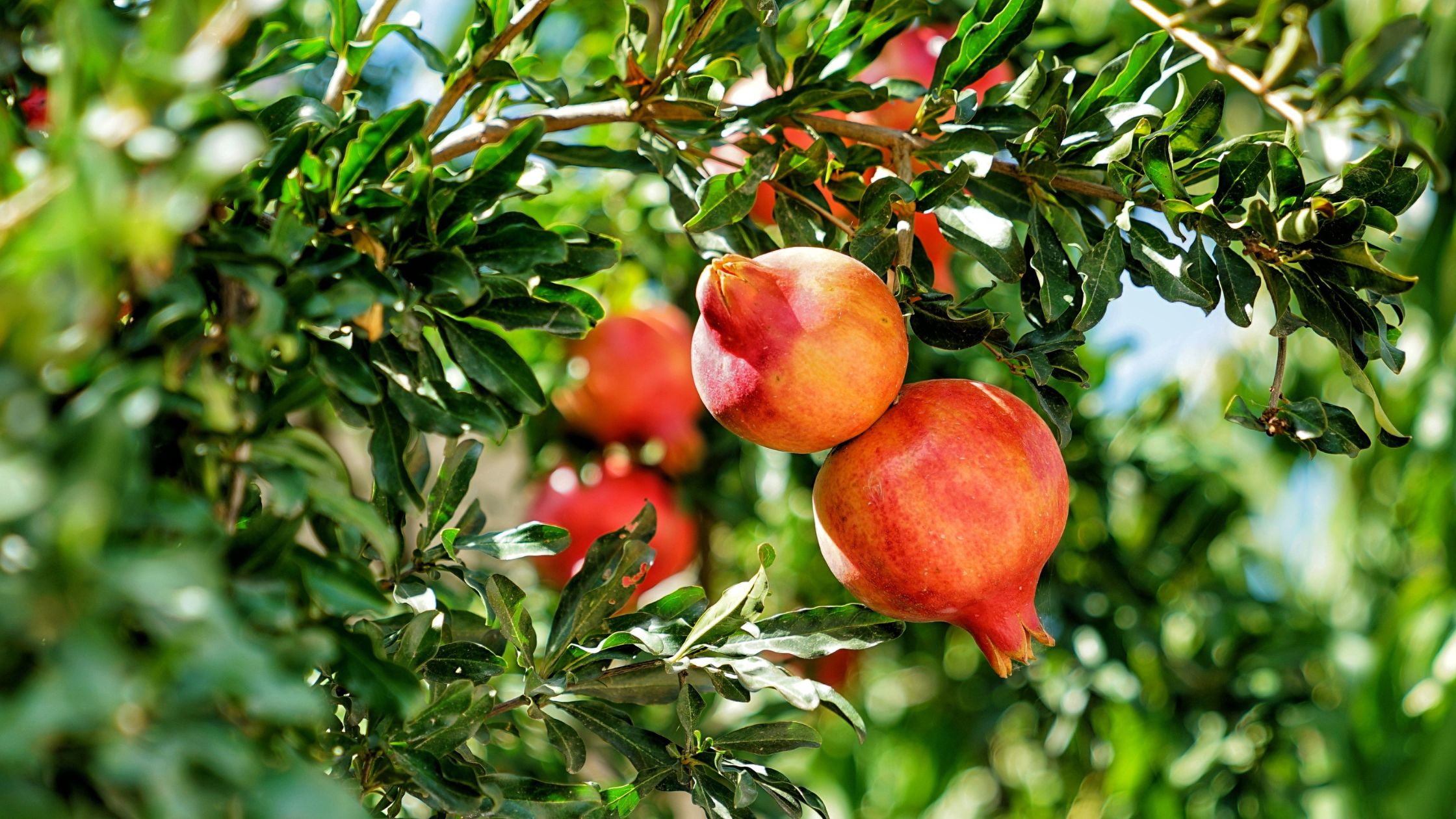
Pomegranates
Pomegranate, with its luscious ruby-colored seeds and rich, tangy flavor, has long been revered as a symbol of fertility, health, and abundance in many cultures around the world. This ancient fruit, scientifically known as Punica granatum, boasts a fascinating history and a plethora of health benefits backed by modern research. From its origins in the Middle East to its widespread cultivation today, the pomegranate continues to captivate both culinary enthusiasts and health-conscious individuals alike.
History
The pomegranate’s history dates back thousands of years, with evidence of its cultivation found in regions spanning from the Mediterranean to the Indian subcontinent. Ancient texts and artworks from civilizations such as Ancient Egypt, Greece, and Rome depict the pomegranate as a symbol of life, regeneration, and prosperity. It held significant cultural and religious importance, featuring prominently in myths, ceremonies, and rituals.
Health Benefits
The health benefits of pomegranate are largely attributed to its rich composition of bioactive compounds, including punicalagins, anthocyanins, flavonoids, and ellagic acid, which exhibit significant antioxidant, anti-inflammatory, and anti-cancer properties. Notably, punicalagins, found predominantly in the fruit’s peel and juice, are recognized for their cardiovascular advantages, such as reducing oxidative stress and enhancing endothelial function. Regular consumption of pomegranate is associated with a variety of health benefits, making it a valuable addition to any diet. Research suggests that it may support heart health by lowering blood pressure, improving cholesterol levels, and reducing the risk of heart disease and atherosclerosis. Additionally, its high vitamin C content can boost immunity, helping the body combat infections and illnesses. The anti-inflammatory properties of pomegranate may alleviate symptoms of chronic inflammatory conditions, such as arthritis and inflammatory bowel disease. Furthermore, studies indicate that pomegranate extracts can inhibit the growth of cancer cells and lower the risk of certain cancers, including breast, prostate, and colon cancer. The potent antioxidants in pomegranate may also protect brain cells from oxidative damage, potentially reducing the risk of cognitive decline and neurodegenerative diseases like Alzheimer’s. Lastly, the fruit’s high fiber content promotes healthy digestion, alleviating symptoms of constipation and enhancing gut health.
Pomegranate is a versatile ingredient widely used in culinary applications due to its unique flavor and nutritional benefits. The fruit’s juicy arils can be enjoyed fresh, added to salads, or used as a garnish for various dishes, imparting a burst of sweetness and a vibrant color. Additionally, pomegranate juice serves as a popular base for beverages and marinades, enhancing the flavor profile of meats and vegetables. Recent studies have explored innovative uses of pomegranate, such as incorporating pomegranate peel powder into chicken products to improve cooking yield and reduce moisture loss during cooking.
Pomegranate is generally considered safe for most individuals when consumed in moderation; however, caution is advised for those taking specific medications, particularly blood thinners, as pomegranate juice may enhance their effects and increase the risk of bleeding. Additionally, individuals on ACE inhibitors should be aware that pomegranate juice may interact with these blood pressure medications, potentially leading to elevated potassium levels. Excessive consumption of pomegranate can also result in gastrointestinal discomfort, such as diarrhea or stomach upset, due to its high fiber content. Furthermore, some individuals may experience allergic reactions, particularly to the fruit’s seeds or juice. Therefore, it is advisable for anyone taking medications or with known allergies to consult their healthcare provider before incorporating pomegranate into their diet to prevent adverse interactions.
Pomegranate has a long-standing history of use in traditional medicine systems, including Ayurveda and Traditional Chinese Medicine (TCM). In Ayurveda, it is esteemed for its cooling properties and is utilized to balance the Pitta dosha, while in TCM, the fruit is linked to the Heart and Kidney meridians, where it is believed to nourish yin, enhance blood circulation, and alleviate symptoms associated with heat-related conditions.
Additionally, in Western herbalism, pomegranate is recognized for its antioxidant properties and cardiovascular benefits, leading to its incorporation in various herbal preparations, dietary supplements, and skincare products. The fruit’s cooling effect is particularly valued in TCM for addressing issues related to excess heat or inflammation, further emphasizing its role in promoting balance and vitality within the body.
Final Thoughts
Pomegranate, with its rich history, remarkable health benefits, and versatile applications, stands as a true gem in the world of fruits. Whether enjoyed fresh, juiced, or incorporated into culinary creations, this vibrant fruit continues to enchant and nourish people around the globe. Embracing the power of pomegranate can be a delicious and rewarding journey toward better health and well-being.
Betanzos‐Cabrera, G., Guerrero-Solano, J., Martínez-Pérez, M., Calderón-Ramos, Z., Belefant-Miller, H., & Cancino-Diaz, M. (2011). Pomegranate juice increases levels of paraoxonase1 (pon1) expression and enzymatic activity in streptozotocin-induced diabetic mice fed with a high-fat diet. Food Research International, 44(5), 1381-1385. https://doi.org/10.1016/j.foodres.2011.01.042
Guerrero-Solano, J., Jaramillo-Morales, O., Velázquez, C., O-Arciniega, M., Castañeda‐Ovando, A., Betanzos‐Cabrera, G., … & Bautista, M. (2020). Pomegranate as a potential alternative of pain management: a review. Plants, 9(4), 419. https://doi.org/10.3390/plants9040419
Hassanen, E., Tohamy, A., Issa, M., Ibrahim, M., Farroh, K., & Hassan, A. (2019). <p>pomegranate juice diminishes the mitochondria-dependent cell death and nf-kb signaling pathway induced by copper oxide nanoparticles on liver and kidneys of rats</p>. International Journal of Nanomedicine, Volume 14, 8905-8922. https://doi.org/10.2147/ijn.s229461
Huerta-Reyes, M., Gaitán-Cepeda, L., & Sánchez-Vargas, L. (2022). Punica granatum as anticandidal and anti-hiv agent: an hiv oral cavity potential drug. Plants, 11(19), 2622. https://doi.org/10.3390/plants11192622
Khwairakpam, A., Bordoloi, D., Thakur, K., Monisha, J., Arfuso, F., Sethi, G., … & Kunnumakkara, A. (2018). Possible use of punica granatum (pomegranate) in cancer therapy. Pharmacological Research, 133, 53-64. https://doi.org/10.1016/j.phrs.2018.04.021
Michicotl-Meneses, M., Thompson-Bonilla, M., Reyes-López, C., Garcı́a-Pérez, B., López-Tenorio, I., Ordaz-Pichardo, C., … & Jaramillo-Flores, M. (2021). Inflammation markers in adipose tissue and cardiovascular risk reduction by pomegranate juice in obesity induced by a hypercaloric diet in wistar rats. Nutrients, 13(8), 2577. https://doi.org/10.3390/nu13082577
Radman, M., Kaeidi, A., Dastjerdi, M., & Javadi, A. (2023). Effects of pomegranate, myrtle, quercus fruit, and rhus coriaria l extracts on bleeding control in rat. Jundishapur Journal of Natural Pharmaceutical Products, 18(2). https://doi.org/10.5812/jjnpp-132497
Turrini, E., Ferruzzi, L., & Fimognari, C. (2015). Potential effects of pomegranate polyphenols in cancer prevention and therapy. Oxidative Medicine and Cellular Longevity, 2015, 1-19. https://doi.org/10.1155/2015/938475
Wang, J. (2024). Pomegranate seeds: a comprehensive review of traditional uses, chemical composition, and pharmacological properties. Frontiers in Pharmacology, 15. https://doi.org/10.3389/fphar.2024.1401826
Wong, T., Strandberg, K., Croley, C., Fraser, S., Venkata, K., Fimognari, C., … & Bishayee, A. (2021). Pomegranate bioactive constituents target multiple oncogenic and oncosuppressive signaling for cancer prevention and intervention. Seminars in Cancer Biology, 73, 265-293. https://doi.org/10.1016/j.semcancer.2021.01.006
Wu, S. and Tian, L. (2017). Diverse phytochemicals and bioactivities in the ancient fruit and modern functional food pomegranate (punica granatum). Molecules, 22(10), 1606. https://doi.org/10.3390/molecules22101606
MyFoodData. (n.d.). *Nutrition facts for pomegranate (Punica granatum)*. Retrieved January 3, 2025, from https://tools.myfooddata.com/nutrition-facts/169134/wt9/1
Medical Disclaimer
The information provided in this document is intended for educational and informational purposes only and should not be construed as medical advice, diagnosis, or treatment. It is essential to consult a qualified healthcare professional for any medical concerns or conditions. The content herein does not substitute for professional medical advice, and individuals should not disregard or delay seeking medical advice based on the information provided.
The authors and publishers of this document do not assume any responsibility for any adverse effects or consequences resulting from the use or application of the information contained herein. The reader is encouraged to conduct their own research and consult with healthcare providers to make informed decisions regarding their health and treatment options. Furthermore, the information presented may not reflect the most current research or medical guidelines, as medical knowledge is continually evolving. Therefore, it is imperative to verify the information with up-to-date, peer-reviewed sources and consult with medical professionals for personalized advice.