
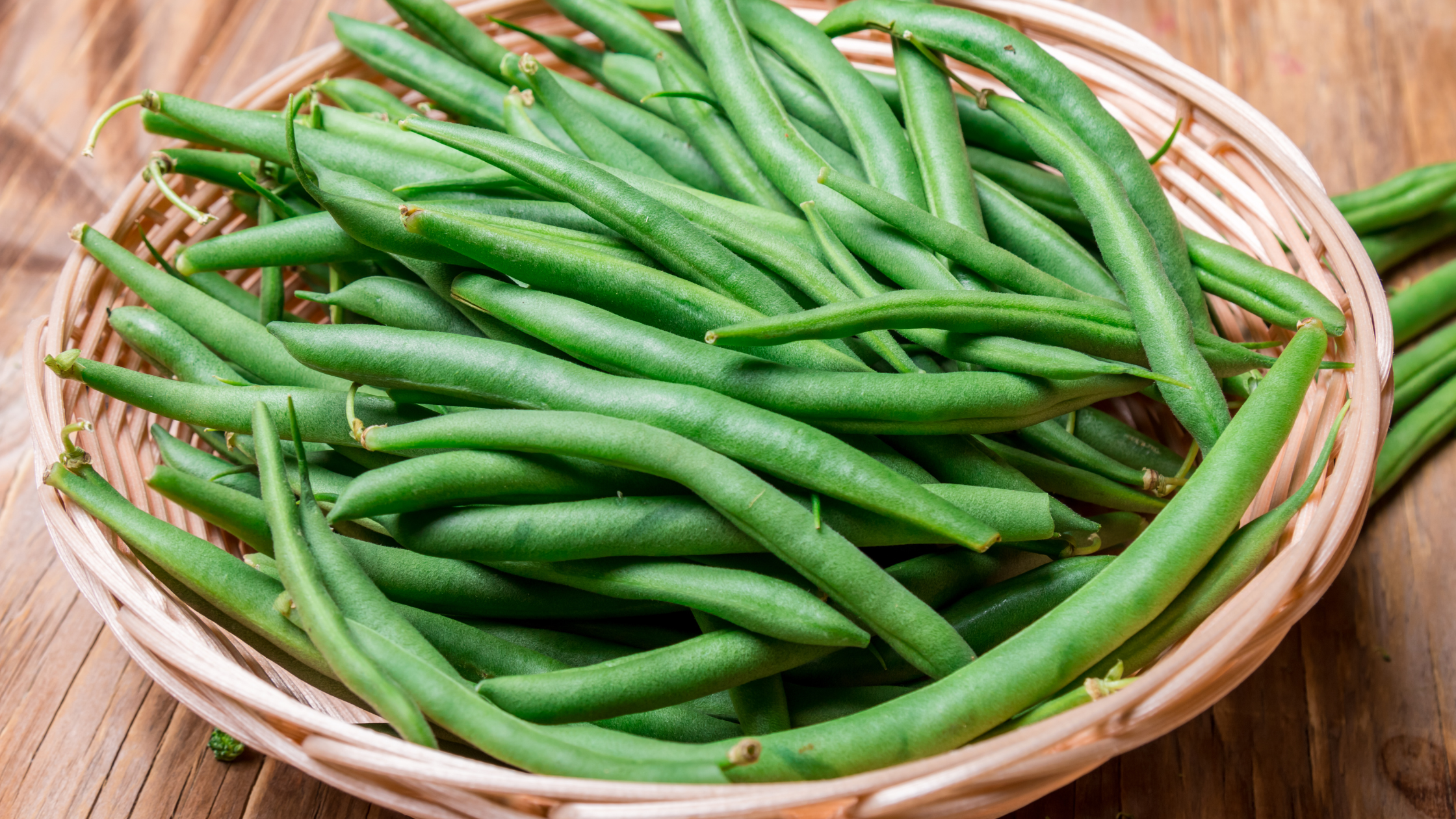
String Beans
String beans, also known as green beans or snap beans, are a popular vegetable cherished for their crisp texture and delightful flavor. Belonging to the legume family, string beans come in various cultivars, each with its unique characteristics and culinary uses. Beyond their culinary appeal, string beans boast an array of health benefits and have been utilized in traditional medicine for centuries.
History
String beans have a rich history dating back thousands of years. Native to Central and South America, they were cultivated by indigenous peoples long before the arrival of Europeans. The cultivation of string beans spread globally following the voyages of exploration and trade. Today, they are widely grown and enjoyed in various cuisines around the world.
Health Benefits
String beans, also known as green beans, provide a multitude of health benefits due to their rich nutritional profile, which includes an abundance of vitamins (such as A, C, K, and various B vitamins), essential minerals (including potassium, magnesium, and iron), dietary fiber, and antioxidants like flavonoids and carotenoids. These nutrients contribute to several physiological effects, including antioxidant activity, anti-inflammatory properties, and enhanced digestive health. Specifically, the fiber, potassium, and flavonoids present in string beans support heart health by helping to regulate blood pressure, lower cholesterol levels, and prevent atherosclerosis.
Additionally, the fiber content promotes digestive regularity, potentially preventing constipation and other gastrointestinal issues. With their low calorie count and high fiber content, string beans are also beneficial for weight management, making them a valuable addition to weight loss diets. Furthermore, the vitamin K found in string beans plays a crucial role in bone health by aiding calcium absorption and reducing the risk of osteoporosis. Lastly, the antioxidants in string beans help protect cells from oxidative damage, which may lower the risk of chronic diseases such as cancer and cardiovascular conditions.
String beans are a versatile ingredient in culinary applications, celebrated for their crisp texture and vibrant color. They can be enjoyed in a variety of ways, including steamed, sautéed, or roasted, making them a popular addition to salads, stir-fries, and casseroles. In Italian cuisine, string beans are often included in dishes alongside tomatoes and other vegetables, enhancing both flavor and nutritional value. They can also be pickled or used as a garnish in various dishes, providing a crunchy contrast to softer ingredients. Furthermore, string beans can be blended into soups or purees, showcasing their adaptability in both savory and sweet culinary creations.
Precautions and Possible Side Effects
String beans are generally safe for consumption; however, individuals with certain conditions should exercise caution. Those who are prone to kidney stones may need to moderate their intake due to the oxalate content found in string beans. Additionally, individuals with allergies to legumes should avoid string beans to prevent allergic reactions. While rare, excessive consumption can lead to gastrointestinal discomfort, such as gas and bloating, particularly in those with sensitive digestive systems. Although string beans are not known to have adverse interactions with medications, individuals taking blood thinners should consume them in moderation because their vitamin K content can influence blood clotting. Therefore, it is advisable for these individuals to consult with a healthcare provider regarding their dietary choices.
In traditional Chinese medicine (TCM), string beans are regarded for their cooling properties and are linked to the spleen and stomach meridians. They are commonly utilized to clear heat, promote urination, and alleviate dampness and swelling. The spleen meridian is thought to play a crucial role in regulating digestion and transforming food into energy, while the stomach meridian governs the processes of digestion and nutrient absorption.
Conversely, in Western herbalism, string beans are primarily consumed as a nutritious vegetable rather than for their medicinal properties. Nevertheless, their high fiber content and overall nutritional profile align with health-promoting principles, contributing to general well-being.
Final Thoughts
String beans are not only a delicious addition to meals but also offer a myriad of health benefits. Whether enjoyed in Western dishes or incorporated into traditional Eastern remedies, string beans showcase their versatility and nutritional prowess. By understanding their history, mechanisms of action, health benefits, and applications, individuals can harness the power of string beans to support their well-being.
Campos-Vega, R., Oomah, B., Loarca‐Piña, G., & Vergara-Castañeda, H. (2013). Common beans and their non-digestible fraction: cancer inhibitory activity—an overview. Foods, 2(3), 374-392. https://doi.org/10.3390/foods2030374
Díaz‐Batalla, L., Widholm, J., Fahey, G., Castaño‐Tostado, E., & Paredes‐López, O. (2006). Chemical components with health implications in wild and cultivated mexican common bean seeds (phaseolus vulgarisl.). Journal of Agricultural and Food Chemistry, 54(6), 2045-2052. https://doi.org/10.1021/jf051706l
Heer, M. and Winham, D. (2020). Food behaviors, health, and bean nutrition awareness among low-income men: a pilot study. International Journal of Environmental Research and Public Health, 17(3), 1039. https://doi.org/10.3390/ijerph17031039
Ismail, A., Tiong, N., Tan, S., & Azlan, A. (2009). Antioxidant properties of selected non‐leafy vegetables. Nutrition & Food Science, 39(2), 176-180. https://doi.org/10.1108/00346650910943280
Nchanji, E. and Ageyo, O. (2021). Do common beans (phaseolus vulgaris l.) promote good health in humans? a systematic review and meta-analysis of clinical and randomized controlled trials. Nutrients, 13(11), 3701. https://doi.org/10.3390/nu13113701
Papanikolaou, Y. (2024). Adult dietary patterns with increased bean consumption are associated with greater overall shortfall nutrient intakes, lower added sugar, improved weight-related outcomes and better diet quality. Nutrition Journal, 23(1). https://doi.org/10.1186/s12937-024-00937-1
Parker, T., Teran, J., Palkovic, A., Jernstedt, J., & Gepts, P. (2019). Pod indehiscence is a domestication and aridity resilience trait in common bean. New Phytologist, 225(1), 558-570. https://doi.org/10.1111/nph.16164
Winham, D., Hutchins, A., Thompson, S., & Dougherty, M. (2018). Arizona registered dietitians show gaps in knowledge of bean health benefits. Nutrients, 10(1), 52. https://doi.org/10.3390/nu10010052
MyFoodData. (n.d.). *String beans nutrition facts and health benefits*. Retrieved January 6, 2025, from https://tools.myfooddata.com/nutrition-facts/169961/wt1/1
Medical Disclaimer
The information provided in this document is intended for educational and informational purposes only and should not be construed as medical advice, diagnosis, or treatment. It is essential to consult a qualified healthcare professional for any medical concerns or conditions. The content herein does not substitute for professional medical advice, and individuals should not disregard or delay seeking medical advice based on the information provided.
The authors and publishers of this document do not assume any responsibility for any adverse effects or consequences resulting from the use or application of the information contained herein. The reader is encouraged to conduct their own research and consult with healthcare providers to make informed decisions regarding their health and treatment options. Furthermore, the information presented may not reflect the most current research or medical guidelines, as medical knowledge is continually evolving. Therefore, it is imperative to verify the information with up-to-date, peer-reviewed sources and consult with medical professionals for personalized advice.