Tangerines
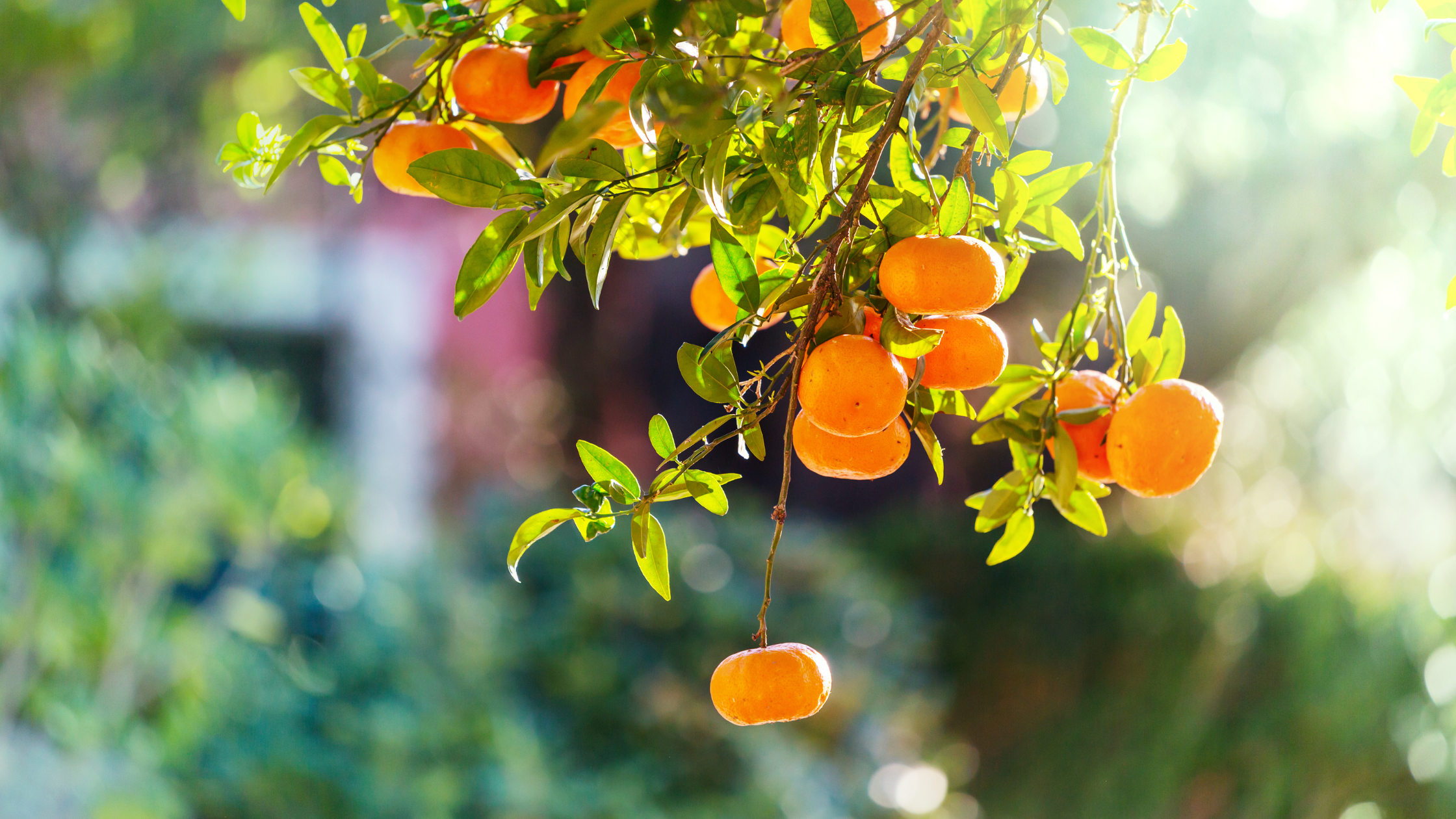
Tangerines, with their vibrant hue and refreshing taste, stand out as one of the most beloved citrus fruits worldwide. Beyond their delectable flavor, tangerines boast a rich history and a plethora of health benefits. From ancient traditions to modern medicine, tangerines have carved a niche for themselves in culinary delights and therapeutic practices alike.
History
Tangerines, believed to have originated in Southeast Asia, have a history that spans thousands of years. The name “tangerine” is thought to derive from the port city of Tangiers in Morocco, which served as a major hub for trade in citrus fruits during the 19th century. Tangerines were introduced to the Western world in the 19th century and quickly gained popularity for their sweet taste and easy-to-peel skin.
Health Benefits
The health benefits of tangerines can be largely attributed to their rich nutrient profile, which includes a variety of vitamins, minerals, and phytochemicals. Notably, tangerines are high in vitamin C, a powerful antioxidant that plays a crucial role in combating oxidative stress and enhancing immune function. In addition to vitamin C, tangerines are rich in flavonoids such as hesperidin and naringenin, which are known for their anti-inflammatory and cardioprotective effects. The consumption of tangerines offers several health advantages, including immune support due to their high vitamin C content, which helps the body resist infections and illnesses.
Furthermore, the flavonoids present in tangerines may contribute to heart health by lowering blood pressure and reducing the risk of heart disease. Tangerines also promote digestive health, as they are a good source of dietary fiber that aids in digestion and supports gut health. Lastly, the antioxidants found in tangerines play a significant role in maintaining skin health by neutralizing free radicals and promoting collagen production, thereby enhancing skin vitality.
[/et_pb_text][/et_pb_column][/et_pb_row][/et_pb_section][et_pb_section fb_built=”1″ _builder_version=”4.27.4″ _module_preset=”default” background_color=”#F2F2F2″ custom_margin=”-9px|||||” custom_padding=”29px||2px||false|false” global_colors_info=”{}”][et_pb_row _builder_version=”4.27.4″ _module_preset=”default” min_height=”29px” custom_margin=”-18px|auto||auto||” custom_padding=”5px||0px|||” global_colors_info=”{}”][et_pb_column type=”4_4″ _builder_version=”4.27.4″ _module_preset=”default” global_colors_info=”{}”][et_pb_heading title=”Best Preparation Methods ” _builder_version=”4.27.4″ _module_preset=”default” title_level=”h2″ title_text_color=”#000000″ min_height=”23px” custom_margin=”||10px||false|false” custom_padding=”||0px|||” global_colors_info=”{}”][/et_pb_heading][/et_pb_column][/et_pb_row][et_pb_row column_structure=”2_3,1_3″ _builder_version=”4.27.4″ _module_preset=”default” custom_margin=”-9px|auto||auto||” custom_padding=”1px||13px|||” global_colors_info=”{}”][et_pb_column type=”2_3″ _builder_version=”4.27.4″ _module_preset=”default” global_colors_info=”{}”][et_pb_text _builder_version=”4.27.4″ _module_preset=”default” text_text_color=”#000000″ text_font_size=”17px” global_colors_info=”{}”]Tangerines are widely utilized in culinary applications due to their vibrant flavor and versatility. The fruit can be consumed fresh, juiced, or used as a flavoring agent in various dishes. In particular, tangerine peel, known for its aromatic qualities, is often incorporated into culinary seasonings and traditional dishes, enhancing the overall flavor profile. Additionally, the dried peel, referred to as “chen pi,” is a staple in Chinese cuisine, where it is used to impart a unique taste to soups, stews, and marinades, as well as in the preparation of herbal teas. Furthermore, tangerines have found their way into innovative recipes, such as baked goods and preserves, showcasing their adaptability in both sweet and savory contexts. The fruit’s juice is also popular in beverages and dressings, further highlighting its culinary significance.
[/et_pb_text][et_pb_image src=”https://www.immortalme.com/wp-content/uploads/2025/02/Screenshot-2025-02-11-061511-1.png” title_text=”Screenshot 2025-02-11 061511″ _builder_version=”4.27.4″ _module_preset=”default” width=”100%” custom_margin=”28px|||||” border_radii=”on|6px|6px|6px|6px” box_shadow_style=”preset1″ box_shadow_spread=”3px” box_shadow_color=”#84776C” global_colors_info=”{}”][/et_pb_image][/et_pb_column][et_pb_column type=”1_3″ _builder_version=”4.27.4″ _module_preset=”default” global_colors_info=”{}”][et_pb_image src=”https://www.immortalme.com/wp-content/uploads/2025/01/Tangerines.png” title_text=”Tangerines” _builder_version=”4.27.4″ _module_preset=”default” custom_margin=”-3px|||||” border_radii=”on|6px|6px|6px|6px” box_shadow_style=”preset1″ box_shadow_spread=”3px” box_shadow_color=”#84776C” global_colors_info=”{}”][/et_pb_image][/et_pb_column][/et_pb_row][/et_pb_section][et_pb_section fb_built=”1″ _builder_version=”4.27.4″ _module_preset=”default” background_color=”#F2F2F2″ custom_padding=”30px||3px|||” global_colors_info=”{}”][et_pb_row _builder_version=”4.27.4″ _module_preset=”default” custom_margin=”-11px|auto||auto||” custom_padding=”3px||14px|||” global_colors_info=”{}”][et_pb_column type=”4_4″ _builder_version=”4.27.4″ _module_preset=”default” global_colors_info=”{}”][et_pb_text _builder_version=”4.27.4″ _module_preset=”default” text_text_color=”#000000″ text_font_size=”17px” header_2_text_color=”#000000″ global_colors_info=”{}”]Precautions and Possible Side Effects
Tangerines are generally considered safe for consumption; however, individuals with citrus allergies should exercise caution when consuming them. While allergic reactions to tangerines are uncommon, they can occur. Additionally, excessive intake of tangerines or tangerine juice may lead to gastrointestinal discomfort, such as heartburn or acid reflux, particularly due to the fruit’s acidic nature. It is also important to note that tangerine juice may interact with certain medications, including statins and antihypertensive drugs, potentially affecting their efficacy. Therefore, individuals who are on prescription medications should consult their healthcare provider before consuming large quantities of tangerine juice to avoid any adverse effects.
[/et_pb_text][/et_pb_column][/et_pb_row][/et_pb_section][et_pb_section fb_built=”1″ admin_label=”Post Body” _builder_version=”4.27.4″ background_color=”#F2F2F2″ custom_padding=”29px||4px|||” locked=”off” global_colors_info=”{}”][et_pb_row _builder_version=”4.27.4″ _module_preset=”default” custom_margin=”-20px|auto||auto||” custom_padding=”8px||0px|||” global_colors_info=”{}”][et_pb_column type=”4_4″ _builder_version=”4.27.4″ _module_preset=”default” global_colors_info=”{}”][et_pb_heading title=”Eastern and Western Nutrition” _builder_version=”4.27.4″ _module_preset=”default” title_level=”h2″ title_text_color=”#000000″ custom_margin=”||10px||false|false” global_colors_info=”{}”][/et_pb_heading][/et_pb_column][/et_pb_row][et_pb_row column_structure=”1_2,1_2″ _builder_version=”4.27.4″ custom_margin=”-9px|auto||auto||” custom_padding=”4px||15px|||” locked=”off” global_colors_info=”{}”][et_pb_column type=”1_2″ _builder_version=”4.16″ global_colors_info=”{}”][et_pb_text _builder_version=”4.27.4″ _module_preset=”default” text_text_color=”#000000″ text_font_size=”17px” global_colors_info=”{}”]In traditional Chinese medicine, tangerine peel, referred to as “chen pi,” is highly esteemed for its capacity to regulate qi, or vital energy, and to enhance digestive health. This herbal component is frequently incorporated into various formulations aimed at addressing digestive disorders, coughs, and the accumulation of phlegm. Furthermore, tangerine peel is linked to the Lung and Spleen meridians, where it is thought to exert a drying and dispersing effect, thereby proving advantageous for ailments associated with dampness or phlegm buildup.
Conversely, in Western contexts, tangerines are predominantly appreciated for their nutritional benefits and culinary adaptability, reflecting a divergence in the perception and utilization of this fruit across different medicinal traditions.
[/et_pb_text][/et_pb_column][et_pb_column type=”1_2″ _builder_version=”4.16″ global_colors_info=”{}”][et_pb_image src=”https://www.immortalme.com/wp-content/uploads/2025/02/Screenshot-2025-02-11-060555.png” title_text=”Screenshot 2025-02-11 060555″ _builder_version=”4.27.4″ _module_preset=”default” border_radii=”on|6px|6px|6px|6px” box_shadow_style=”preset1″ box_shadow_spread=”3px” box_shadow_color=”#84776C” global_colors_info=”{}”][/et_pb_image][/et_pb_column][/et_pb_row][/et_pb_section][et_pb_section fb_built=”1″ _builder_version=”4.27.4″ _module_preset=”default” background_color=”#F2F2F2″ custom_padding=”29px||4px|||” global_colors_info=”{}”][et_pb_row _builder_version=”4.27.4″ _module_preset=”default” custom_padding=”0px||33px|||” global_colors_info=”{}”][et_pb_column type=”4_4″ _builder_version=”4.27.4″ _module_preset=”default” global_colors_info=”{}”][et_pb_text _builder_version=”4.27.4″ _module_preset=”default” text_text_color=”#000000″ text_font_size=”17px” header_2_text_color=”#000000″ custom_margin=”-5px|||||” global_colors_info=”{}”]Final Thoughts
In conclusion, tangerines are not only a delicious citrus fruit but also a nutritional powerhouse with a rich history and diverse therapeutic applications. Whether enjoyed fresh, juiced, or as a component of traditional herbal remedies, tangerines offer a multitude of health benefits that make them a valuable addition to any diet.
[/et_pb_text][et_pb_divider color=”#84776C” divider_weight=”2px” _builder_version=”4.27.4″ _module_preset=”default” global_colors_info=”{}”][/et_pb_divider][/et_pb_column][/et_pb_row][et_pb_row _builder_version=”4.27.4″ _module_preset=”default” min_height=”100.6px” custom_padding=”0px||39px|||” global_colors_info=”{}”][et_pb_column type=”4_4″ _builder_version=”4.27.4″ _module_preset=”default” global_colors_info=”{}”][et_pb_toggle title=”References” open_toggle_background_color=”#FFFFFF” closed_toggle_background_color=”#FFFFFF” icon_color=”#84776C” toggle_icon=”||fa||900″ use_icon_font_size=”on” icon_font_size=”25px” open_icon_color=”#E02B20″ open_toggle_icon=”||fa||900″ open_use_icon_font_size=”on” open_icon_font_size=”25px” _builder_version=”4.27.4″ _module_preset=”default” title_text_color=”#000000″ title_font=”Cormorant Garamond||||||||” title_text_align=”left” title_font_size=”20px” text_orientation=”left” custom_margin=”||6px|||” custom_padding=”|||20px|false|false” border_radii=”on|6px|6px|6px|6px” box_shadow_style=”preset1″ box_shadow_color=”#84776C” global_colors_info=”{}”]Deng, F. (2024). Cnfa: convnext fusion attention module for age recognition of the tangerine peel. Journal of Food Quality, 2024, 1-13. https://doi.org/10.1155/2024/6439900
Dong, P., Zhang, L., Zhan, L., & Li, Y. (2015). Ultra high performance liquid chromatography with mass spectrometry for the rapid analysis and global characterization of multiple constituents from zibu piyin recipe. Journal of Separation Science, 39(3), 595-602. https://doi.org/10.1002/jssc.201500852
Dutra, A., Furtado, A., Pacheco, S., & Neto, J. (2012). Efeito do tratamento térmico na concentração de carotenóides, compostos fenólicos, ácido ascórbico e capacidade antioxidante do suco de tangerina murcote. Brazilian Journal of Food Technology, 15(3), 198-207. https://doi.org/10.1590/s1981-67232012005000012
Ermiş, I., Deveci, E., & Aşır, F. (2023). Effects of quince gel and hesperidin mixture on experimental endometriosis. Molecules, 28(16), 5945. https://doi.org/10.3390/molecules28165945
Gao, C., Wu, M., Du, Q., Deng, J., & Shen, J. (2022). Naringin mediates adult hippocampal neurogenesis for antidepression via activating creb signaling. Frontiers in Cell and Developmental Biology, 10. https://doi.org/10.3389/fcell.2022.731831
Han, T. (2023). Genotype and environment factors driven licorice growth and rhizospheric soil fungal community changes. Frontiers in Microbiology, 14. https://doi.org/10.3389/fmicb.2023.1308412
Hou, F., Hu, K., Gong, Y., Xu, J., Wu, Y., & Zhang, M. (2017). Effects ofin vitrosimulated digestion on the flavonoid content and antioxidant activity of aged and fresh dried tangerine peel. Journal of Food Processing and Preservation, 42(3), e13532. https://doi.org/10.1111/jfpp.13532
Huang, Y. and Ho, S. (2010). Polymethoxy flavones are responsible for the anti-inflammatory activity of citrus fruit peel. Food Chemistry, 119(3), 868-873. https://doi.org/10.1016/j.foodchem.2009.09.092
Hussain, H., Mamadalieva, N., Hussain, A., Hassan, U., Rabnawaz, A., Ahmed, I., … & Green, I. (2022). Fruit peels: food waste as a valuable source of bioactive natural products for drug discovery. Current Issues in Molecular Biology, 44(5), 1960-1994. https://doi.org/10.3390/cimb44050134
Kumari, K., Mridula, D., & Kishore, A. (2020). Extrusion processing of agri-horti and dairy products: a review. International Journal of Chemical Studies, 8(1), 1424-1433. https://doi.org/10.22271/chemi.2020.v8.i1t.8458
Long, M., Pei, X., Lü, Z., Xü, D., Zheng, N., Li, Y., … & Xia, X. (2023). Effective degradation of anthraquinones in folium sennae with monascus fermentation for toxicity reduce and efficacy enhancement. Heliyon, 9(8), e18735. https://doi.org/10.1016/j.heliyon.2023.e18735
Mo, B. (2021). Study on the mechanism of jiawei linggui zhugan decoction in the treatment of myelodysplastic syndrome based on network pharmacological analysis. Medical Research, 3(3), 50-64. https://doi.org/10.6913/mrhk.202109_3(3).0006
Patriarca, M. (2024). Atomic spectrometry update: review of advances in the analysis of clinical and biological materials, foods and beverages. Journal of Analytical Atomic Spectrometry, 39(3), 624-698. https://doi.org/10.1039/d4ja90010c
Purewal, S., Sandhu, K., Kaur, P., & Punia, S. (2022). Effect of processing on bioactive profile, minerals, and bitterness‐causing compounds of kinnow jam. Journal of Food Processing and Preservation, 46(9). https://doi.org/10.1111/jfpp.16629
Torshabi, M., MoadabShoar, Z., & Negahban, M. (2023). Preparation ofcitrus reticulatapeel nano‐encapsulated essential oil and in vitro assessment of its biological properties. European Journal of Oral Sciences, 131(2). https://doi.org/10.1111/eos.12924
Wali, A., Rashid, S., Rashid, S., Ansari, M., Khan, M., Haq, N., … & Rehman, M. (2020). Naringenin regulates doxorubicin-induced liver dysfunction: impact on oxidative stress and inflammation. Plants, 9(4), 550. https://doi.org/10.3390/plants9040550
Wang, C., Gao, Z., Qian, Y., Li, X., Wang, J., Ma, J., … & Fu, F. (2021). Effects of different concentrations of ganpu tea on fecal microbiota and short chain fatty acids in mice. Nutrients, 13(11), 3715. https://doi.org/10.3390/nu13113715
Weng, J., Wu, X., Shao, P., Liu, X., & Wang, C. (2023). Medicine for chronic atrophic gastritis: a systematic review, meta- and network pharmacology analysis.. https://doi.org/10.21203/rs.3.rs-3139868/v1
Xiao, Y., Kang, B., Li, M., Xiao, L., Han, X., Shen, H., … & Yang, W. (2020). Transcription of lncrna acos-as1 is essential to trans-splicing between slpsy1 and acos-as1 that causes yellow fruit in tomato. Rna Biology, 17(4), 596-607. https://doi.org/10.1080/15476286.2020.1721095
Xu, M., Tian, G., Zhao, C., Ahmad, A., Zhang, H., Bi, J., … & Zheng, J. (2017). Infrared drying as a quick preparation method for dried tangerine peel. International Journal of Analytical Chemistry, 2017, 1-11. https://doi.org/10.1155/2017/6254793
Yi, L., Dong, N., Shao, L., Yi, Z., & Zhang, Y. (2015). Chemical features of pericarpium citri reticulatae and pericarpium citri reticulatae viride revealed by gc–ms metabolomics analysis. Food Chemistry, 186, 192-199. https://doi.org/10.1016/j.foodchem.2014.07.067
Zhang, X., Gao, Z., Yang, Y., Pan, S., Yin, J., & Yu, X. (2022). Rapid identification of the storage age of dried tangerine peel using a hand-held near infrared spectrometer and machine learning. Journal of Near Infrared Spectroscopy, 30(1), 31-39. https://doi.org/10.1177/09670335211057232
MyFoodData. (n.d.). *Tangerines nutrition facts and health benefits*. Retrieved January 6 2025, from https://tools.myfooddata.com/nutrition-facts/2709175/wt1/1
[/et_pb_toggle][/et_pb_column][/et_pb_row][/et_pb_section][et_pb_section fb_built=”1″ _builder_version=”4.27.4″ _module_preset=”default” background_color=”#84776C” hover_enabled=”0″ global_colors_info=”{}” custom_margin=”||-60px||false|false” custom_padding=”||60px||false|false” sticky_enabled=”0″][et_pb_row _builder_version=”4.27.4″ _module_preset=”default” custom_margin=”-5px|auto||auto||” custom_padding=”9px|||||” global_colors_info=”{}”][et_pb_column type=”4_4″ _builder_version=”4.27.4″ _module_preset=”default” global_colors_info=”{}”][et_pb_heading title=”More Articles You May Like” _builder_version=”4.27.4″ _module_preset=”default” title_text_color=”#FFFFFF” global_colors_info=”{}”][/et_pb_heading][et_pb_divider color=”#F2F2F2″ divider_weight=”2px” _builder_version=”4.27.4″ _module_preset=”default” global_colors_info=”{}”][/et_pb_divider][et_pb_blog_extras posts_number=”12″ include_categories=”57,19,56″ blog_layout=”slider” slider_layout=”vertical_grid” excerpt_length=”600″ show_author=”off” show_date=”off” category_color=”#2533ab” category_background_color=”RGBA(255,255,255,0)” show_comments=”off” content_color=”#000000″ slider_loop=”on” _builder_version=”4.27.4″ _module_preset=”default” header_text_color=”#000000″ body_text_color=”#000000″ meta_text_color=”#000000″ border_radii=”on|10px|10px|10px|10px” border_width_all=”2px” border_color_all=”rgba(242,242,242,0.32)” box_shadow_style=”preset2″ box_shadow_blur=”28px” box_shadow_color=”rgba(0,0,0,0.53)” global_colors_info=”{}”][/et_pb_blog_extras][/et_pb_column][/et_pb_row][et_pb_row _builder_version=”4.27.4″ _module_preset=”default” background_color=”#FFFFFF” border_radii=”on|6px|6px|6px|6px” global_colors_info=”{}” theme_builder_area=”post_content”][et_pb_column type=”4_4″ _builder_version=”4.27.4″ _module_preset=”default” global_colors_info=”{}” theme_builder_area=”post_content”][et_pb_text _builder_version=”4.27.4″ _module_preset=”default” text_text_color=”#84776C” text_font_size=”12px” text_line_height=”1.5em” header_font=”|300|||||||” header_font_size=”25px” header_4_font=”–et_global_heading_font||||||||” header_4_text_color=”#84776C” custom_padding=”|17px||17px|false|false” global_colors_info=”{}” theme_builder_area=”post_content”]Medical Disclaimer
The information provided in this document is intended for educational and informational purposes only and should not be construed as medical advice, diagnosis, or treatment. It is essential to consult a qualified healthcare professional for any medical concerns or conditions. The content herein does not substitute for professional medical advice, and individuals should not disregard or delay seeking medical advice based on the information provided.
The authors and publishers of this document do not assume any responsibility for any adverse effects or consequences resulting from the use or application of the information contained herein. The reader is encouraged to conduct their own research and consult with healthcare providers to make informed decisions regarding their health and treatment options. Furthermore, the information presented may not reflect the most current research or medical guidelines, as medical knowledge is continually evolving. Therefore, it is imperative to verify the information with up-to-date, peer-reviewed sources and consult with medical professionals for personalized advice.
[/et_pb_text][/et_pb_column][/et_pb_row][/et_pb_section]