
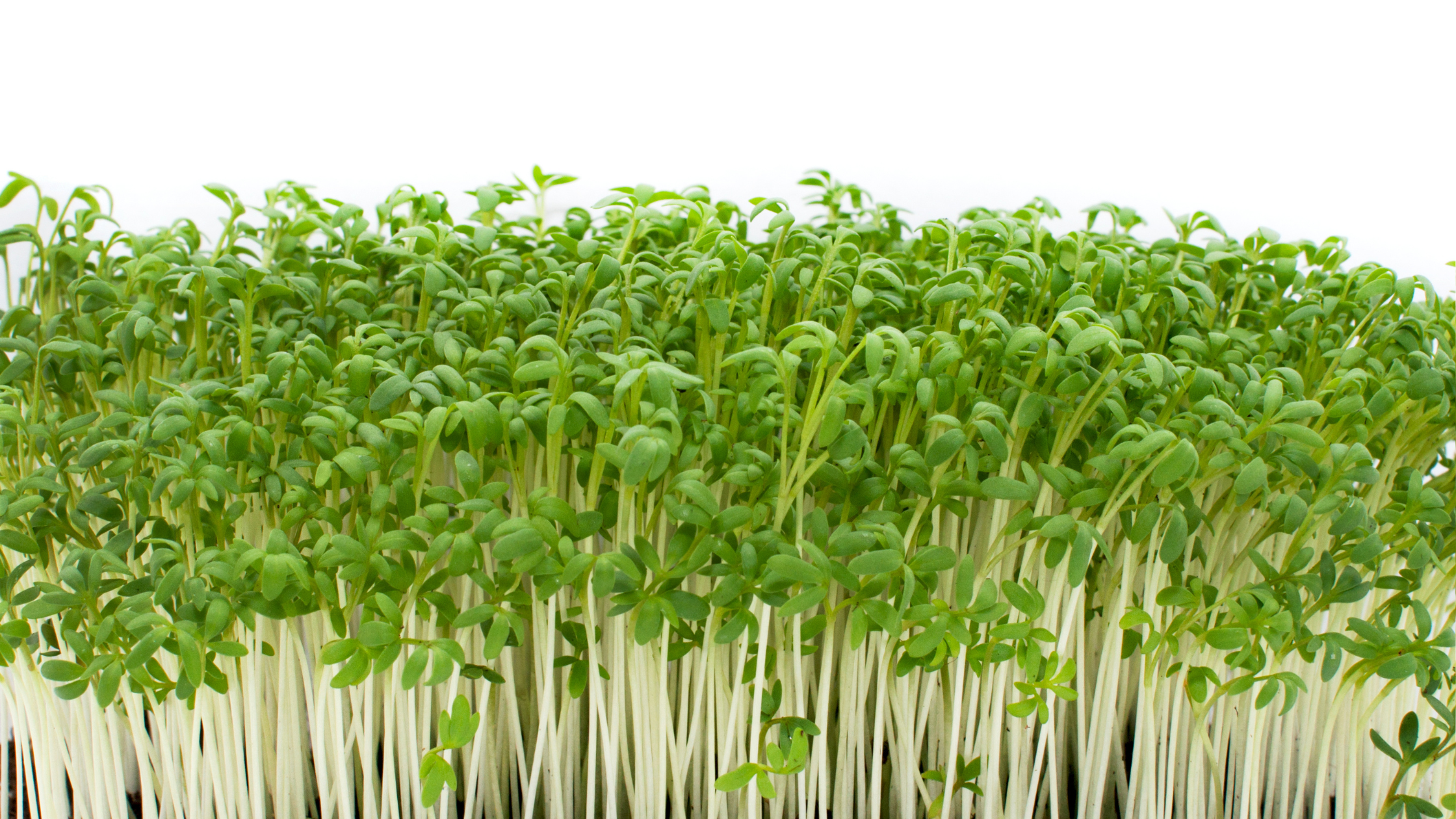
Watercress
In the realm of greens, few possess the nutritional prowess and historical significance as watercress. This aquatic plant, known scientifically as Nasturtium officinale, has adorned plates and potions for centuries, celebrated not only for its refreshing flavor but also for its plethora of health benefits. From ancient civilizations to modern dietary regimens, watercress has maintained its status as a nutritional powerhouse, offering a wide array of vitamins, minerals, and medicinal properties.
History
Watercress boasts a rich history that dates back thousands of years. Ancient Greeks and Romans revered it for its therapeutic properties, utilizing it to treat various ailments, including jaundice and respiratory conditions. Moreover, the medicinal applications of watercress have been chronicled in texts as diverse as those of Hippocrates and Pliny the Elder, showcasing its esteemed status in antiquity.
Health Benefits
The health benefits of watercress are largely attributed to its rich array of phytochemicals, including glucosinolates, flavonoids, and phenolic compounds, which exhibit notable antioxidant, anti-inflammatory, and anti-cancer properties, thereby enhancing the plant’s therapeutic effects. Watercress is particularly recognized for its antioxidant support, as it is high in vitamin C and beta-carotene, which help neutralize free radicals and protect cells from oxidative damage.
Additionally, its significant levels of potassium and magnesium contribute to cardiovascular health by regulating blood pressure and supporting optimal heart function. Research indicates that the glucosinolates present in watercress may also play a role in cancer prevention by inhibiting the growth of cancer cells and reducing the risk of certain types of cancer, including breast, colon, and lung cancer. Furthermore, the dietary fiber in watercress aids digestion and alleviates constipation, while its abundance of vitamin K and calcium supports bone density and helps prevent osteoporosis. Overall, the combination of these bioactive constituents underscores the numerous health benefits associated with the consumption of watercress.
Watercress is a versatile culinary ingredient that can be enjoyed in various forms, both raw and cooked. Traditionally, it is used in salads, where its peppery flavor and crisp texture enhance the overall dish. In many cuisines, watercress is also incorporated into soups, sandwiches, and as a garnish for various entrees, adding a refreshing element to meals.
While cooking watercress can diminish some of its beneficial phytochemicals, such as glucosinolates, it remains a popular choice in cooked dishes, particularly in certain cultures where it is often served sautéed or steamed.
Precautions and Possible Side Effects
While watercress is known for its numerous health benefits, certain individuals should exercise caution when consuming it. Those with thyroid disorders should be particularly mindful, as the high iodine content in watercress may exacerbate conditions such as hyperthyroidism. Additionally, individuals prone to kidney stones should limit their intake, as watercress contains oxalates that can contribute to stone formation. Although generally safe when consumed in moderation, excessive intake of watercress may lead to adverse effects, including digestive distress, where some individuals might experience gastrointestinal discomfort such as bloating and diarrhea, especially after consuming large servings. Furthermore, individuals with sensitivities to watercress or other members of the Brassicaceae family, such as mustard and cabbage, may experience allergic reactions characterized by symptoms like itching, hives, or swelling. It is also important to note that watercress may interact with certain medications, particularly blood thinners, due to its high vitamin K content. Therefore, individuals taking such medications should consult their healthcare provider before incorporating watercress into their diet.
In traditional Chinese medicine (TCM), watercress is regarded for its cooling properties and is primarily associated with the Lung and Stomach meridians. It is utilized to clear heat, resolve toxicity, and promote urination, thereby addressing imbalances in these organ systems. The Lung meridian is responsible for respiratory function, while the Stomach meridian plays a crucial role in digestion and nutrient absorption. By targeting these meridians, watercress is believed to support overall health and well-being.
Similarly, in Western herbal traditions, watercress is valued for its detoxifying properties and is often used to enhance liver and kidney function, further emphasizing its role in promoting bodily health across different cultural practices.
Final Thoughts
Watercress stands as a verdant marvel, cherished for its culinary versatility and potent medicinal properties. From its ancient origins to its modern-day acclaim, this humble aquatic plant continues to captivate with its nutritional bounty and therapeutic potential. Whether enjoyed in salads, soups, or herbal remedies, watercress remains a steadfast ally in the pursuit of health and vitality.
Giallourou, N., Rowland, I., Rothwell, S., Packham, G., Commane, D., & Swann, J. (2018). Metabolic targets of watercress and peitc in mcf-7 and mcf-10a cells explain differential sensitisation responses to ionising radiation. European Journal of Nutrition, 58(6), 2377-2391. https://doi.org/10.1007/s00394-018-1789-8
Gonçalves, E., Cruz, R., Abreu, M., Brandão, T., & Silva, C. (2009). Biochemical and colour changes of watercress (nasturtium officinale r. br.) during freezing and frozen storage. Journal of Food Engineering, 93(1), 32-39. https://doi.org/10.1016/j.jfoodeng.2008.12.027
Hyun, H., Park, H., Jeong, J., Kim, J., Kim, H., Oh, H., … & Kim, H. (2014). Effects of watercress containing rutin and rutin alone on the proliferation and osteogenic differentiation of human osteoblast-like mg-63 cells. Korean Journal of Physiology and Pharmacology, 18(4), 347. https://doi.org/10.4196/kjpp.2014.18.4.347
Martínez-Sánchez, A., Gil‐Izquierdo, Á., Gil, M., & Ferreres, F. (2008). A comparative study of flavonoid compounds, vitamin c, and antioxidant properties of baby leaf brassicaceae species. Journal of Agricultural and Food Chemistry, 56(7), 2330-2340. https://doi.org/10.1021/jf072975+
Payne, A., Mazzer, A., Clarkson, G., & Taylor, G. (2013). Antioxidant assays – consistent findings from frap and orac reveal a negative impact of organic cultivation on antioxidant potential in spinach but not watercress or rocket leaves. Food Science & Nutrition, 1(6), 439-444. https://doi.org/10.1002/fsn3.71
Sadeghi, H., Azarmehr, N., Razmkhah, F., Sadeghi, H., Danaei, N., Omidifar, N., … & Doustimotlagh, A. (2019). The hydroalcoholic extract of watercress attenuates protein oxidation, oxidative stress, and liver damage after bile duct ligation in rats. Journal of Cellular Biochemistry, 120(9), 14875-14884. https://doi.org/10.1002/jcb.28749
Sakil, M., Polash, M., Afrin, S., & Hossain, M. (2019). Evaluation of morphological traits, phytochemical compositions and antioxidant properties of watercress leaves. Progressive Agriculture, 30, 10-16. https://doi.org/10.3329/pa.v30i0.41552
Voutsina, N., Payne, A., Hancock, R., Clarkson, G., Rothwell, S., Chapman, M., … & Taylor, G. (2016). Characterization of the watercress (nasturtium officinale r. br.; brassicaceae) transcriptome using rnaseq and identification of candidate genes for important phytonutrient traits linked to human health. BMC Genomics, 17(1). https://doi.org/10.1186/s12864-016-2704-4
MyFoodData. (n.d.). *Watercress nutrition facts and health benefits*. Retrieved January 7, 2025, from https://tools.myfooddata.com/nutrition-facts/2709639/wt3/1
Medical Disclaimer
The information provided in this document is intended for educational and informational purposes only and should not be construed as medical advice, diagnosis, or treatment. It is essential to consult a qualified healthcare professional for any medical concerns or conditions. The content herein does not substitute for professional medical advice, and individuals should not disregard or delay seeking medical advice based on the information provided.
The authors and publishers of this document do not assume any responsibility for any adverse effects or consequences resulting from the use or application of the information contained herein. The reader is encouraged to conduct their own research and consult with healthcare providers to make informed decisions regarding their health and treatment options. Furthermore, the information presented may not reflect the most current research or medical guidelines, as medical knowledge is continually evolving. Therefore, it is imperative to verify the information with up-to-date, peer-reviewed sources and consult with medical professionals for personalized advice.