
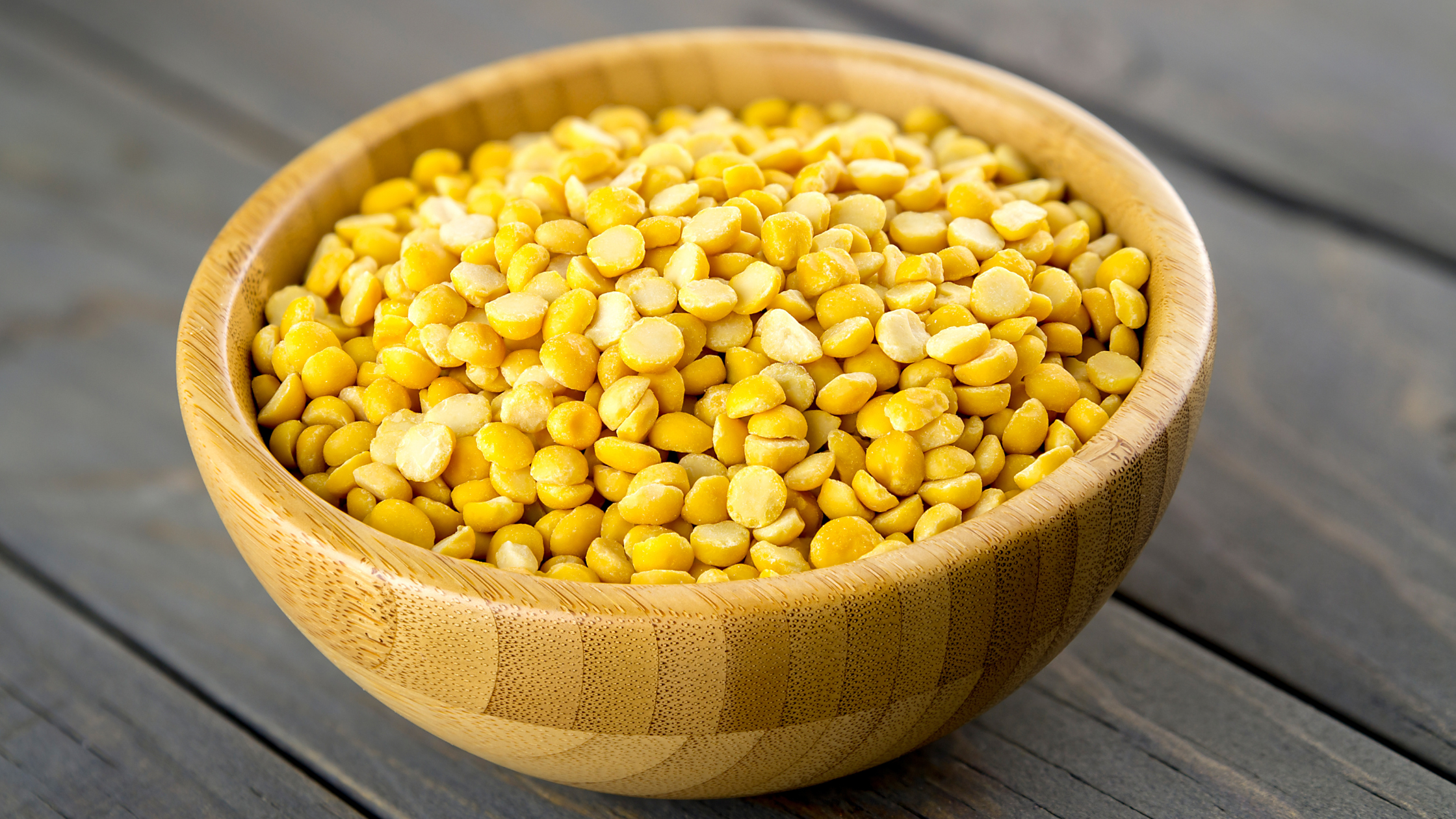
Yellow Peas
Yellow peas, often overlooked in the realm of superfoods, are in fact a powerhouse of nutrition and health benefits. These humble legumes, botanically known as Pisum sativum, have been a staple in diets across cultures for centuries. From their rich history to their modern applications, yellow peas offer a plethora of health advantages that deserve recognition and inclusion in our daily meals.
Yellow peas have a long and esteemed history, dating back thousands of years. Originating in the Mediterranean region, they were one of the earliest crops cultivated by humans. Archaeological evidence suggests that peas were consumed in ancient Egypt, Greece, and Rome. Furthermore, they played a significant role in the diets of civilizations such as the Greeks and the Romans, who valued them for their nutritional content and versatility.
The health benefits of yellow peas are attributed to their unique nutritional composition, which includes a rich supply of protein, dietary fiber, vitamins, and minerals. As a valuable source of plant-based protein, yellow peas contain essential amino acids that contribute to overall health. Their high fiber content not only aids digestion but also promotes a sense of fullness, which can assist in weight management. Specifically, yellow peas offer several health advantages: they support heart health by lowering cholesterol levels through soluble fiber, thereby reducing the risk of heart disease; they help regulate blood sugar levels due to their complex carbohydrates, which are digested slowly, making them suitable for individuals with diabetes; they contribute to weight management by promoting satiety through their protein and fiber content; they enhance digestive health by supporting regularity and preventing constipation; and they are nutrient-dense, providing essential vitamins and minerals such as folate, potassium, and iron, which are crucial for overall well-being.
Yellow peas are increasingly recognized for their versatility in culinary applications, making them a popular ingredient in various dishes. These legumes can be used in their whole form, split, or ground into flour, allowing for a wide range of uses from soups and stews to baked goods and meat alternatives. The flour derived from yellow peas is particularly valued for its high protein and fiber content, which enhances the nutritional profile of products such as bread, pasta, and snacks. Additionally, yellow peas can be incorporated into hybrid meat products, where they contribute to texture and nutritional value while also serving as a plant-based protein source.
While yellow peas are generally safe for consumption, individuals with allergies to legumes should exercise caution when including them in their diet. Additionally, those suffering from certain digestive disorders, such as irritable bowel syndrome (IBS), may experience gastrointestinal discomfort after consuming yellow peas. Although rare, excessive intake of yellow peas can lead to bloating, gas, or other digestive issues in some individuals. Furthermore, those taking medications for blood sugar control should closely monitor their blood sugar levels when incorporating large quantities of yellow peas into their diet, as these legumes may influence blood sugar levels.
In Eastern medicine, yellow peas are traditionally regarded as beneficial for nourishing the spleen and stomach meridians, which are essential for digestion, nutrient absorption, and overall vitality. This belief underscores their role in promoting digestive health and enhancing energy levels.
Conversely, in Western cuisine, yellow peas are celebrated for their versatility and impressive nutritional profile, making them a popular ingredient in a diverse array of both savory and sweet dishes.
In conclusion, yellow peas are a treasure trove of nutrition and health benefits. From their ancient origins to their modern-day applications, these legumes continue to be a valuable addition to any diet. Whether enjoyed in traditional dishes or innovative recipes, yellow peas offer a delicious and nutritious way to support overall health and well-being.
Chaudhary, A., Marinangeli, C., Tremorin, D., & Mathys, A. (2018). Nutritional combined greenhouse gas life cycle analysis for incorporating canadian yellow pea into cereal-based food products. Nutrients, 10(4), 490. https://doi.org/10.3390/nu10040490
Fahmi, R., Blewett, H., Stebbing, J., Olson, N., Ryland, D., & Aliani, M. (2022). Acute effects of split pea-enriched white pan bread on postprandial glycemic and satiety responses in healthy volunteers—a randomized crossover trial. Foods, 11(7), 1002. https://doi.org/10.3390/foods11071002
Marinangeli, C. and Jones, P. (2010). Whole and fractionated yellow pea flours reduce fasting insulin and insulin resistance in hypercholesterolaemic and overweight human subjects. British Journal of Nutrition, 105(1), 110-117. https://doi.org/10.1017/s0007114510003156
Rasskazova, I. and Kirse-Ozolina, A. (2020). Field pea pisum sativum l. as a perspective ingredient for vegan foods: a review., 35, 125-131. https://doi.org/10.22616/rrd.26.2020.019
Smith, C., Mollard, R., Luhovyy, B., & Anderson, G. (2012). The effect of yellow pea protein and fibre on short-term food intake, subjective appetite and glycaemic response in healthy young men. British Journal of Nutrition, 108(S1), S74-S80. https://doi.org/10.1017/s0007114512000700
Stilling, K. (2020). Health benefits of pea protein isolate: a comparative review. Surg Journal, 12(1). https://doi.org/10.21083/surg.v12i1.6111
Suhaema, S. (2023). Hypoglycemic effect pigeon pea (cajanus cajan) in diabetes mellitus. Jurnal Gizi Prima (Prime Nutrition Journal), 8(1), 1. https://doi.org/10.32807/jgp.v8i1.394
Tsuchiya, Y., Yoshimoto, J., Kobayashi, H., Ishii, S., & Kishi, M. (2023). Yellow pea pasta enhances the saltiness and suppression of postprandial blood glucose elevation. Nutrients, 15(2), 283. https://doi.org/10.3390/nu15020283
MyFoodData. (n.d.). *Yellow peas nutrition facts and health benefits*. Retrieved January 7, 2025, from https://tools.myfooddata.com/nutrition-facts/172429/wt1/1
Medical Disclaimer
The information provided in this document is intended for educational and informational purposes only and should not be construed as medical advice, diagnosis, or treatment. It is essential to consult a qualified healthcare professional for any medical concerns or conditions. The content herein does not substitute for professional medical advice, and individuals should not disregard or delay seeking medical advice based on the information provided.
The authors and publishers of this document do not assume any responsibility for any adverse effects or consequences resulting from the use or application of the information contained herein. The reader is encouraged to conduct their own research and consult with healthcare providers to make informed decisions regarding their health and treatment options. Furthermore, the information presented may not reflect the most current research or medical guidelines, as medical knowledge is continually evolving. Therefore, it is imperative to verify the information with up-to-date, peer-reviewed sources and consult with medical professionals for personalized advice.