
The Golden Gourd: Exploring the Marvels of Yellow Squash
Yellow squash, with its vibrant hue and delicate flavor, has long adorned dinner plates and found its way into culinary creations around the world. This humble vegetable, botanically known as Cucurbita pepo, belongs to the gourd family and boasts an array of health benefits. From its rich history to its modern-day applications, yellow squash continues to captivate both chefs and health enthusiasts alike.
History
The cultivation of yellow squash dates back thousands of years, with its origins traced to Mesoamerica. Ancient civilizations such as the Maya and Aztecs revered squash for its nutritional value and versatility in cooking. Spanish explorers later introduced squash to Europe and other parts of the world during the Columbian Exchange in the 15th and 16th centuries.
Health Benefits
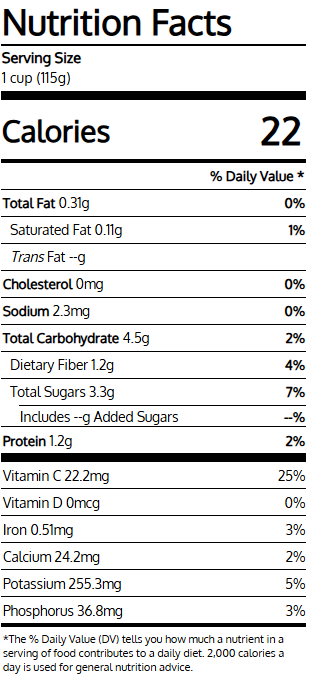
Yellow squash is recognized for its health-promoting properties, which can be attributed to its impressive nutrient profile that includes a variety of vitamins, minerals, and antioxidants. A key component of yellow squash is beta-carotene, a precursor to vitamin A, which plays a vital role in supporting vision, immune function, and skin health. Furthermore, yellow squash is rich in vitamin C, potassium, and dietary fiber, all of which contribute to overall well-being. The consumption of yellow squash offers numerous health benefits, including support for eye health, improved digestion, enhanced heart health, and potential regulation of blood sugar levels. Its antioxidant content helps combat oxidative stress and inflammation in the body, thereby reducing the risk of chronic diseases such as cancer and cardiovascular conditions.
Best Preparation Methods
Yellow squash is celebrated for its culinary versatility and nutritional benefits. It can be prepared in various ways, including grilling, roasting, sautéing, or incorporating it into soups and stews, making it a popular choice in a wide range of dishes. Its mild flavor and tender texture allow it to complement both savory and sweet recipes, from vegetable medleys to baked goods. Additionally, yellow squash is rich in vitamins, minerals, and antioxidants, contributing to its appeal as a healthful ingredient in meals.

Precautions and Possible Side Effects
Yellow squash is generally considered safe for consumption; however, individuals with a history of allergies to other members of the Cucurbitaceae family, such as cucumbers or melons, should exercise caution. Some individuals may experience allergic reactions or digestive discomfort, particularly when consuming large quantities of squash. To mitigate the risk of adverse reactions, it is advisable to cook the squash thoroughly. While yellow squash is not known to have adverse interactions with medications or other foods, individuals taking medications for blood sugar regulation should monitor their intake, as it may influence blood glucose levels. Overall, awareness of personal health conditions and moderation in consumption can help ensure a positive experience with this nutritious vegetable.
Eastern and Western Nutrition
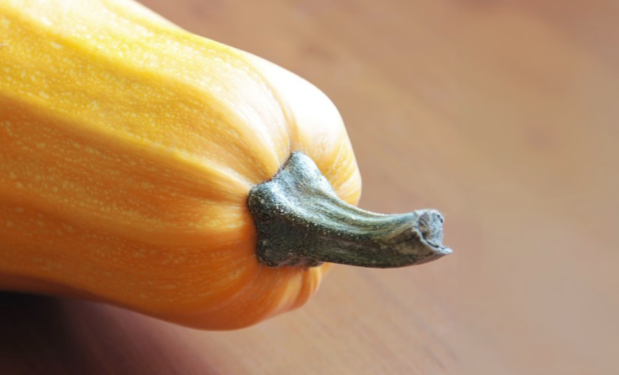
In traditional Chinese medicine (TCM), squash, particularly yellow squash, is recognized for its cooling properties and is linked to the spleen and stomach meridians, where it is believed to support their functions and enhance overall digestive health. It is commonly utilized to clear heat from the body and promote digestion. Conversely, in Western herbalism, while squash is not as frequently employed for medicinal purposes, it is appreciated for its nutritional value and culinary versatility, highlighting its role as a beneficial food source rather than a primary herbal remedy.
Final Thoughts
Yellow squash is a versatile and nutritious vegetable with a rich history and a plethora of health benefits. Whether enjoyed in a savory stir-fry or a refreshing salad, this golden gourd adds color, flavor, and vitality to any meal.
References
Azevedo-Meleiro, C. and Rodriguez–Amaya, D. (2007). Qualitative and quantitative differences in carotenoid composition among cucurbita moschata, cucurbita maxima, and cucurbita pepo. Journal of Agricultural and Food Chemistry, 55(10), 4027-4033. https://doi.org/10.1021/jf063413d
Coolong, T. (2017). Yellow squash and zucchini cultivar evaluation in georgia. Horttechnology, 27(2), 296-302. https://doi.org/10.21273/horttech03605-16
Rolnik, A., Kowalska, I., Soluch, A., Stochmal, A., & Olas, B. (2020). Comparative phytochemical, antioxidant and haemostatic studies of preparations from selected vegetables from cucurbitaceae family. Molecules, 25(18), 4326. https://doi.org/10.3390/molecules25184326
Tadmor, Y., Paris, H., Meir, A., Schaffer, A., & Lewinsohn, E. (2005). Dual role of the pigmentation gene b in affecting carotenoid and vitamin e content in squash (cucurbita pepo) mesocarp. Journal of Agricultural and Food Chemistry, 53(25), 9759-9763. https://doi.org/10.1021/jf0520591
Wang, Z., Liu, X., & Li, J. (2017). Woman with yellow palms and soles. Jama, 317(15), 1574. https://doi.org/10.1001/jama.2017.1229
MyFoodData. (n.d.). *Nutrition facts for yellow squash*. Retrieved January 7, 2025, from https://tools.myfooddata.com/nutrition-facts/2709807/wt2/1
More Articles You May Like
The Therapeutic Potential of Herbs and Spices
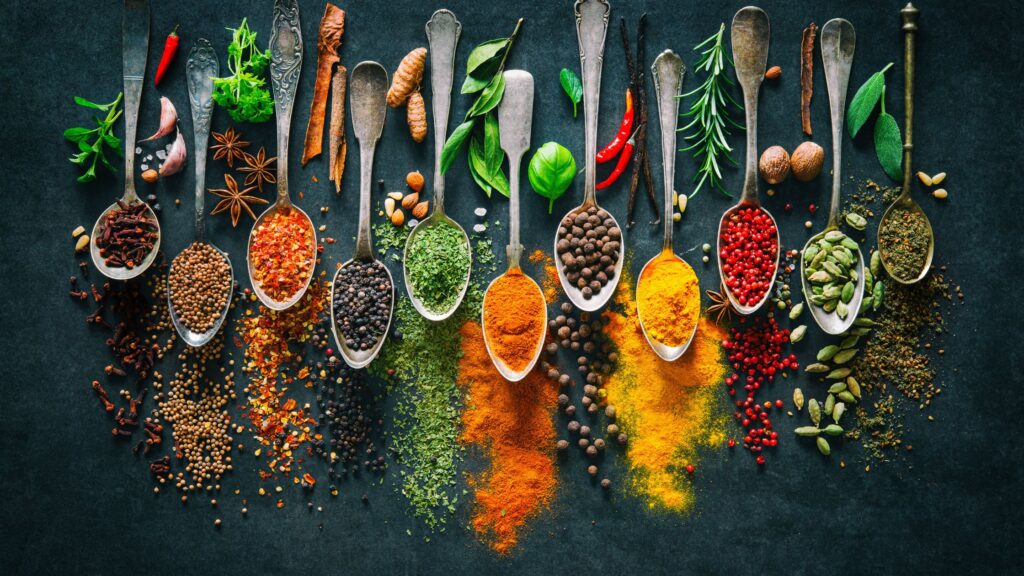
The utilization of herbs and spices in Traditional Chinese Medicine (TCM) and Ayurvedic medicine exemplifies the profound interconnection between culinary practices and health. For centuries, these natural ingredients have been integral to holistic health systems, serving not only as flavor enhancers in diverse cuisines but also as potent therapeutic agents. In TCM, herbs are meticulously selected based on their properties to restore balance and harmony within the body, while Ayurvedic practices emphasize the use of spices to support digestion, enhance vitality, and prevent disease. This...

The Role of Essential Minerals
Minerals are inorganic elements that play a fundamental role in numerous physiological processes essential for human health. Unlike macronutrients such as carbohydrates, proteins, and fats, which provide energy, minerals are crucial for a variety of functions, including structural support, enzymatic reactions, and the regulation of metabolic pathways. The human body requires a range of minerals, categorized into macrominerals (needed in larger amounts) and trace minerals (required in smaller quantities), each serving distinct and vital roles. The significance of these essential minerals...
Recipe Template
Stuffed Acorn Squash A delicious and hearty stuffed acorn squash recipe, perfect for a cozy dinner. This dish combines sweet, savory, and nutty flavors, making it a favorite for fall and winter meals. Print Recipe SCREEN LOCKPrevent your screen from going dark Prep Time 15 minutes minsCook Time 45 minutes mins Course Main CourseCuisine American Servings 4Calories 350 kcal Ingredients 1x2x3xFor the Squash:2 medium acorn squashes (halved and seeds removed)1 tbsp olive oil½ tsp salt¼ tsp black pepperFor the Filling:1 tbsp olive...

Magnesium
Magnesium is an essential mineral that plays a vital role in numerous physiological functions, including energy production, muscle contraction, and nerve transmission. Given its importance, various forms of magnesium supplements are available, each with unique properties, benefits, and absorption characteristics. This article discusses the different types of magnesium, their benefits, natural sources, daily requirements, and a comparative analysis to help individuals choose the most suitable form for their needs. Additionally, we will explore how magnesium is synthesized in laboratories,...

Nicotinamide Adenine Dinucleotide (NAD)
Nicotinamide adenine dinucleotide (NAD) is a crucial coenzyme found in all living cells, playing a vital role in various biological processes, including energy metabolism, DNA repair, and cell signaling. This article will explore the history and description of NAD, the emerging trend of intravenous (IV) NAD therapy, its benefits and precautions, natural sources, the significance of redox reactions in its function, the differences between various NAD supplements, and important considerations for consumers seeking NAD supplementation. History of NAD The discovery of NAD dates back to the...

Test WP 102
Chicken Harvest Dinner A fresh and flavorful farm-to-table dinner featuring locally sourced ingredients to create a wholesome and nourishing meal. This recipe highlights the best of seasonal produce and proteins, perfect for a delicious and satisfying dining experience. Print Recipe SCREEN LOCKPrevent your screen from going dark Prep Time 15 minutes minsCook Time 30 minutes mins Course Main CourseCuisine American Servings 2Calories 578 kcal Ingredients 1x2x3xFor the Main Dish:2 boneless (pasture-raised chicken breasts 450g / 1 lb)1 tbsp 15ml olive oil1 tsp 5g...

Vitamin D and D3
Sources, Functions, and Health Implications Vitamin D is a fat-soluble vitamin that plays a crucial role in various physiological processes, including calcium and phosphorus metabolism, bone health, and immune function. It exists in two primary forms: vitamin D2 (ergocalciferol) and vitamin D3 (cholecalciferol). Vitamin D2 is primarily derived from plant sources, particularly fungi and yeast, while vitamin D3 is predominantly obtained from animal sources and synthesized in the skin upon exposure to ultraviolet B (UVB) light (Park et al., 2019; Benedik, 2022). Understanding the best...

Probiotics in NF-κB Modulation
Nuclear Factor kappa-light-chain-enhancer of activated B cells (NF-κB) is a crucial transcription factor involved in regulating immune responses, inflammation, and cell survival. Chronic activation of NF-κB is associated with various inflammatory diseases, autoimmune disorders, and cancers. Probiotics, which are live microorganisms that confer health benefits to the host, have been shown to modulate NF-κB activity and may serve as a therapeutic strategy for managing conditions associated with chronic inflammation. Types of Probiotics Beneficial for NF-κB Modulation Lactobacillus Species...
Health Risks of Plastic Packaging
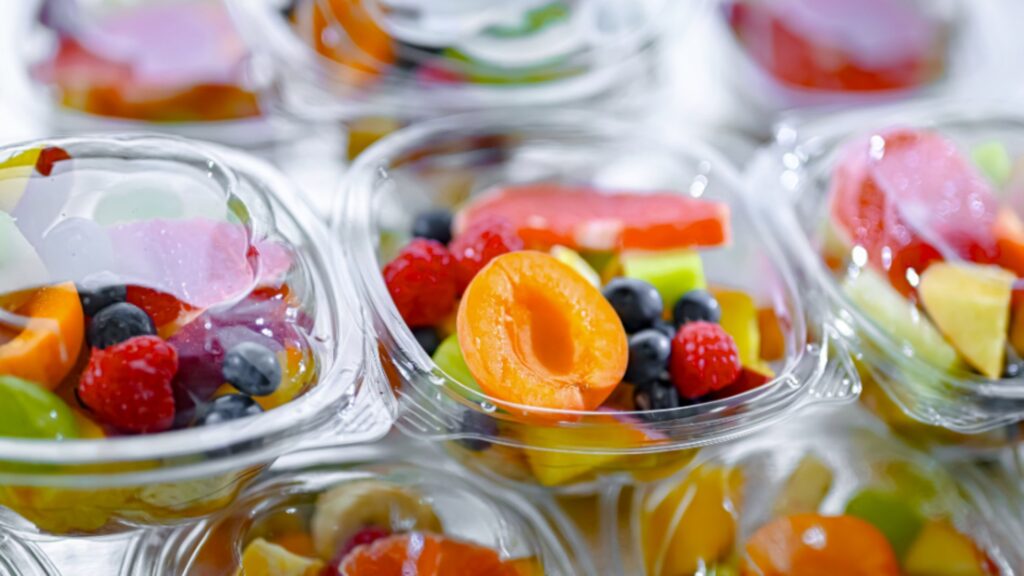
Plastic resins are ubiquitous in food packaging, providing benefits such as durability, lightweight properties, and cost-effectiveness. However, the health implications associated with these materials have raised significant concerns. This article explores the Plastic Resin Identification Codes (RICs), detailing their names, descriptions, associated dangers, and the health consequences of prolonged use. Polyethylene Terephthalate (PET or PETE) – Code 1Description: PET is widely used for beverage bottles and food containers due to its strength and barrier properties against moisture...
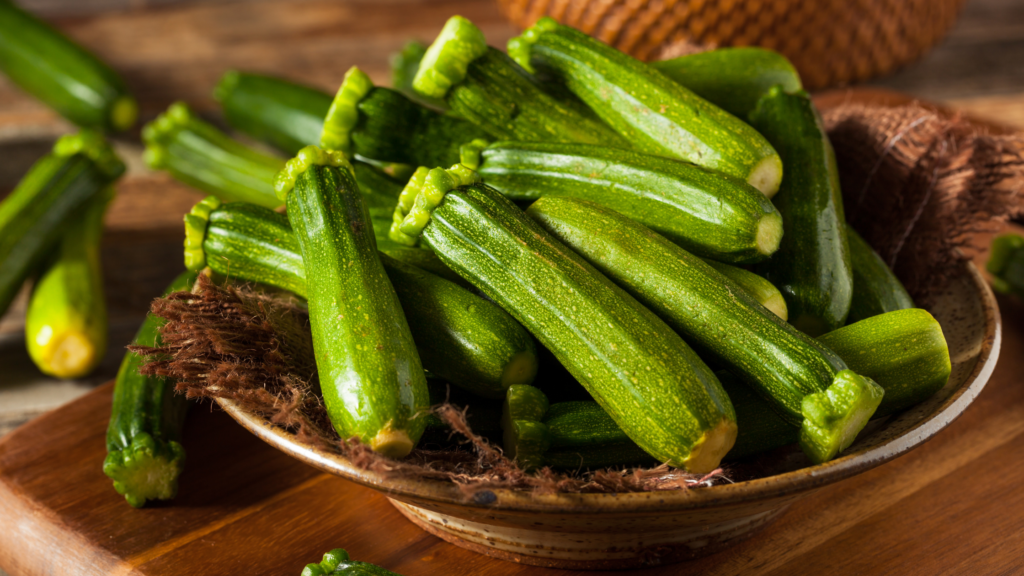
Zucchini
Zucchini, scientifically known as Cucurbita pepo, is a versatile and nutritious vegetable celebrated in cuisines worldwide. Its mild flavor and tender texture make it a popular ingredient in various dishes, from salads to stir-fries and even baked goods. Beyond its culinary charm, zucchini boasts an array of health benefits, making it a staple in many diets. History Zucchini traces its origins back to the Americas, where it was domesticated thousands of years ago. The cultivation of zucchini spread to Europe in the late 15th century, following the voyages of Christopher Columbus. ...

Yellow Peas
Yellow peas, often overlooked in the realm of superfoods, are in fact a powerhouse of nutrition and health benefits. These humble legumes, botanically known as Pisum sativum, have been a staple in diets across cultures for centuries. From their rich history to their modern applications, yellow peas offer a plethora of health advantages that deserve recognition and inclusion in our daily meals.Yellow peas have a long and esteemed history, dating back thousands of years. Originating in the Mediterranean region, they were one of the earliest crops cultivated by humans. Archaeological...

Yams
Yam, often referred to as the “starchy tuber,” is a versatile root vegetable cherished for its culinary diversity and remarkable health benefits. Belonging to the Dioscoreaceae family, yams have been cultivated and consumed for centuries across various cultures globally. Beyond its culinary appeal, yam boasts a plethora of nutrients and bioactive compounds that contribute to its medicinal properties.The history of yams traces back thousands of years, with evidence of cultivation dating back to ancient times in regions like Africa, Asia, and the Americas. African countries,...
Medical Disclaimer
The information provided in this document is intended for educational and informational purposes only and should not be construed as medical advice, diagnosis, or treatment. It is essential to consult a qualified healthcare professional for any medical concerns or conditions. The content herein does not substitute for professional medical advice, and individuals should not disregard or delay seeking medical advice based on the information provided.
The authors and publishers of this document do not assume any responsibility for any adverse effects or consequences resulting from the use or application of the information contained herein. The reader is encouraged to conduct their own research and consult with healthcare providers to make informed decisions regarding their health and treatment options. Furthermore, the information presented may not reflect the most current research or medical guidelines, as medical knowledge is continually evolving. Therefore, it is imperative to verify the information with up-to-date, peer-reviewed sources and consult with medical professionals for personalized advice.