
Are Exosomes a Byproduct of Human Umbilical Cord Mesenchymal Stem Cells (HUC-MSCs)?
Introduction
Exosomes are small extracellular vesicles (30-150 nm in diameter) released by various cell types, including mesenchymal stem cells (MSCs). They play a crucial role in intercellular communication by transferring proteins, lipids, and nucleic acids between cells. Human umbilical cord mesenchymal stem cells (HUC-MSCs) are a rich source of exosomes, which have gained attention for their therapeutic potential in various medical conditions. This article explores whether exosomes can be considered a byproduct of HUC-MSCs and discusses their significance in therapeutic applications.
Exosomes as a Byproduct of HUC-MSCs
Exosomes derived from HUC-MSCs are indeed considered a byproduct of these stem cells. When HUC-MSCs are cultured, they release exosomes into the surrounding medium. These exosomes contain a variety of bioactive molecules, including microRNAs, proteins, and lipids, which reflect the cellular origin and functional state of the parent stem cells (Ren et al., 2021)Huang et al., 2023). The release of exosomes is a natural process that occurs as part of the cellular metabolism and communication mechanisms of HUC-MSCs.
Composition and Function of HUC-MSC-Derived Exosomes
HUC-MSC-derived exosomes are enriched in specific microRNAs and proteins that contribute to their therapeutic effects. For example, studies have shown that exosomes from HUC-MSCs can promote osteogenesis and tissue repair by activating signaling pathways such as the AKT pathway (Ren et al., 2021). Additionally, exosomes derived from HUC-MSCs have been found to contain anti-inflammatory factors that can modulate immune responses, making them valuable in treating conditions characterized by inflammation (Shi et al., 2022; Shao et al., 2020).
Therapeutic Applications of HUC-MSC-Derived Exosomes
The therapeutic potential of HUC-MSC-derived exosomes has been widely studied. For instance, exosomes have been shown to enhance wound healing and tissue regeneration by promoting angiogenesis and collagen synthesis (Hu, 2023; Shao et al., 2020). They also play a role in protecting against oxidative stress and inflammation in various disease models, including liver fibrosis and acute lung injury (Shao et al., 2020; Lin et al., 2022). The ability of these exosomes to deliver bioactive molecules to target cells makes them a promising alternative to direct stem cell therapies.
Advantages of Using Exosomes Over Stem Cells
Using exosomes derived from HUC-MSCs offers several advantages over direct stem cell therapy. Exosomes are less immunogenic, reducing the risk of adverse immune reactions when administered to patients (Huang et al., 2023; Yan et al., 2022). They can also be easily isolated and stored, making them more practical for clinical applications. Furthermore, exosomes can exert their effects without the need for the complex procedures associated with stem cell transplantation (Yang et al., 2019; Li et al., 2021).
Conclusion
In summary, exosomes are indeed a byproduct of human umbilical cord mesenchymal stem cells (HUC-MSCs) and play a significant role in mediating their therapeutic effects. The unique composition and functional properties of HUC-MSC-derived exosomes position them as a valuable tool in regenerative medicine, offering a promising alternative to traditional stem cell therapies. Continued research into the mechanisms and applications of these exosomes will be essential for harnessing their full therapeutic potential.
References
1. Ren et al., (2021). “Exosomes Derived from Human Umbilical Cord Mesenchymal Stem Cells Promote Osteogenesis Through the AKT Signaling Pathway in Postmenopausal Osteoporosis” (2021) doi:10.21203/rs.3.rs-903221/v1
2. Shi et al., (2022). “Human umbilical cord mesenchymal stromal cell-derived exosomes protect against MCD-induced NASH in a mouse model” Stem Cell Research & Therapy (2022) doi:10.1186/s13287-022-03201-7
3. Huang et al., (2023). “Mechanisms of human umbilical cord mesenchymal stem cells-derived exosomal lncRNA GAS5 in alleviating EMT of HPMCs via Wnt/β-catenin signaling pathway” Aging (2023) doi:10.18632/aging.204719
4. Hu, (2023). “Enhanced wound healing and hemostasis with exosome-loaded gelatin sponges from human umbilical cord mesenchymal stem cells” World Journal of Stem Cells (2023) doi:10.4252/wjsc.v15.i9.947
5. Shao et al., (2020). “Exosomes derived from human umbilical cord mesenchymal stem cells ameliorate IL-6-induced acute liver injury through miR-455-3p” Stem Cell Research & Therapy (2020) doi:10.1186/s13287-020-1550-0
6. Yan et al., (2022 “HUC-MSC-derived exosomes modified with the targeting peptide of aHSCs for liver fibrosis therapy” Journal of Nanobiotechnology (2022) doi:10.1186/s12951-022-01636-x
7. Yang et al., (2019). “Exposure to blue light stimulates the proangiogenic capability of exosomes derived from human umbilical cord mesenchymal stem cells” Stem Cell Research & Therapy (2019) doi:10.1186/s13287-019-1472-x
8. Li et al., (2021). “Exosomes From Human Umbilical Cord-derived Mesenchymal Stem Cells Alleviate Osteoarthritis by Balancing the Synthesis and Degradation of Cartilage Extracellular Matrix and Regulating Macrophage Polarization” (2021) doi:10.21203/rs.3.rs-618845/v1
More Articles You May Like
Alpha-2 Macroglobulin
Alpha-2 Macroglobulin (A2M) is a large protein found in the blood that plays a significant role in the body’s immune response and tissue repair processes. It is classified as a protease inhibitor, meaning it can bind to and inhibit the activity of various enzymes that break down proteins, known as proteases. This function is crucial because excessive protease activity can lead to tissue damage and inflammation, which are common in various medical conditions, including orthopedic injuries and diseases (Huang et al., 2022; Vandooren & Itoh, 2021). A2M is produced primarily in the...

Stem Cells in Orthopedics
Stem cell therapy has emerged as a transformative approach in orthopedic medicine, particularly for conditions involving cartilage damage, bone defects, and other musculoskeletal disorders. This article reviews the current applications of stem cell therapy in orthopedics, focusing on mesenchymal stem cells (MSCs), their sources, therapeutic potential, challenges, and future directions. Introduction Orthopedic conditions, including osteoarthritis, cartilage injuries, and nonunion fractures, pose significant challenges in clinical practice. Traditional treatment modalities often provide...
Stem Cell Changes and Clinical Hypnotherapy
The field of stem cell research has garnered significant attention due to its implications for regenerative medicine and the treatment of age-related diseases. As stem cells age, they undergo a series of intrinsic and extrinsic changes that affect their functionality and regenerative potential. Concurrently, clinical hypnotherapy has emerged as a therapeutic modality that may influence biological processes, including those associated with stem cell behavior. This article explores the intersection of stem cell aging and clinical hypnotherapy, highlighting the potential mechanisms through...
Stem Cell and Mindfulness
The intersection of stem cell research and mindfulness practices has garnered increasing attention in recent years, particularly in the context of neuroplasticity and mental health. Neuroplasticity refers to the brain’s ability to reorganize itself by forming new neural connections throughout life, a process that is significantly influenced by both environmental factors and intrinsic biological mechanisms. Stem cells, particularly neural stem cells (NSCs), play a crucial role in this process by contributing to neurogenesis, the formation of new neurons, and the repair of damaged...
HUC-MSCs Promising Therapeutic Options
Abstract: Human umbilical cord mesenchymal stem cells (HUC-MSCs) have emerged as a promising therapeutic option for various medical conditions, including autoimmune diseases, autism spectrum disorders (ASD), longevity-related health issues, and orthopedic applications. This article reviews the current understanding of HUC-MSCs, their mechanisms of action, and their potential applications in these areas. The unique properties of HUC-MSCs, such as their immunomodulatory effects, ability to differentiate into various cell types, and paracrine signaling capabilities, position them as a...

MSCs and Paracrine Signaling
The duration and efficacy of paracrine signaling initiated by stem cells, particularly mesenchymal stem cells (MSCs), is a topic of significant interest in regenerative medicine. Paracrine signaling refers to the process by which cells communicate with nearby cells through the release of signaling molecules, which can influence various biological processes, including tissue repair and regeneration. The question of whether this signaling can last for a few years is complex and depends on several factors, including the nature of the signaling molecules, the cellular environment, and the...

Literature Review: Heavy Metals and Stem Cells
Heavy metals are a significant environmental concern due to their toxic effects on living organisms, including stem cells. Stem cells, which possess the unique ability to differentiate into various cell types, are particularly vulnerable to the detrimental impacts of heavy metals. This literature review synthesizes current research findings on the effects of heavy metals on stem cells, focusing on their mechanisms of toxicity, implications for human health, potential pathways for remediation, and detoxification strategies. Heavy metals such as lead, cadmium, arsenic, and chromium are...

How NF-κB Affects Stem Cells
Introduction Nuclear Factor kappa-light-chain-enhancer of activated B cells (NF-κB) is a transcription factor that plays a crucial role in regulating various cellular processes, including inflammation, immune response, cell proliferation, and apoptosis. Its influence extends to stem cells, where NF-κB signaling can modulate stem cell properties, including self-renewal, differentiation, and response to environmental stimuli. This article explores the effects of NF-κB on stem cells, the mechanisms involved, and the implications for cancer and regenerative medicine. NF-κB Activation in Stem...
Abstracts: Genotoxic Effects of MSG
Recent Abstracts: Genotoxic Effects of MSG Aghaei et al. (2021) explores the damaging effects of Monosodium Glutamate on DNA and the body’s endogenous pathways for DNA repair. The review emphasizes that with the increasing use of food additives like MSG, the risk of DNA damage is becoming more prominent. It discusses the genotoxicity of MSG, methods to detect and repair DNA damage, and natural compounds that may help prevent such damage. This comprehensive overview provides a foundational understanding of how MSG can affect genetic material.Hazzaa et al. (2020) further...

Monosodium Glutamate: Its Impact on DNA
Monosodium glutamate (MSG), a widely used flavor enhancer, has garnered significant attention in scientific research due to its potential toxic effects, particularly concerning DNA damage. Numerous studies have indicated that MSG can induce oxidative stress, a major contributor to DNA damage across various biological systems. This article synthesizes the evidence surrounding MSG’s impact on DNA integrity and explores potential remedies to mitigate the associated damage. Oxidative stress results from an imbalance between reactive oxygen species (ROS) and the body’s ability to...
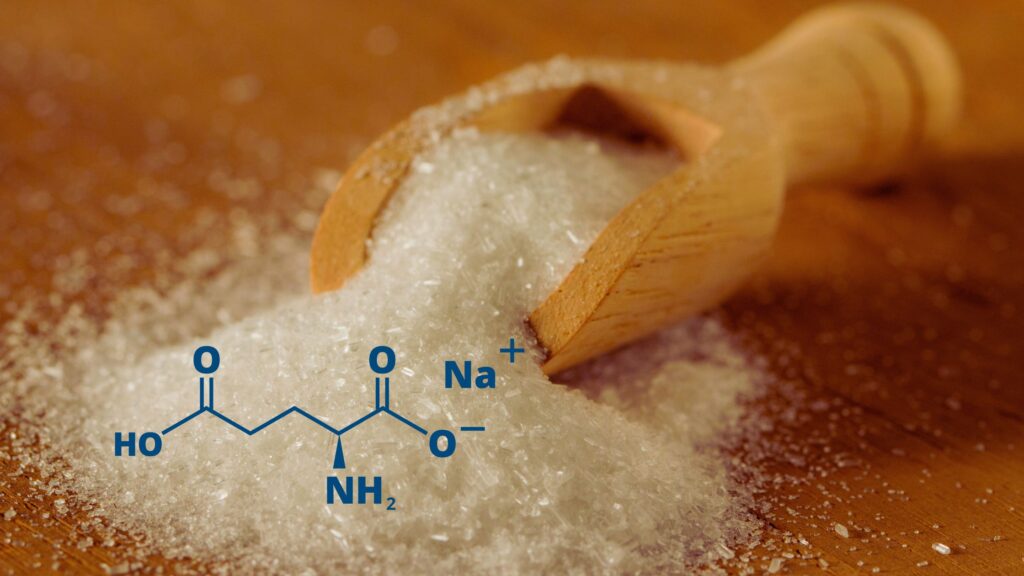
Monosodium Glutamate (MSG)
Monosodium glutamate (MSG) is a widely used flavor enhancer derived from glutamic acid, an amino acid naturally present in many foods. It is commonly found in processed foods, snacks, and restaurant dishes, contributing to umami flavor, which is often described as savory or meaty. MSG enhances the taste of food by stimulating the glutamate receptors on the tongue, making it a popular additive in culinary practices worldwide. Despite its popularity, MSG has been the subject of controversy regarding its potential health effects, with some individuals reporting adverse reactions after...

A Double-Edged Sword: NF-kB and Stem Cells
Nuclear Factor kappa-light-chain-enhancer of activated B cells (NF-κB) is a transcription factor that plays a pivotal role in regulating immune responses, inflammation, cell proliferation, and apoptosis. Its dual role as both a promoter of inflammation and a mediator of cell survival makes NF-κB a double-edged sword in various biological contexts, particularly in stem cell biology and the maintenance of homeostasis. This article explores how NF-κB affects stem cells, its implications for inflammation balance, and the potential for therapeutic interventions. NF-κB Activation and Its...
Medical Disclaimer
The information provided in this document is intended for educational and informational purposes only and should not be construed as medical advice, diagnosis, or treatment. It is essential to consult a qualified healthcare professional for any medical concerns or conditions. The content herein does not substitute for professional medical advice, and individuals should not disregard or delay seeking medical advice based on the information provided.
The authors and publishers of this document do not assume any responsibility for any adverse effects or consequences resulting from the use or application of the information contained herein. The reader is encouraged to conduct their own research and consult with healthcare providers to make informed decisions regarding their health and treatment options. Furthermore, the information presented may not reflect the most current research or medical guidelines, as medical knowledge is continually evolving. Therefore, it is imperative to verify the information with up-to-date, peer-reviewed sources and consult with medical professionals for personalized advice.