
The Role of Stem Cells in Orthopedic Medicine
Current Applications and Future Directions
Stem cell therapy has emerged as a transformative approach in orthopedic medicine, particularly for conditions involving cartilage damage, bone defects, and other musculoskeletal disorders. This article reviews the current applications of stem cell therapy in orthopedics, focusing on mesenchymal stem cells (MSCs), their sources, therapeutic potential, challenges, and future directions.
Introduction
Orthopedic conditions, including osteoarthritis, cartilage injuries, and nonunion fractures, pose significant challenges in clinical practice. Traditional treatment modalities often provide limited relief and may involve invasive surgical procedures. In recent years, stem cell therapy has gained attention as a promising alternative, leveraging the regenerative capabilities of stem cells to promote tissue repair and regeneration (Diederichs et al., 2012; Sampson et al., 2015).
Sources of Stem Cells
Mesenchymal stem cells (MSCs) are the most studied type of stem cells in orthopedic applications. They can be isolated from various tissues, including:
- Bone Marrow: Bone marrow-derived MSCs (BM-MSCs) are well-characterized and have demonstrated efficacy in promoting bone healing and cartilage repair (Berebichez-Fridman et al., 2017; Lee, 2024). However, the invasive nature of bone marrow aspiration and the decline in marrow activity with age pose challenges (Kyriakidis, 2023).
- Adipose Tissue: Adipose-derived stem cells (ADSCs) are increasingly utilized due to their ease of harvest and higher yield compared to BM-MSCs (Arshi et al., 2020). ADSCs have shown potential in treating osteoarthritis and enhancing cartilage regeneration (Raza, 2024).
- Synovial Tissue: Synovial-derived stem cells are another emerging source, although research in this area is still limited (Zou et al., 2013).
- Umbilical Cord and Other Sources: Umbilical cord-derived stem cells and other sources such as dental pulp are being explored for their regenerative potential in orthopedic applications (Marcucio et al., 2015; Eliasberg et al., 2021).
Therapeutic Applications
Stem cell therapy has been investigated for various orthopedic conditions:
- Osteoarthritis: Intra-articular injections of MSCs have shown significant improvements in pain and function in patients with knee osteoarthritis, providing a less invasive alternative to traditional surgical interventions (Arthurs et al., 2022; Liang, 2024). Studies indicate that the benefits of MSC therapy can last up to 24 months post-treatment (Sharma, 2024).
- Cartilage Repair: MSCs can differentiate into chondrocytes, making them ideal candidates for cartilage repair. Their application in treating focal cartilage defects has shown promising results in clinical trials (Sampson et al., 2015; Berebichez-Fridman et al., 2017).
- Bone Healing: MSCs play a crucial role in bone regeneration, particularly in cases of nonunion fractures. They can enhance the healing process by promoting angiogenesis and osteogenesis (Pak et al., 2017; Kuyucu et al., 2017).
- Tendon and Ligament Injuries: The use of stem cells in treating tendon and ligament injuries is an area of active research, with preliminary studies indicating potential benefits in healing and functional recovery (Sharma, 2024; Akpancar et al., 2016).
Mechanisms of Action
The therapeutic effects of stem cells are attributed to several mechanisms, including:
- Differentiation: MSCs can differentiate into various cell types, including osteoblasts and chondrocytes, essential for tissue repair (Liang, 2024).
- Immunomodulation: MSCs possess immunomodulatory properties that can reduce inflammation and promote a favorable healing environment (LoGuidice et al., 2016; Рhatomy, 2022).
- Paracrine Effects: MSCs secrete various growth factors and cytokines that facilitate tissue repair and regeneration (Zou et al., 2016; Tawonsawatruk et al., 2021).
Challenges and Ethical Considerations
Despite the promising outcomes associated with stem cell therapies, several challenges remain:
- Regulatory Issues: The regulation of stem cell therapies varies significantly across countries, leading to concerns about the safety and efficacy of unregulated treatments.
- Variability in Patient Responses: The variability in patient responses to stem cell treatments necessitates further research to establish standardized protocols and optimize treatment outcomes.
- Ethical Concerns: The phenomenon of “stem cell tourism,” where patients seek unregulated treatments abroad, raises ethical dilemmas for healthcare providers.
Future Directions
The future of stem cell therapy in orthopedics appears promising, with ongoing research focused on:
- Novel Biomaterials: The integration of stem cells with advanced biomaterials, such as 3D scaffolds, is being explored to enhance tissue regeneration.
- Gene Editing Technologies: The application of gene editing technologies, such as CRISPR, may enhance the therapeutic potential of stem cells by improving their regenerative capabilities.
- Longitudinal Studies: Long-term studies are needed to evaluate the safety and efficacy of stem cell therapies in diverse patient populations.
Conclusion
Stem cell therapy represents a significant advancement in orthopedic medicine, offering new avenues for treating complex musculoskeletal conditions. As research continues to evolve, it is essential for clinicians to remain informed about the latest developments and to engage in ethical practices that prioritize patient safety and informed decision-making. The integration of stem cell therapies into clinical practice holds the potential to revolutionize the management of orthopedic disorders, ultimately improving patient outcomes and quality of life.
References
1. Sampson, S., et al. (2015). “Stem Cell Therapies for Treatment of Cartilage and Bone Disorders: Osteoarthritis, Avascular Necrosis, and Non‐union Fractures.” Pm&r, 7(1), 1-12. doi:10.1016/j.pmrj.2015.01.023.
2. Berebichez-Fridman, R., et al. (2017). “The Holy Grail of Orthopedic Surgery: Mesenchymal Stem Cells—Their Current Uses and Potential Applications.” Stem Cells International, 2017, 2638305. doi:10.1155/2017/2638305.
3. Pak, J., et al. (2017). “Current use of autologous adipose tissue-derived stromal vascular fraction cells for orthopedic applications.” Journal of Biomedical Science, 24(1), 1-8. doi:10.1186/s12929-017-0318-z.
4. Akpancar, S., et al. (2016). “The Current Perspectives of Stem Cell Therapy in Orthopedic Surgery.” Archives of Trauma Research, 5(3), e37976. doi:10.5812/atr.37976.
5. Liang, Y., et al. (2024). “Current advancements in therapeutic approaches in orthopedic surgery: a review of recent trends.” Frontiers in Bioengineering and Biotechnology, 12, 1328997. doi:10.3389/fbioe.2024.1328997.
6. Raza, K., et al. (2024). “Efficacy and Safety of Stem Cell Therapy for Orthopedic Conditions, Including Osteoarthritis and Bone Defects.” Cureus, 16(1), e63980. doi:10.7759/cureus.63980.
7. Lee, J. H. (2024). “Intra-Articular Injection of Stem Cells for the Regeneration of Knee Joint Cartilage: a Therapeutic Option for Knee Osteoarthritis — a Narrative Review.” Biomolecules & Therapeutics, 32(1), 1-9. doi:10.4062/biomolther.2024.139.
8. Zou, Y., et al. (2016). “Angiogenic activity mediates bone repair from human pluripotent stem cell-derived osteogenic cells.” Scientific Reports, 6, 22868. doi:10.1038/srep22868.
9. Tawonsawatruk, T., et al. (2021). “Feasibility of bone marrow mesenchymal stem cells harvesting from forearm bone.” Heliyon, 7(1), e07639. doi:10.1016/j.heliyon.2021.e07639.
10. Sharma, A., et al. (2024). “Stem Cell Therapies for Cartilage Defects: A Protocol for Systematic Review and Meta-Analysis of Randomized Controlled Trials.” Research Square. doi:10.1101/2024.05.23.24307771.
11. Arthurs, A., et al. (2022). “Opinion: Patient reported motivations for seeking stem cell therapy and considerations for counseling.” Journal of Orthopedics and Orthopedic Surgery, 3(1), 1162. doi:10.29245/2767-5130/2022/3.1162.
12. Diederichs, S., et al. (2012). “The promise and challenges of stem cell‐based therapies for skeletal diseases.” Bioessays, 34(3), 227-236. doi:10.1002/bies.201200068.
13. Marcucio, R. S., et al. (2015). “Stem Cell Therapies in Orthopaedic Trauma.” Journal of Orthopaedic Trauma, 29(1), 1-8. doi:10.1097/bot.0000000000000459.
14. Kyriakidis, A., et al. (2023). “Stem cells for the treatment of early to moderate osteoarthritis of the knee: a systematic review.” Journal of Experimental Orthopaedics, 10(1), 1-10. doi:10.1186/s40634-023-00665-1.
15. Zou, Y., et al. (2013). “A simple method for deriving functional MSCs and applied for osteogenesis in 3D scaffolds.” Scientific Reports, 3, 2243. doi:10.1038/srep02243.
16. Eliasberg, A., et al. (2021). “Evaluation of Patient Preference and Perception Regarding the Clinical Use of Autologous Versus Allogeneic Cell Therapy in Orthopedic Surgery.” HSS Journal, 17(1), 1-8. doi:10.1177/15563316211014885.
17. Arthurs, A., et al. (2022). “Patient reported motivations for seeking stem cell therapy and considerations for counseling.” Journal of Orthopedics and Orthopedic Surgery, 3(1), 1162. doi:10.29245/2767-5130/2022/3.1162.
18. Loguidice, J. A., et al. (2016). “Multipotent adult progenitor cells on an allograft scaffold facilitate the bone repair process.” Journal of Tissue Engineering, 7, 2041731416656148. doi:10.1177/2041731416656148.
19. Raza, K., et al. (2024). “Efficacy and Safety of Stem Cell Therapy for Orthopedic Conditions, Including Osteoarthritis and Bone Defects.” Cureus, 16(1), e63980. doi:10.7759/cureus.63980.
20. Tawonsawatruk, T., et al. (2021). “Feasibility of bone marrow mesenchymal stem cells harvesting from forearm bone.” Heliyon, 7(1), e07639. doi:10.1016/j.heliyon.2021.e07639.
21. Sharma, A., et al. (2024). “Stem Cell Therapies for Cartilage Defects: A Protocol for Systematic Review and Meta-Analysis of Randomized Controlled Trials.” Research Square. doi:10.1101/2024.05.23.24307771.
22. Diederichs, S., et al. (2012). “The promise and challenges of stem cell‐based therapies for skeletal diseases.” Bioessays, 34(3), 227-236. doi:10.1002/bies.201200068.
23. Zou, Y., et al. (2016). “Angiogenic activity mediates bone repair from human pluripotent stem cell-derived osteogenic cells.” Scientific Reports, 6, 22868. doi:10.1038/srep22868.
24. Liang, Y., et al. (2024). “Current advancements in therapeutic approaches in orthopedic surgery: a review of recent trends.” Frontiers in Bioengineering and Biotechnology, 12, 1328997. doi:10.3389/fbioe.2024.1328997.
25. Raza, K., et al. (2024). “Efficacy and Safety of Stem Cell Therapy for Orthopedic Conditions, Including Osteoarthritis and Bone Defects.” Cureus, 16(1), e63980. doi:10.7759/cureus.63980.
26. Lee, J. H. (2024). “Intra-Articular Injection of Stem Cells for the Regeneration of Knee Joint Cartilage: a Therapeutic Option for Knee Osteoarthritis — a Narrative Review.” Biomolecules & Therapeutics, 32(1), 1-9. doi:10.4062/biomolther.2024.139.
27. Akpancar, S., et al. (2016). “The Current Perspectives of Stem Cell Therapy in Orthopedic Surgery.” Archives of Trauma Research, 5(3), e37976. doi:10.5812/atr.37976.
28. Marcucio, R. S., et al. (2015). “Stem Cell Therapies in Orthopaedic Trauma.” Journal of Orthopaedic Trauma, 29(1), 1-8. doi:10.1097/bot.0000000000000459.
29. Arthurs, A., et al. (2022). “Patient reported motivations for seeking stem cell therapy and considerations for counseling.” Journal of Orthopedics and Orthopedic Surgery, 3(1), 1162. doi:10.29245/2767-5130/2022/3.1162.
30. Diederichs, S., et al. (2012). “The promise and challenges of stem cell‐based therapies for skeletal diseases.” Bioessays, 34(3), 227-236. doi:10.1002/bies.201200068.
31. Zou, Y., et al. (2016). “Angiogenic activity mediates bone repair from human pluripotent stem cell-derived osteogenic cells.” Scientific Reports, 6, 22868. doi:10.1038/srep22868.
32. Tawonsawatruk, T., et al. (2021). “Feasibility of bone marrow mesenchymal stem cells harvesting from forearm bone.” Heliyon, 7(1), e07639. doi:10.1016/j.heliyon.2021.e07639.
33. Sharma, A., et al. (2024). “Stem Cell Therapies for Cartilage Defects: A Protocol for Systematic Review and Meta-Analysis of Randomized Controlled Trials.” Research Square. doi:10.1101/2024.05.23.24307771.
34. Raza, K., et al. (2024). “Efficacy and Safety of Stem Cell Therapy for Orthopedic Conditions, Including Osteoarthritis and Bone Defects.” Cureus, 16(1), e63980. doi:10.7759/cureus.63980.
35. Liang, Y., et al. (2024). “Current advancements in therapeutic approaches in orthopedic surgery: a review of recent trends.” Frontiers in Bioengineering and Biotechnology, 12, 1328997. doi:10.3389/fbioe.2024.1328997.
36. Lee, J. H. (2024). “Intra-Articular Injection of Stem Cells for the Regeneration of Knee Joint Cartilage: a Therapeutic Option for Knee Osteoarthritis — a Narrative Review.” Biomolecules & Therapeutics, 32(1), 1-9. doi:10.4062/biomolther.2024.139.
More Articles You May Like
Alpha-2 Macroglobulin
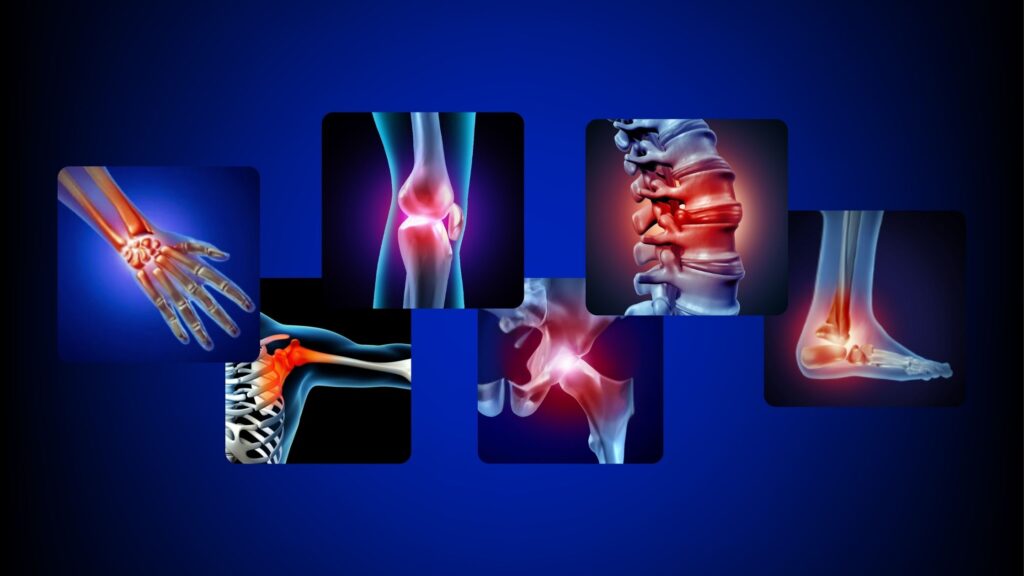
Alpha-2 Macroglobulin (A2M) is a large protein found in the blood that plays a significant role in the body’s immune response and tissue repair processes. It is classified as a protease inhibitor, meaning it can bind to and inhibit the activity of various enzymes that break down proteins, known as proteases. This function is crucial because excessive protease activity can lead to tissue damage and inflammation, which are common in various medical conditions, including orthopedic injuries and diseases (Huang et al., 2022; Vandooren & Itoh, 2021). A2M is produced primarily in the...
Stem Cell Changes and Clinical Hypnotherapy
The field of stem cell research has garnered significant attention due to its implications for regenerative medicine and the treatment of age-related diseases. As stem cells age, they undergo a series of intrinsic and extrinsic changes that affect their functionality and regenerative potential. Concurrently, clinical hypnotherapy has emerged as a therapeutic modality that may influence biological processes, including those associated with stem cell behavior. This article explores the intersection of stem cell aging and clinical hypnotherapy, highlighting the potential mechanisms through...
Stem Cell and Mindfulness
The intersection of stem cell research and mindfulness practices has garnered increasing attention in recent years, particularly in the context of neuroplasticity and mental health. Neuroplasticity refers to the brain’s ability to reorganize itself by forming new neural connections throughout life, a process that is significantly influenced by both environmental factors and intrinsic biological mechanisms. Stem cells, particularly neural stem cells (NSCs), play a crucial role in this process by contributing to neurogenesis, the formation of new neurons, and the repair of damaged...

Exosomes: A Byproduct of HUC-MSCs
Introduction Exosomes are small extracellular vesicles (30-150 nm in diameter) released by various cell types, including mesenchymal stem cells (MSCs). They play a crucial role in intercellular communication by transferring proteins, lipids, and nucleic acids between cells. Human umbilical cord mesenchymal stem cells (HUC-MSCs) are a rich source of exosomes, which have gained attention for their therapeutic potential in various medical conditions. This article explores whether exosomes can be considered a byproduct of HUC-MSCs and discusses their significance in therapeutic applications....
HUC-MSCs Promising Therapeutic Options
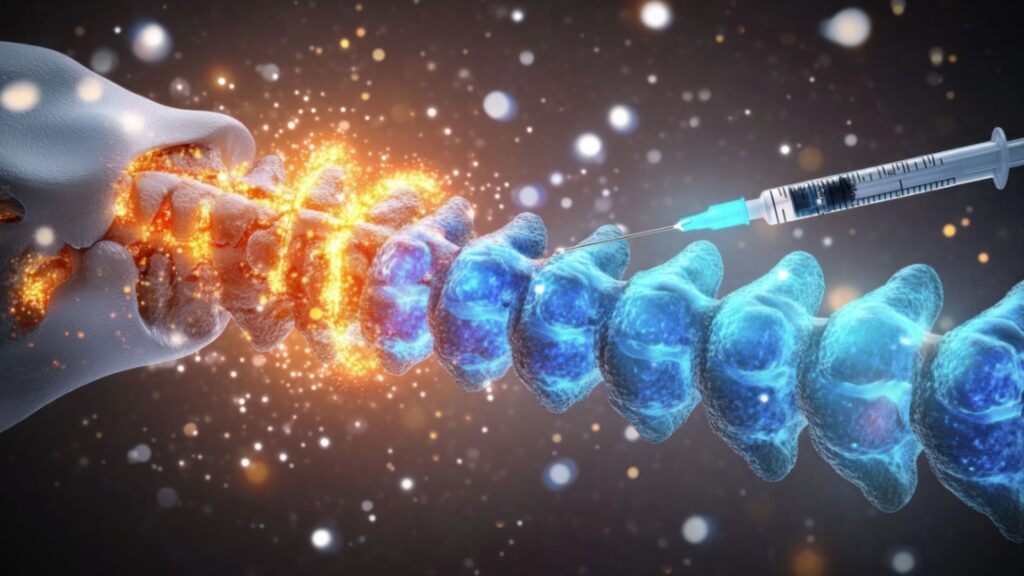
Abstract: Human umbilical cord mesenchymal stem cells (HUC-MSCs) have emerged as a promising therapeutic option for various medical conditions, including autoimmune diseases, autism spectrum disorders (ASD), longevity-related health issues, and orthopedic applications. This article reviews the current understanding of HUC-MSCs, their mechanisms of action, and their potential applications in these areas. The unique properties of HUC-MSCs, such as their immunomodulatory effects, ability to differentiate into various cell types, and paracrine signaling capabilities, position them as a...

MSCs and Paracrine Signaling
The duration and efficacy of paracrine signaling initiated by stem cells, particularly mesenchymal stem cells (MSCs), is a topic of significant interest in regenerative medicine. Paracrine signaling refers to the process by which cells communicate with nearby cells through the release of signaling molecules, which can influence various biological processes, including tissue repair and regeneration. The question of whether this signaling can last for a few years is complex and depends on several factors, including the nature of the signaling molecules, the cellular environment, and the...

Literature Review: Heavy Metals and Stem Cells
Heavy metals are a significant environmental concern due to their toxic effects on living organisms, including stem cells. Stem cells, which possess the unique ability to differentiate into various cell types, are particularly vulnerable to the detrimental impacts of heavy metals. This literature review synthesizes current research findings on the effects of heavy metals on stem cells, focusing on their mechanisms of toxicity, implications for human health, potential pathways for remediation, and detoxification strategies. Heavy metals such as lead, cadmium, arsenic, and chromium are...

How NF-κB Affects Stem Cells
Introduction Nuclear Factor kappa-light-chain-enhancer of activated B cells (NF-κB) is a transcription factor that plays a crucial role in regulating various cellular processes, including inflammation, immune response, cell proliferation, and apoptosis. Its influence extends to stem cells, where NF-κB signaling can modulate stem cell properties, including self-renewal, differentiation, and response to environmental stimuli. This article explores the effects of NF-κB on stem cells, the mechanisms involved, and the implications for cancer and regenerative medicine. NF-κB Activation in Stem...

A Double-Edged Sword: NF-kB and Stem Cells
Nuclear Factor kappa-light-chain-enhancer of activated B cells (NF-κB) is a transcription factor that plays a pivotal role in regulating immune responses, inflammation, cell proliferation, and apoptosis. Its dual role as both a promoter of inflammation and a mediator of cell survival makes NF-κB a double-edged sword in various biological contexts, particularly in stem cell biology and the maintenance of homeostasis. This article explores how NF-κB affects stem cells, its implications for inflammation balance, and the potential for therapeutic interventions. NF-κB Activation and Its...
Medical Disclaimer
The information provided in this document is intended for educational and informational purposes only and should not be construed as medical advice, diagnosis, or treatment. It is essential to consult a qualified healthcare professional for any medical concerns or conditions. The content herein does not substitute for professional medical advice, and individuals should not disregard or delay seeking medical advice based on the information provided.
The authors and publishers of this document do not assume any responsibility for any adverse effects or consequences resulting from the use or application of the information contained herein. The reader is encouraged to conduct their own research and consult with healthcare providers to make informed decisions regarding their health and treatment options. Furthermore, the information presented may not reflect the most current research or medical guidelines, as medical knowledge is continually evolving. Therefore, it is imperative to verify the information with up-to-date, peer-reviewed sources and consult with medical professionals for personalized advice.