Cadmium Exposure in Firefighters
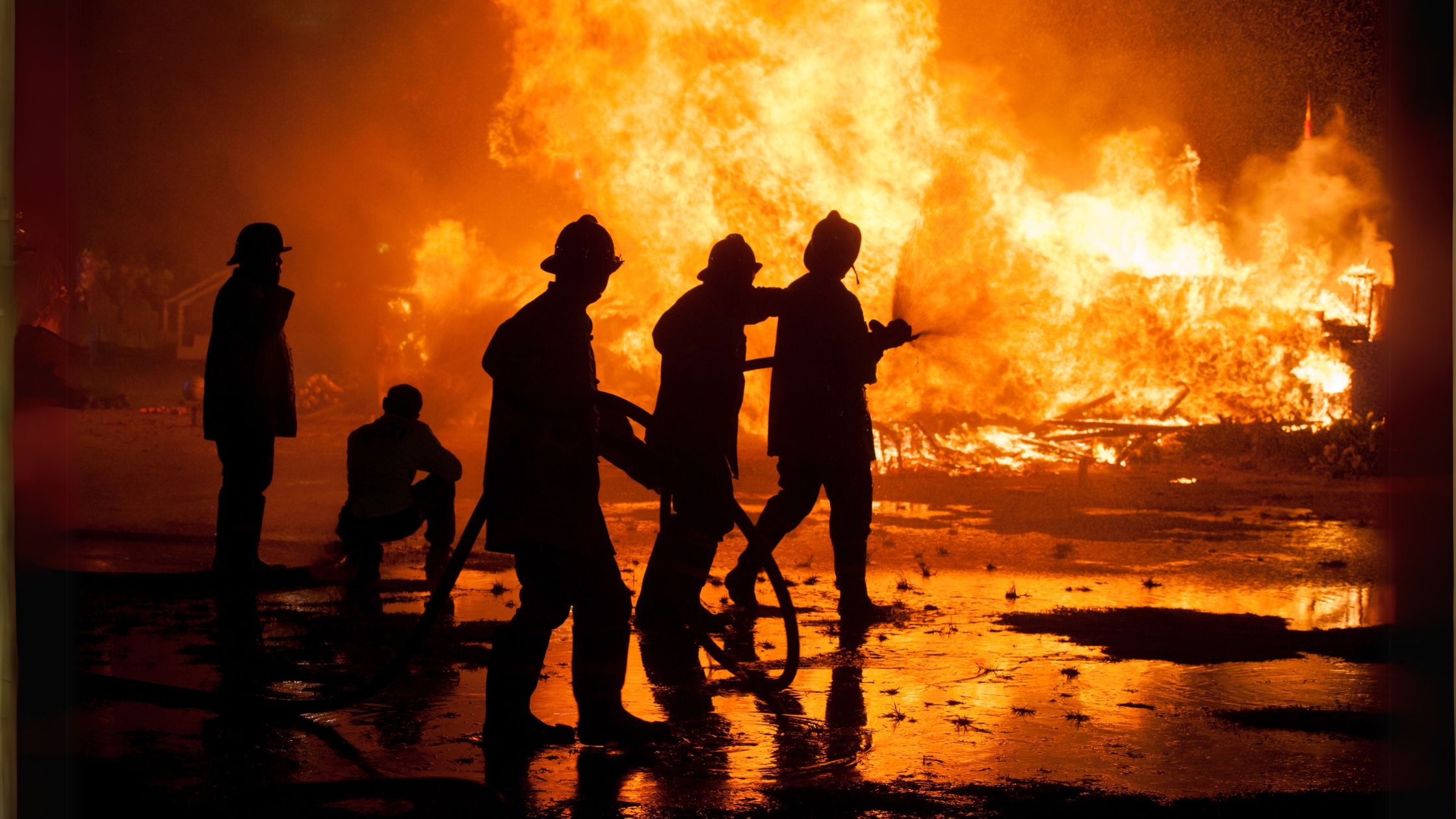
The occupational hazards faced by firefighters are multifaceted, with exposure to various toxic substances being a significant concern. Among these substances, cadmium has emerged as a notable heavy metal that poses health risks to firefighters. Cadmium exposure can occur through inhalation of smoke and particulates during firefighting activities, as well as through dermal contact with contaminated gear and equipment (Dobraca et al., 2015; Jeon et al., 2022). The implications of cadmium exposure are particularly relevant given its association with systemic inflammation, hypertension, and other cardiovascular risks, as highlighted in the study by Baek and Chung (Baek & Chung, 2017).
Research indicates that firefighters are at risk of elevated cadmium levels due to their unique occupational environment. For instance, a study conducted on California firefighters reported blood cadmium concentrations that, while lower than some other populations, still raised concerns regarding potential health impacts (Dobraca et al., 2015). The findings from Dobraca et al. suggest that even low levels of cadmium can contribute to adverse health outcomes, particularly when combined with other occupational exposures (Dobraca et al., 2015). This is particularly pertinent in the context of the inflammatory markers identified by Baek and Chung, where cadmium exposure was linked to increased monocyte counts and a higher monocyte to HDL ratio, both of which are indicative of inflammation and cardiovascular disease risk (Baek & Chung, 2017).
The relationship between cadmium exposure and hypertension has been specifically examined in male firefighters. Jeon et al. found that cadmium exposure is significantly associated with hypertension, suggesting that firefighters may be at increased risk for developing high blood pressure as a result of their occupational exposures (Jeon et al., 2022). This is alarming, considering that hypertension is a well-established risk factor for cardiovascular diseases, which are prevalent among firefighters due to the physical and psychological stresses of their profession (Baek & Chung, 2017; Jeon et al., 2022). The cumulative effects of cadmium and other heavy metals, such as lead, further complicate the health landscape for firefighters, as they may synergistically contribute to metabolic syndrome and other chronic conditions (Choi, 2023; An et al., 2017).
The findings from Dobraca et al. suggest that even low levels of cadmium can contribute to adverse health outcomes, particularly when combined with other occupational exposures (Dobraca et al., 2015). This is particularly pertinent in the context of the inflammatory markers identified by Baek and Chung, where cadmium exposure was linked to increased monocyte counts and a higher monocyte to HDL ratio, both of which are indicative of inflammation and cardiovascular disease risk (Baek & Chung, 2017). In addition to cardiovascular implications, cadmium exposure has been implicated in endocrine disruption, which can lead to metabolic disorders. Ryu et al. emphasize that heavy metals like cadmium are endocrine disruptors, potentially affecting metabolic health and increasing the risk of conditions such as diabetes among firefighters (Ryu et al., 2021). This aligns with findings from Choi et al., who reported a correlation between cadmium levels and metabolic syndrome components among Korean firefighters, indicating that cadmium exposure could have far-reaching effects on overall health (Choi, 2023). The interplay between cadmium exposure and metabolic health underscores the need for comprehensive monitoring and intervention strategies in this occupational group.
Moreover, the risk of cancer among firefighters has been a topic of extensive research, with cadmium identified as a potential carcinogen. Studies have shown that firefighters are exposed to a variety of carcinogens, including cadmium, which may contribute to elevated cancer risks, particularly bladder cancer (Sritharan et al., 2017; Jalilian et al., 2019). The systematic review by Sritharan et al. highlights the increased incidence of prostate cancer among firefighters, which may also be linked to exposure to heavy metals like cadmium (Sritharan et al., 2017). This connection raises critical questions about the long-term health implications of cadmium exposure and the need for targeted health surveillance in firefighting populations.
The cumulative exposure to cadmium and other toxic substances during firefighting activities necessitates a proactive approach to health monitoring and risk management. Fire departments should implement regular biomonitoring to assess cadmium levels among firefighters, as well as provide education on the potential health risks associated with exposure to heavy metals (Dobraca et al., 2015; Jeon et al., 2022). Additionally, enhancing decontamination practices for personal protective equipment (PPE) can help mitigate exposure risks, as inadequate cleaning may leave residues of toxic substances, including cadmium, on gear (Moore et al., 2018).
In conclusion, the evidence linking cadmium exposure to various health risks among firefighters is compelling. The associations with systemic inflammation, hypertension, metabolic syndrome, and cancer highlight the urgent need for further research and intervention strategies to protect the health of firefighters. As the understanding of occupational exposures continues to evolve, it is crucial for fire departments to prioritize the health and safety of their personnel through comprehensive monitoring, education, and improved decontamination practices.
1. Baek, J. H., & Chung, H. (2017). Cadmium Exposure Is Associated with Monocyte Count and Monocyte to HDL Ratio, a Marker of Inflammation and Future Cardiovascular Disease in the Male Population. *Journal of Korean Medical Science*, 32(9), 1415. doi:10.3346/jkms.2017.32.9.1415.
2. Dobraca, D., et al. (2015). Biomonitoring in California Firefighters. *Journal of Occupational and Environmental Medicine*, 57(10), 1057-1063. doi:10.1097/jom.0000000000000307.
3. Jeon, H. J., et al. (2022). The effect of blood cadmium levels on hypertension in male firefighters in a metropolitan city. *Annals of Occupational and Environmental Medicine*, 34, e37. doi:10.35371/aoem.2022.34.e37.
4. Choi, J. H. (2023). Heavy metal exposure linked to metabolic syndrome in Korean male firefighters: FRESH cohort cross-sectional analysis. *Scientific Reports*, 13, 41158. doi:10.1038/s41598-023-41158-6.
5. An, J., et al. (2017). The association between cadmium and lead exposure and blood pressure among workers of a smelting industry: a cross-sectional study. *Annals of Occupational and Environmental Medicine*, 29, 20. doi:10.1186/s40557-017-0202-z.
6. Ryu, H. S., et al. (2021). Hospital admissions due to endocrine diseases in Korean male firefighters. *Annals of Occupational and Environmental Medicine*, 33, e32. doi:10.35371/aoem.2021.33.e32.
7. Sritharan, L., et al. (2017). Prostate cancer in firefighting and police work: a systematic review and meta-analysis of epidemiologic studies. *Environmental Health*, 16(1), 1-12. doi:10.1186/s12940-017-0336-z.
8. Jalilian, H., et al. (2019). Cancer incidence and mortality among firefighters. *International Journal of Cancer*, 144(6), 1378-1386. doi:10.1002/ijc.32199.
9. Moore, C. G., et al. (2018). Safety Gear Decontamination Practices Among Florida Firefighters: Analysis of a Text-Based Survey Methodology. *Workplace Health & Safety*, 66(9), 444-452. doi:10.1177/2165079918754331.
[/et_pb_toggle][/et_pb_column][/et_pb_row][/et_pb_section][et_pb_section fb_built=”1″ _builder_version=”4.27.4″ _module_preset=”default” background_color=”#84776C” hover_enabled=”0″ global_colors_info=”{}” custom_padding=”31px||60px||false|false” custom_margin=”||-60px||false|false” sticky_enabled=”0″][et_pb_row _builder_version=”4.27.4″ _module_preset=”default” global_colors_info=”{}” custom_padding=”11px|||||”][et_pb_column type=”4_4″ _builder_version=”4.27.4″ _module_preset=”default” global_colors_info=”{}”][et_pb_heading title=”More Articles You May Like” _builder_version=”4.27.4″ _module_preset=”default” title_text_color=”#FFFFFF” global_colors_info=”{}”][/et_pb_heading][et_pb_divider color=”#F2F2F2″ divider_weight=”2px” _builder_version=”4.27.4″ _module_preset=”default” global_colors_info=”{}”][/et_pb_divider][et_pb_blog_extras posts_number=”12″ include_categories=”20,40,24″ blog_layout=”slider” excerpt_length=”600″ show_author=”off” category_color=”#2533ab” category_background_color=”RGBA(255,255,255,0)” show_comments=”off” content_color=”#000000″ _builder_version=”4.27.4″ _module_preset=”default” header_text_color=”#000000″ body_text_color=”#000000″ meta_text_color=”#000000″ hover_enabled=”0″ border_radii=”on|10px|10px|10px|10px” border_width_all=”2px” border_color_all=”rgba(242,242,242,0.32)” box_shadow_style=”preset2″ box_shadow_blur=”28px” box_shadow_color=”rgba(0,0,0,0.53)” global_colors_info=”{}” slider_layout=”vertical_grid” slider_loop=”on” show_date=”off” sticky_enabled=”0″][/et_pb_blog_extras][/et_pb_column][/et_pb_row][et_pb_row _builder_version=”4.27.4″ _module_preset=”default” background_color=”#FFFFFF” border_radii=”on|6px|6px|6px|6px” global_colors_info=”{}” theme_builder_area=”post_content”][et_pb_column type=”4_4″ _builder_version=”4.27.4″ _module_preset=”default” global_colors_info=”{}” theme_builder_area=”post_content”][et_pb_text _builder_version=”4.27.4″ _module_preset=”default” text_text_color=”#84776C” text_font_size=”12px” text_line_height=”1.5em” header_font=”|300|||||||” header_font_size=”25px” header_4_font=”–et_global_heading_font||||||||” header_4_text_color=”#84776C” custom_padding=”|17px||17px|false|false” global_colors_info=”{}” theme_builder_area=”post_content”]Medical Disclaimer
The information provided in this document is intended for educational and informational purposes only and should not be construed as medical advice, diagnosis, or treatment. It is essential to consult a qualified healthcare professional for any medical concerns or conditions. The content herein does not substitute for professional medical advice, and individuals should not disregard or delay seeking medical advice based on the information provided.
The authors and publishers of this document do not assume any responsibility for any adverse effects or consequences resulting from the use or application of the information contained herein. The reader is encouraged to conduct their own research and consult with healthcare providers to make informed decisions regarding their health and treatment options. Furthermore, the information presented may not reflect the most current research or medical guidelines, as medical knowledge is continually evolving. Therefore, it is imperative to verify the information with up-to-date, peer-reviewed sources and consult with medical professionals for personalized advice.
[/et_pb_text][/et_pb_column][/et_pb_row][/et_pb_section]