

Chicken Harvest Dinner
Ingredients
For the Main Dish:
- 2 boneless (pasture-raised chicken breasts 450g / 1 lb)
- 1 tbsp 15ml olive oil
- 1 tsp 5g sea salt
- ½ tsp 2g black pepper
- 1 tsp 2g fresh thyme leaves
- ½ tsp 1g smoked paprika
For the Roasted Vegetables:
- 2 medium heirloom carrots (sliced)
- 1 zucchini (sliced)
- 1 bell pepper (diced)
- 1 cup 150g cherry tomatoes, halved
- 1 tbsp 15ml balsamic vinegar
- 1 tbsp 15ml olive oil
- ½ tsp 2g sea salt
- ¼ tsp 1g black pepper
For the Herb Quinoa:
- 1 cup 180g organic quinoa, rinsed
- 2 cups 480ml vegetable broth
- 1 tbsp 15g fresh parsley, chopped
- 1 tbsp 15g fresh basil, chopped
- 1 tbsp 15ml lemon juice
Instructions
Step 1: Prepare the Ingredients
- Preheat oven to 400°F (200°C).
- Season chicken breasts with olive oil, salt, pepper, thyme, and smoked paprika.
- Toss all vegetables with balsamic vinegar, olive oil, salt, and pepper in a bowl.
Step 2: Cook the Chicken and Vegetables
- Place chicken on a baking sheet lined with parchment paper.
- Arrange vegetables around the chicken.
- Roast for 25-30 minutes, or until the chicken reaches an internal temperature of 165°F (75°C).
Step 3: Cook the Herb Quinoa
- In a medium saucepan, bring vegetable broth to a boil.
- Stir in quinoa, cover, and reduce heat to low. Cook for 15 minutes, or until liquid is absorbed.
- Fluff with a fork and stir in parsley, basil, and lemon juice.
Step 4: Assemble and Serve
- Slice the roasted chicken.
- Serve with herb quinoa and roasted vegetables.
- Garnish with fresh herbs and enjoy!
Nutrition
References
More Recipes You May Like
Recipe Template
Stuffed Acorn Squash A delicious and hearty stuffed acorn squash recipe, perfect for a cozy dinner. This dish combines sweet, savory, and nutty flavors, making it a favorite for fall and winter meals. Print Recipe SCREEN LOCKPrevent your screen from going dark Prep Time 15 minutes minsCook Time 45 minutes mins Course Main CourseCuisine American Servings 4Calories 350 kcal Ingredients 1x2x3xFor the Squash:2 medium acorn squashes (halved and seeds removed)1 tbsp olive oil½ tsp salt¼ tsp black pepperFor the Filling:1 tbsp olive...
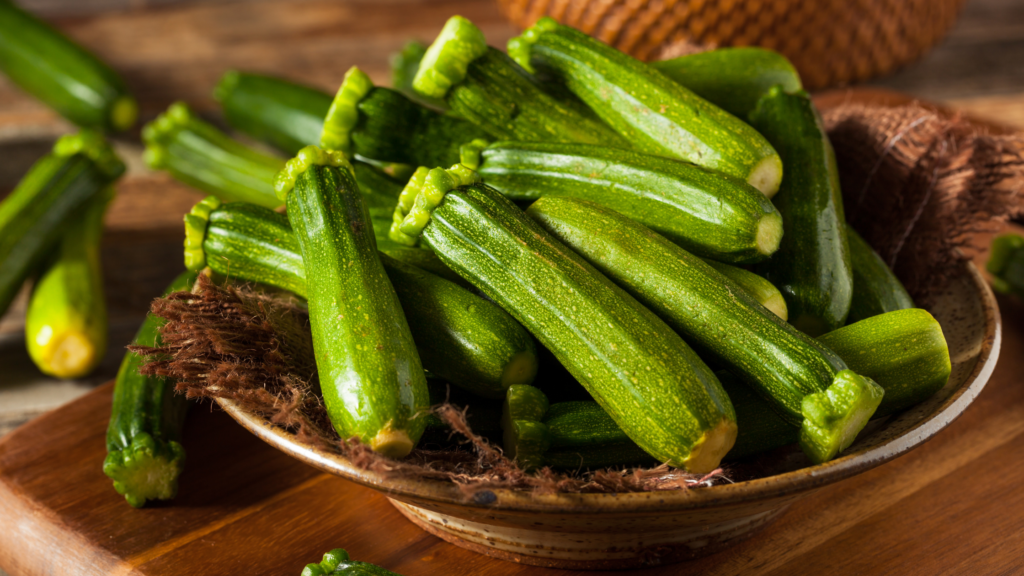
Zucchini
Zucchini, scientifically known as Cucurbita pepo, is a versatile and nutritious vegetable celebrated in cuisines worldwide. Its mild flavor and tender texture make it a popular ingredient in various dishes, from salads to stir-fries and even baked goods. Beyond its culinary charm, zucchini boasts an array of health benefits, making it a staple in many diets. History Zucchini traces its origins back to the Americas, where it was domesticated thousands of years ago. The cultivation of zucchini spread to Europe in the late 15th century, following the voyages of Christopher Columbus. ...
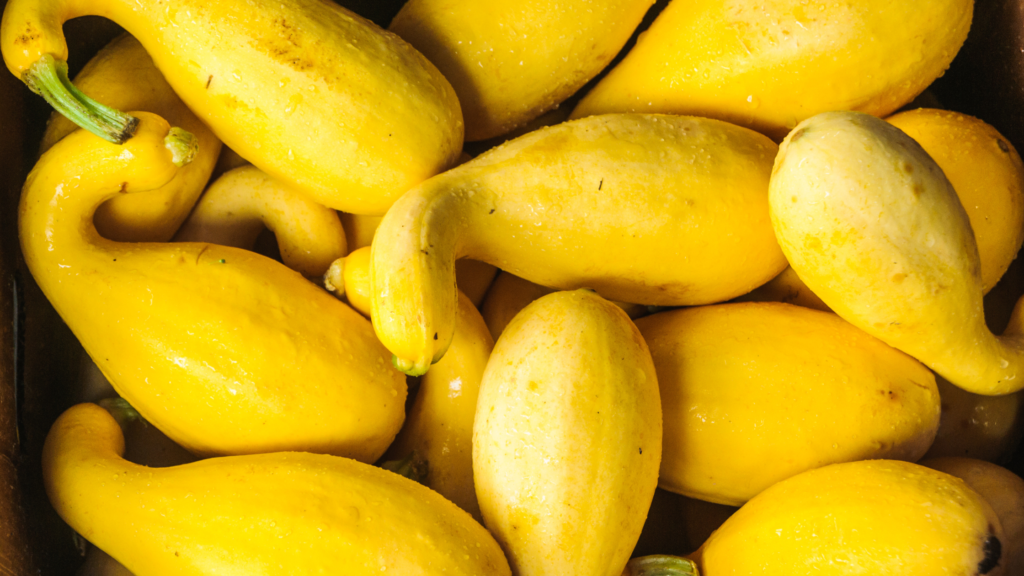
Yellow Squash
Yellow squash, with its vibrant hue and delicate flavor, has long adorned dinner plates and found its way into culinary creations around the world. This humble vegetable, botanically known as Cucurbita pepo, belongs to the gourd family and boasts an array of health benefits. From its rich history to its modern-day applications, yellow squash continues to captivate both chefs and health enthusiasts alike. History The cultivation of yellow squash dates back thousands of years, with its origins traced to Mesoamerica. Ancient civilizations such as the Maya and Aztecs revered squash for its...

Yellow Peas
Yellow peas, often overlooked in the realm of superfoods, are in fact a powerhouse of nutrition and health benefits. These humble legumes, botanically known as Pisum sativum, have been a staple in diets across cultures for centuries. From their rich history to their modern applications, yellow peas offer a plethora of health advantages that deserve recognition and inclusion in our daily meals.Yellow peas have a long and esteemed history, dating back thousands of years. Originating in the Mediterranean region, they were one of the earliest crops cultivated by humans. Archaeological...

Yams
Yam, often referred to as the “starchy tuber,” is a versatile root vegetable cherished for its culinary diversity and remarkable health benefits. Belonging to the Dioscoreaceae family, yams have been cultivated and consumed for centuries across various cultures globally. Beyond its culinary appeal, yam boasts a plethora of nutrients and bioactive compounds that contribute to its medicinal properties.The history of yams traces back thousands of years, with evidence of cultivation dating back to ancient times in regions like Africa, Asia, and the Americas. African countries,...

White Potato
White potatoes, scientifically known as Solanum tuberosum, are one of the world’s most widely consumed vegetables. With their origins tracing back to South America, these starchy tubers have gained popularity globally, becoming a staple in various cuisines due to their versatility, taste, and nutritional value. Beyond their culinary uses, white potatoes also boast several health benefits and applications in traditional medicine systems.White potatoes have a rich history dating back thousands of years. Indigenous to the Andes Mountains in South America, they were first domesticated...
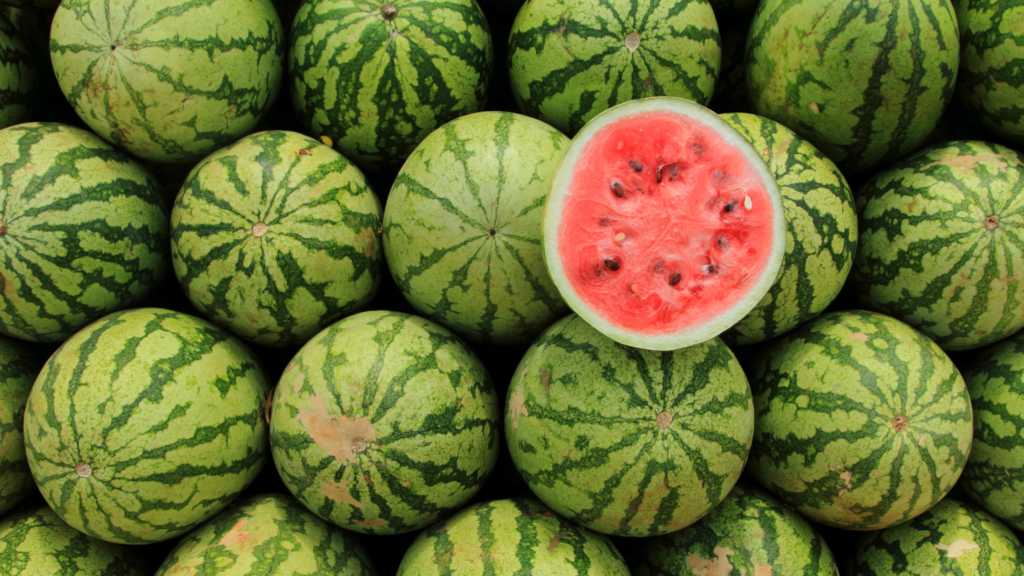
Watermelon
Watermelon, a refreshing and succulent fruit enjoyed by millions around the globe, isn’t just a summertime treat; it’s a nutritional powerhouse with a rich history and a plethora of health benefits. From its humble beginnings to its widespread cultivation today, watermelon has secured its place as a beloved fruit worldwide. History Believed to have originated in southern Africa, watermelon has a history dating back thousands of years. It was cultivated by ancient civilizations along the Nile River and later spread across the Mediterranean region by way of trade routes. The...

Watercress
In the realm of greens, few possess the nutritional prowess and historical significance as watercress. This aquatic plant, known scientifically as Nasturtium officinale, has adorned plates and potions for centuries, celebrated not only for its refreshing flavor but also for its plethora of health benefits. From ancient civilizations to modern dietary regimens, watercress has maintained its status as a nutritional powerhouse, offering a wide array of vitamins, minerals, and medicinal properties. History Watercress boasts a rich history that dates back thousands of years. Ancient Greeks and...
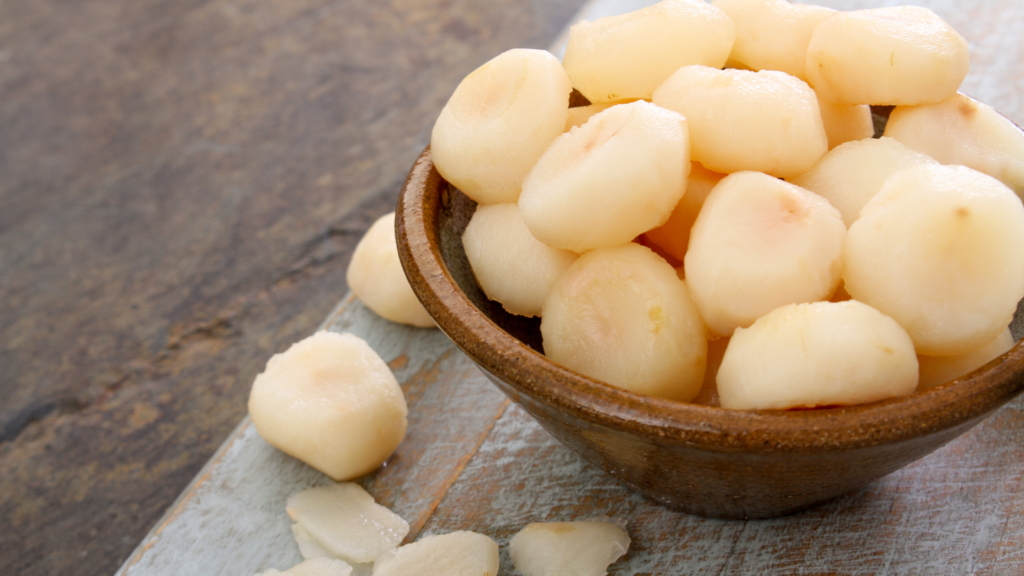
Water Chestnuts
In the realm of culinary delights, water chestnuts stand out as a unique and versatile ingredient, renowned for their crisp texture and subtle sweetness. While often mistaken for nuts, these aquatic gems are actually corms (edible bulbs), belonging to the species Eleocharis dulcis. With a rich history steeped in Asian cuisine and a growing popularity worldwide, water chestnuts offer not only culinary delight but also a plethora of health benefits. History Originating in Southeast Asia, water chestnuts have been cultivated for centuries, particularly in China, India, and parts of Southeast...

Wakame
Wakame, a type of edible seaweed, has long been a staple in East Asian cuisine, known for its mild flavor, delicate texture, and impressive nutritional profile. Its significance extends beyond the culinary world, offering a variety of health benefits that have been recognized for centuries. This seaweed, scientifically known as Undaria pinnatifida, has earned its place not only in traditional diets but also in modern wellness circles. In this article, we will explore the history, health benefits, contraindications, usage, and the integration of wakame into both Eastern and Western...
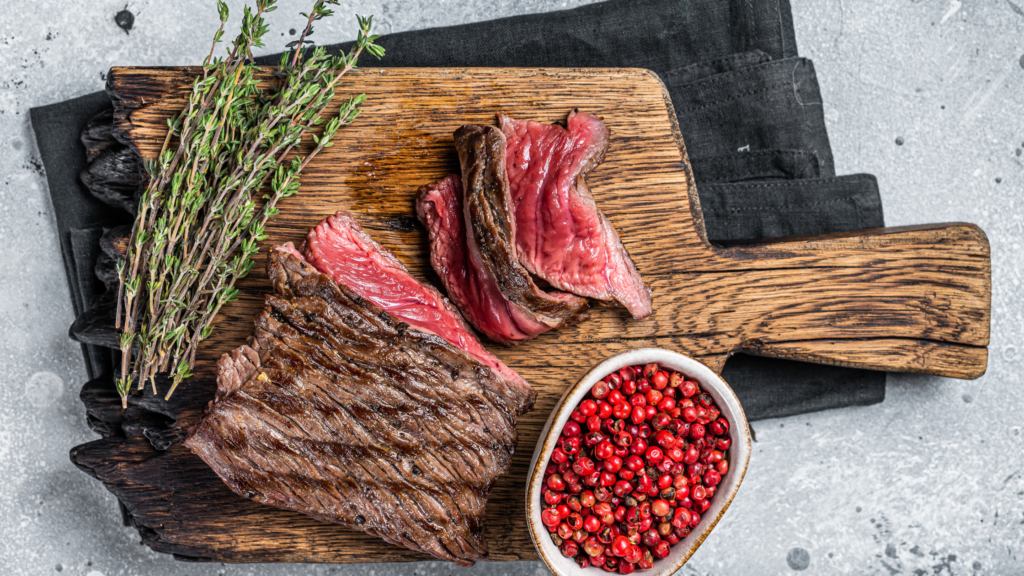
Venison
Venison, the meat derived from deer, has been a staple in human diets for centuries, celebrated for its unique flavor, lean composition, and numerous health benefits. Historically, venison was a prized source of sustenance for various cultures, particularly among indigenous peoples and in regions where deer were abundant. Its rich taste and tender texture make it a sought-after ingredient in gourmet cuisine, often featured in upscale restaurants and culinary events. Nutritionally, venison is recognized for being low in fat and calories while being high in protein, iron, and B vitamins,...
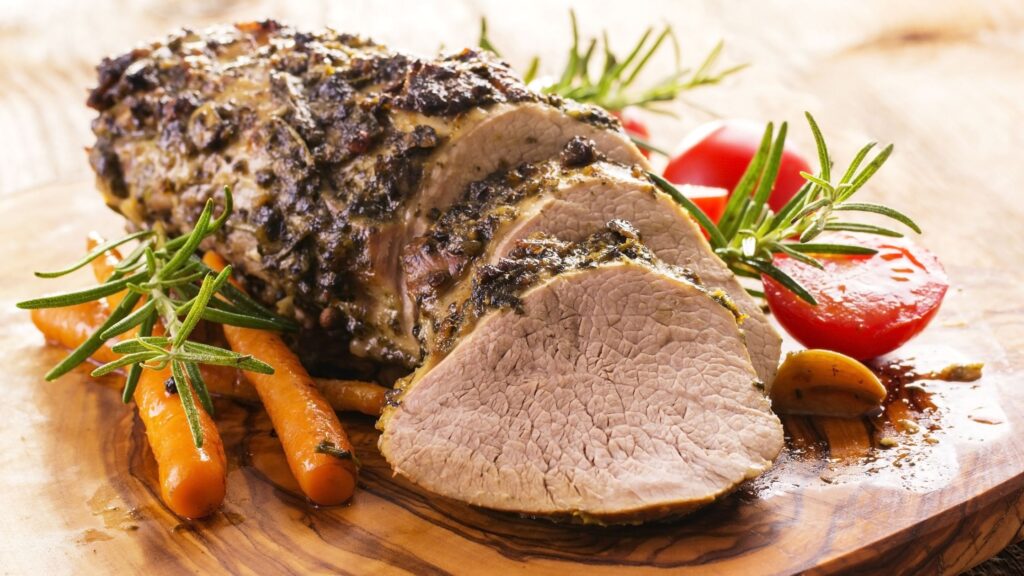
Veal
Veal meat, prized for its tenderness and delicate flavor, holds a significant place in culinary traditions across the globe. Derived from young calves, veal has a distinct taste and texture compared to beef, making it a versatile ingredient in various cuisines. Beyond its gastronomic appeal, veal meat also boasts several nutritional benefits, albeit with considerations for health implications and ethical concerns. History The consumption of veal dates back centuries, with historical evidence tracing its origins to ancient Rome and Greece. In these civilizations, veal was considered a...