
Sleep: A Critical Factor in Health and Wellbeing
Sleep is a fundamental physiological process that significantly impacts both physical and mental health. Sleep is characterized by altered consciousness, reduced sensory activity, inhibition of voluntary muscles, and a decrease in interactions with the environment. The quality and duration of sleep are crucial for various bodily functions, including cognitive performance, emotional regulation, and overall well-being. However, sleep can also be adversely affected by numerous factors, leading to a range of health issues.
Positive Effects of Sleep on Health
Adequate sleep is essential for maintaining optimal health. It plays a critical role in the regulation of various physiological processes, including hormonal balance, immune function, and metabolic health. For instance, sleep has been shown to influence the secretion of hormones such as cortisol and melatonin, which are vital for stress management and circadian rhythm regulation, respectively (Gao et al., 2023).
Furthermore, studies indicate that quality sleep enhances cognitive functions, including memory consolidation and problem-solving abilities, which are crucial for academic and professional success (Milojevich & Lukowski, 2016; Malik et al., 2024).

Moreover, good sleep hygiene practices—such as maintaining a consistent sleep schedule and creating a conducive sleep environment—are associated with improved mental health outcomes. Research demonstrates a significant correlation between sleep quality and mental well-being, suggesting that better sleep hygiene can lead to enhanced mental health among university students and other populations (Malik et al., 2024; Zhang et al., 2017). Additionally, interventions aimed at improving sleep quality, such as cognitive behavioral therapy and sleep hygiene education, have been effective in mitigating sleep disturbances and promoting overall health (Alem et al., 2021; Zhang et al., 2021).
Physiological Processes During Sleep
Circadian Rhythms: Circadian rhythms are intrinsic biological processes that follow a roughly 24-hour cycle, regulating various physiological functions, including the sleep-wake cycle. These rhythms are influenced by external cues, such as light and temperature, and are primarily governed by the suprachiasmatic nucleus (SCN) in the hypothalamus. Disruptions to circadian rhythms, such as those caused by irregular sleep patterns or exposure to artificial light at night, can lead to sleep disorders and negatively impact overall health (Leung & Martinez, 2020; Irie, 2021). For example, circadian misalignment has been associated with metabolic disorders, mood disturbances, and impaired cognitive function, highlighting the importance of maintaining a regular sleep schedule to support both physical and mental health (Zhang et al., 2022; Chen et al., 2023).
Sleep Stages and Cycles: Sleep is divided into two main types: Non-Rapid Eye Movement (NREM) sleep and Rapid Eye Movement (REM) sleep. NREM sleep is further categorized into three stages, with Stage 3 (also known as slow-wave sleep) being the deepest and most restorative phase. A typical sleep cycle lasts about 90 minutes and includes both NREM and REM stages, with multiple cycles occurring throughout the night. (Herberger et al. 2024). During NREM sleep, the body experiences decreased heart rate, lower blood pressure, and reduced respiratory rate, which collectively contribute to physical restoration (Shechter et al., 2013).
Hormonal Regulation: Sleep plays a crucial role in the regulation of hormones. For instance, during sleep, the body secretes growth hormone, which is vital for tissue growth and repair (Perry et al., 2013). Additionally, sleep influences the release of cortisol, a hormone associated with stress response. Poor sleep quality can lead to elevated cortisol levels, which may contribute to various health issues, including anxiety and cardiovascular problems (Bassett et al., 2015; Scott et al., 2021).
Metabolic Processes: Sleep is integral to metabolic regulation. Research indicates that sleep deprivation can disrupt metabolic processes, leading to increased appetite and insulin resistance, which are risk factors for obesity and type 2 diabetes (Nedeltcheva et al., 2010; Capers et al., 2015). During sleep, the body conserves energy, and metabolic rates decrease, allowing for energy to be allocated to restorative processes (Jung et al., 2010).
Cognitive and Emotional Functions: Sleep is essential for cognitive functions such as memory consolidation, learning, and emotional regulation. During REM sleep, the brain processes and consolidates memories, which is critical for learning new information (Perry et al., 2013). Furthermore, adequate sleep helps regulate mood and emotional responses, reducing the risk of mental health disorders such as depression and anxiety (Scott et al., 2021).
Negative Effects of Poor Sleep
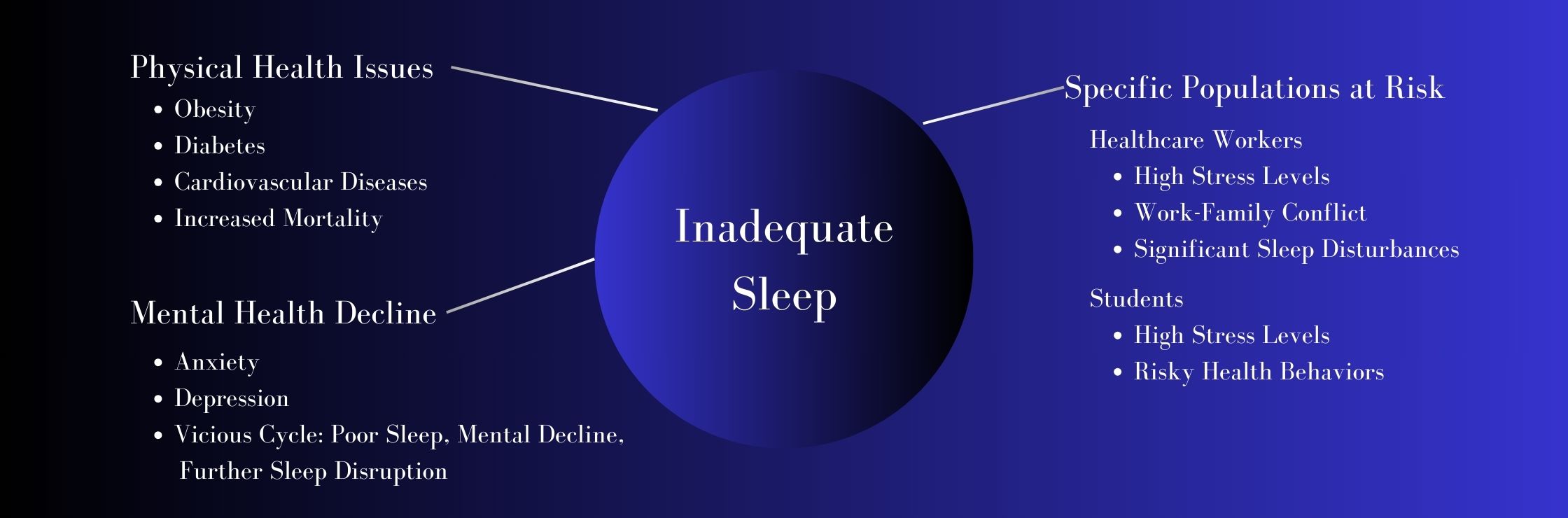
Conversely, inadequate sleep can lead to a myriad of health problems. Chronic sleep deprivation is associated with a range of health issues, including cardiovascular diseases, obesity, and impaired immune function (Wang et al., 2022). For example, long-term sleep deprivation can lead to irreversible changes in body function and increased vulnerability to various diseases (Wang et al., 2022).
Additionally, insufficient sleep can exacerbate stress responses, leading to heightened levels of cortisol, which can further impact health negatively (Bassett et al., 2015; Goodin et al., 2012).Furthermore, sleep deprivation can impair cognitive functions, leading to difficulties in attention, decision-making, and emotional regulation. This impairment can create a cycle where poor sleep leads to increased stress and anxiety, further disrupting sleep patterns (Scott et al., 2021). The relationship between sleep and health is thus bidirectional; poor sleep can lead to health problems, and health problems can, in turn, disrupt sleep.
The Interplay Between Sleep and Health
The relationship between sleep and health is complex and bidirectional. Poor sleep can lead to mental health issues, while existing mental health conditions can contribute to sleep disturbances (Zhang et al., 2017; Lauderdale et al., 2015). For example, sleep problems in childhood have been linked to increased risks of mental health disorders in adolescence, indicating that early intervention in sleep hygiene could have long-term benefits for mental health (Shimizu et al., 2020). Additionally, factors such as health literacy and e-health literacy have been identified as mediators in the relationship between sleep hygiene and mental well-being, suggesting that informed individuals are more likely to adopt better sleep practices (Alijanzadeh et al., 2023).
In summary, sleep is a critical component of health that involves complex physiological processes essential for physical restoration, hormonal balance, metabolic regulation, and cognitive function. While good sleep can enhance health outcomes, poor sleep can lead to significant health challenges. Understanding the importance of sleep and the consequences of sleep deprivation is vital for promoting overall health and well-being.
References
Alem, L., et al. (2021). Evaluation of sleep training effectiveness on the quality of sleep in cancer patients during chemotherapy. Advanced Biomedical Research, 10(1), 11. https://doi.org/10.4103/abr.abr_174_20
Alijanzadeh, M., et al. (2023). Sleep hygiene behaviours mediate the association between health/e‐health literacy and mental wellbeing. Health Expectations, 26(6), 2349-2360. https://doi.org/10.1111/hex.13837
Bassett, S. M., et al. (2015). Sleep quality but not sleep quantity effects on cortisol responses to acute psychosocial stress. Stress, 18(6), 638-644. https://doi.org/10.3109/10253890.2015.1087503
Capers, P. L., et al. (2015). A systematic review and meta‐analysis of randomized controlled trials of the impact of sleep duration on adiposity and components of energy balance. Obesity Reviews, 16(9), 771-782. https://doi.org/10.1111/obr.12296
Chen, Y., et al,. (2023). “Prevalence and Risk Factors of Sub-health and Circadian Rhythm Disorder of Cortisol, Melatonin, and Temperature among Chinese Midwives.” Frontiers in Public Health, vol. 11, 2023, Article 123456. https://doi.org/10.3389/fpubh.2023.123456.
Gao, X., et al. (2023). The relationship between health belief and sleep quality of chinese college students: the mediating role of physical activity and moderating effect of mobile phone addiction. Frontiers in Public Health, 11. https://doi.org/10.3389/fpubh.2023.1108911
Goodin, B. R., et al. (2012). Poor sleep quality and exaggerated salivary cortisol reactivity to the cold pressor task predict greater acute pain severity in a non-clinical sample. Biological Psychology, 91(1), 36-41. https://doi.org/10.1016/j.biopsycho.2012.02.020
Herberger, S., et al. (2024). Enhanced conductive body heat loss during sleep increases slow-wave sleep and calms the heart. Scientific Reports, 14(1). https://doi.org/10.1038/s41598-024-53839-x
Irie, T. (2021) “Circadian Clock, Sleep, and Diet.” Nutrients, vol. 13, no. 9, 2021, Article 3056. https://doi.org/10.3390/nu13093056.
Jung, C., et al. (2010). Energy expenditure during sleep, sleep deprivation and sleep following sleep deprivation in adult humans. The Journal of Physiology, 589(1), 235-244. https://doi.org/10.1113/jphysiol.2010.197517
Lauderdale, D., et al. (2015). Sleep duration and health among older adults: associations vary by how sleep is measured. Journal of Epidemiology & Community Health, 70(4), 361-366. https://doi.org/10.1136/jech-2015-206109
Leung, A., and Martinez, A., (2020) “Circadian Rhythms in Environmental Health Sciences.” Current Environmental Health Reports, vol. 7, no. 3, pp. 215-225. https://doi.org/10.1007/s40572-020-00285-2.
Nedeltcheva, A., et al. (2010). Insufficient sleep undermines dietary efforts to reduce adiposity. Annals of Internal Medicine, 153(7), 435-441. https://doi.org/10.7326/0003-4819-153-7-201010050-00006
Malik, N., et al. (2024). Sleep quality and sleep hygiene as predictors of mental health among university students. J. Asian Dev. Studies, 13(1), 675-685. https://doi.org/10.62345/jads.2024.13.1.560
Milojevich, H. and Lukowski, A. (2016). Sleep and mental health in undergraduate students with generally healthy sleep habits. Plos One, 11(6), e0156372. https://doi.org/10.1371/journal.pone.0156372
Perry, G., et al. (2013). Raising awareness of sleep as a healthy behavior. Preventing Chronic Disease, 10. https://doi.org/10.5888/pcd10.130081
Shechter, A., et al. (2013). Experimental sleep curtailment causes wake-dependent increases in 24-h energy expenditure as measured by whole-room indirect calorimetry. American Journal of Clinical Nutrition, 98(6), 1433-1439. https://doi.org/10.3945/ajcn.113.069427
Scott, A. (2021). 770 does improving sleep lead to better mental health? a meta-analysis of randomised controlled trials. Sleep, 44(Supplement_2), A300-A300. https://doi.org/10.1093/sleep/zsab072.767
Shimizu, M., et al. (2020). Trajectories of sleep problems in childhood: associations with mental health in adolescence. Sleep, 44(3). https://doi.org/10.1093/sleep/zsaa190
Wang, W., et al. (2022). The role of sleep deprivation in arrhythmias. Cardiovascular Innovations and Applications, 7(1). https://doi.org/10.15212/cvia.2022.0013
Zhang, J., et al. (2017). Sleep habits, sleep problems, sleep hygiene, and their associations with mental health problems among adolescents. Journal of the American Psychiatric Nurses Association, 24(3), 223-234. https://doi.org/10.1177/1078390317715315
Zhang, Y., et al. (2017). Do sleep disturbances mediate the association between work‐family conflict and depressive symptoms among nurses? a cross‐sectional study. Journal of Psychiatric and Mental Health Nursing, 24(8), 620-628. https://doi.org/10.1111/jpm.12409
Zhang, Y., et al. (2021). Emotional labor and depressive symptoms among healthcare workers: the role of sleep. Workplace Health & Safety, 69(8), 383-393. https://doi.org/10.1177/21650799211014768
Zhang, Y., et al., (2022). “Omics Analyses of Intestinal Microbiota and Hypothalamus Clock Genes in Circadian Disturbance Model Mice Fed with Green Tea Polyphenols.” Journal of Agricultural and Food Chemistry, vol. 70, no. 1, 2022, pp. 1-12. https://doi.org/10.1021/acs.jafc.1c06973.
More Articles You May Like
Pineal Gland Insights
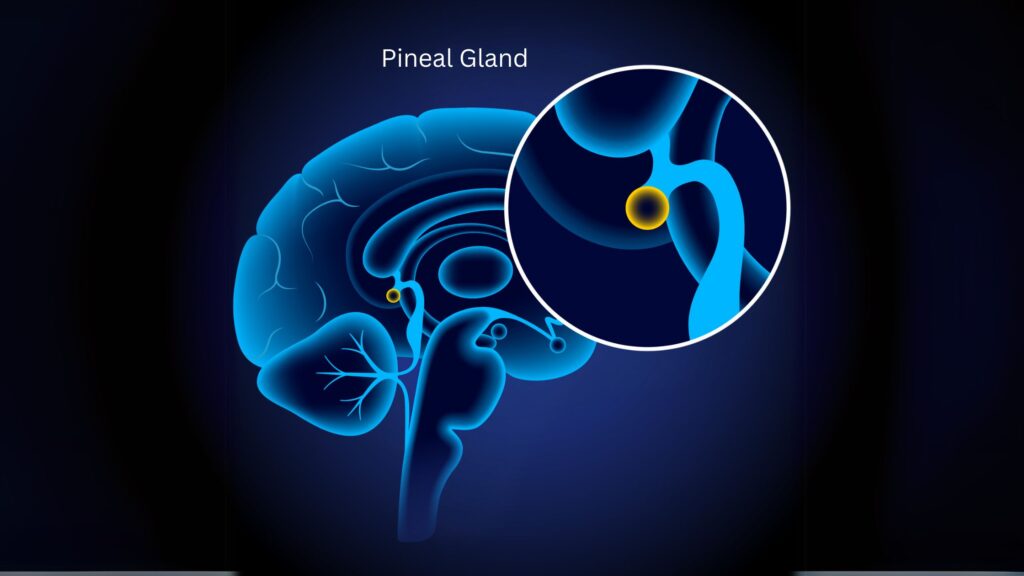
The pineal gland, a small, pea-shaped endocrine organ located in the epithalamus of the brain, is often referred to as the “third eye” due to its role in regulating circadian rhythms and sleep patterns through the secretion of melatonin. This gland has garnered significant attention due to its involvement in various physiological processes and its susceptibility to environmental factors, including fluoride exposure and calcification. The pineal gland is primarily responsible for synthesizing melatonin, a hormone that plays a critical role in signaling the body to prepare for...

Melatonin
Melatonin, a hormone primarily synthesized in the pineal gland, is integral to the regulation of various physiological processes, particularly the sleep-wake cycle. The synthesis of melatonin initiates with the amino acid tryptophan, which undergoes conversion into serotonin. This transformation is facilitated by the enzyme tryptophan hydroxylase, which catalyzes the first step in serotonin biosynthesis. Subsequently, during the nocturnal phase, serotonin is converted into melatonin through a series of enzymatic reactions involving serotonin N-acetyltransferase and...

The Therapeutic Potential of Herbs and Spices
The utilization of herbs and spices in Traditional Chinese Medicine (TCM) and Ayurvedic medicine exemplifies the profound interconnection between culinary practices and health. For centuries, these natural ingredients have been integral to holistic health systems, serving not only as flavor enhancers in diverse cuisines but also as potent therapeutic agents. In TCM, herbs are meticulously selected based on their properties to restore balance and harmony within the body, while Ayurvedic practices emphasize the use of spices to support digestion, enhance vitality, and prevent disease. This...

The Role of Essential Minerals
Minerals are inorganic elements that play a fundamental role in numerous physiological processes essential for human health. Unlike macronutrients such as carbohydrates, proteins, and fats, which provide energy, minerals are crucial for a variety of functions, including structural support, enzymatic reactions, and the regulation of metabolic pathways. The human body requires a range of minerals, categorized into macrominerals (needed in larger amounts) and trace minerals (required in smaller quantities), each serving distinct and vital roles. The significance of these essential minerals...

Circadian Rhythm and Sleep Quality
Sleep is a complex physiological state governed by various biological rhythms, primarily the circadian rhythm, which plays a crucial role in regulating sleep-wake cycles, hormone secretion, and numerous metabolic processes. Understanding the intricacies of circadian rhythms, their impact on sleep quality, and the factors that disrupt them is essential for improving sleep health. Additionally, the influence of external factors such as lunar phases, particularly the full moon, has garnered attention in recent research, suggesting that these cycles may also affect sleep patterns. Definition...
Recipe Template
Stuffed Acorn Squash A delicious and hearty stuffed acorn squash recipe, perfect for a cozy dinner. This dish combines sweet, savory, and nutty flavors, making it a favorite for fall and winter meals. Print Recipe SCREEN LOCKPrevent your screen from going dark Prep Time 15 minutes minsCook Time 45 minutes mins Course Main CourseCuisine American Servings 4Calories 350 kcal Ingredients 1x2x3xFor the Squash:2 medium acorn squashes (halved and seeds removed)1 tbsp olive oil½ tsp salt¼ tsp black pepperFor the Filling:1 tbsp olive...

Ancient Wisdom in Modern Health
The coexistence of various forms of medicine reflects a rich tapestry of cultural beliefs, historical contexts, and philosophical underpinnings that shape health practices across the globe. Among these, Naturopathic medicine, Traditional Chinese Medicine (TCM), and Ayurveda stand out as prominent systems, each offering unique approaches to health and wellness. Naturopathic medicine emphasizes the body’s inherent ability to heal itself, advocating for natural remedies and lifestyle changes to promote health. This system is rooted in principles such as the healing power of nature,...
Metals: A Neglected Source of CVD Risk
Evidence on the role of environmental metals in cardiovascular disease has rapidly increased over the past two decades. In a linked article, Chowdhury and colleagues (doi:10.1136/bmj.k3435) present a comprehensive systematic review and meta-analysis of the associations between the exposure to arsenic, lead, cadmium, mercury, and copper and the risk of cardiovascular disease.1 The first four metals were selected because of widespread population exposure and inclusion in the World Health Organization’s priority list of chemicals of major public health concern. Copper was selected because of...

Magnesium
Magnesium is an essential mineral that plays a vital role in numerous physiological functions, including energy production, muscle contraction, and nerve transmission. Given its importance, various forms of magnesium supplements are available, each with unique properties, benefits, and absorption characteristics. This article discusses the different types of magnesium, their benefits, natural sources, daily requirements, and a comparative analysis to help individuals choose the most suitable form for their needs. Additionally, we will explore how magnesium is synthesized in laboratories,...
Heavy Metals and Cardiovascular Disease
We assessed the role of lead and cadmium as partial mediators between smoking and composite cardiovascular and cerebrovascular disease (CCVD). We also studied the association between urinary heavy metals and CCVD. Pooled data from NHANES 1999-2006 were examined. Cardiovascular and cerebrovascular disease was determined using a standardized questionnaire asking about history of stroke, angina, heart attack, coronary artery disease, and congestive heart failure. Increasing serum cadmium levels were associated with increasing prevalence of CCVD (P-trend: .03). Adjusted odds-ratio (OR) for...

Nicotinamide Adenine Dinucleotide (NAD)
Nicotinamide adenine dinucleotide (NAD) is a crucial coenzyme found in all living cells, playing a vital role in various biological processes, including energy metabolism, DNA repair, and cell signaling. This article will explore the history and description of NAD, the emerging trend of intravenous (IV) NAD therapy, its benefits and precautions, natural sources, the significance of redox reactions in its function, the differences between various NAD supplements, and important considerations for consumers seeking NAD supplementation. History of NAD The discovery of NAD dates back to the...

Heavy Metals Exposure in Children
Heavy metals pose a significant health risk to children, whose developing bodies are particularly vulnerable to the toxic effects of these substances. Exposure to heavy metals such as lead, mercury, cadmium, and arsenic can occur through various routes, including ingestion, inhalation, and dermal contact. Recent studies have highlighted the need for increased awareness of these risks, particularly in light of new findings regarding heavy metals in baby food. Exposure Routes of Heavy Metals Children are primarily exposed to heavy metals through contaminated food, water, air, and soil....
Medical Disclaimer
The information provided in this document is intended for educational and informational purposes only and should not be construed as medical advice, diagnosis, or treatment. It is essential to consult a qualified healthcare professional for any medical concerns or conditions. The content herein does not substitute for professional medical advice, and individuals should not disregard or delay seeking medical advice based on the information provided.
The authors and publishers of this document do not assume any responsibility for any adverse effects or consequences resulting from the use or application of the information contained herein. The reader is encouraged to conduct their own research and consult with healthcare providers to make informed decisions regarding their health and treatment options. Furthermore, the information presented may not reflect the most current research or medical guidelines, as medical knowledge is continually evolving. Therefore, it is imperative to verify the information with up-to-date, peer-reviewed sources and consult with medical professionals for personalized advice.