
The Therapeutic Potential of Herbs and Spices
An Overview of Their Health Benefits, Contraindications, and Traditional Uses
The utilization of herbs and spices in Traditional Chinese Medicine (TCM) and Ayurvedic medicine exemplifies the profound interconnection between culinary practices and health. For centuries, these natural ingredients have been integral to holistic health systems, serving not only as flavor enhancers in diverse cuisines but also as potent therapeutic agents. In TCM, herbs are meticulously selected based on their properties to restore balance and harmony within the body, while Ayurvedic practices emphasize the use of spices to support digestion, enhance vitality, and prevent disease. This review explores the extensive medicinal properties of herbs and spices, including their anti-inflammatory, antimicrobial, and immune-boosting effects, while also addressing potential contraindications. By examining the dual role of these natural substances in both culinary arts and traditional medicine, we highlight the enduring philosophy that food is indeed medicine, underscoring the importance of integrating these elements into daily health practices for optimal well-being.
Health Benefits of Selected Herbs and Spices
Ashwagandha (Withania somnifera)

Ashwagandha is native to India and North Africa. It is commonly grown in dry regions and prefers well-drained sandy or loamy soils. Ashwagandha is an adaptogenic herb known for its ability to reduce stress and anxiety levels. It has been shown to enhance cognitive function and improve overall well-being (Singh, 2020). Its use in traditional medicine for promoting vitality and longevity is well-documented, and recent studies have confirmed its efficacy in managing stress-related disorders (“A Review of Medicinal Herbs in The Treatment of Common Human Disease”, 2023). The herb’s multifaceted benefits make it a popular choice in herbal formulations aimed at improving mental health and resilience (Khanal et al., 2021).
Ashwagandha is generally safe but may cause gastrointestinal upset in some individuals. It should be avoided by pregnant women due to its potential to induce miscarriage (Ahmed et al., 2017).
Basil (Ocimum basilicum)
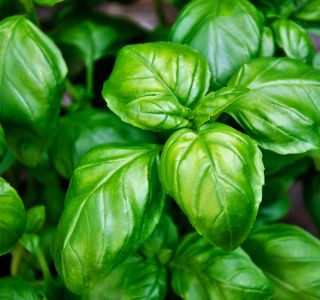
Basil is native to tropical regions of central Africa and Southeast Asia. It is widely cultivated in many countries, including Italy and the United States, and prefers warm, sunny conditions.
Basil is effective in soothing upset stomachs and relieving gas. Its essential oils have carminative properties, which help reduce bloating and discomfort associated with gas (Settineri et al., 2010). Basil also possesses anti-inflammatory properties that can support digestive health (Gatty et al., 2018).
Basil is generally safe for culinary use, but concentrated forms should be avoided during pregnancy due to potential hormonal effects (Grigoriu et al., 2021).

Black Pepper (Piper nigrum)
Black pepper is native to South India and is now cultivated in many tropical regions, including Vietnam, Indonesia, and Brazil. It thrives in humid, tropical climates with well-drained soil. Black pepper aids digestion and boosts metabolism due to its active compound, piperine, which enhances the bioavailability of nutrients (Panov, 2023). It has been shown to stimulate digestive enzymes, improving overall digestive health (Janbaz et al., 2022). Additionally, black pepper has antioxidant properties that contribute to its health benefits (Aung et al., 2015).
Black Pepper is generally safe but may cause gastrointestinal irritation in some individuals. It can enhance the absorption of certain medications, which may lead to increased effects or side effects (Shah et al., 2024).
Clove (Syzygium aromaticum)
Clove is native to the Maluku Islands (Spice Islands) of Indonesia but is now cultivated in many tropical regions, including Madagascar, Zanzibar, and Sri Lanka. It thrives in humid, tropical climates.
Clove is recognized for its strong antimicrobial properties, attributed to eugenol, a compound that has been shown to inhibit the growth of various pathogens (Khanal et al., 2021). This makes clove effective in oral health, particularly in reducing oral bacteria that contribute to dental issues (“A Review of Medicinal Herbs in The Treatment of Common Human Disease”, 2023). Its analgesic properties also make it useful for relieving toothache and other forms of pain (Khanal et al., 2021). Clove oil can be toxic in high doses and may cause liver damage. It should be used cautiously in individuals with bleeding disorders or those taking anticoagulants (Shah et al., 2024).


Dill (Anethum graveolens)
Dill is native to the Mediterranean region and is cultivated in many parts of the world, including Europe and North America. It prefers well-drained soil and a sunny environment. Dill is effective in treating colic, heartburn, and gas.
Its essential oils have been shown to possess antispasmodic properties, which can help alleviate digestive discomfort (Akpata et al., 2010). Dill also has antimicrobial properties that can contribute to oral health by reducing bacteria in the mouth (Setia et al., 2014).
Dill is generally safe for culinary use, but concentrated forms should be avoided during pregnancy due to potential hormonal effects (Grigoriu et al., 2021).
Eucalyptus (Eucalyptus globulus)
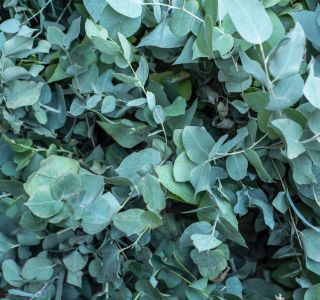
Eucalyptus is native to Australia but is now grown in many parts of the world, including the Americas and Europe. It thrives in well-drained soils and prefers a temperate climate. Eucalyptus is primarily known for its respiratory health benefits. The leaves contain eucalyptol, which has been shown to alleviate symptoms of bronchitis and asthma by acting as a natural decongestant (“A Review of Medicinal Herbs in The Treatment of Common Human Disease”, 2023). Its anti-inflammatory properties also contribute to its effectiveness in treating respiratory conditions. Eucalyptus oil is commonly used in steam inhalation therapies, showcasing its practical applications in promoting respiratory health (“A Review of Medicinal Herbs in The Treatment of Common Human Disease”, 2023). Eucalyptus oil should not be ingested, as it can be toxic. It is contraindicated in young children and pregnant women due to potential adverse effects, including respiratory distress (Grigoriu et al., 2021).

Fennel (Foeniculum vulgare)
Fennel is native to the Mediterranean region but is now cultivated in many parts of the world, including India, China, and the United States. It prefers well-drained soil and a sunny environment.
Fennel is known for its ability to reduce bad breath and body odor, attributed to its antibacterial properties (Rodrigues et al., 2023). It is also effective in treating digestive issues such as colic and heartburn, making it a common ingredient in herbal teas aimed at improving gut health (Elsayed et al., 2023). Fennel seeds are often used for their carminative effects, helping to relieve gas and bloating (Kim et al., 2022). Fennel may cause allergic reactions in some individuals, and pregnant women should avoid excessive consumption due to potential hormonal effects (Grigoriu et al., 2021).
Fenugreek (Trigonella foenum-graecum)
Fenugreek is native to the Mediterranean region and Western Asia but is now grown in many countries, including India, Egypt, and Morocco. It prefers well-drained soil and a warm climate.
Fenugreek is beneficial for flushing out harmful toxins from the body. Its high fiber content aids in digestion and promotes detoxification (Refaat & Nassag, 2019). Additionally, fenugreek has been studied for its potential to lower blood sugar levels and improve metabolic health (Godha et al., 2016). Fenugreek is generally safe but may cause gastrointestinal upset. Pregnant women should use caution, as it may stimulate uterine contractions (Ahmed et al., 2017).

Garlic (Allium sativum)
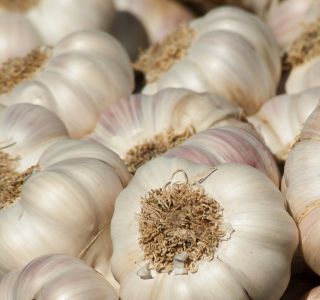
Garlic is cultivated worldwide, with significant production in China, India, and the United States. It thrives in well-drained soil and requires a temperate climate for optimal growth.
Garlic is well-known for its antimicrobial properties, primarily due to allicin, which exhibits significant antibacterial and antifungal activities (Nimoshini et al., 2023). It supports cardiovascular health by lowering blood pressure and cholesterol levels (Alissa, 2014). Its widespread use in traditional medicine underscores its importance as a natural remedy for ailments ranging from infections to heart disease (Ekor, 2014). Garlic may cause gastrointestinal upset in some individuals and can enhance the effects of anticoagulants, increasing the risk of bleeding (Ahmed et al., 2017). Individuals scheduled for surgery should avoid garlic supplements to prevent excessive bleeding.
Ginger (Zingiber officinale)
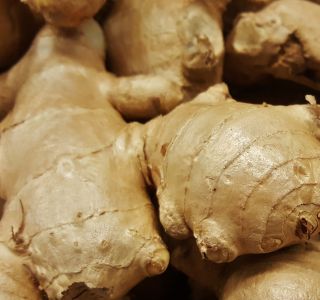
Ginger is cultivated in tropical and subtropical regions, with India, China, and Thailand being the leading producers. It grows best in rich, loamy soil with good drainage. Ginger is another potent herb known for its anti-nausea and digestive benefits. It has been traditionally used to alleviate symptoms of motion sickness and morning sickness during pregnancy (Singh, 2020). Furthermore, ginger exhibits anti-inflammatory properties, which can help in managing pain associated with conditions like osteoarthritis (Ghasemian et al., 2016). Its bioactive compounds, such as gingerol, contribute to its therapeutic effects, making it a staple in both culinary and medicinal applications (Khanal et al., 2021). Ginger should be used cautiously in individuals with bleeding disorders or those taking blood-thinning medications, as it may increase bleeding risk (Shah et al., 2024). Pregnant women should consult healthcare providers before using ginger, particularly in supplement form, due to potential effects on uterine contractions (Ahmed et al., 2017).
Holy Basil (Ocimum sanctum)
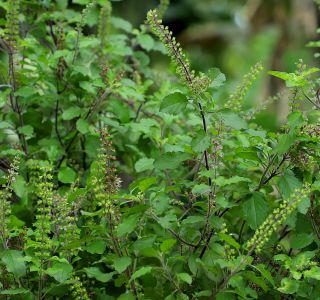
Holy Basil, also known as Tulsi, is native to the Indian subcontinent and is widely cultivated in Southeast Asia. It prefers warm climates and well-drained soil. Holy Basil, or Tulsi, is revered in Ayurvedic medicine for its adaptogenic properties, helping the body cope with stress and promoting mental clarity (Singh, 2020). It has been shown to possess anti-inflammatory, antioxidant, and antimicrobial properties, making it effective in treating respiratory infections and enhancing immune function (“A Review of Medicinal Herbs in The Treatment of Common Human Disease”, 2023). The herb’s versatility in addressing various health issues, from metabolic disorders to respiratory ailments, highlights its significance in traditional and modern herbal medicine (Khanal et al., 2021). Holy Basil, may lower blood sugar levels, which could be problematic for individuals with diabetes or those on hypoglycemic medications (Shah et al., 2024). Pregnant women should avoid it due to its potential effects on hormone levels (Ahmed et al., 2017).
Licorice (Glycyrrhiza glabra)
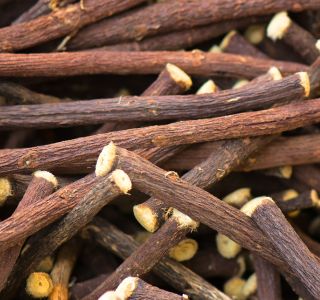
Licorice is primarily cultivated in regions of Europe and Asia, particularly in countries like China, Iran, and Turkey. It prefers sandy soils and a temperate climate. Licorice root is utilized for its soothing effects on the gastrointestinal tract and its ability to alleviate symptoms of respiratory conditions (“A Review of Medicinal Herbs in The Treatment of Common Human Disease”, 2023). It has been found to possess anti-inflammatory and antiviral properties, making it beneficial in treating conditions like sore throats and coughs (Ghasemian et al., 2016). The herb’s diverse applications in traditional medicine underscore its value in managing various ailments, particularly those related to the digestive and respiratory systems (Khanal et al., 2021). Licorice can lead to hypertension and hypokalemia (low potassium levels) when consumed in large quantities or over extended periods. It is contraindicated in individuals with heart disease, kidney disease, or hypertension (Shah et al., 2024).
Mint (Mentha spp.)
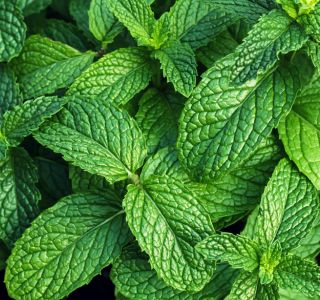
Mint is native to Europe and Asia but is now grown worldwide. It prefers moist, well-drained soil and can thrive in a variety of climates.
Mint is commonly used to ease hiccups and digestive issues. The menthol in mint has a calming effect on the stomach muscles, which can help alleviate spasms and discomfort (Srinivasan et al., 2024). Furthermore, mint is often used to freshen breath and improve overall oral hygiene due to its antibacterial properties (Dayma et al., 2020).
Mint may exacerbate gastroesophageal reflux disease (GERD) symptoms in some individuals (Shah et al., 2024). Pregnant women should consult healthcare providers before using concentrated forms of mint.
Oregano (Origanum vulgare)
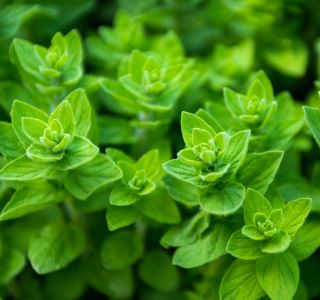
Oregano is native to Europe, particularly the Mediterranean region, but is now cultivated in many parts of the world, including the United States and Mexico. It prefers well-drained soil and a sunny climate.
Oregano is known for its ability to soothe stomach muscles, which can alleviate digestive discomfort. Its active compounds, such as carvacrol and thymol, exhibit antispasmodic properties that can help relax the gastrointestinal tract (Singh, 2020). Additionally, oregano has demonstrated antimicrobial effects, making it beneficial for gut health by combating harmful bacteria (Singh, 2020). Oregano is generally safe, but excessive consumption may lead to gastrointestinal irritation. Individuals allergic to plants in the Lamiaceae family should avoid it (Shah et al., 2024).

Rosemary (Rosmarinus officinalis)
Rosemary is native to the Mediterranean region and is widely cultivated in Europe and North America. It prefers well-drained soil and a sunny environment.
Rosemary is rich in antioxidants, which are crucial for overall health and well-being. Its compounds have been linked to improved cognitive function and memory (Yan et al., 2018). Rosemary also exhibits anti-inflammatory properties, making it beneficial for reducing inflammation in the body (Zuravski et al., 2021).
Rosemary is generally safe in culinary amounts but may cause allergic reactions in sensitive individuals. Pregnant women should avoid concentrated forms due to potential effects on the uterus (Grigoriu et al., 2021).
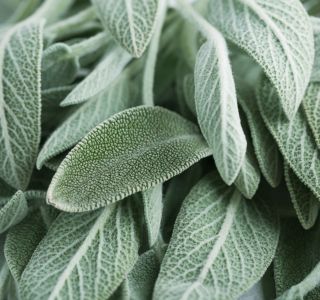
Sage (Salvia officinalis)
Sage is native to the Mediterranean region and is widely cultivated in Europe and North America. It prefers well-drained soil and a sunny environment.
Sage acts as both an antibiotic and antiseptic, making it effective in treating infections and promoting oral health. Its essential oils have been shown to possess antimicrobial properties, which can help reduce the presence of harmful bacteria in the mouth (Ettikan, 2014). Additionally, sage has been used traditionally to alleviate sore throats and respiratory issues (Nejatbakhsh et al., 2016).
Sage should be used cautiously, as it contains thujone, which can be neurotoxic in high doses. Pregnant women should avoid sage essential oil due to its potential to induce uterine contractions (Grigoriu et al., 2021).
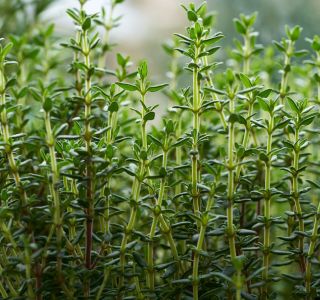
Thyme (Thymus vulgaris)
Thyme is native to the Mediterranean region and is cultivated in many parts of the world, including Europe and North America. It prefers well-drained, sandy soils and full sunlight.
Thyme is known for its ability to relax respiratory muscles, which can be beneficial for individuals suffering from respiratory conditions such as asthma (Choi et al., 2021). The thymol in thyme also exhibits antimicrobial properties, making it useful in treating respiratory infections (Do, 2020). Its use in herbal remedies for coughs and colds is well-documented (Torkamanpari et al., 2023). Thyme should be used cautiously, as it may cause allergic reactions in sensitive individuals. Pregnant women should avoid thyme oil due to potential abortifacient effects (Ahmed et al., 2017).
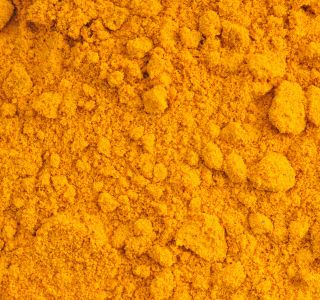
Turmeric (Curcuma longa)
Turmeric is primarily grown in tropical regions, with India being the largest producer, followed by countries like Bangladesh and Indonesia. It prefers warm, humid climates and well-drained soils.Turmeric, particularly its active compound curcumin, is celebrated for its anti-inflammatory and antioxidant properties. It has been utilized in traditional medicine to treat conditions such as arthritis and gastrointestinal disorders (Ghasemian et al., 2016). The anti-inflammatory effects of turmeric are attributed to its ability to inhibit various inflammatory pathways, making it a valuable herb for managing chronic inflammation (Ghasemian et al., 2016). Moreover, its incorporation into diets has gained popularity due to its potential in enhancing overall health and preventing diseases (Paswan et al., 2021). While turmeric is widely regarded as safe, high doses may cause gastrointestinal issues and it is contraindicated for individuals with gallbladder disease, as it may exacerbate symptoms (Shah et al., 2024). Additionally, turmeric may interact with anticoagulants and antiplatelet drugs (Shah et al., 2024).
Traditional Uses and Cultural Significance
Herbs and spices have been utilized for both culinary and medicinal purposes since antiquity. They serve not only to enhance flavor but also to provide therapeutic benefits. For instance, spices like garlic, ginger, and turmeric have been integral to traditional medicine systems, including Ayurveda and Traditional Chinese Medicine, where they are employed to treat a variety of ailments (Aphrodite et al., 2021; Al-keriawy et al., 2023). The historical context of these practices underscores the deep-rooted belief in the healing properties of herbs and spices, which have been passed down through generations.
In modern times, the use of herbs and spices has gained renewed interest, particularly in the context of health and wellness. During the COVID-19 pandemic, for example, many individuals turned to traditional remedies, utilizing various herbs and spices for their purported health benefits (Deshmukh, 2023). Clove (Syzygium aromaticum), for instance, has been highlighted for its antiviral properties and its role in treating respiratory ailments (Vicidomini et al., 2021). This reflects a broader trend where traditional knowledge is being integrated into contemporary health practices, emphasizing the relevance of herbal remedies in today’s society.
Pharmacological Properties
The pharmacological activities of herbs and spices are well-documented, with many exhibiting antioxidant, anti-inflammatory, and antimicrobial properties. For example, studies have shown that culinary herbs and spices can help protect against chronic diseases such as cardiovascular disease, diabetes, and cancer (Vázquez‐Fresno et al., 2019; Ulewicz-Magulska & Wesołowski, 2023). The presence of bioactive compounds, such as polyphenols and flavonoids, contributes to these health benefits, making herbs and spices valuable not only in cooking but also in medicinal applications (Acharya et al., 2024; Khanal et al., 2021).
Global Dependence on Herbal Remedies
Globally, a significant portion of the population relies on herbal remedies as a primary source of healthcare. It is estimated that around 70-80% of people in developing countries utilize traditional herbal medicine due to its accessibility and lower cost compared to conventional pharmaceuticals (Pandiyan et al., 2021). This reliance underscores the importance of preserving traditional knowledge and practices related to herbal medicine, especially in regions where access to modern healthcare is limited (Adnan et al., 2022).
Ethnobotanical Insights
Ethnobotanical surveys have documented the diverse use of herbs and spices in traditional medicine across various cultures. For instance, in South Aceh, Indonesia, numerous medicinal plants, including Curcuma longa and Zingiber officinale, are commonly used for their therapeutic properties (Adnan et al., 2022). Such studies highlight the cultural significance of these plants and their role in local health practices, reinforcing the need for further research into their efficacy and safety.
Conclusion
The integration of herbs and spices into traditional and alternative medicine reflects a longstanding belief in their therapeutic potential. As modern science continues to explore and validate these traditional uses, it is essential to recognize the cultural and historical contexts that shape their application. Continued research into the pharmacological properties of these natural remedies can enhance our understanding of their benefits and promote their safe use in health practices.
References
- (2023). A review of medicinal herbs in the treatment of common human disease. Australian Herbal Insight, 6(1), 1-12. https://doi.org/10.25163/ahi.6121070
- Acharya, D., et al. (2024). “Medicinal Herbs.” https://doi.org/10.5772/intechopen.1004443.
- Adnan, M., et al. (2022). “Diversity of herbs and spices plants and their importance in traditional medicine in the South Aceh District, Indonesia.” Biodiversitas Journal of Biological Diversity, vol. 23, no. 7, pp. 3601-3610. https://doi.org/10.13057/biodiv/d230761.
- Ahmed, M., et al. (2017). Safety classification of herbal medicines used among pregnant women in asian countries: a systematic review. BMC Complementary and Alternative Medicine, 17(1). https://doi.org/10.1186/s12906-017-1995-6
- Akpata, O., et al. (2010). Evaluation of oral and extra-oral factors predisposing to delusional halitosis. Ghana Medical Journal, 43(2). https://doi.org/10.4314/gmj.v43i2.55314
- Alissa, E. (2014). Medicinal herbs and therapeutic drugs interactions. Therapeutic Drug Monitoring, 36(4), 413-422. https://doi.org/10.1097/ftd.0000000000000035
- Al-Keriawy, M., et al. (2023). “Environmental Risk Assessment of Heavy Metals in Selected Medicinal Herbs and Spices.” Journal of Ecological Engineering, vol. 24, no. 1, pp. 1-10. https://doi.org/10.12911/22998993/162985.
- Alsayari, A., et al. (2018). “Community Pharmacists’ Knowledge, Attitudes, and Practice of Herbal Medicines in Asir Region, Kingdom of Saudi Arabia.” Evidence-Based Complementary and Alternative Medicine, vol. 2018, Article ID 1568139. https://doi.org/10.1155/2018/1568139.
- Ang-Lee, K., et al. (2001). “Herbal Medicines and Perioperative Care.” JAMA, vol. 286, no. 2, pp. 208-216. https://doi.org/10.1001/jama.286.2.208.
- Aphrodite, A., et al. (2021). “Culinary Temperature Variably Affects the Antioxidant Content of Some Local Spices and Green Herbs.” Turkish Journal of Agriculture – Food Science and Technology, vol. 9, no. 4, pp. 781-786. https://doi.org/10.24925/turjaf.v9i4.781-786.3985.
- Aung, E. E., et al. (2015). Effectiveness of three oral hygiene regimens on oral malodor reduction: a randomized clinical trial. Trials, 16(1). https://doi.org/10.1186/s13063-015-0549-9
- Bubela, T., et al. (2008). “Herbal remedy clinical trials in the media: a comparison with the coverage of conventional pharmaceuticals.” BMC Medicine, vol. 6, no. 35, https://doi.org/10.1186/1741-7015-6-35.
- Chang, C., et al. (2021). “A system for reporting and evaluating adverse drug reactions of herbal medicine in Taiwan from 1998 to 2016.” Scientific Reports, vol. 11, no. 1, Article 704. https://doi.org/10.1038/s41598-021-00704-w.
- Choi, H., et al. (2021). The effect of mechanical tongue cleaning on oral malodor and tongue coating. International Journal of Environmental Research and Public Health, 19(1), 108. https://doi.org/10.3390/ijerph19010108
- Dahl, J. (2001)”Herbs and Supplements in Dialysis Patients: Panacea or Poison?” Seminars in Dialysis, vol. 14, no. 1, pp. 51-54. https://doi.org/10.1046/j.1525-139x.2001.00051.x.
- Dayma, A., et al. (2020). Validation of organoleptics and instrumental measurement for halitosis among patient with malodour. Journal of Dental Health, Oral Disorders &Amp; Therapy, 11(1), 6-10. https://doi.org/10.15406/jdhodt.2019.10.00511
- Demiray, A., et al. (2024). “A Case of Acute Tubulointerstitial Nephritis Following the Use of Chenopodium album L.” 2024, https://doi.org/10.21203/rs.3.rs-4139287/v1.
- Deshmukh, S. (2023). “Utilization of herbs and spices as a conventional medicine in COVID-19: A study.” Multidisciplinary Science Journal, vol. 2023, Article 4008. https://doi.org/10.31893/multiscience.2024008.
- Do, K. (2020). Relationship between insufficient sleep and bad breath in korean adolescent population. International Journal of Environmental Research and Public Health, 17(19), 7230. https://doi.org/10.3390/ijerph17197230
- Ekor, M. (2014). “The growing use of herbal medicines: issues relating to adverse reactions and challenges in monitoring safety.” Frontiers in Pharmacology, vol. 4, 2014, Article 177. https://doi.org/10.3389/fphar.2013.00177.
- Elsayed, H., et al. (2023). Ameliorative effect of cinnamon and rosemary against acrylamide–induced renal injury in rats. Benha Veterinary Medical Journal, 45(2), 88-94. https://doi.org/10.21608/bvmj.2023.227235.1695
- Ettikan, S. (2014). Bad breath. Iosr Journal of Dental and Medical Sciences, 13(6), 44-49. https://doi.org/10.9790/0853-13644449
- Fakeye, T., et al. (2009). “Attitude and use of herbal medicines among pregnant women in Nigeria.” BMC Complementary and Alternative Medicine, vol. 9, no. 53. https://doi.org/ 10.1186/1472-6882-9-53.
- Gatty, H. K., et al. (2018). A miniaturized amperometric hydrogen sulfide sensor applicable for bad breath monitoring. Micromachines, 9(12), 612. https://doi.org/10.3390/mi9120612
- Gelayee, D., et al. (2017). “Herbal Medicines: Personal Use, Knowledge, Attitude, Dispensing Practice, and the Barriers among Community Pharmacists in Gondar, Northwest Ethiopia.” Evidence-Based Complementary and Alternative Medicine, vol. 2017, Article ID 6480142. https://doi.org/10.1155/2017/6480142.
- Ghasemian, M., et al. (2016). Review of anti-inflammatory herbal medicines. Advances in Pharmacological Sciences, 2016, 1-11. https://doi.org/10.1155/2016/9130979
- Godha, S., et al. (2016). Impact of different oral hygiene aids for the reduction of morning bad breath among dental students: a crossover clinical trial. Medicine and Pharmacy Reports, 89(4), 525-533. https://doi.org/10.15386/cjmed-627
- Grigoriu, I., et al. (2021). “Phytotherapy in obstetrics – therapeutic indications, limits, and dangers.” Journal of Medicine and Life, vol. 14, no. 2, pp. 179-185. https://doi.org/10.25122/jml-2021-0353.
- Hawash, M., et al. (2024). “Assessing the therapeutic potential and safety of traditional anti-obesity herbal blends in Palestine.” Scientific Reports, vol. 14, no. 1, Article 52172. https://doi.org/10.1038/s41598-024-52172-7.
- Heiran, A., et al. (2021). “Efficacy of herbal treatments for functional dyspepsia: A systematic review and meta‐analysis of randomized clinical trials.” Phytotherapy Research, vol. 35, no. 5, pp. 2439-2450. https://doi.org/10.1002/ptr.7333.
- Janbaz, Z. A., et al. (2022). Use of face masks and self-perceived breath odour amidst covid-19 pandemic- a cross sectional online questionnaire-based study. International Journal of Medical Science and Diagnosis Research, 6(5). https://doi.org/10.32553/ijmsdr.v6i5.939
- Kennedy, D., et al.(2016). “Safety classification of herbal medicines used in pregnancy in a multinational study.” BMC Complementary and Alternative Medicine, vol. 16, no. 107, 2016. https://doi.org/10.1186/s12906-016-1079-z.
- Khanal, A., et al. (2021). Culinary herbs and spices in Nepal: a review of their traditional uses, chemical constituents, and pharmacological activities. Ethnobotany Research and Applications, 21. https://doi.org/10.32859/era.21.40.1-18
- Khadka, P., et al. (2021). “The use of medicinal plants to prevent COVID-19 in Nepal.” Journal of Ethnobiology and Ethnomedicine, vol. 17, no. 1,Article 49. https://doi.org/10.1186/s13002-021-00449-w.
- Khdour, M., et al. (2016). “Pharmacists’ knowledge, attitudes and practices towards herbal remedies in West Bank, Palestine.” International Archives of Medicine, vol. 9, no. 1, Article 1974. https://doi.org/10.3823/1974.
- Kim, H., et al. (2022). Oral malodor control effect of mouth wash containing sodium fluorophosphate and green tea extract. International Journal of Clinical Preventive Dentistry, 18(3), 71-77. https://doi.org/10.15236/ijcpd.2022.18.3.71
- Kunwar, R., et al. (2010). “Traditional herbal medicine in Far-west Nepal: a pharmacological appraisal.” Journal of Ethnobiology and Ethnomedicine, vol. 6, no. 35, https://doi.org/10.1186/1746-4269-6-35.
- Li, Y., and Martin, A. (2011). “Herbal Medicine and Hepatocellular Carcinoma: Applications and Challenges.” Evidence-Based Complementary and Alternative Medicine, vol. 2011, Article ID 123456. https://doi.org/10.1093/ecam/neq044.
- Liu, Y., et al. (2015). “Safety Surveillance of Traditional Chinese Medicine: Current and Future.” Drug Safety, vol. 38, no. 1, pp. 1-10. https://doi.org/ 10.1007/s40264-014-0250-z.
- Mackichan, F., and Ruthman, J. (2004). “Herbal product use and perioperative patients.” AORN Journal, vol. 79, no. 6, pp. 1156-1162. https://doi.org/10.1016/s0001-2092(06)60726-6.
- Nejatbakhsh, R., et al. (2016). Ameliorating effects of fennel and cumin extracts on sperm quality and spermatogenic cells apoptosis by inducing weight loss and reducing leptin concentration in diet-induced obese rats. Andrologia, 49(8), e12748. https://doi.org/10.1111/and.12748
- Nimoshini, G., et al. (2023). Inhibitory effect of garlic and omam extracts on mucor circinelloides, a fungus causing mucormycosis. Journal of Oral and Maxillofacial Pathology, 27(1), 71-75. https://doi.org/10.4103/jomfp.jomfp_45_22
- Orona-Ortiz, J., et al. (2019). “Mucoadhesive effect of Curcuma longa extract and curcumin decreases the ranitidine effect, but not bismuth subsalicylate on ethanol-induced ulcer model.” Scientific Reports, vol. 9, no. 1, Article 53089. https://doi.org/ 10.1038/s41598-019-53089-2.26.
- Pandiyan, E., et al. (2021). Untitled. International Journal of Green Pharmacy, 15(2). https://doi.org/10.22377/ijgp.v15i2.3077
- Panov, V. (2023). Study of bad breath. Journal of Medical and Dental Practice, 10(1), 1686-1690. https://doi.org/10.18044/medinform.2023101.1686
- Paswan, V., et al. (2021). Herbs and spices fortified functional dairy products.. https://doi.org/10.5772/intechopen.98775
- Refaat, W. and Nassag, D. (2019). Effect of fennel and dill seeds on serum lipid profiles of rats feeding high fat diet. مجلة البحوث في مجالات التربية النوعية, 2019(22), 57-77. https://doi.org/10.21608/jedu.2019.73555
- Rodrigues, N., et al. (2023). Is bad breath associated with dyspepsia? an association and an equivalence study. Brazilian Oral Research, 37. https://doi.org/10.1590/1807-3107bor-2023.vol37.0053
- Setia, S., et al. (2014). Correlation of oral hygiene practices, smoking and oral health conditions with self perceived halitosis amongst undergraduate dental students. Journal of Natural Science, Biology and Medicine, 5(1), 67. https://doi.org/10.4103/0976-9668.127291
- Settineri, S., et al. (2010). Self-reported halitosis and emotional state: impact on oral conditions and treatments. Health and Quality of Life Outcomes, 8(1), 34. https://doi.org/10.1186/1477-7525-8-34
- Shah, N., et al. (2024). A brief review on soothing herbs: stress reducing botanicals. Journal of Natural Remedies, 1195-1202. https://doi.org/10.18311/jnr/2024/36082
- Shoara, R., et al. (2015). “Efficacy and safety of topical Matricaria chamomilla L. (chamomile) oil for knee osteoarthritis: A randomized controlled clinical trial.” Complementary Therapies in Clinical Practice, vol. 21, no. 2, pp. 123-128. https://doi.org/10.1016/j.ctcp.2015.06.003.
- Singh, S. (2020). Untitled. MOJ Food Processing &Amp; Technology, 8(3). https://doi.org/10.15406/mojfpt.8.3
- Singla, R. (2023). “Exploring Transdermal Delivery of Traditional Herbal Medicine for Central Nervous System Disorders.” International Journal of All Research Education & Scientific Methods, vol. 12, no. 1, Article 1201241700. https://doi.org/10.56025/ijaresm.2023.1201241700.
- Srinivasan, N., et al. (2024). Knowledge, self-perception, attitude of halitosis among students in chengalpet: a questionnaire study. Asian Journal of Dental and Health Sciences, 4(1), 4-8. https://doi.org/10.22270/ajdhs.v4i1.66
- Sundell, J., and Jönsson, A. (2016). “Beliefs about medicines are strongly associated with medicine-use patterns among the general population.” International Journal of Clinical Practice, vol. 70, no. 6, pp. 469-477. https://doi.org/10.1111/ijcp.12781.
- Thariwong, P., et al. (2021). “Specification and DNA Barcoding of Thai Traditional Remedy for Chronic Kidney Disease: Pikad Tri-phol-sa-mut-than.” Plants, vol. 10, no. 10, Article 2023. https://doi.org/10.3390/plants10102023.
- Torkamanpari, M., et al. (2023). The effects of purslane (portulaca oleracea) and fennel (foeniculum vulgare mill) hydroalcoholic extracts on the functional parameters of human spermatozoa after vitrification. Clinical and Experimental Reproductive Medicine, 50(2), 78-85. https://doi.org/10.5653/cerm.2021.04805
- Ulewicz-Magulska, K., and Wesołowski, M. (2023). “Antioxidant Activity of Medicinal Herbs and Spices from Plants of the Lamiaceae, Apiaceae and Asteraceae Families: Chemometric Interpretation of the Data.” Antioxidants, vol. 12, no. 12, Article 2039. https://doi.org/10.3390/antiox12122039.
- Vázquez‐Fresno, et al. (2019). Herbs and spices- biomarkers of intake based on human intervention studies – a systematic review. Genes &Amp; Nutrition, 14(1). https://doi.org/10.1186/s12263-019-0636-8
- Vicidomini, C., et al. (2021). “Molecular Basis of the Therapeutical Potential of Clove (Syzygium aromaticum L.) and Clues to Its Anti-COVID-19 Utility.” Molecules, vol. 26, no. 18, Article 1880 https://doi.org/10.3390/molecules26171880.
- Yan, M., et al. (2018). Carnosol, a dietary diterpene from rosemary (rosmarinus officinalis) activates nrf2 leading to sestrin 2 induction in colon cells. Integrative Molecular Medicine, 5(4). https://doi.org/10.15761/imm.1000335
- Yue, X., et al. (2011). “Screening for Anti‐inflammatory and Bronchorelaxant Activities of 12 Commonly Used Chinese Herbal Medicines.” Phytotherapy Research, vol. 25, no. 11, pp. 1640-1646. https://doi.org/10.1002/ptr.3659.
- Zuravski, L., et al. (2021). Immunotoxic assessment of rosemary extract. Revista Brasileira De Farmacognosia, 31(6), 788-793. https://doi.org/10.1007/s43450-021-00217-7
More Articles You May Like
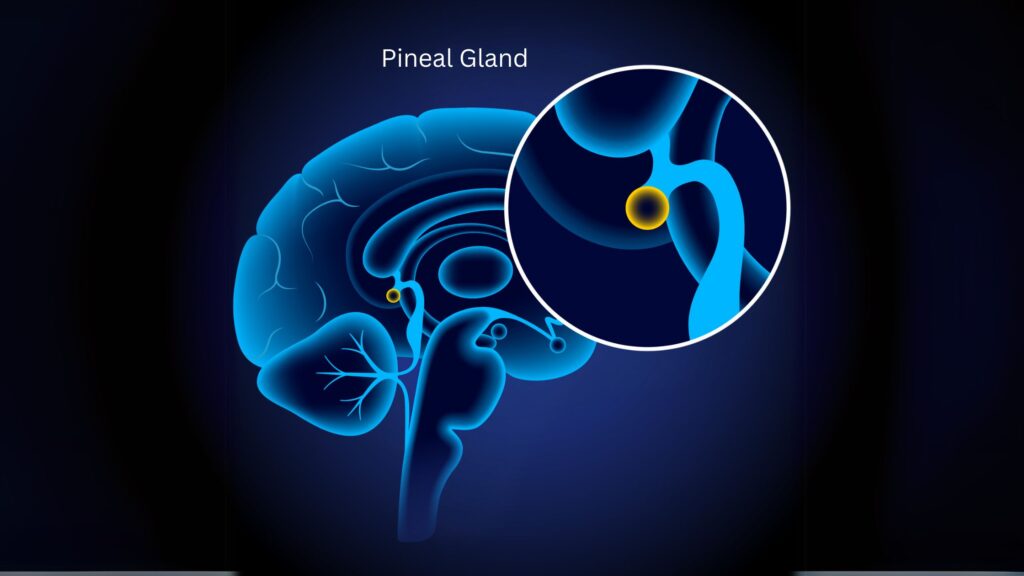
Pineal Gland Insights
The pineal gland, a small, pea-shaped endocrine organ located in the epithalamus of the brain, is often referred to as the “third eye” due to its role in regulating circadian rhythms and sleep patterns through the secretion of melatonin. This gland has garnered significant attention due to its involvement in various physiological processes and its susceptibility to environmental factors, including fluoride exposure and calcification. The pineal gland is primarily responsible for synthesizing melatonin, a hormone that plays a critical role in signaling the body to prepare for...

The Role of Essential Minerals
Minerals are inorganic elements that play a fundamental role in numerous physiological processes essential for human health. Unlike macronutrients such as carbohydrates, proteins, and fats, which provide energy, minerals are crucial for a variety of functions, including structural support, enzymatic reactions, and the regulation of metabolic pathways. The human body requires a range of minerals, categorized into macrominerals (needed in larger amounts) and trace minerals (required in smaller quantities), each serving distinct and vital roles. The significance of these essential minerals...

Circadian Rhythm and Sleep Quality
Sleep is a complex physiological state governed by various biological rhythms, primarily the circadian rhythm, which plays a crucial role in regulating sleep-wake cycles, hormone secretion, and numerous metabolic processes. Understanding the intricacies of circadian rhythms, their impact on sleep quality, and the factors that disrupt them is essential for improving sleep health. Additionally, the influence of external factors such as lunar phases, particularly the full moon, has garnered attention in recent research, suggesting that these cycles may also affect sleep patterns. Definition...

Sleep: A Critical Factor in Health and Well-being
Sleep is a fundamental physiological process that significantly impacts both physical and mental health. Sleep is characterized by altered consciousness, reduced sensory activity, inhibition of voluntary muscles, and a decrease in interactions with the environment. The quality and duration of sleep are crucial for various bodily functions, including cognitive performance, emotional regulation, and overall well-being. However, sleep can also be adversely affected by numerous factors, leading to a range of health issues. Positive Effects of Sleep on Health Adequate sleep is essential for...
Ancient Wisdom in Modern Health
The coexistence of various forms of medicine reflects a rich tapestry of cultural beliefs, historical contexts, and philosophical underpinnings that shape health practices across the globe. Among these, Naturopathic medicine, Traditional Chinese Medicine (TCM), and Ayurveda stand out as prominent systems, each offering unique approaches to health and wellness. Naturopathic medicine emphasizes the body’s inherent ability to heal itself, advocating for natural remedies and lifestyle changes to promote health. This system is rooted in principles such as the healing power of nature,...

Red Light and Gum Disease
The therapeutic application of red light in the treatment of gum disease, particularly periodontitis, has garnered significant attention in recent years due to its potential to enhance traditional treatment modalities. This article synthesizes various studies that explore the efficacy of red light therapy, specifically in the context of antimicrobial photodynamic therapy (aPDT) and its effects on periodontal pathogens, particularly the notorious red complex bacteria, which include Porphyromonas gingivalis, Tannerella forsythia, and Treponema denticola. The red complex bacteria are...

Low-Level Laser Therapy on Tinnitus
AbstractTinnitus, characterized by the perception of sound in the absence of external stimuli, affects a significant portion of the population and poses a challenge for effective treatment. Low-level laser therapy (LLLT), also known as red light therapy, has emerged as a potential therapeutic intervention. This article reviews the current literature on the efficacy of LLLT in managing tinnitus, exploring its mechanisms, clinical outcomes, and implications for future research. IntroductionTinnitus is a complex auditory phenomenon that can significantly impair quality of life. Traditional...

Red Light Therapy
Red light therapy (RLT), also known as photobiomodulation (PBM), has garnered attention as a non-invasive treatment modality with numerous health benefits. This therapy utilizes specific wavelengths of red light, typically ranging from 600 to 1000 nm, to stimulate cellular processes and promote healing. The therapeutic effects of RLT extend across various fields, including cellular health, dermatology, orthopedic applications, and pain management, as supported by recent scientific research. The mechanism underlying red light therapy primarily involves its interaction with cellular...

Difference between Mindfulness and Clinical Hypnotherapy
The integration of mindfulness with clinical hypnotherapy presents a unique approach to mental health treatment, combining the strengths of both modalities to enhance therapeutic outcomes. While mindfulness emphasizes present-moment awareness and acceptance, clinical hypnotherapy utilizes deep relaxation and focused attention to access the subconscious mind. This article explores how these two practices can complement each other, particularly in addressing psychological distress and promoting overall well-being. Mindfulness, as a practice, encourages individuals to cultivate awareness of...
Stem Cell Changes and Clinical Hypnotherapy
The field of stem cell research has garnered significant attention due to its implications for regenerative medicine and the treatment of age-related diseases. As stem cells age, they undergo a series of intrinsic and extrinsic changes that affect their functionality and regenerative potential. Concurrently, clinical hypnotherapy has emerged as a therapeutic modality that may influence biological processes, including those associated with stem cell behavior. This article explores the intersection of stem cell aging and clinical hypnotherapy, highlighting the potential mechanisms through...

Stem Cell and Mindfulness
The intersection of stem cell research and mindfulness practices has garnered increasing attention in recent years, particularly in the context of neuroplasticity and mental health. Neuroplasticity refers to the brain’s ability to reorganize itself by forming new neural connections throughout life, a process that is significantly influenced by both environmental factors and intrinsic biological mechanisms. Stem cells, particularly neural stem cells (NSCs), play a crucial role in this process by contributing to neurogenesis, the formation of new neurons, and the repair of damaged...

Cellular Changes and Mindfulness
Mindfulness, defined as the intentional and non-judgmental awareness of the present moment, has gained significant attention in both psychological and physiological research. This practice, rooted in ancient contemplative traditions, has been adapted into various therapeutic interventions, most notably Mindfulness-Based Stress Reduction (MBSR) (Rung et al., 2020). The burgeoning field of mindfulness research has revealed profound implications for cellular health, particularly in the context of stress and its physiological manifestations. Stress, a ubiquitous aspect of modern life,...
Medical Disclaimer
The information provided in this document is intended for educational and informational purposes only and should not be construed as medical advice, diagnosis, or treatment. It is essential to consult a qualified healthcare professional for any medical concerns or conditions. The content herein does not substitute for professional medical advice, and individuals should not disregard or delay seeking medical advice based on the information provided.
The authors and publishers of this document do not assume any responsibility for any adverse effects or consequences resulting from the use or application of the information contained herein. The reader is encouraged to conduct their own research and consult with healthcare providers to make informed decisions regarding their health and treatment options. Furthermore, the information presented may not reflect the most current research or medical guidelines, as medical knowledge is continually evolving. Therefore, it is imperative to verify the information with up-to-date, peer-reviewed sources and consult with medical professionals for personalized advice.