
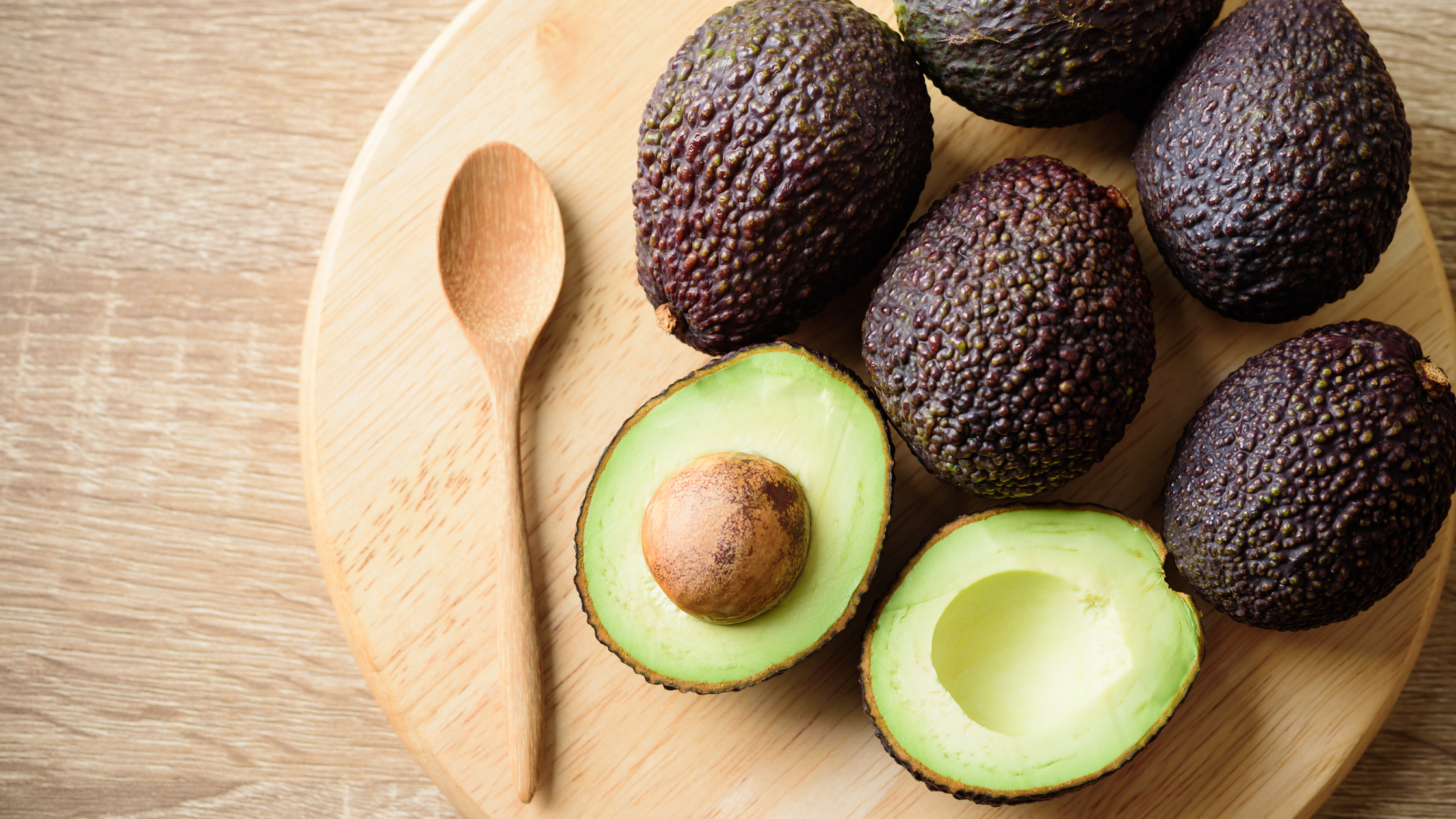
Avocado
Avocado, also known as the “alligator pear,” is a fruit prized for its creamy texture, rich flavor, and myriad health benefits. Believed to have originated in south-central Mexico around 10,000 years ago, avocados have since become popular worldwide, finding their way into various culinary dishes and beauty products. Beyond its delicious taste, the avocado boasts a remarkable nutritional profile and numerous health-promoting properties, making it a staple in many diets across the globe.
The history of avocados dates back thousands of years to ancient Mesoamerican civilizations, such as the Aztecs and the Mayans, who revered the fruit for its medicinal and nutritional value. Archaeological evidence suggests that avocados were cultivated as early as 5000 BCE. Spanish explorers encountering avocados in the 16th century introduced them to Europe and other parts of the world. Since then, avocados have steadily gained popularity, becoming a ubiquitous ingredient in cuisines worldwide.
Avocados are celebrated for their high content of monounsaturated fats, particularly oleic acid, which is beneficial for cardiovascular health. They also contain a variety of vitamins, minerals, and phytochemicals that provide antioxidant and anti-inflammatory effects. These compounds help protect cells from damage caused by oxidative stress and inflammation, thereby reducing the risk of chronic diseases such as cardiovascular disease, cancer, and neurodegenerative disorders. Consuming avocados is associated with numerous health benefits, including improved heart health, as the monounsaturated fats help lower LDL (bad) cholesterol levels while raising HDL (good) cholesterol levels, thus reducing the risk of heart disease. Their rich fiber and healthy fat content promote satiety, aiding in weight management. Additionally, avocados have a low glycemic index and are high in fiber, which helps regulate blood sugar levels and improve insulin sensitivity. They also contain lutein and zeaxanthin, two antioxidants that support eye health and may reduce the risk of age-related macular degeneration. Furthermore, the vitamins and antioxidants in avocados nourish the skin and promote a healthy complexion, while avocado oil is commonly used in hair care products for its moisturizing and conditioning properties.
Avocados can be enjoyed fresh, added to salads, or blended into smoothies for a creamy texture. They are also commonly used to make guacamole, a popular dip, or spread on toast for a nutritious breakfast. Additionally, avocados can be incorporated into a variety of dishes, including soups, sauces, and baked goods, where they contribute healthy fats and enhance flavor. Their versatility and rich nutrient profile make avocados a valuable addition to many culinary applications.
While avocados are generally safe for most individuals, those with latex allergies may experience cross-reactivity and allergic reactions when consuming avocados. Additionally, individuals taking blood-thinning medications should consume avocados in moderation due to their vitamin K content, which can influence blood clotting. Although avocados are nutritious, excessive intake may lead to weight gain because of their high calorie and fat content. Some people might also experience gastrointestinal discomfort, such as bloating or gas, especially if they consume large quantities of avocado or have sensitivities to certain FODMAPs (fermentable oligosaccharides, disaccharides, monosaccharides, and polyols). Furthermore, avocado supplements or extracts may interact with certain medications, particularly blood-thinning drugs, and should be used with caution.
In traditional Chinese medicine (TCM), avocados are regarded as cooling in nature and are believed to nourish yin and blood, lubricate the intestines, and promote healthy skin. They are commonly incorporated into culinary dishes and herbal formulations to help balance excess yang or heat in the body.
In Western herbalism, avocados are appreciated for their nutritional and medicinal properties, particularly their benefits for cardiovascular health, anti-inflammatory effects, and skin healing. Avocado oil is often applied topically to moisturize and soothe dry or damaged skin. According to TCM principles, avocados are linked to the Liver and Lung meridians, where they are thought to support liver function, clear heat, and alleviate dryness, making them beneficial for conditions such as liver stagnation, lung dryness, and yin deficiency.
In summary, avocados are not only delicious but also offer a multitude of health benefits. Whether enjoyed as a savory snack, a creamy topping, or a nourishing ingredient, avocados can be a valuable addition to a balanced diet, promoting overall health and well-being.
Bhuyan, D., et al. (2019). The odyssey of bioactive compounds in avocado (persea americana) and their health benefits. Antioxidants, 8(10), 426. https://doi.org/10.3390/antiox8100426
Carvajal-Zarrabal, O., et al (2014). Avocado oil supplementation modifies cardiovascular risk profile markers in a rat model of sucrose-induced metabolic changes. Disease Markers, 2014, 1-8. https://doi.org/10.1155/2014/386425
Dreher, M. and Davenport, A. (2013). Hass avocado composition and potential health effects. Critical Reviews in Food Science and Nutrition, 53(7), 738-750. https://doi.org/10.1080/10408398.2011.556759
Ford, N.,et al. (2023). Nutritional composition of hass avocado pulp. Foods, 12(13), 2516. https://doi.org/10.3390/foods12132516
Guan, V., et al. (2021). Consumption of avocado and associations with nutrient, food and anthropometric measures in a representative survey of australians: a secondary analysis of the 2011–2012 national nutrition and physical activity survey. British Journal of Nutrition, 128(5), 932-939. https://doi.org/10.1017/s0007114521003913
Gupta, V. (2015). Oily fish, coffee and walnuts: dietary treatment for nonalcoholic fatty liver disease. World Journal of Gastroenterology, 21(37), 10621. https://doi.org/10.3748/wjg.v21.i37.10621
Hempel, J., et al. (2017). Effect of aggregation form on bioavailability of zeaxanthin in humans: a randomised cross-over study. British Journal of Nutrition, 118(9), 698-706. https://doi.org/10.1017/s0007114517002653
Heskey, C., Oda, K., & Sabaté, J. (2019). Avocado intake, and longitudinal weight and body mass index changes in an adult cohort. Nutrients, 11(3), 691. https://doi.org/10.3390/nu11030691
Khan, N., et al. (2021). Avocado consumption, abdominal adiposity, and oral glucose tolerance among persons with overweight and obesity. Journal of Nutrition, 151(9), 2513-2521. https://doi.org/10.1093/jn/nxab187
Li, Z., et al. (2013). Hass avocado modulates postprandial vascular reactivity and postprandial inflammatory responses to a hamburger meal in healthy volunteers. Food & Function, 4(3), 384-391. https://doi.org/10.1039/c2fo30226h
Lichtenstein, A., et al. (2022). Effect of incorporating 1 avocado per day versus habitual diet on visceral adiposity: a randomized trial. Journal of the American Heart Association, 11(14). https://doi.org/10.1161/jaha.122.025657
Monge, A., et al. (2022). Avocado consumption is associated with a reduction in hypertension incidence in mexican women. British Journal of Nutrition, 129(11), 1976-1983. https://doi.org/10.1017/s0007114522002690
Moolwong, J. (2023). Physicochemical properties, antioxidant capacity, and consumer acceptability of ice cream incorporated with avocado (<i>persea americana</i> mill.) pulp. Polish Journal of Food and Nutrition Sciences, 289-296. https://doi.org/10.31883/pjfns/170938
Okobi, O. (2023). Effect of avocado consumption on risk factors of cardiovascular diseases: a systematic review and meta-analysis. Cureus. https://doi.org/10.7759/cureus.41189
Okoye, J. (2023). Chromatographic, immuno-inflammatory, and nephrotoxic assessment of selected culinary oils in experimental models.. https://doi.org/10.1101/2023.08.30.555600
Olavarría, V., et al. (2021). Effects of an avocado-based mediterranean diet on serum lipids for secondary prevention after ischemic stroke trial (add-spise). Medicine, 100(24), e26425. https://doi.org/10.1097/md.0000000000026425
Olmedilla‐Alonso, B., et al (2021). Changes in lutein status markers (serum and faecal concentrations, macular pigment) in response to a lutein-rich fruit or vegetable (three pieces/day) dietary intervention in normolipemic subjects. Nutrients, 13(10), 3614. https://doi.org/10.3390/nu13103614
Pacheco, L., et al. (2022). Changes in biomarkers of non-alcoholic fatty liver disease (nafld) upon access to avocados in hispanic/latino adults: secondary data analysis of a cluster randomized controlled trial. Nutrients, 14(13), 2744. https://doi.org/10.3390/nu14132744
Pacheco, L., et al. (2021). Effects of different allotments of avocados on the nutritional status of families: a cluster randomized controlled trial. Nutrients, 13(11), 4021. https://doi.org/10.3390/nu13114021
Park, E., et al. (2018). Avocado fruit on postprandial markers of cardio-metabolic risk: a randomized controlled dose response trial in overweight and obese men and women. Nutrients, 10(9), 1287. https://doi.org/10.3390/nu10091287
Peou, S., et al. (2016). Impact of avocado-enriched diets on plasma lipoproteins: a meta-analysis. Journal of Clinical Lipidology, 10(1), 161-171. https://doi.org/10.1016/j.jacl.2015.10.011
Rodiles-López, J., et al. (2020). The effect of diets enriched with avocado (<i>persea americana</i> cv hass) on cholesterol and triglyceride decrease evaluated in hamsters. Journal of Food and Nutrition Research, 8(11), 670-674. https://doi.org/10.12691/jfnr-8-11-7
Wang, L., et al. (2015). Effect of a moderate fat diet with and without avocados on lipoprotein particle number, size and subclasses in overweight and obese adults: a randomized, controlled trial. Journal of the American Heart Association, 4(1). https://doi.org/10.1161/jaha.114.001355
MyFoodData. (n.d.). Nutrition facts for food item: WT1. Retrieved january 8, 2025, from https://tools.myfooddata.com/nutrition-facts/171705/wt2/1
Medical Disclaimer
The information provided in this document is intended for educational and informational purposes only and should not be construed as medical advice, diagnosis, or treatment. It is essential to consult a qualified healthcare professional for any medical concerns or conditions. The content herein does not substitute for professional medical advice, and individuals should not disregard or delay seeking medical advice based on the information provided.
The authors and publishers of this document do not assume any responsibility for any adverse effects or consequences resulting from the use or application of the information contained herein. The reader is encouraged to conduct their own research and consult with healthcare providers to make informed decisions regarding their health and treatment options. Furthermore, the information presented may not reflect the most current research or medical guidelines, as medical knowledge is continually evolving. Therefore, it is imperative to verify the information with up-to-date, peer-reviewed sources and consult with medical professionals for personalized advice.