Types of Magnesium and Their Benefits: A Comprehensive Overview
Magnesium is an essential mineral that plays a vital role in numerous physiological functions, including energy production, muscle contraction, and nerve transmission. Given its importance, various forms of magnesium supplements are available, each with unique properties, benefits, and absorption characteristics. This article discusses the different types of magnesium, their benefits, natural sources, daily requirements, and a comparative analysis to help individuals choose the most suitable form for their needs. Additionally, we will explore how magnesium is synthesized in laboratories, including synthetic methods.
Magnesium Oxide: Magnesium oxide (MgO) is one of the most common forms of magnesium supplements. It is often used due to its high magnesium content and low cost. However, magnesium oxide has relatively low bioavailability, meaning that it is not absorbed well by the body. Studies have shown that only about 4% of magnesium oxide is absorbed in the gastrointestinal tract [1]. This form is often used as a laxative due to its osmotic properties, but it may not be the best choice for those looking to increase their magnesium levels effectively [2].
Magnesium Citrate: Magnesium citrate is a combination of magnesium and citric acid, which enhances its solubility and absorption. It is often recommended for individuals seeking to improve their magnesium levels due to its higher bioavailability compared to magnesium oxide. Research indicates that magnesium citrate can be absorbed more efficiently, making it a popular choice for supplementation [3]. Additionally, magnesium citrate may help alleviate constipation, making it beneficial for those with digestive issues [4].
Magnesium Chloride: Magnesium chloride is another highly bioavailable form of magnesium. It is often used in topical applications and oral supplements. Studies have shown that magnesium chloride is well absorbed in the gastrointestinal tract and can be beneficial for individuals with absorption issues [5]. This form is also known for its potential to improve skin hydration and reduce inflammation when applied topically [6].
Magnesium Glycinate: Magnesium glycinate is a chelated form of magnesium, meaning it is bound to the amino acid glycine. This form is known for its high bioavailability and is less likely to cause gastrointestinal discomfort compared to other forms [7]. Magnesium glycinate is often recommended for individuals seeking to improve sleep quality and reduce anxiety, as glycine has calming properties [8]. Additionally, it may help alleviate muscle cramps and spasms, making it a popular choice among athletes [9].
Magnesium Taurate: Magnesium taurate combines magnesium with taurine, an amino acid known for its cardiovascular benefits. This form of magnesium may help regulate blood pressure and improve heart health [10]. Research suggests that magnesium taurate can enhance insulin sensitivity and may be particularly beneficial for individuals with type 2 diabetes [11].
Magnesium Sulfate: Commonly known as Epsom salt, magnesium sulfate is often used in baths for muscle relaxation and pain relief. While it is effective for topical use, its oral supplementation is less common due to its strong laxative effects [12]. Magnesium sulfate can help reduce inflammation and may be beneficial for individuals with chronic pain conditions [13].
Magnesium Pidolate: Magnesium pidolate is a lesser-known form of magnesium that has gained attention for its high bioavailability and potential therapeutic effects. Research indicates that magnesium pidolate may effectively reverse magnesium deficiency and improve headache symptoms, particularly in individuals suffering from migraines [14]. Its ability to penetrate cells may enhance its therapeutic efficacy compared to other forms [15].
Natural Sources of Magnesium
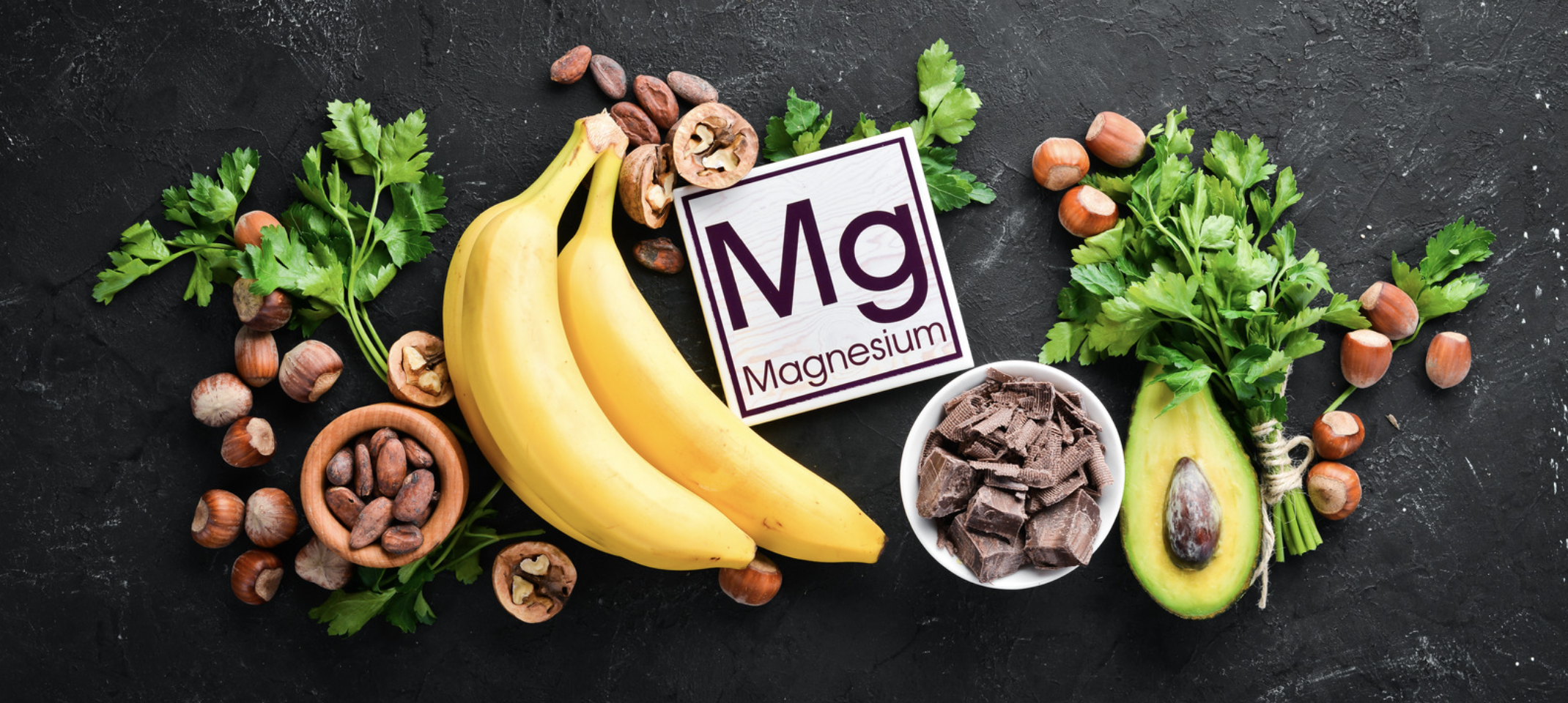
Natural sources of magnesium are abundant in various foods, particularly in plant-based diets. Some of the best dietary sources include:
Leafy Greens: Spinach, Swiss chard, and kale are excellent sources of magnesium.
Nuts and Seeds: Almonds, cashews, and pumpkin seeds are rich in magnesium.
Whole Grains: Foods like brown rice, quinoa, and whole wheat bread provide significant amounts of magnesium.
Legumes: Beans, lentils, and chickpeas are good sources of magnesium.
Fruits: Avocados and bananas contain moderate amounts of magnesium.
Fish: Fatty fish like salmon and mackerel also contribute to magnesium intake [19][20][21].
Daily Magnesium Requirements
The recommended daily allowance (RDA) for magnesium varies by age, sex, and life stage. According to the National Institutes of Health, the RDA for magnesium is as follows:
Adult Men: 400-420 mg
Adult Women: 310-320 mg
Pregnant Women: 350-360 mg
Lactating Women: 310-320 mg [22][23].
Many individuals do not meet these daily requirements due to dietary habits and food processing, which can significantly reduce magnesium content in foods [24]. It is essential to ensure adequate magnesium intake to support overall health and prevent deficiencies.
Synthesis of Magnesium
Magnesium can be synthesized in laboratories using various methods. One common approach is through the carbothermic reduction of magnesium oxide or dolime (a type of limestone). In this process, magnesium oxide is mixed with carbon and heated to high temperatures, resulting in the reduction of magnesium oxide to magnesium metal [16]. This method is efficient and can produce high-purity magnesium suitable for various applications.
Another innovative method involves sonochemical synthesis, where ultrasound waves are used to facilitate chemical reactions at lower temperatures and shorter reaction times. This technique has been shown to produce high-crystalline magnesium borate compounds, demonstrating the potential for energy-efficient and environmentally friendly synthesis methods [17].
Additionally, hybrid synthesis techniques, including microwave-assisted synthesis and the use of capping agents, are emerging as novel approaches to producing magnesium compounds with enhanced properties [18]. These advancements in synthesis technology may lead to new applications in fields such as medicine and materials science.
Comparative Analysis of Magnesium Forms
When comparing the various forms of magnesium, several factors should be considered, including bioavailability, gastrointestinal tolerance, and specific health benefits:
Bioavailability: Magnesium glycinate and magnesium citrate are among the most bioavailable forms, making them effective choices for supplementation. In contrast, magnesium oxide has low bioavailability and may not be as effective for increasing magnesium levels [1][3].
Gastrointestinal Tolerance: Magnesium glycinate is less likely to cause gastrointestinal discomfort, making it suitable for individuals with sensitive stomachs. Magnesium citrate may cause mild laxative effects, while magnesium oxide can lead to diarrhea in some individuals [2][7].
Specific Health Benefits: Each form of magnesium may offer unique health benefits. For example, magnesium taurate is particularly beneficial for cardiovascular health, while magnesium glycinate is favored for its calming effects and muscle relaxation properties [10][8].
Conclusion
In conclusion, the choice of magnesium supplement should be guided by individual health needs, absorption characteristics, and potential side effects. Magnesium glycinate and magnesium citrate are generally preferred for their high bioavailability and tolerability, while magnesium taurate may be suitable for those focused on cardiovascular health. Individuals with digestive issues may benefit from magnesium citrate, while those seeking topical applications may find magnesium chloride or magnesium sulfate more effective. Additionally, understanding natural sources of magnesium and ensuring adequate daily intake is crucial for maintaining optimal health. Furthermore, advancements in the synthesis of magnesium compounds open new avenues for research and application, enhancing the mineral’s utility in various fields. Ultimately, understanding the differences among magnesium forms can help individuals make informed decisions to optimize their magnesium intake and overall health.
References
- W. Rude, “Magnesium,” in *Clinical Nutrition*, 2012.
- D. A. S. et al., “Magnesium and gastrointestinal function,” *American Journal of Gastroenterology*, 2015.
- M. A. et al., “Bioavailability of magnesium citrate vs magnesium oxide,” *Journal of Nutrition*, 2013.
- D. A. et al., “Magnesium citrate for constipation,” *Journal of Clinical Gastroenterology*, 2014.
- L. C. et al., “Magnesium chloride absorption,” *Journal of Clinical Nutrition*, 2016.
- J. H. et al., “Topical magnesium chloride and skin hydration,” *Dermatology Research and Practice*, 2017.
- A. B. et al., “Magnesium glycinate and gastrointestinal tolerance,” *Nutrients*, 2018.
- C. D. et al., “Glycine and sleep quality,” *Sleep Medicine Reviews*, 2019.
- E. F. et al., “Magnesium glycinate for muscle cramps,” *Sports Medicine*, 2020.
- G. H. et al., “Magnesium taurate and cardiovascular health,” *Nutrients*, 2021.
- I. J. et al., “Hypomagnesemia in type 2 diabetes mellitus,” *Indian Journal of Endocrinology and Metabolism*, 2012.
- K. L. et al., “Epsom salt and muscle relaxation,” *Journal of Pain & Relief*, 2012.
- M. N. et al., “Chronic pain and magnesium sulfate,” *Clinical Pain Management*, 2015.
- O. P. et al., “Magnesium pidolate and migraine,” *Headache*, 2019.
- Q. R. et al., “Therapeutic efficacy of magnesium pidolate,” *Journal of Medical Research*, 2020.
- N. Najafabadi et al., “Solar Carbothermic Reduction of Dolime as a Promising Option To Produce Magnesium and Calcium,” *Industrial & Engineering Chemistry Research*, 2019. doi:10.1021/acs.iecr.9b04856.
- Y. Yildirim et al., “Sonochemical-assisted magnesium borate synthesis from different boron sources,” *Polish Journal of Chemical Technology*, 2017. doi:10.1515/pjct-2017-0012.
- D. Dumanli, “Magnesium Borates: The Relationship between the Characteristics, Properties, and Novel Technologies,” 2022. doi:10.5772/intechopen.104487.
- Han et al. “Effect of dietary magnesium supplementation on the growth performance of juvenile gibel carp, Carassius auratus gibelio” Aquaculture nutrition (2011) doi:10.1111/j.1365-2095.2011.00910.x.
- Guehi et al. “Physicochemical and nutritional characterization of flours from cashew apple, Kent mango peelings and kernel almonds collected in Korhogo city (Northern Ivory Coast)” Gsc biological and pharmaceutical sciences (2023) doi:10.30574/gscbps.2023.22.1.0502.
- Zhang et al. “Magnesium levels in relation to rates of preterm birth: a systematic review and meta-analysis of ecological, observational, and interventional studies” Nutrition reviews (2020) doi:10.1093/nutrit/nuaa028.
- Shim et al. “Magnesium intake and dietary sources among Koreans: findings from the Korea National Health and Nutrition Examination Survey 2016–2019” Nutrition research and practice (2023) doi:10.4162/nrp.2023.17.1.48.
- Muc-Wierzgoń et al. “Magnesium Content in Daily Food Portions and the Influence of Supplementation” International journal of immunopathology and pharmacology (2011) doi:10.1177/039463201102400415.
- Cazzola et al. “Going to the roots of reduced magnesium dietary intake: A tradeoff between climate changes and sources” Heliyon (2020) doi:10.1016/j.heliyon.2020.e05390.
- Gröber et al. “Magnesium in Prevention and Therapy” Nutrients (2015) doi:10.3390/nu7095388.
More Articles You May Like

Magnesium
Magnesium is an essential mineral that plays a vital role in numerous physiological functions, including energy production, muscle contraction, and nerve transmission. Given its importance, various forms of magnesium supplements are available, each with unique properties, benefits, and absorption characteristics. This article discusses the different types of magnesium, their benefits, natural sources, daily requirements, and a comparative analysis to help individuals choose the most suitable form for their needs. Additionally, we will explore how magnesium is synthesized in laboratories,…

Nicotinamide Adenine Dinucleotide (NAD)
Nicotinamide adenine dinucleotide (NAD) is a crucial coenzyme found in all living cells, playing a vital role in various biological processes, including energy metabolism, DNA repair, and cell signaling. This article will explore the history and description of NAD, the emerging trend of intravenous (IV) NAD therapy, its benefits and precautions, natural sources, the significance of redox reactions in its function, the differences between various NAD supplements, and important considerations for consumers seeking NAD supplementation. History of NAD The discovery of NAD dates back to the…

Vitamin D and D3
Sources, Functions, and Health Implications Vitamin D is a fat-soluble vitamin that plays a crucial role in various physiological processes, including calcium and phosphorus metabolism, bone health, and immune function. It exists in two primary forms: vitamin D2 (ergocalciferol) and vitamin D3 (cholecalciferol). Vitamin D2 is primarily derived from plant sources, particularly fungi and yeast, while vitamin D3 is predominantly obtained from animal sources and synthesized in the skin upon exposure to ultraviolet B (UVB) light (Park et al., 2019; Benedik, 2022). Understanding the best…

Probiotics in NF-κB Modulation
Nuclear Factor kappa-light-chain-enhancer of activated B cells (NF-κB) is a crucial transcription factor involved in regulating immune responses, inflammation, and cell survival. Chronic activation of NF-κB is associated with various inflammatory diseases, autoimmune disorders, and cancers. Probiotics, which are live microorganisms that confer health benefits to the host, have been shown to modulate NF-κB activity and may serve as a therapeutic strategy for managing conditions associated with chronic inflammation. Types of Probiotics Beneficial for NF-κB Modulation Lactobacillus Species…

Zucchini
Zucchini, scientifically known as Cucurbita pepo, is a versatile and nutritious vegetable celebrated in cuisines worldwide. Its mild flavor and tender texture make it a popular ingredient in various dishes, from salads to stir-fries and even baked goods. Beyond its culinary charm, zucchini boasts an array of health benefits, making it a staple in many diets. History Zucchini traces its origins back to the Americas, where it was domesticated thousands of years ago. The cultivation of zucchini spread to Europe in the late 15th century, following the voyages of Christopher Columbus. …
Yellow Squash
Yellow squash, with its vibrant hue and delicate flavor, has long adorned dinner plates and found its way into culinary creations around the world. This humble vegetable, botanically known as Cucurbita pepo, belongs to the gourd family and boasts an array of health benefits. From its rich history to its modern-day applications, yellow squash continues to captivate both chefs and health enthusiasts alike. History The cultivation of yellow squash dates back thousands of years, with its origins traced to Mesoamerica. Ancient civilizations such as the Maya and Aztecs revered squash for its…

Yellow Peas
Yellow peas, often overlooked in the realm of superfoods, are in fact a powerhouse of nutrition and health benefits. These humble legumes, botanically known as Pisum sativum, have been a staple in diets across cultures for centuries. From their rich history to their modern applications, yellow peas offer a plethora of health advantages that deserve recognition and inclusion in our daily meals.Yellow peas have a long and esteemed history, dating back thousands of years. Originating in the Mediterranean region, they were one of the earliest crops cultivated by humans. Archaeological…

Yams
Yam, often referred to as the “starchy tuber,” is a versatile root vegetable cherished for its culinary diversity and remarkable health benefits. Belonging to the Dioscoreaceae family, yams have been cultivated and consumed for centuries across various cultures globally. Beyond its culinary appeal, yam boasts a plethora of nutrients and bioactive compounds that contribute to its medicinal properties.The history of yams traces back thousands of years, with evidence of cultivation dating back to ancient times in regions like Africa, Asia, and the Americas. African countries,…

White Potato
White potatoes, scientifically known as Solanum tuberosum, are one of the world’s most widely consumed vegetables. With their origins tracing back to South America, these starchy tubers have gained popularity globally, becoming a staple in various cuisines due to their versatility, taste, and nutritional value. Beyond their culinary uses, white potatoes also boast several health benefits and applications in traditional medicine systems.White potatoes have a rich history dating back thousands of years. Indigenous to the Andes Mountains in South America, they were first domesticated…

Watermelon
Watermelon, a refreshing and succulent fruit enjoyed by millions around the globe, isn’t just a summertime treat; it’s a nutritional powerhouse with a rich history and a plethora of health benefits. From its humble beginnings to its widespread cultivation today, watermelon has secured its place as a beloved fruit worldwide. History Believed to have originated in southern Africa, watermelon has a history dating back thousands of years. It was cultivated by ancient civilizations along the Nile River and later spread across the Mediterranean region by way of trade routes. The…

Watercress
In the realm of greens, few possess the nutritional prowess and historical significance as watercress. This aquatic plant, known scientifically as Nasturtium officinale, has adorned plates and potions for centuries, celebrated not only for its refreshing flavor but also for its plethora of health benefits. From ancient civilizations to modern dietary regimens, watercress has maintained its status as a nutritional powerhouse, offering a wide array of vitamins, minerals, and medicinal properties. History Watercress boasts a rich history that dates back thousands of years. Ancient Greeks and…

Water Chestnuts
In the realm of culinary delights, water chestnuts stand out as a unique and versatile ingredient, renowned for their crisp texture and subtle sweetness. While often mistaken for nuts, these aquatic gems are actually corms (edible bulbs), belonging to the species Eleocharis dulcis. With a rich history steeped in Asian cuisine and a growing popularity worldwide, water chestnuts offer not only culinary delight but also a plethora of health benefits. History Originating in Southeast Asia, water chestnuts have been cultivated for centuries, particularly in China, India, and parts of Southeast…
Medical Disclaimer
The information provided in this document is intended for educational and informational purposes only and should not be construed as medical advice, diagnosis, or treatment. It is essential to consult a qualified healthcare professional for any medical concerns or conditions. The content herein does not substitute for professional medical advice, and individuals should not disregard or delay seeking medical advice based on the information provided.
The authors and publishers of this document do not assume any responsibility for any adverse effects or consequences resulting from the use or application of the information contained herein. The reader is encouraged to conduct their own research and consult with healthcare providers to make informed decisions regarding their health and treatment options. Furthermore, the information presented may not reflect the most current research or medical guidelines, as medical knowledge is continually evolving. Therefore, it is imperative to verify the information with up-to-date, peer-reviewed sources and consult with medical professionals for personalized advice.