Understanding NAD: History, Benefits, Sources, and Consumer Considerations
Nicotinamide adenine dinucleotide (NAD) is a crucial coenzyme found in all living cells, playing a vital role in various biological processes, including energy metabolism, DNA repair, and cell signaling. This article will explore the history and description of NAD, the emerging trend of intravenous (IV) NAD therapy, its benefits and precautions, natural sources, the significance of redox reactions in its function, the differences between various NAD supplements, and important considerations for consumers seeking NAD supplementation.
History of NAD
The discovery of NAD dates back to the early 20th century when it was first identified as a cofactor in cellular respiration. In 1906, Arthur Harden and William John Young discovered that yeast extracts could ferment sugars in the presence of a heat-stable factor, which was later identified as NAD (Mandal et al., 2019). Over the decades, research has expanded our understanding of NAD’s role in redox reactions and its significance in cellular metabolism. The recognition of NAD’s involvement in aging and various diseases has led to increased interest in NAD supplementation and its therapeutic potential.
Description of NAD
NAD exists in two forms: NAD+ (oxidized) and NADH (reduced). It functions primarily as a coenzyme in redox reactions, facilitating the transfer of electrons in metabolic pathways. Beyond its role in energy metabolism, NAD+ serves as a substrate for several enzymes, including sirtuins and poly(ADP-ribose) polymerases (PARPs), which are involved in cellular signaling and stress responses (Felice et al., 2018; Marjanović-Balaban et al., 2013). The balance between NAD+ and NADH is crucial for maintaining cellular health, and a decline in NAD+ levels has been associated with aging and various chronic diseases (Hoffer et al., 2022; Alawi et al., 2018).
The Role of Redox Reactions
Redox reactions, short for reduction-oxidation reactions, are fundamental chemical processes that involve the transfer of electrons between molecules. In biological systems, these reactions are critical for energy production, cellular respiration, and metabolic pathways. During redox reactions, one molecule loses electrons (oxidation) while another gains electrons (reduction). This electron transfer is essential for the functioning of NAD, as it allows NAD+ to accept electrons and become reduced to NADH, which can then donate electrons in subsequent reactions (Zhang et al., 2017; Barbagallo & Domínguez, 2015).
NAD+ plays a pivotal role in redox reactions by acting as an electron carrier. For example, during glycolysis and the citric acid cycle, NAD+ is reduced to NADH, which then participates in the electron transport chain to produce ATP, the primary energy currency of the cell (Katholi & Ervin, 2023; GK & P, 2015). The ability of NAD+ to undergo reversible redox reactions is crucial for maintaining cellular redox homeostasis, which is essential for proper cellular function and signaling (Zhang et al., 2017; Dasgupta et al., 2012).
The Trend in IV NAD Therapy
Intravenous NAD therapy has gained popularity in recent years, particularly in wellness and anti-aging circles. Proponents claim that IV NAD can enhance energy levels, improve mental clarity, and support addiction recovery by replenishing depleted NAD+ levels (Sewell, 2012; Lin et al., 2016). Some clinics offer IV NAD as part of detoxification programs, asserting that it can help mitigate withdrawal symptoms and cravings associated with substance use disorders (Hoffer et al., 2022).
Research on the efficacy of IV NAD therapy is still in its early stages. While some studies suggest potential benefits, such as improved metabolic function and enhanced cognitive performance, more robust clinical trials are needed to establish definitive outcomes (Felice et al., 2018; Lin et al., 2016).
Benefits of NAD
Energy Production: NAD+ is essential for converting food into energy through its role in the electron transport chain, which generates adenosine triphosphate (ATP), the primary energy currency of the cell (Marjanović-Balaban et al., 2013).
Cellular Repair: NAD+ is involved in DNA repair mechanisms, helping to maintain genomic stability and prevent mutations (Huang et al., 2012).
Anti-Aging Effects: Research suggests that boosting NAD+ levels may improve mitochondrial function and promote longevity by activating sirtuins, which are proteins associated with aging and metabolic regulation (Huang et al., 2022; Yildirim et al., 2017).
Cognitive Function: Some studies indicate that NAD+ supplementation may enhance cognitive performance and protect against neurodegenerative diseases by supporting neuronal health (Huang et al., 2012; Dumanli, 2022)
Metabolic Health: NAD+ plays a role in regulating metabolism, and increasing its levels may help combat metabolic disorders, including obesity and type 2 diabetes (Ostrowski et al., 2014; Dumanli, 2022).
Natural Sources of NAD
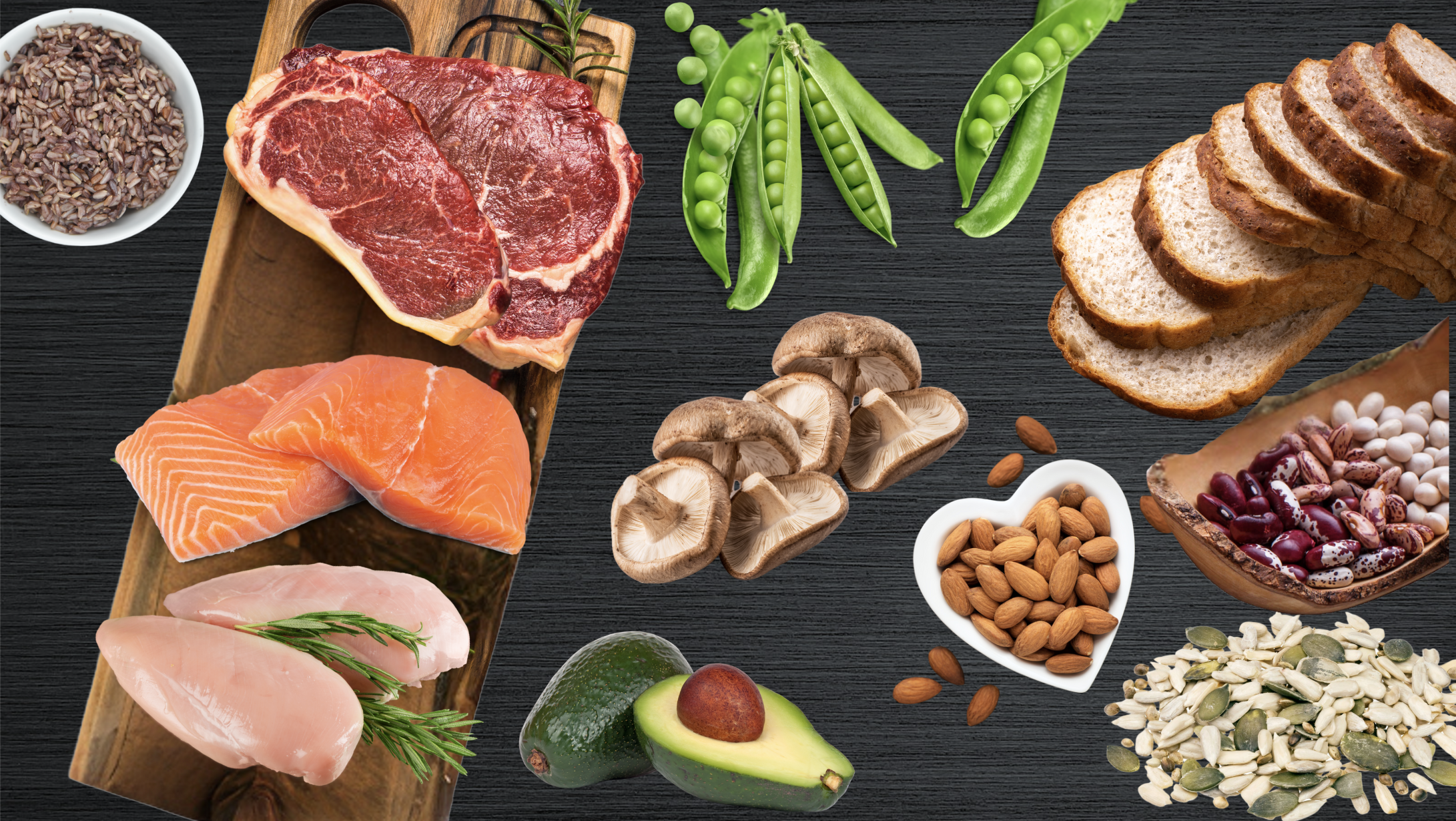
NAD+ can be synthesized in the body from dietary precursors, primarily from vitamin B3 (niacin), which is found in various foods. Natural sources of niacin include:
Meat: Chicken, turkey, and beef are rich sources of niacin.
Fish: Tuna and salmon provide significant amounts of vitamin B3.
Whole Grains: Brown rice, barley, and whole wheat products contain niacin.
Legumes: Peas, beans, and lentils are good sources of niacin.
Nuts and Seeds: Peanuts and sunflower seeds are also rich in vitamin B3 (Blanco‐Vaca et al., 2022; Martens et al., 2018).
Differences in NAD Supplements
NAD supplements come in various forms, each with distinct properties and mechanisms of action. The most common forms include NAD+, nicotinamide riboside (NR), and nicotinamide mononucleotide (NMN).
NAD+: This is the active form of the coenzyme and is essential for various cellular processes. However, NAD+ itself is not typically available as an oral supplement due to its instability and poor absorption in the gastrointestinal tract. Instead, it is often administered intravenously or through precursors like NR and NMN (GUEHI et al., 2023; Naseeb et al., 2021).
Nicotinamide Riboside (NR): NR is a precursor to NAD+ that has gained attention for its ability to elevate NAD+ levels in the body. Studies have shown that NR supplementation can enhance mitochondrial function, improve metabolic health, and provide neuroprotective effects (Mahalle et al., 2014; Muc-Wierzgoń et al., 2011). NR is generally well-tolerated and can be taken orally, making it a popular choice among consumers looking to boost their NAD+ levels (Gröber et al., 2015; Cazzola et al., 2020).
Nicotinamide Mononucleotide (NMN): NMN is another NAD+ precursor that is directly involved in the NAD+ biosynthesis pathway. Research indicates that NMN supplementation can effectively raise NAD+ levels and has been shown to reverse age-related dysfunction in various tissues (Poljšak et al., 2020; Radenković & Verdin, 2020). Like NR, NMN can be taken orally and has demonstrated potential benefits for metabolic health and cognitive function (Imai & Guarente, 2014; Braidy et al., 2020).
Which One Should Consumers Take and Why?
When deciding between NAD+, NR, and NMN, consumers should consider the following:
Bioavailability: Both NR and NMN are effective at raising NAD+ levels, but NR has been studied more extensively in humans and has demonstrated good bioavailability and safety profiles (Kane & Sinclair, 2018; Novak, 2023). NMN is also effective but may have slightly different absorption characteristics (Hawkins, 2024).
Research Support: NR has a robust body of research supporting its efficacy in enhancing NAD+ levels and improving metabolic health. NMN is also supported by promising studies, particularly in animal models, but more human trials are needed to establish its benefits conclusively (Lautrup et al., 2019; Katsyuba & Auwerx, 2017).
Personal Goals: Consumers should consider their specific health goals. For those focused on metabolic health, cognitive function, or anti-aging effects, both NR and NMN may be suitable options. However, NR may be the more established choice for those seeking immediate benefits based on existing research (Imai & Guarente, 2016; Braidy & Liu, 2020).
What Consumers Should Know
When considering NAD supplementation, consumers should keep the following points in mind:
Research and Evidence: Look for products backed by scientific research and clinical studies demonstrating their efficacy and safety (Felice et al., 2018; Alawi et al., 2018).
Source and Purity: Choose high-quality supplements from reputable manufacturers that provide third-party testing for purity and potency (Hoffer et al., 2022; Alawi et al., 2018).
Consult Healthcare Professionals: Before starting any new supplement regimen, especially IV NAD therapy, consult with a healthcare provider to discuss potential benefits and risks based on individual health conditions (Felice et al., 2018; Dumanli, 2022).
Understand the Form: NAD supplements come in various forms, including NAD+, nicotinamide riboside (NR), and nicotinamide mononucleotide (NMN). Each form may have different absorption rates and effects on the body (Huang et al., 2022; Ostrowski et al., 2014).
Precautions
While NAD supplementation may offer benefits, there are precautions to consider:
Quality and Purity: Not all NAD supplements are created equal. Consumers should be cautious about the purity and source of NAD products, as some may contain impurities or lower-quality ingredients (Hoffer et al., 2022; Alawi et al., 2018).
Medical Conditions: Individuals with certain medical conditions or those taking specific medications should consult a healthcare professional before starting NAD supplementation, as it may interact with other treatments (Felice et al., 2018; Dumanli, 2022).
Side Effects: Some users report mild side effects, such as nausea, headaches, or flushing, particularly with IV NAD therapy (Lin et al., 2016).
Conclusion
NAD is a vital coenzyme with significant implications for energy metabolism, cellular repair, and overall health. The trend of IV NAD therapy highlights the growing interest in NAD supplementation, particularly for its potential benefits in anti-aging and addiction recovery. However, consumers should approach NAD supplementation with caution, ensuring they choose high-quality products and consult healthcare professionals to maximize benefits while minimizing risks. Additionally, understanding the role of redox reactions in NAD function and the importance of maintaining redox homeostasis can further inform consumers about the significance of NAD in biological processes. As research continues to evolve, the understanding of NAD’s role in health and disease will likely expand, paving the way for new therapeutic strategies.
References
- Poljšak et al. “Healthy Lifestyle Recommendations: Do the Beneficial Effects Originate from NAD+ Amount at the Cellular Level?” *Oxidative Medicine and Cellular Longevity* (2020). doi:10.1155/2020/8819627.
- Radenković and Verdin “Clinical Evidence for Targeting NAD Therapeutically” *Pharmaceuticals* (2020). doi:10.3390/ph13090247.
- Braidy et al. “Sobriety and Satiety: Is NAD+ the Answer?” *Antioxidants* (2020). doi:10.3390/antiox9050425.
- Novak “Epithelial NAD+ depletion drives mitochondrial dysfunction and contributes to intestinal inflammation” *Frontiers in Immunology* (2023). doi:10.3389/fimmu.2023.1231700.
- Kane and Sinclair “Sirtuins and NAD+ in the Development and Treatment of Metabolic and Cardiovascular Diseases” *Circulation Research* (2018). doi:10.1161/circresaha.118.312498.
- Hawkins “Randomized, placebo-controlled, pilot clinical study evaluating acute Niagen®+ IV and NAD+ IV in healthy adults” (2024). doi:10.1101/2024.06.06.24308565.
- Yang et al. “NAD+ biosynthesis metabolism predicts prognosis and indicates immune microenvironment for breast cancer” *Pathology & Oncology Research* (2023). doi:10.3389/pore.2023.1610956.
- Katsyuba and Auwerx “Modulating NAD+ metabolism, from bench to bedside” *The EMBO Journal* (2017). doi:10.15252/embj.201797135.
- Imai and Guarente “NAD+ and sirtuins in aging and disease” *Trends in Cell Biology* (2014). doi:10.1016/j.tcb.2014.04.002.
- Rajman et al. “Therapeutic Potential of NAD-Boosting Molecules: The In Vivo Evidence” *Cell Metabolism* (2018). doi:10.1016/j.cmet.2018.02.011.
- Martens et al. “Chronic nicotinamide riboside supplementation is well-tolerated and elevates NAD+ in healthy middle-aged and older adults” *Nature Communications* (2018). doi:10.1038/s41467-018-03421-7.
- Orlandi et al. “Nicotinamide, Nicotinamide Riboside and Nicotinic Acid—Emerging Roles in Replicative and Chronological Aging in Yeast” *Biomolecules* (2020). doi:10.3390/biom10040604.
- Lautrup et al. “NAD+ in Brain Aging and Neurodegenerative Disorders” *Cell Metabolism* (2019). doi:10.1016/j.cmet.2019.09.001.
- Imai and Guarente “It takes two to tango: NAD+ and sirtuins in aging/longevity control” *NPJ Aging and Mechanisms of Disease* (2016). doi:10.1038/npjamd.2016.17.
- Braidy and Liu “NAD+ therapy in age-related degenerative disorders: A benefit/risk analysis” *Experimental Gerontology* (2020). doi:10.1016/j.exger.2020.110831.
- Blanco‐Vaca et al. “NAD+-Increasing Strategies to Improve Cardiometabolic Health?” *Frontiers in Endocrinology* (2022). doi:10.3389/fendo.2021.815565.
- Zhao et al. “Spectroelectrochemical Network Measurements for Redox Bioelectronics” *Chemistry of Materials* (2023). doi:10.1021/acs.chemmater.2c02707.
- Wu et al. “Hydrogel Patterning with Catechol Enables Networked Electron Flow” *Advanced Functional Materials* (2021). doi:10.1002/adfm.202007709.
- Cazzola et al. “Going to the roots of reduced magnesium dietary intake: A tradeoff between climate changes and sources” *Heliyon* (2020). doi:10.1016/j.heliyon.2020.e05390.
- Gröber et al. “Magnesium in Prevention and Therapy” *Nutrients* (2015). doi:10.3390/nu7095388.
More Articles You May Like
Metals: A Neglected Source of CVD Risk
Evidence on the role of environmental metals in cardiovascular disease has rapidly increased over the past two decades. In a linked article, Chowdhury and colleagues (doi:10.1136/bmj.k3435) present a comprehensive systematic review and meta-analysis of the associations between the exposure to arsenic, lead, cadmium, mercury, and copper and the risk of cardiovascular disease.1 The first four metals were selected because of widespread population exposure and inclusion in the World Health Organization’s priority list of chemicals of major public health concern. Copper was selected because of…

Magnesium
Magnesium is an essential mineral that plays a vital role in numerous physiological functions, including energy production, muscle contraction, and nerve transmission. Given its importance, various forms of magnesium supplements are available, each with unique properties, benefits, and absorption characteristics. This article discusses the different types of magnesium, their benefits, natural sources, daily requirements, and a comparative analysis to help individuals choose the most suitable form for their needs. Additionally, we will explore how magnesium is synthesized in laboratories,…
Heavy Metals and Cardiovascular Disease
We assessed the role of lead and cadmium as partial mediators between smoking and composite cardiovascular and cerebrovascular disease (CCVD). We also studied the association between urinary heavy metals and CCVD. Pooled data from NHANES 1999-2006 were examined. Cardiovascular and cerebrovascular disease was determined using a standardized questionnaire asking about history of stroke, angina, heart attack, coronary artery disease, and congestive heart failure. Increasing serum cadmium levels were associated with increasing prevalence of CCVD (P-trend: .03). Adjusted odds-ratio (OR) for…
Nicotinamide Adenine Dinucleotide (NAD)
Nicotinamide adenine dinucleotide (NAD) is a crucial coenzyme found in all living cells, playing a vital role in various biological processes, including energy metabolism, DNA repair, and cell signaling. This article will explore the history and description of NAD, the emerging trend of intravenous (IV) NAD therapy, its benefits and precautions, natural sources, the significance of redox reactions in its function, the differences between various NAD supplements, and important considerations for consumers seeking NAD supplementation. History of NAD The discovery of NAD dates back to the…
Alpha-2 Macroglobulin
Alpha-2 Macroglobulin (A2M) is a large protein found in the blood that plays a significant role in the body’s immune response and tissue repair processes. It is classified as a protease inhibitor, meaning it can bind to and inhibit the activity of various enzymes that break down proteins, known as proteases. This function is crucial because excessive protease activity can lead to tissue damage and inflammation, which are common in various medical conditions, including orthopedic injuries and diseases (Huang et al., 2022; Vandooren & Itoh, 2021). A2M is produced primarily in the…

Stem Cells in Orthopedics
Stem cell therapy has emerged as a transformative approach in orthopedic medicine, particularly for conditions involving cartilage damage, bone defects, and other musculoskeletal disorders. This article reviews the current applications of stem cell therapy in orthopedics, focusing on mesenchymal stem cells (MSCs), their sources, therapeutic potential, challenges, and future directions. Introduction Orthopedic conditions, including osteoarthritis, cartilage injuries, and nonunion fractures, pose significant challenges in clinical practice. Traditional treatment modalities often provide…
Electromagnetic Pollution
Electromagnetic pollution, a byproduct of the rapid advancement of technology and urbanization, has emerged as a significant environmental concern. This pollution is primarily caused by artificial sources of electromagnetic fields (EMFs), which include mobile phones, broadcasting stations, and various electrical appliances. The ubiquity of these technologies has led to an increase in exposure to EM radiation, raising alarms regarding potential health risks associated with long-term exposure (Guan et al., 2013; Yetiş & KAYILI, 2021). Research indicates that electromagnetic pollution…

Health Effects of EMF and 5G
The effects of electromagnetic fields (EMF) and the emerging 5G technology on human health have become a focal point of scientific inquiry and public concern. As the deployment of 5G networks accelerates globally, understanding the implications of EMF exposure is crucial. This article aims to provide a comprehensive overview of the types of EMF exposure, the amount of exposure associated with 5G, the potential health effects, symptoms of high exposure, and strategies for mitigation. Types of EMF Exposure EMF exposure can be categorized into two primary types: extremely low frequency (ELF)…

Environmental Toxins and Stroke Risk
Recent evidence indicates that exposure to environmental toxins, both short-term and long-term, can increase the risk of developing neurological disorders, including neurodegenerative diseases (i.e., Alzheimer’s disease and other dementias) and acute brain injury (i.e., stroke). For stroke, the latest systematic analysis revealed that exposure to ambient particulate matter is the second most frequent stroke risk after high blood pressure. However, preclinical and clinical stroke investigations on the deleterious consequences of environmental pollutants are scarce. This review examines…
HUC-MSCs Promising Therapeutic Options
Abstract: Human umbilical cord mesenchymal stem cells (HUC-MSCs) have emerged as a promising therapeutic option for various medical conditions, including autoimmune diseases, autism spectrum disorders (ASD), longevity-related health issues, and orthopedic applications. This article reviews the current understanding of HUC-MSCs, their mechanisms of action, and their potential applications in these areas. The unique properties of HUC-MSCs, such as their immunomodulatory effects, ability to differentiate into various cell types, and paracrine signaling capabilities, position them as a…
Environmental Toxic Metals and CVD Risk
Objective: To conduct a systematic review and meta-analysis of epidemiological studies investigating the association of arsenic, lead, cadmium, mercury, and copper with cardiovascular disease. Design: Systematic review and meta-analysis. Data sources PubMed, Embase, and Web of Science searched up to December 2017. Review methods: Studies reporting risk estimates for total cardiovascular disease, coronary heart disease, and stroke for levels of arsenic, lead, cadmium, mercury, or copper were included. Two investigators independently extracted information on study characteristics and…

Vitamin D and D3
Sources, Functions, and Health Implications Vitamin D is a fat-soluble vitamin that plays a crucial role in various physiological processes, including calcium and phosphorus metabolism, bone health, and immune function. It exists in two primary forms: vitamin D2 (ergocalciferol) and vitamin D3 (cholecalciferol). Vitamin D2 is primarily derived from plant sources, particularly fungi and yeast, while vitamin D3 is predominantly obtained from animal sources and synthesized in the skin upon exposure to ultraviolet B (UVB) light (Park et al., 2019; Benedik, 2022). Understanding the best…
Medical Disclaimer
The information provided in this document is intended for educational and informational purposes only and should not be construed as medical advice, diagnosis, or treatment. It is essential to consult a qualified healthcare professional for any medical concerns or conditions. The content herein does not substitute for professional medical advice, and individuals should not disregard or delay seeking medical advice based on the information provided.
The authors and publishers of this document do not assume any responsibility for any adverse effects or consequences resulting from the use or application of the information contained herein. The reader is encouraged to conduct their own research and consult with healthcare providers to make informed decisions regarding their health and treatment options. Furthermore, the information presented may not reflect the most current research or medical guidelines, as medical knowledge is continually evolving. Therefore, it is imperative to verify the information with up-to-date, peer-reviewed sources and consult with medical professionals for personalized advice.
Medical Disclaimer
The information provided in this document is intended for educational and informational purposes only and should not be construed as medical advice, diagnosis, or treatment. It is essential to consult a qualified healthcare professional for any medical concerns or conditions. The content herein does not substitute for professional medical advice, and individuals should not disregard or delay seeking medical advice based on the information provided.
The authors and publishers of this document do not assume any responsibility for any adverse effects or consequences resulting from the use or application of the information contained herein. The reader is encouraged to conduct their own research and consult with healthcare providers to make informed decisions regarding their health and treatment options. Furthermore, the information presented may not reflect the most current research or medical guidelines, as medical knowledge is continually evolving. Therefore, it is imperative to verify the information with up-to-date, peer-reviewed sources and consult with medical professionals for personalized advice.