
Autoimmune Disease: An Overview
Autoimmune diseases represent a diverse group of disorders characterized by the immune system’s failure to distinguish between self and non-self, resulting in the attack on the body’s own tissues. This dysregulation can lead to inflammation and damage to various organs, manifesting in a wide array of symptoms depending on the specific disease involved. Common autoimmune diseases include rheumatoid arthritis, systemic lupus erythematosus (SLE), multiple sclerosis, and type 1 diabetes, among others. The prevalence of autoimmune diseases is estimated to affect approximately 3-5% of the population in developed countries, with nearly 100 distinct conditions identified (Wang et al., 2015; Lee et al., 2022; Liu et al., 2021). Research has identified more than 80 distinct autoimmune conditions, with some estimates suggesting that the number may exceed 100 when considering all recognized variants and subtypes (Arakelyan et al., 2017; Betterle et al., 2014).
These diseases can be broadly categorized into organ-specific and systemic types. Organ-specific autoimmune diseases, such as primary biliary cirrhosis and autoimmune hepatitis, primarily affect a single organ, while systemic autoimmune diseases, like SLE and rheumatoid arthritis, involve multiple organ systems and exhibit a more complex pathogenesis (Wang et al., 2015; Arakelyan et al., 2017). For instance, autoimmune hepatitis type 1 and type 2 are frequently associated with other autoimmune disorders, indicating the interconnected nature of these diseases (Hovinga et al., 2010). The complexity of autoimmune diseases is further illustrated by overlapping syndromes, such as autoimmune polyglandular syndromes, which involve multiple autoimmune conditions co-occurring in the same individual (Penger et al., 2018; Palavras & Albuquerque, 2022). Moreover, conditions like Sjögren’s syndrome and mixed connective tissue disease often present alongside other autoimmune diseases, further complicating the classification (Liu et al., 2020; Bernacchi et al., 2013).
Demographics affected by autoimmune diseases reveal that these conditions can impact individuals of all ages and backgrounds, but certain groups may be at higher risk. Women are disproportionately affected, with many autoimmune diseases exhibiting a higher prevalence in females compared to males (Kim, 2023; Liu et al., 2021). Additionally, family history can increase the likelihood of developing an autoimmune condition, suggesting a genetic component to susceptibility (Cárdenas-Roldán et al., 2013). Furthermore, the pathogenesis of autoimmune diseases is influenced by a combination of genetic, environmental, and immunological factors, highlighting the multifactorial nature of these disorders and the need for ongoing research to better understand their mechanisms and improve treatment strategies.
Over 100+ Recognized Autoimmune Diseases
Autoimmune diseases encompass a wide range of disorders where the immune system mistakenly attacks the body’s own cells. The following is a list of over 100 recognized autoimmune diseases.
1. Addison’s Disease: A disorder characterized by insufficient production of adrenal hormones, leading to fatigue, weight loss, and low blood pressure.
2. Alopecia Areata: An autoimmune condition that causes hair loss in patches due to the immune system attacking hair follicles.
3. Ankylosing Spondylitis: A type of inflammatory arthritis that primarily affects the spine, leading to pain and stiffness.
4. Antiphospholipid Syndrome: An autoimmune disorder characterized by the presence of antiphospholipid antibodies, leading to increased risk of blood clots.
5. Autoimmune Encephalitis: A group of conditions where the immune system attacks the brain, leading to neurological symptoms such as confusion and seizures.
6. Autoimmune Hepatitis: A chronic liver disease where the immune system attacks liver cells, causing inflammation and potential liver damage.
7. Autoimmune Polyendocrine Syndrome Type 1 (APS Type 1): A rare genetic disorder involving multiple endocrine glands, including adrenal insufficiency and hypoparathyroidism.
8. Autoimmune Polyendocrine Syndrome Type 2 (APS Type 2): A syndrome characterized by the coexistence of autoimmune adrenal insufficiency, autoimmune thyroid disease, and type 1 diabetes.
9. Behçet’s Disease: A rare autoimmune disorder causing inflammation of blood vessels, leading to symptoms such as mouth ulcers and skin lesions.
10. Bullous Pemphigoid: An autoimmune blistering disorder that primarily affects the skin, leading to large, fluid-filled blisters.
11. Churg-Strauss Syndrome: An autoimmune condition characterized by inflammation of blood vessels, leading to asthma, sinusitis, and systemic symptoms.
12. Celiac Disease: An autoimmune disorder triggered by gluten, leading to damage in the small intestine and malabsorption of nutrients.
13. Chronic Fatigue Syndrome: A complex disorder characterized by extreme fatigue that cannot be explained by any underlying medical condition, often associated with autoimmune diseases.
14. Chronic Inflammatory Demyelinating Polyneuropathy (CIDP): A neurological disorder characterized by progressive weakness and impaired sensory function due to immune-mediated damage to peripheral nerves.
15. Crohn’s Disease: A type of inflammatory bowel disease that causes chronic inflammation of the gastrointestinal tract, leading to abdominal pain and diarrhea.
16. Dermatitis Herpetiformis: A chronic skin condition characterized by itchy, blistering skin lesions associated with celiac disease.
17. Dermatomyositis: An inflammatory disease characterized by muscle weakness and a distinctive skin rash.
18. Diabetes Mellitus Type 1: An autoimmune condition where the immune system attacks insulin-producing beta cells in the pancreas, leading to high blood sugar levels.
19. Ehlers-Danlos Syndrome: A group of connective tissue disorders characterized by hypermobility, skin elasticity, and fragility, often associated with autoimmune conditions.
20. Eosinophilic Granulomatosis with Polyangiitis (EGPA): An autoimmune condition characterized by asthma, eosinophilia, and vasculitis affecting multiple organs.
21. Erythema Multiforme: An autoimmune condition characterized by target-like lesions on the skin, often triggered by infections or medications.
22. Fibromyalgia: A chronic condition characterized by widespread musculoskeletal pain, fatigue, and tenderness, often associated with autoimmune diseases.
23. Giant Cell Arteritis: An autoimmune condition characterized by inflammation of the large blood vessels, leading to headaches and vision problems.
24. Granulomatosis with Polyangiitis (Wegener’s Granulomatosis): An autoimmune condition characterized by inflammation of blood vessels, leading to respiratory and kidney symptoms.
25. Hashimoto’s Encephalopathy: A rare neurological condition associated with Hashimoto’s thyroiditis, characterized by cognitive dysfunction and seizures.
26. Hashimoto’s Thyroiditis: An autoimmune disorder where the immune system attacks the thyroid gland, leading to hypothyroidism.
27. Hidradenitis Suppurativa: A chronic skin condition characterized by painful lumps under the skin, often associated with other autoimmune diseases.
28. Hypophysitis: An autoimmune inflammation of the pituitary gland, leading to hormonal imbalances and various systemic symptoms.
29. IgA Vasculitis (Henoch-Schönlein Purpura): An autoimmune condition characterized by small blood vessel inflammation, leading to skin rashes and abdominal pain.
30. Immune Thrombocytopenic Purpura (ITP): An autoimmune disorder characterized by low platelet counts, leading to easy bruising and bleeding.
31. Kawasaki Disease: An autoimmune condition primarily affecting children, characterized by inflammation of blood vessels and symptoms such as fever and rash.
32. Lichen Planus: An autoimmune condition affecting the skin and mucous membranes, leading to itchy, flat-topped lesions.
33. Lupus Erythematosus (Systemic Lupus Erythematosus): A systemic autoimmune disease that can affect multiple organ systems, leading to a wide range of symptoms.
34. Mast Cell Activation Syndrome: An autoimmune condition characterized by inappropriate activation of mast cells, leading to allergic symptoms and anaphylaxis.
35. Meniere’s Disease: An autoimmune condition characterized by episodes of vertigo, tinnitus, and hearing loss.
36. Mixed Connective Tissue Disease: An autoimmune condition characterized by features of multiple connective tissue diseases, including lupus, scleroderma, and polymyositis.
37. Morphea (Localized Scleroderma): An autoimmune condition characterized by localized patches of hardened skin.
38. Multiple Sclerosis (MS): A chronic disease affecting the central nervous system, characterized by demyelination and neurological symptoms.
39. Myasthenia Gravis: An autoimmune neuromuscular disorder characterized by weakness and rapid fatigue of voluntary muscles.
40. Nephrotic Syndrome: An autoimmune condition characterized by kidney damage leading to proteinuria, edema, and increased cholesterol levels.
41. Neuromyelitis Optica: An autoimmune condition characterized by inflammation of the optic nerve and spinal cord, leading to vision loss and paralysis.
42. Pemphigus Vulgaris: A severe autoimmune blistering disorder affecting the skin and mucous membranes.
43. Pernicious Anemia: An autoimmune condition that affects the stomach’s ability to absorb vitamin B12, leading to anemia and neurological issues.
44. Polymyalgia Rheumatica: An inflammatory disorder characterized by muscle pain and stiffness, often associated with giant cell arteritis.
45. Polymyositis: An autoimmune condition characterized by muscle inflammation and weakness.
46. Primary Biliary Cholangitis: A chronic disease that slowly destroys the bile ducts in the liver, leading to liver damage.
47. Primary Central Nervous System Lymphoma: An aggressive form of lymphoma that can occur in immunocompromised individuals, often associated with autoimmune conditions.
48. Primary Sclerosing Cholangitis: A progressive disease characterized by inflammation and scarring of the bile ducts, often associated with inflammatory bowel disease.
49. Psoriasis: A chronic skin condition characterized by the rapid growth of skin cells, leading to thick, red, scaly patches.
50. Psoriatic Arthritis: An inflammatory arthritis associated with psoriasis, leading to joint pain and swelling.
51. Raynaud’s Phenomenon: An autoimmune condition characterized by episodes of reduced blood flow to the fingers and toes, often triggered by cold or stress.
52. Relapsing Polychondritis: An autoimmune condition characterized by recurrent inflammation of cartilage, affecting the ears, nose, and joints.
53. Rheumatoid Arthritis (RA): A chronic inflammatory disorder that primarily affects the joints, causing pain, swelling, and joint destruction.
54. Sarcoidosis: An inflammatory disease characterized by the formation of granulomas in various organs, often affecting the lungs.
55. Scleritis: An autoimmune inflammation of the sclera (the white outer coating of the eyeball), leading to pain and vision problems.
56. Sjögren’s Syndrome: An autoimmune disorder characterized by dry eyes and dry mouth due to the immune system attacking moisture-producing glands.
57. Stiff Person Syndrome: A rare autoimmune disorder characterized by stiffness and spasms in the muscles.
58. Subacute Cutaneous Lupus Erythematosus: A form of lupus characterized by skin lesions that appear in response to sunlight.
59. Takayasu Arteritis: An autoimmune condition characterized by inflammation of large blood vessels, leading to symptoms such as fatigue and limb pain.
60. Thyroid Eye Disease: An autoimmune condition associated with Graves’ disease, leading to inflammation and swelling of the eye muscles.
61. Thyroiditis: Inflammation of the thyroid gland, which can be autoimmune in nature, leading to hypothyroidism or hyperthyroidism.
62. Transverse Myelitis: An autoimmune condition characterized by inflammation of the spinal cord, leading to neurological symptoms.
63. Uveitis: An autoimmune inflammation of the uvea (the middle layer of the eye), leading to pain and vision problems.
64. Vasculitis: A group of autoimmune diseases characterized by inflammation of blood vessels, which can affect various organs.
65. Vitiligo: An autoimmune condition characterized by the loss of pigment-producing cells, leading to white patches on the skin.
66. Wegener’s Granulomatosis: An autoimmune condition characterized by inflammation of blood vessels, leading to respiratory and kidney symptoms.
67. Whipple’s Disease: A rare autoimmune condition characterized by malabsorption due to infection with Tropheryma whipplei.
68. Xerophthalmia: An autoimmune condition characterized by dry eyes due to a lack of tears.
69. Zollinger-Ellison Syndrome: An autoimmune condition characterized by gastrin-secreting tumors, leading to excessive gastric acid production.
70. Aplastic Anemia: An autoimmune condition where the bone marrow fails to produce sufficient blood cells, leading to fatigue and increased risk of infections.
71. Antisynthetase Syndrome: An autoimmune condition characterized by the presence of autoantibodies against aminoacyl-tRNA synthetases, leading to interstitial lung disease and myositis.
72. Bickerstaff’s Brainstem Encephalitis: An autoimmune condition characterized by encephalitis affecting the brainstem, leading to ataxia and ophthalmoplegia.
73. Chronic Urticaria: An autoimmune condition characterized by recurrent hives and itching due to immune system dysregulation.
74. Cogan’s Syndrome: A rare autoimmune disorder characterized by interstitial keratitis and vestibuloauditory dysfunction.
75. Cryoglobulinemic Vasculitis: An autoimmune condition characterized by the presence of cryoglobulins in the blood, leading to inflammation of blood vessels.
76. Cyclic Vomiting Syndrome: An autoimmune condition characterized by recurrent episodes of severe vomiting without an apparent cause.
77. Dengue Fever Autoimmunity: An autoimmune response triggered by dengue virus infection, leading to various autoimmune manifestations.
78. Graft-versus-Host Disease: An autoimmune condition that occurs after a stem cell or bone marrow transplant, where the donor’s immune cells attack the recipient’s tissues.
79. Hypogammaglobulinemia: An autoimmune condition characterized by low levels of immunoglobulins, leading to increased susceptibility to infections.
80. IgG4-Related Disease: An autoimmune condition characterized by elevated IgG4 levels and inflammation of various organs, leading to fibrosis.
81. Lupus Nephritis: A serious complication of systemic lupus erythematosus that affects the kidneys, leading to inflammation and damage.
82. Mast Cell Activation Syndrome: An autoimmune condition characterized by inappropriate activation of mast cells, leading to allergic symptoms and anaphylaxis.
83. Morphea: A localized form of scleroderma characterized by patches of hardened skin.
84. Neurodermatitis: An autoimmune skin condition characterized by chronic itching and scratching, leading to thickened skin.
85. Ocular Cicatricial Pemphigoid: An autoimmune condition affecting the conjunctiva, leading to scarring and vision loss.
86. Paraneoplastic Syndromes: Autoimmune conditions that occur as a result of cancer, leading to various neurological and systemic symptoms.
87. Pityriasis Rubra Pilaris: An autoimmune skin condition characterized by red, scaly patches and thickened skin.
88. Polyglandular Autoimmune Syndrome: A group of disorders characterized by the coexistence of multiple autoimmune diseases affecting the endocrine system.
89. Post-Transplant Lymphoproliferative Disorder: An autoimmune condition that can occur after organ transplantation, characterized by uncontrolled proliferation of lymphocytes.
90. Raynaud’s Phenomenon: An autoimmune condition characterized by episodes of reduced blood flow to the fingers and toes, often triggered by cold or stress.
91. Relapsing Polychondritis: An autoimmune condition characterized by recurrent inflammation of cartilage, affecting the ears, nose, and joints.
92. Scleroderma: A chronic autoimmune disease characterized by hardening and tightening of the skin and connective tissues.
93. Sjögren’s Syndrome: An autoimmune disorder characterized by dry eyes and dry mouth due to the immune system attacking moisture-producing glands.
94. Stiff Person Syndrome: A rare autoimmune disorder characterized by stiffness and spasms in the muscles.
95. Subacute Cutaneous Lupus Erythematosus: A form of lupus characterized by skin lesions that appear in response to sunlight.
96. Takayasu Arteritis: An autoimmune condition characterized by inflammation of large blood vessels, leading to symptoms such as fatigue and limb pain.
97. Thyroid Eye Disease: An autoimmune condition associated with Graves’ disease, leading to inflammation and swelling of the eye muscles.
98. Thyroiditis: Inflammation of the thyroid gland, which can be autoimmune in nature, leading to hypothyroidism or hyperthyroidism.
99. Transverse Myelitis: An autoimmune condition characterized by inflammation of the spinal cord, leading to neurological symptoms.
100. Uveitis: An autoimmune inflammation of the uvea (the middle layer of the eye), leading to pain and vision problems.
101. Vasculitis: A group of autoimmune diseases characterized by inflammation of blood vessels, which can affect various organs.
102. Vitiligo: An autoimmune condition characterized by the loss of pigment-producing cells, leading to white patches on the skin.
103. Wegener’s Granulomatosis: An autoimmune condition characterized by inflammation of blood vessels, leading to respiratory and kidney symptoms.
104. Whipple’s Disease: A rare autoimmune condition characterized by malabsorption due to infection with Tropheryma whipplei.
105. Xerophthalmia: An autoimmune condition characterized by dry eyes due to a lack of tears.
106. Zollinger-Ellison Syndrome: An autoimmune condition characterized by gastrin-secreting tumors, leading to excessive gastric acid production.
Diagnosis
Diagnosis of autoimmune diseases typically involves a combination of clinical evaluation, laboratory tests, and imaging studies. Clinicians assess symptoms, family history, and the presence of specific autoantibodies, which are proteins produced by the immune system that mistakenly target the body’s own tissues. For instance, the presence of anti-nuclear antibodies (ANAs) is often indicative of systemic lupus erythematosus (Abdullah & Al-Hamadany, 2014; Al-Ruweidi et al., 2022). However, diagnosing autoimmune diseases can be challenging due to overlapping symptoms and the potential for multiple conditions to coexist within a single patient (Mujalli, 2023).
Causes
The etiology of autoimmune diseases is multifactorial, involving genetic, environmental, and immunological factors. Genetic predisposition plays a significant role, with certain alleles, such as those in the HLA region, being associated with increased susceptibility to specific autoimmune conditions (Cárdenas-Roldán et al., 2013). Environmental triggers, including infections, heavy metals, and other toxins, can also initiate or exacerbate autoimmune responses. For example, Epstein-Barr virus (EBV) has been implicated in the pathogenesis of several autoimmune diseases through mechanisms such as molecular mimicry, where viral antigens resemble self-antigens, leading to cross-reactivity (Abdullah & Al-Hamadany, 2014). Additionally, exposure to heavy metals has been linked to the development of autoimmune conditions, potentially through mechanisms involving oxidative stress and immune dysregulation (Kim, 2023).
Impact of Stress and Trauma
Stress and trauma are significant factors that can exacerbate autoimmune diseases. Research indicates that adverse childhood experiences, such as emotional abuse and neglect, may increase the risk of developing autoimmune disorders in adulthood (Macarenco et al., 2022). Psychological trauma can lead to dysregulation of the hypothalamus-pituitary-adrenal (HPA) axis, which is crucial for managing stress responses. This dysregulation can impair immune competence and contribute to the onset of autoimmune diseases (Simonić et al., 2010).
Moreover, studies have shown that individuals with autoimmune diseases often experience higher levels of anxiety and depression, which can further complicate their condition (SLOCUM, 2023). For instance, emotional neglect has been found to correlate significantly with Hashimoto’s disease, suggesting that early life stressors may have long-lasting effects on immune function (SLOCUM, 2023). The cumulative impact of stress and trauma can lead to a vicious cycle, where the autoimmune condition itself may contribute to further psychological distress, thereby exacerbating the disease (Macarenco et al., 2022; Simonić et al., 2010).

Coexistence of Autoimmune Diseases
The coexistence of multiple autoimmune diseases within an individual is not uncommon. Studies have shown that approximately 25% of patients with one autoimmune disease may develop another, a phenomenon often referred to as multiple autoimmune syndrome (MAS) (Bong et al., 2022; Kwong et al., 2022). This clustering of autoimmune diseases is thought to be influenced by shared genetic and environmental factors, as well as common pathogenic mechanisms (Wu et al., 2012).
Treatment and Management
Currently, there is no definitive cure for autoimmune diseases; however, various treatment strategies aim to manage symptoms and reduce immune system activity. These may include immunosuppressive medications, corticosteroids, and biologic therapies that target specific pathways involved in the autoimmune process (Liu et al., 2021). Lifestyle modifications, such as dietary changes and stress management can also play a crucial role in maintaining health and mitigating flare-ups (Kim, 2023).
In addition to conventional treatments, holistic and Eastern medicine approaches are gaining attention for their potential benefits in managing autoimmune diseases. Practices such as acupuncture, herbal medicine, and dietary therapies are being explored for their ability to modulate immune responses and improve overall well-being. For instance, certain herbal remedies have shown promise in reducing inflammation and enhancing immune function (Rakateja, 2023). Furthermore, mind-body techniques, including meditation and yoga, may help alleviate stress, which is known to exacerbate autoimmune conditions (Abdullah et al., 2020).
Role of Epigenetics and Environmental Factors
The role of epigenetics in autoimmune diseases is an emerging area of research, highlighting how environmental factors can influence gene expression without altering the underlying DNA sequence. Epigenetic modifications may contribute to the development and progression of autoimmune diseases by affecting immune cell function and inflammatory responses (Kim, 2023; Liu et al., 2021).
Conclusion
In summary, autoimmune diseases are complex disorders with multifactorial origins, characterized by the immune system’s attack on self-tissues. Diagnosis involves a thorough clinical evaluation and laboratory testing, while treatment focuses on symptom management and immune modulation. The interplay of genetic predisposition, environmental triggers, stress, trauma, and epigenetic factors underscores the complexity of these conditions and the need for continued research to better understand their mechanisms and improve patient outcomes. The integration of holistic and Eastern medicine approaches may offer additional avenues for managing these challenging diseases.
References
- Wang, Y., et al. (2015). “Human autoimmune diseases: a comprehensive update.” Journal of Internal Medicine. doi:10.1111/joim.12395.
- Lee, J., et al. (2022). “Genome Editing Using CRISPR-Cas9 and Autoimmune Diseases: A Comprehensive Review.” International Journal of Molecular Sciences. doi:10.3390/ijms23031337.
- Liu, Y., et al. (2021). “NK Cells in Autoimmune Diseases: Protective or Pathogenic?” Frontiers in Immunology. doi:10.3389/fimmu.2021.624687.
- Arakelyan, Arsen, et al. (2017) “Autoimmunity and autoinflammation: a systems view on signaling pathway dysregulation profiles”. Plos One, vol. 12, no. 11, p. e0187572. https://doi.org/10.1371/journal.pone.0187572
- Betterle, Corrado, et al. (2014) “A rare combination of type 3 autoimmune polyendocrine syndrome (aps-3) or multiple autoimmune syndrome (mas-3)”. Autoimmunity Highlights, vol. 5, no. 1, p. 27-31. https://doi.org/10.1007/s13317-013-0055-6
- Hovinga, Idske C., et al. (2010) “A girl with type 1 diabetes and a yellowish appearance”. Case Reports, vol. 2010, no. nov24 1, p. bcr0420102899-bcr0420102899. https://doi.org/10.1136/bcr.04.2010.2899
- Penger, Theresa, et al. (2018) “Adrenal crisis in a 14-year-old boy 12 years after hematopoietic stem cell transplantation”. Endocrinology, Diabetes &Amp; Metabolism Case Reports, vol. 2018. https://doi.org/10.1530/edm-18-0034
- Palavras, Maria J., et al. “La enfermedad de addison en el síndrome de schmidt”. Galicia Clínica, vol. 83, no. 3, 2022, p. 56. https://doi.org/10.22546/66/2656
- Liu, Xiang, et al. “Improving sensitivity of the connective tissue disease screening questionnaire: a comparative study of various scoring methods”. Lupus, vol. 30, no. 1, 2020, p. 35-44. https://doi.org/10.1177/0961203320966378
- Bernacchi, Elisabetta, et al. “Annular subacute cutaneous lupus erythematosus lesions and polymyositis onset in a patient with primary sjögren’s syndrome: how should this unusual association be classified?”. Lupus, vol. 22, no. 3, 2013, p. 312-315. https://doi.org/10.1177/0961203312474703
- Kim, H. (2023). “Complex regulatory effects of gut microbial short-chain fatty acids on immune tolerance and autoimmunity.” Cellular and Molecular Immunology. doi:10.1038/s41423-023-00987-1.
- Liu, Y., et al. (2021). “NK Cells in Autoimmune Diseases: Protective or Pathogenic?” Frontiers in Immunology. doi:10.3389/fimmu.2021.624687.
- Cárdenas-Roldán, J. et al. (2013). “How do autoimmune diseases cluster in families? A systematic review and meta-analysis.” BMC Medicine. doi:10.1186/1741-7015-11-73.
- Abdullah, A., & Al-Hamadany, Z. (2014). “Detection of the Predominant Strain of Epstein-Barr Virus in Systemic Autoimmune and Thalassemia Patients.” Rafidain Journal of Science. doi:10.33899/rjs.2014.88563.
- Al-Ruweidi, M., et al. (2022). “Autoimmune Diseases of the GI Tract Part II: Emergence of Diagnostic Tools and Treatments.” doi:10.5772/intechopen.106185.
- Mujalli, M. (2023). “Metabolite Alterations in Autoimmune Diseases: A Systematic Review of Metabolomics Studies.” Metabolites. doi:10.3390/metabo13090987.
- Macarenco, A., et al. (2022). “Adverse childhood experiences, risk factors in the onset of autoimmune diseases in adults: A meta-analysis.” Professional Psychology: Research and Practice. doi:10.1037/pro0000430.
- Simonić, A., et al. (2010). “Childhood and adulthood traumatic experiences in patients with psoriasis.” The Journal of Dermatology. doi:10.1111/j.1346-8138.2010.00870.x.
- Slocum, C. (2023). “Childhood Trauma, Depression, Anxiety, Stress and Quality of Life in Women with Hashimoto’s Disease: Descriptive Research.” Turkiye Klinikleri Journal of Health Sciences. doi:10.5336/healthsci.2023-97638.
- Bong, H. et al. (2022). “Newly diagnosed multiple sclerosis in a patient with ocular myasthenia gravis.” Medicine. doi:10.1097/md.0000000000028887.
- Kwong, J. et al. (2022). “Case Report: Multiple autoimmune syndrome (MAS)—An unusual combination.” Frontiers in Pediatrics. doi:10.3389/fped.2022.1054025.
- Rakateja, A. (2023). “A PATIENT WITH ADDISON’S AND GRAVES’ DISEASE AS MANIFESTATION OF AUTOIMMUNE POLYGLANDULAR SYNDROME TYPE 2.” Journal of Health and Translational Medicine. doi:10.22452/jummec.vol26no1.14.
More Articles You May Like
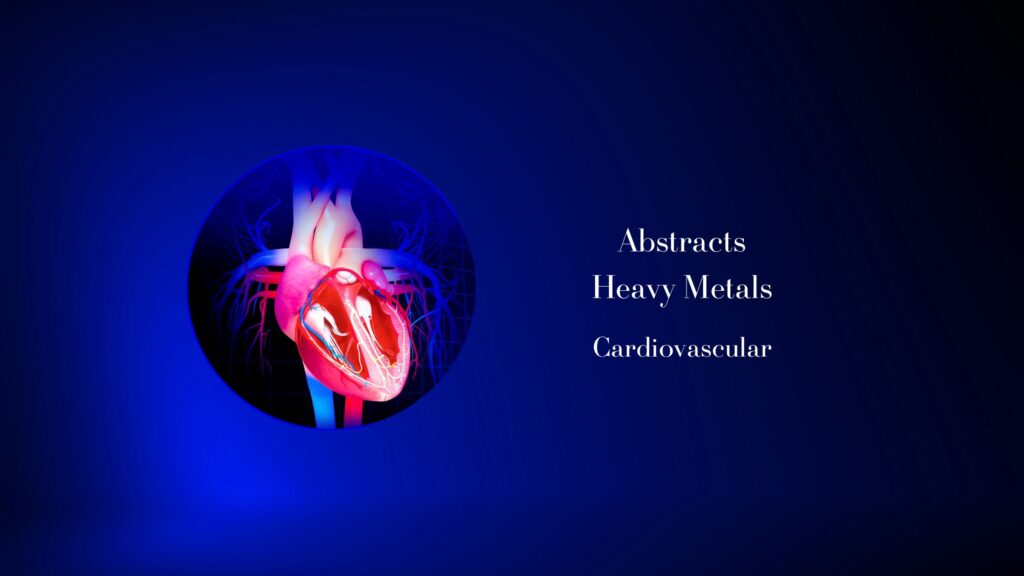
Metals: A Neglected Source of CVD Risk
Evidence on the role of environmental metals in cardiovascular disease has rapidly increased over the past two decades. In a linked article, Chowdhury and colleagues (doi:10.1136/bmj.k3435) present a comprehensive systematic review and meta-analysis of the associations between the exposure to arsenic, lead, cadmium, mercury, and copper and the risk of cardiovascular disease.1 The first four metals were selected because of widespread population exposure and inclusion in the World Health Organization’s priority list of chemicals of major public health concern. Copper was selected because of...
Heavy Metals and Cardiovascular Disease
We assessed the role of lead and cadmium as partial mediators between smoking and composite cardiovascular and cerebrovascular disease (CCVD). We also studied the association between urinary heavy metals and CCVD. Pooled data from NHANES 1999-2006 were examined. Cardiovascular and cerebrovascular disease was determined using a standardized questionnaire asking about history of stroke, angina, heart attack, coronary artery disease, and congestive heart failure. Increasing serum cadmium levels were associated with increasing prevalence of CCVD (P-trend: .03). Adjusted odds-ratio (OR) for...
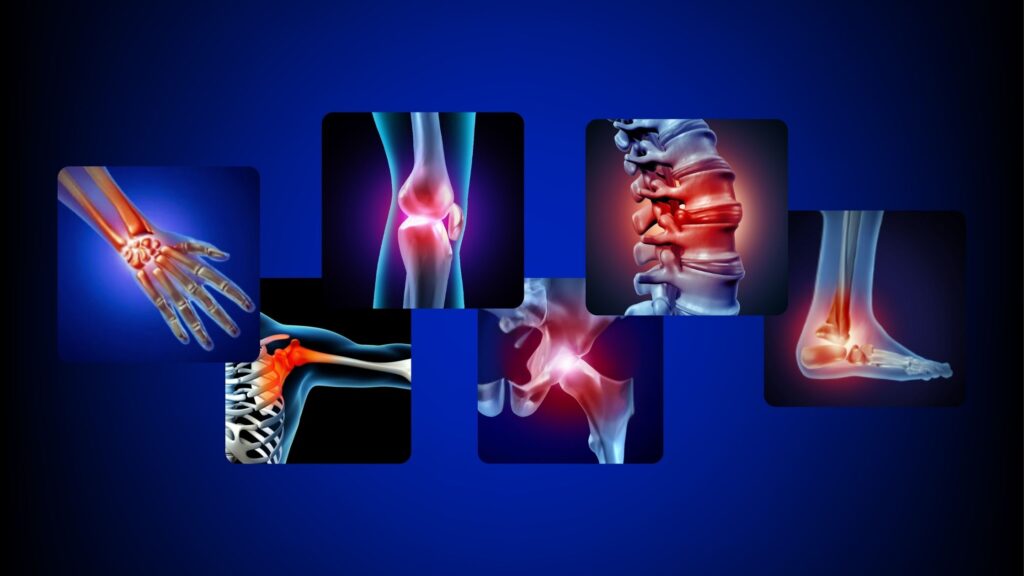
Alpha-2 Macroglobulin
Alpha-2 Macroglobulin (A2M) is a large protein found in the blood that plays a significant role in the body’s immune response and tissue repair processes. It is classified as a protease inhibitor, meaning it can bind to and inhibit the activity of various enzymes that break down proteins, known as proteases. This function is crucial because excessive protease activity can lead to tissue damage and inflammation, which are common in various medical conditions, including orthopedic injuries and diseases (Huang et al., 2022; Vandooren & Itoh, 2021). A2M is produced primarily in the...

Stem Cells in Orthopedics
Stem cell therapy has emerged as a transformative approach in orthopedic medicine, particularly for conditions involving cartilage damage, bone defects, and other musculoskeletal disorders. This article reviews the current applications of stem cell therapy in orthopedics, focusing on mesenchymal stem cells (MSCs), their sources, therapeutic potential, challenges, and future directions. Introduction Orthopedic conditions, including osteoarthritis, cartilage injuries, and nonunion fractures, pose significant challenges in clinical practice. Traditional treatment modalities often provide...
Electromagnetic Pollution
Electromagnetic pollution, a byproduct of the rapid advancement of technology and urbanization, has emerged as a significant environmental concern. This pollution is primarily caused by artificial sources of electromagnetic fields (EMFs), which include mobile phones, broadcasting stations, and various electrical appliances. The ubiquity of these technologies has led to an increase in exposure to EM radiation, raising alarms regarding potential health risks associated with long-term exposure (Guan et al., 2013; Yetiş & KAYILI, 2021). Research indicates that electromagnetic pollution...

Health Effects of EMF and 5G
The effects of electromagnetic fields (EMF) and the emerging 5G technology on human health have become a focal point of scientific inquiry and public concern. As the deployment of 5G networks accelerates globally, understanding the implications of EMF exposure is crucial. This article aims to provide a comprehensive overview of the types of EMF exposure, the amount of exposure associated with 5G, the potential health effects, symptoms of high exposure, and strategies for mitigation. Types of EMF Exposure EMF exposure can be categorized into two primary types: extremely low frequency (ELF)...

Environmental Toxins and Stroke Risk
Recent evidence indicates that exposure to environmental toxins, both short-term and long-term, can increase the risk of developing neurological disorders, including neurodegenerative diseases (i.e., Alzheimer’s disease and other dementias) and acute brain injury (i.e., stroke). For stroke, the latest systematic analysis revealed that exposure to ambient particulate matter is the second most frequent stroke risk after high blood pressure. However, preclinical and clinical stroke investigations on the deleterious consequences of environmental pollutants are scarce. This review examines...
HUC-MSCs Promising Therapeutic Options
Abstract: Human umbilical cord mesenchymal stem cells (HUC-MSCs) have emerged as a promising therapeutic option for various medical conditions, including autoimmune diseases, autism spectrum disorders (ASD), longevity-related health issues, and orthopedic applications. This article reviews the current understanding of HUC-MSCs, their mechanisms of action, and their potential applications in these areas. The unique properties of HUC-MSCs, such as their immunomodulatory effects, ability to differentiate into various cell types, and paracrine signaling capabilities, position them as a...

Environmental Toxic Metals and CVD Risk
Objective: To conduct a systematic review and meta-analysis of epidemiological studies investigating the association of arsenic, lead, cadmium, mercury, and copper with cardiovascular disease. Design: Systematic review and meta-analysis. Data sources PubMed, Embase, and Web of Science searched up to December 2017. Review methods: Studies reporting risk estimates for total cardiovascular disease, coronary heart disease, and stroke for levels of arsenic, lead, cadmium, mercury, or copper were included. Two investigators independently extracted information on study characteristics and...

Literature Review: Heavy Metals and Stem Cells
Heavy metals are a significant environmental concern due to their toxic effects on living organisms, including stem cells. Stem cells, which possess the unique ability to differentiate into various cell types, are particularly vulnerable to the detrimental impacts of heavy metals. This literature review synthesizes current research findings on the effects of heavy metals on stem cells, focusing on their mechanisms of toxicity, implications for human health, potential pathways for remediation, and detoxification strategies. Heavy metals such as lead, cadmium, arsenic, and chromium are...

EBV, Postpartum RA, Heavy Metals and Mold
The relationship between Epstein-Barr virus (EBV) infection and the development of autoimmune diseases, particularly rheumatoid arthritis (RA), has garnered significant attention in recent years. The pathogenesis of RA is multifactorial, with genetic predispositions, environmental triggers, and infectious agents contributing to disease onset and progression. Among these, EBV has emerged as a notable candidate, especially in individuals with a history of viral infections and subsequent autoimmune manifestations. EBV is a member of the herpesvirus family and is known for its role in...

How NF-κB Affects Stem Cells
Introduction Nuclear Factor kappa-light-chain-enhancer of activated B cells (NF-κB) is a transcription factor that plays a crucial role in regulating various cellular processes, including inflammation, immune response, cell proliferation, and apoptosis. Its influence extends to stem cells, where NF-κB signaling can modulate stem cell properties, including self-renewal, differentiation, and response to environmental stimuli. This article explores the effects of NF-κB on stem cells, the mechanisms involved, and the implications for cancer and regenerative medicine. NF-κB Activation in Stem...
Medical Disclaimer
The information provided in this document is intended for educational and informational purposes only and should not be construed as medical advice, diagnosis, or treatment. It is essential to consult a qualified healthcare professional for any medical concerns or conditions. The content herein does not substitute for professional medical advice, and individuals should not disregard or delay seeking medical advice based on the information provided.
The authors and publishers of this document do not assume any responsibility for any adverse effects or consequences resulting from the use or application of the information contained herein. The reader is encouraged to conduct their own research and consult with healthcare providers to make informed decisions regarding their health and treatment options. Furthermore, the information presented may not reflect the most current research or medical guidelines, as medical knowledge is continually evolving. Therefore, it is imperative to verify the information with up-to-date, peer-reviewed sources and consult with medical professionals for personalized advice.