
NF-κB: A Double-Edged Sword in Stem Cell Regulation and Inflammation Homeostasis
Nuclear Factor kappa-light-chain-enhancer of activated B cells (NF-κB) is a transcription factor that plays a pivotal role in regulating immune responses, inflammation, cell proliferation, and apoptosis. Its dual role as both a promoter of inflammation and a mediator of cell survival makes NF-κB a double-edged sword in various biological contexts, particularly in stem cell biology and the maintenance of homeostasis. This article explores how NF-κB affects stem cells, its implications for inflammation balance, and the potential for therapeutic interventions.
NF-κB Activation and Its Effects on Stem Cells
NF-κB can be activated by various stimuli, including cytokines, growth factors, and stress signals. In stem cells, NF-κB activation influences several critical processes:
1. Self-Renewal: NF-κB signaling is essential for the maintenance of hematopoietic stem cells (HSCs) and cancer stem cells (CSCs). It promotes self-renewal by regulating the expression of genes associated with stemness Pizzicannella et al. (2018)Andrieux et al., 2021).
2. Differentiation: NF-κB can influence the differentiation of stem cells into specific lineages. For instance, in mesenchymal stem cells (MSCs), NF-κB activation is associated with the secretion of vascular endothelial growth factor (VEGF), crucial for angiogenesis and tissue repair (Andrieux et al., 2021). However, excessive NF-κB activation can lead to aberrant differentiation and contribute to tumorigenesis (Chou, 2023).
3. Epithelial-Mesenchymal Transition (EMT): NF-κB is involved in regulating EMT, a process critical for stem cell function in both normal and malignant contexts. Activation of NF-κB can induce the expression of mesenchymal markers while downregulating epithelial markers, promoting a more migratory and invasive phenotype in cancer stem cells (Cioce et al., 2010).
4. Response to Inflammation: NF-κB plays a significant role in the response of stem cells to inflammatory signals. In chronic inflammatory conditions, NF-κB can drive the activation of stem cells, contributing to the development of cancer by promoting a stem-like phenotype in differentiated cancer cells (Terzuoli et al., 2019).
Homeostasis and Inflammation Balance
The balance between pro-inflammatory and anti-inflammatory signals is crucial for maintaining homeostasis. NF-κB serves as a central regulator in this balance:
Pro-Inflammatory Role: NF-κB activation leads to the expression of pro-inflammatory cytokines such as TNF-α, IL-6, and IL-1β, which are essential for initiating and sustaining inflammatory responses (Shah et al., 2010; Dai et al., 2019). Chronic activation of NF-κB can result in persistent inflammation, contributing to various diseases, including autoimmune disorders, cancer, and metabolic syndrome (Vinci, 2024).
Anti-Inflammatory Role: Conversely, NF-κB can also mediate anti-inflammatory responses under certain conditions. For example, in the context of tissue repair, NF-κB can promote the expression of anti-inflammatory cytokines and growth factors that facilitate healing and regeneration (Matlaf et al., 2013).
Diseases Associated with Dysregulated NF-κB Activity
Dysregulation of NF-κB signaling is implicated in a wide range of diseases, including:
1. Cancer: NF-κB is often constitutively activated in cancer stem cells, contributing to tumor initiation, progression, and resistance to therapy (Eghtesad & Nurminskaya, 2013; Ullah et al., 2018). It promotes the self-renewal and metastatic potential of CSCs, making it a target for therapeutic intervention.
2. Autoimmune Diseases: Aberrant NF-κB signaling can lead to the activation of tissue-resident stem cells, contributing to chronic inflammation and tissue damage in autoimmune conditions (Kumar et al., 2022).
3. Metabolic Disorders: NF-κB is involved in insulin resistance and obesity-related inflammation, contributing to type 2 diabetes (Chagraoui et al., 2019).
4. Neurodegenerative Diseases: NF-κB activation is associated with neuroinflammation in diseases like Alzheimer’s and Parkinson’s, where it contributes to neuronal damage (Diomede et al., 2017).
5. Chronic Respiratory Diseases: Conditions such as asthma and chronic obstructive pulmonary disease (COPD) are characterized by persistent NF-κB activation, leading to airway inflammation and remodeling (Castro, 2023).
6. Cardiovascular Diseases: Chronic NF-κB activation is linked to heart failure and atherosclerosis, promoting inflammation and vascular remodeling (Barakat et al., 2022).
Therapeutic Implications
Understanding the dual role of NF-κB in stem cell regulation and inflammation balance opens avenues for therapeutic interventions:
Targeting NF-κB: Inhibitors of NF-κB signaling may be beneficial in treating cancers characterized by aberrant NF-κB activation. Conversely, enhancing NF-κB activity may be useful in promoting tissue repair and regeneration in chronic inflammatory conditions (Hosseinalizadeh et al., 2023).
Probiotics and Natural Compounds: Certain probiotics and natural compounds (e.g., curcumin, resveratrol) have been shown to modulate NF-κB activity, potentially restoring balance in inflammation and promoting stem cell function (Sinjari et al., 2019; Silva et al., 2021).
Stem Cell Therapy: Harnessing the regenerative potential of stem cells while carefully modulating NF-κB activity may enhance therapeutic outcomes in conditions such as tissue injury and degenerative diseases (Yang et al., 2020).
Conclusion
NF-κB serves as a double-edged sword in stem cell biology and inflammation regulation. Its ability to promote both pro-inflammatory and anti-inflammatory responses highlights the importance of maintaining homeostasis. Dysregulation of NF-κB signaling is implicated in various diseases, emphasizing the need for targeted therapeutic strategies that consider the nuanced roles of NF-κB in health and disease. Understanding these mechanisms will be crucial for developing effective interventions in regenerative medicine and cancer therapy.
References
- Pizzicannella et al. “Endothelial committed oral stem cells as modelling in the relationship between periodontal and cardiovascular disease” Journal of Cellular Physiology (2018) doi:10.1002/jcp.26515.
- Josifovska et al. “Clinical and molecular markers in retinal detachment—From hyperreflective points to stem cells and inflammation” PLOS ONE (2019) doi:10.1371/journal.pone.0217548.
- Andrieux et al. “Spatial-transcriptomics reveals unique defining molecular features of fluorescence-sorted 5-aminolevulinic acid+ infiltrative tumor cells associated with glioblastoma recurrence and poor survival” (2021) doi:10.1101/2021.05.27.445977.
- Chou “Progress in the Development of Stem Cell-Derived Cell-Free Therapies for Skin Aging” Clinical Cosmetic and Investigational Dermatology (2023) doi:10.2147/ccid.s434439.
- Cioce et al. “Mammosphere-forming cells from breast cancer cell lines as a tool for the identification of CSC-like and early progenitor-targeting drugs” Cell Cycle (2010) doi:10.4161/cc.9.14.12371.
- Terzuoli et al. “ALDH3A1 Overexpression in Melanoma and Lung Tumors Drives Cancer Stem Cell Expansion, Impairing Immune Surveillance through Enhanced PD-L1 Output” Cancers (2019) doi:10.3390/cancers11121963.
- Shah et al. “A multicenter, phase II study of Bortezomib (PS-341) in patients with unresectable or metastatic gastric and gastroesophageal junction adenocarcinoma” Investigational New Drugs (2010) doi:10.1007/s10637-010-9474-7.
- Dai et al. “FA2H Exhibits Tumor Suppressive Roles on Breast Cancers via Cancer Stemness Control” Frontiers in Oncology (2019) doi:10.3389/fonc.2019.01089.
- Vinci “Persistent epigenetic signals propel a senescence-associated secretory phenotype and trained innate immunity in CD34+ hematopoietic stem cells from diabetic patients” Cardiovascular Diabetology (2024) doi:10.1186/s12933-024-02195-1.
- Matlaf et al. “Cytomegalovirus pp71 Protein Is Expressed in Human Glioblastoma and Promotes Pro-Angiogenic Signaling by Activation of Stem Cell Factor” PLOS ONE (2013) doi:10.1371/journal.pone.0068176.
- Eghtesad and Nurminskaya “Binding of pro-migratory serum factors to electrospun PLLA nano-fibers” Journal of Biomaterials Science Polymer Edition (2013) doi:10.1080/09205063.2013.818915.
- Ullah et al. “Dental pulp-derived stem cells can counterbalance peripheral nerve injury-induced oxidative stress and supraspinal neuro-inflammation in rat brain” Scientific Reports (2018) doi:10.1038/s41598-018-34151-x.
- Kumar et al. “Single-Cell Proteomics and Tumor RNAseq Identify Novel Pathways Associated With Clofazimine Sensitivity in PI
- Chagraoui et al. “UM171 induces a homeostatic inflammatory-detoxification response supporting human HSC self-renewal” PLOS ONE (2019) doi:10.1371/journal.pone.0224900.
- Diomede et al. “MyD88/ERK/NFkB pathways and pro-inflammatory cytokines release in periodontal ligament stem cells stimulated by Porphyromonas gingivalis” European Journal of Histochemistry (2017) doi:10.4081/ejh.2017.2791.
- Castro “Up‐regulation of TNF‐alpha/NFkB/SIRT1 axis drives aggressiveness and cancer stem cells accumulation in chemoresistant oral squamous cell carcinoma” Journal of Cellular Physiology (2023) doi:10.1002/jcp.31164.
- Barakat et al. “Possible Underlying Mechanisms for the Renoprotective Effect of Retinoic Acid-Pretreated Wharton’s Jelly Mesenchymal Stem Cells against Renal Ischemia/Reperfusion Injury” Cells (2022) doi:10.3390/cells11131997.
- Hosseinalizadeh et al. “TRIM8: a double-edged sword in glioblastoma with the power to heal or hurt” Cellular & Molecular Biology Letters (2023) doi:10.1186/s11658-023-00418-z.
- Sinjari et al. “Curcumin/Liposome Nanotechnology as Delivery Platform for Anti-inflammatory Activities via NFkB/ERK/pERK Pathway in Human Dental Pulp Treated With 2-HydroxyEthyl MethAcrylate (HEMA)” Frontiers in Physiology (2019) doi:10.3389/fphys.2019.00633.
- Silva et al. “Kallikrein 5 Inhibition by the Lympho-Epithelial Kazal-Type Related Inhibitor Hinders Matriptase-Dependent Carcinogenesis” Cancers (2021) doi:10.3390/cancers13174395.
- Carter et al. “An ARC-Regulated IL1β/Cox-2/PGE2/β-Catenin/ARC Circuit Controls Leukemia–Microenvironment Interactions and Confers Drug Resistance in AML” Cancer Research (2019) doi:10.1158/0008-5472.can-18-0921.
- Puddighinu et al. “Molecular mechanisms of cardioprotective effects mediated by transplanted cardiac ckit+ cells through the activation of an inflammatory hypoxia-dependent reparative response” Oncotarget (2017) doi:10.18632/oncotarget.22946.
- Diomede et al. “A Novel Role of Ascorbic Acid in Anti-Inflammatory Pathway and ROS Generation in HEMA Treated Dental Pulp Stem Cells” Materials (2019) doi:10.3390/ma13010130.
- Mouthuy et al. “Biocompatibility of implantable materials: An oxidative stress viewpoint” Biomaterials (2016) doi:10.1016/j.biomaterials.2016.09.010.
More Articles You May Like
Metals: A Neglected Source of CVD Risk
Evidence on the role of environmental metals in cardiovascular disease has rapidly increased over the past two decades. In a linked article, Chowdhury and colleagues (doi:10.1136/bmj.k3435) present a comprehensive systematic review and meta-analysis of the associations between the exposure to arsenic, lead, cadmium, mercury, and copper and the risk of cardiovascular disease.1 The first four metals were selected because of widespread population exposure and inclusion in the World Health Organization’s priority list of chemicals of major public health concern. Copper was selected because of...
Heavy Metals and Cardiovascular Disease
We assessed the role of lead and cadmium as partial mediators between smoking and composite cardiovascular and cerebrovascular disease (CCVD). We also studied the association between urinary heavy metals and CCVD. Pooled data from NHANES 1999-2006 were examined. Cardiovascular and cerebrovascular disease was determined using a standardized questionnaire asking about history of stroke, angina, heart attack, coronary artery disease, and congestive heart failure. Increasing serum cadmium levels were associated with increasing prevalence of CCVD (P-trend: .03). Adjusted odds-ratio (OR) for...
Environmental Toxic Metals and CVD Risk
Objective: To conduct a systematic review and meta-analysis of epidemiological studies investigating the association of arsenic, lead, cadmium, mercury, and copper with cardiovascular disease. Design: Systematic review and meta-analysis. Data sources PubMed, Embase, and Web of Science searched up to December 2017. Review methods: Studies reporting risk estimates for total cardiovascular disease, coronary heart disease, and stroke for levels of arsenic, lead, cadmium, mercury, or copper were included. Two investigators independently extracted information on study characteristics and...

EBV, Postpartum RA, Heavy Metals and Mold
The relationship between Epstein-Barr virus (EBV) infection and the development of autoimmune diseases, particularly rheumatoid arthritis (RA), has garnered significant attention in recent years. The pathogenesis of RA is multifactorial, with genetic predispositions, environmental triggers, and infectious agents contributing to disease onset and progression. Among these, EBV has emerged as a notable candidate, especially in individuals with a history of viral infections and subsequent autoimmune manifestations. EBV is a member of the herpesvirus family and is known for its role in...

How NF-κB Affects Stem Cells
Introduction Nuclear Factor kappa-light-chain-enhancer of activated B cells (NF-κB) is a transcription factor that plays a crucial role in regulating various cellular processes, including inflammation, immune response, cell proliferation, and apoptosis. Its influence extends to stem cells, where NF-κB signaling can modulate stem cell properties, including self-renewal, differentiation, and response to environmental stimuli. This article explores the effects of NF-κB on stem cells, the mechanisms involved, and the implications for cancer and regenerative medicine. NF-κB Activation in Stem...

Probiotics in NF-κB Modulation
Nuclear Factor kappa-light-chain-enhancer of activated B cells (NF-κB) is a crucial transcription factor involved in regulating immune responses, inflammation, and cell survival. Chronic activation of NF-κB is associated with various inflammatory diseases, autoimmune disorders, and cancers. Probiotics, which are live microorganisms that confer health benefits to the host, have been shown to modulate NF-κB activity and may serve as a therapeutic strategy for managing conditions associated with chronic inflammation. Types of Probiotics Beneficial for NF-κB Modulation Lactobacillus Species...

Sciatica Pain: Origins, and Causes
Sciatica pain, characterized by discomfort radiating along the sciatic nerve, is a common condition affecting many individuals. The sciatic nerve, the longest nerve in the human body, extends from the lower back through the hips and buttocks and down each leg. Sciatica typically manifests as pain that travels from the lower back to the leg, often accompanied by numbness, tingling, or muscle weakness in the affected leg. The origins of sciatica pain can be traced to various underlying conditions, including herniated discs, spinal stenosis, and degenerative disc disease. These conditions...

NF-κB Introduction and Overview
Description of NF-κB Nuclear Factor kappa-light-chain-enhancer of activated B cells (NF-κB) is a pivotal transcription factor that regulates the expression of genes involved in various biological processes, including inflammation, immune response, cell proliferation, and apoptosis. NF-κB exists in the cytoplasm in an inactive form bound to inhibitors known as IκBs. Upon activation by various stimuli, such as pro-inflammatory cytokines, stress signals, or pathogens, IκBs are phosphorylated and subsequently degraded, allowing NF-κB dimers (commonly p65/p50) to translocate to the nucleus and...
Inflammation
Inflammation is a critical physiological response characterized by the activation of immune cells, blood vessels, and molecular mediators such as cytokines and chemokines. While acute inflammation is essential for healing, chronic inflammation can result in various diseases, including diabetes, obesity, cardiovascular diseases, and neurodegenerative disorders (Calder et al., 2017; Deeks et al., 2013). Chronic inflammation is often a consequence of persistent infections, autoimmune diseases, and prolonged exposure to irritants, including environmental toxins such as heavy metals (Zou et...
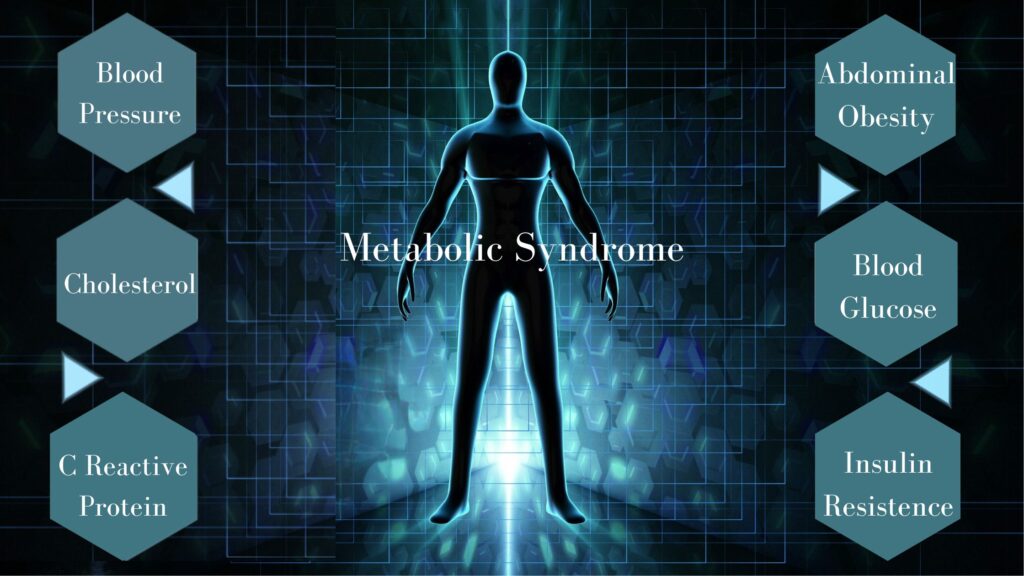
Understanding Metabolic Syndrome
Metabolic syndrome (MetS) is a cluster of metabolic abnormalities that elevate the risk of serious health conditions, including cardiovascular diseases, type 2 diabetes, and other chronic disorders. Characterized by risk factors such as obesity, insulin resistance, high blood pressure, abnormal cholesterol levels, and elevated blood sugar, MetS demands a comprehensive understanding to devise effective prevention and management strategies. The concept of MetS originated in the late 20th century when Dr. Gerald Reaven, during his landmark 1988 Banting Lecture at the American Diabetes...

The Hidden Ingredient in Your Daily Diet
Carrageenan, a versatile polysaccharide derived from red seaweeds, has become an extensively utilized ingredient in the food industry, renowned for its gelling, thickening, and stabilizing properties. This natural additive enhances the texture and consistency of a diverse array of processed foods, including dairy products, meat, sauces, and desserts, thereby making it a staple in many households. Given its ubiquity on grocery shelves, it is essential to understand the nature of carrageenan, its historical significance, and its implications for health. As consumers navigate modern dietary...

Overview of Inflammation Pathways
Inflammation is a multifaceted biological response that involves various signaling pathways, each playing a crucial role in the regulation of immune responses to injury or infection. This literature review synthesizes current knowledge on the major inflammatory pathways, including the Nuclear Factor kappa B (NF-κB) pathway, the Mitogen-Activated Protein Kinase (MAPK) pathway, the Type I Interferon (IFN) signaling pathway, the cGAS-cGAMP-STING pathway, and the TLR4 signaling pathway, among others. Additionally, the review will explore the interplay between these pathways and their...
Medical Disclaimer
The information provided in this document is intended for educational and informational purposes only and should not be construed as medical advice, diagnosis, or treatment. It is essential to consult a qualified healthcare professional for any medical concerns or conditions. The content herein does not substitute for professional medical advice, and individuals should not disregard or delay seeking medical advice based on the information provided.
The authors and publishers of this document do not assume any responsibility for any adverse effects or consequences resulting from the use or application of the information contained herein. The reader is encouraged to conduct their own research and consult with healthcare providers to make informed decisions regarding their health and treatment options. Furthermore, the information presented may not reflect the most current research or medical guidelines, as medical knowledge is continually evolving. Therefore, it is imperative to verify the information with up-to-date, peer-reviewed sources and consult with medical professionals for personalized advice.