
Chickpea: The Versatile Legume
Chickpeas, scientifically known as Cicer arietinum, are one of the oldest cultivated crops, cherished for their nutritional value and culinary versatility. Also known as garbanzo beans, chickpeas are an integral part of various cuisines around the world and have gained popularity for their numerous health benefits. From salads to soups, and from curries to snacks, chickpeas find their way into a wide array of dishes, pleasing palates globally.
History
The cultivation of chickpeas dates back thousands of years, with evidence suggesting their domestication in the Middle East around 7500 years ago. Historical records indicate their presence in ancient Egyptian, Greek, and Roman diets. Chickpeas were also a staple in the Mediterranean and Middle Eastern regions, where they were not only consumed as a food source but also utilized in traditional medicine for their purported health benefits
Health Benefits
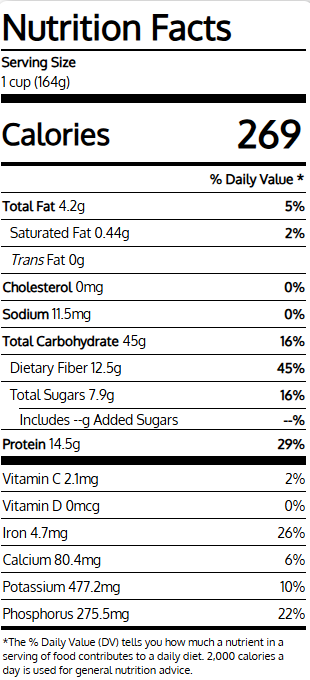
Chickpeas are renowned for their rich content of nutrients, including protein, fiber, vitamins, and minerals. The high fiber content aids in digestion and promotes satiety, making them a valuable addition to a balanced diet. Additionally, chickpeas contain phytochemicals such as polyphenols and flavonoids, which possess antioxidant and anti-inflammatory properties, contributing to their potential health-promoting effects. Chickpeas are known to promote heart health due to their high fiber and potassium content, which help in reducing cholesterol levels and regulating blood pressure. The combination of protein and fiber in chickpeas aids in weight management by promoting feelings of fullness and reducing calorie intake. The low glycemic index of chickpeas helps in stabilizing blood sugar levels, making them beneficial for individuals with diabetes or those at risk of developing the condition. The fiber content in chickpeas supports digestive health by preventing constipation and promoting regular bowel movements. Chickpeas are rich in essential nutrients such as iron, folate, magnesium, and zinc, which are vital for overall health and well-being.
Best Preparation Methods
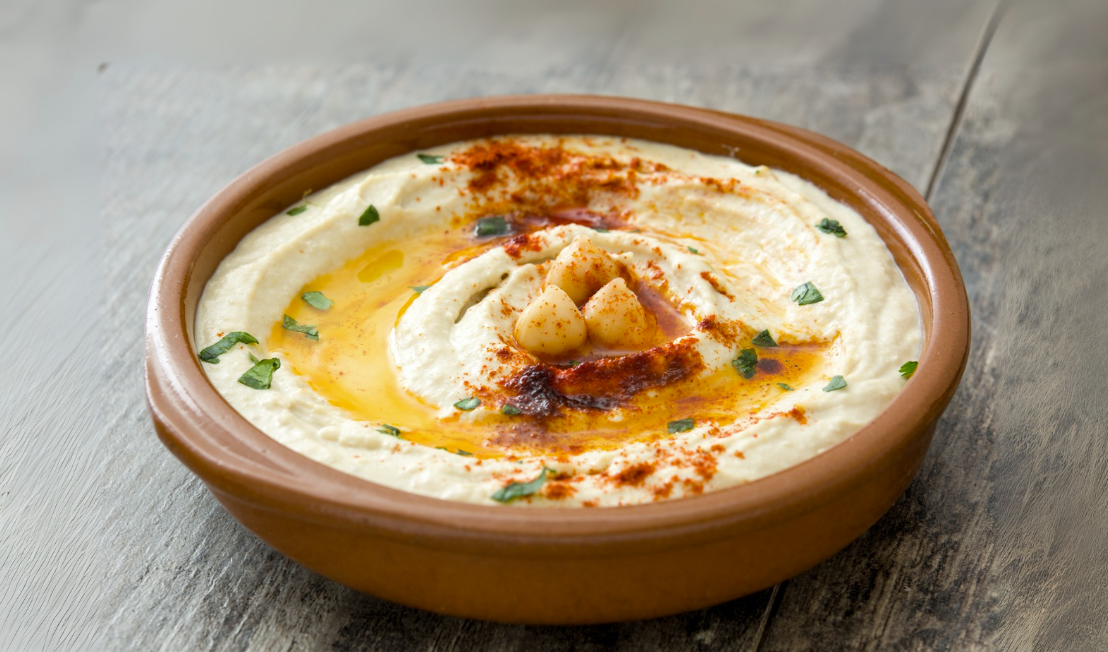
Rinse chickpeas under cold water to remove any debris, then soak them in water for at least 8 hours or overnight to rehydrate and soften. Soaking not only reduces cooking time but also helps to eliminate some of the anti-nutritional factors present in dried legumes. After soaking, drain and rinse the chickpeas again before cooking them in fresh water. They can be boiled for about 1 to 2 hours until tender, or cooked in a pressure cooker for a quicker option. Chickpeas are incredibly versatile and can be used in a variety of dishes, such as hummus, salads, soups, and stews. They can also be roasted for a crunchy snack or ground into flour for gluten-free baking. Their nutty flavor and firm texture make them a popular choice in both vegetarian and meat-based recipes, providing a rich source of protein, fiber, and essential nutrients.
Precautions and Possible Side Effects
While chickpeas offer numerous health benefits, individuals with certain dietary restrictions or medical conditions may need to exercise caution. People with allergies to legumes should avoid chickpeas to prevent allergic reactions. Additionally, individuals with gastrointestinal conditions such as irritable bowel syndrome (IBS) may experience discomfort or exacerbation of symptoms upon consuming chickpeas due to their high fiber content. While chickpeas are generally safe for consumption, some individuals may experience gastrointestinal discomfort, such as bloating, gas, or indigestion, especially when consuming large quantities or if not cooked properly. Allergic reactions to chickpeas are rare but can occur in individuals with legume allergies. Chickpeas are not known to interact adversely with medications. However, individuals taking medications for diabetes or blood pressure should monitor their intake of chickpeas, as they may affect blood sugar and blood pressure levels.
Eastern and Western Nutrition
In traditional Chinese medicine (TCM), chickpeas are associated with the Spleen and Stomach meridians. They are believed to tonify Qi (vital energy) and Blood, strengthen the Spleen, and promote digestion.In Eastern cuisines, particularly in the Indian subcontinent and the Middle East, chickpeas are a staple ingredient used in various dishes such as hummus, falafel, and chana masala. Chickpea flour is widely used in traditional Indian sweets and savories.
In Western nutrition, chickpeas have gained recognition as a versatile and nutritious food source, often incorporated into a variety of dishes such as salads, soups, and vegetarian meals. They are particularly valued for their high protein and fiber content, making them an excellent alternative to meat for those seeking plant-based protein sources. Chickpeas are cholesterol-free and provide essential vitamins and minerals, including folate, iron, and magnesium, which contribute to their status as a health-promoting food. The increasing popularity of chickpeas in Western diets is also attributed to their potential health benefits, including improvements in heart health, weight management and digestive health due to their high fiber content.

Final Thoughts
Chickpeas are more than just a pantry staple; they are a nutritional powerhouse packed with essential nutrients and health-promoting properties. From supporting heart health to aiding in weight management and promoting digestive health, chickpeas offer an array of benefits for overall well-being. By incorporating chickpeas into a balanced diet, individuals can enjoy their delicious flavor while reaping the rewards of improved health and vitality.
References
Anjos, R., et al. (2019). New proposals to estimate unbiased selection gain and coefficient of variation in traits evaluated using score scales. Crop Science, 59(3), 937-944. https://doi.org/10.2135/cropsci2018.08.0481
Begum, N. (2023). Nutritional composition, health benefits and bio-active compounds of chickpea (cicer arietinum l.). Frontiers in Nutrition, 10. https://doi.org/10.3389/fnut.2023.1218468
Berhe, M., et al. (2023). Investigation of insect population density, species composition and associated losses in chickpea seeds stored on farms in ethiopia. Heliyon, 9(7), e17826. https://doi.org/10.1016/j.heliyon.2023.e17826
Boukid, F. (2021). Chickpea (cicer arietinum l.) protein as a prospective plant‐based ingredient: a review. International Journal of Food Science & Technology, 56(11), 5435-5444. https://doi.org/10.1111/ijfs.15046
Chen, Y., et al. (2022). Influence of oral processing behaviour and bolus properties of brown rice and chickpeas on in vitro starch digestion and postprandial glycaemic response. European Journal of Nutrition, 61(8), 3961-3974. https://doi.org/10.1007/s00394-022-02935-7
Coram, T. and Pang, E. (2006). Expression profiling of chickpea genes differentially regulated during a resistance response to ascochyta rabiei. Plant Biotechnology Journal, 4(6), 647-666. https://doi.org/10.1111/j.1467-7652.2006.00208.x
Crawford, K., et al. (2023). Evaluation of processing conditions and hydrocolloid addition on functional properties of aquafaba. Foods, 12(4), 775. https://doi.org/10.3390/foods12040775
Didinger, C. and Thompson, H. J. (2021). Defining nutritional and functional niches of legumes: a call for clarity to distinguish a future role for pulses in the dietary guidelines for americans. Nutrients, 13(4), 1100. https://doi.org/10.3390/nu13041100
Didinger, C. and Thompson, H. (2020). Motivating pulse-centric eating patterns to benefit human and environmental well-being. Nutrients, 12(11), 3500. https://doi.org/10.3390/nu12113500
Didinger, C., et al. (2023). Bean cuisine: the potential of citizen science to help motivate changes in pulse knowledge and consumption. Foods, 12(14), 2667. https://doi.org/10.3390/foods12142667
Gan, Y., et al. (2015). Diversifying crop rotations with pulses enhances system productivity. Scientific Reports, 5(1). https://doi.org/10.1038/srep14625
Giacoman, C. (2024). Veganism, cuisine, and class: exploring taste as a facilitator in adopting a vegan lifestyle in santiago, chile. Frontiers in Sociology, 9. https://doi.org/10.3389/fsoc.2024.1356457
Gupta, N., et al. (2017). Multivariate analysis based on nutritional value, antinutritional profile and antioxidant capacity of forty chickpea genotypes grown in india. Journal of Nutrition &Amp; Food Sciences, 07(03). https://doi.org/10.4172/2155-9600.1000600
Gupta, R., et al. (2016). Health risks and benefits of chickpea (cicer arietinum) consumption. Journal of Agricultural and Food Chemistry, 65(1), 6-22. https://doi.org/10.1021/acs.jafc.6b02629
Jha, U. C., et al. (2024). Unlocking the nutritional potential of chickpea: strategies for biofortification and enhanced multinutrient quality. Frontiers in Plant Science, 15. https://doi.org/10.3389/fpls.2024.1391496
Kai, K., et al. (2022). Functional performance of plant proteins. Foods, 11(4), 594. https://doi.org/10.3390/foods11040594
Khakbazan, M., et al. (2022). Pulse-included diverse crop rotations improved the systems economic profitability: evidenced in two 4-year cycles of rotation experiments. Agronomy for Sustainable Development, 42(5). https://doi.org/10.1007/s13593-022-00831-2
Khan, M. (2024). Antiglycation potential of metal ions and polyphenolic extract of chickpea on thiol-protease inhibitor: a management for diabetic complications. Saudi Pharmaceutical Journal, 32(1), 101916. https://doi.org/10.1016/j.jsps.2023.101916
Llorach, R., et al. (2019). Comparative metabolite fingerprinting of legumes using lc-ms-based untargeted metabolomics. Food Research International, 126, 108666. https://doi.org/10.1016/j.foodres.2019.108666
Loader, T., et al. (2020). Processing method modulates the effectiveness of black beans for lowering blood cholesterol in spontaneously hypertensive rats. Journal of the Science of Food and Agriculture, 101(2), 449-458. https://doi.org/10.1002/jsfa.10654
Mańko-Jurkowska, D. (2024). The effect of heat- and salt treatment on the stability and rheological properties of chickpea protein-stabilized emulsions. Applied Sciences, 14(7), 2698. https://doi.org/10.3390/app14072698
Martínez, K. A. A., et al. (2021). Technological properties of chickpea (cicer arietinum): production of snacks and health benefits related to type‐2 diabetes. Comprehensive Reviews in Food Science and Food Safety, 20(4), 3762-3787. https://doi.org/10.1111/1541-4337.12762
Rizvi, N., et al. (2022). Quantitative estimation of protein in sprouts of vigna radiate (mung beans), lens culinaris (lentils), and cicer arietinum (chickpeas) by kjeldahl and lowry methods. Molecules, 27(3), 814. https://doi.org/10.3390/molecules27030814
Santos, C., et al. (2018). Relationship between seed traits and pasting and cooking behaviour in a pulse germplasm collection. Crop and Pasture Science, 69(9), 892. https://doi.org/10.1071/cp18205
Sharma, N. (2024). Physicochemical, microstructural, and functional properties of cicer arietinum okara flour–a chickpea beverage by‐product. International Journal of Food Science & Technology, 59(11), 8697-8707. https://doi.org/10.1111/ijfs.17146
Sidhu, P. and Dhillon, G. (2019). The knowledge and adoption level of farmers about recommended cultivation practices for chickpea. Agriculture Update, 14(1), 58-61. https://doi.org/10.15740/has/au/14.1/58-61
Wallace, T. C., et al. (2016). The nutritional value and health benefits of chickpeas and hummus. Nutrients, 8(12), 766. https://doi.org/10.3390/nu8120766
MyFoodData. (n.d.). Nutrition facts for food item 173757. Retrieved December 12, 2024, from https://tools.myfooddata.com/nutrition-facts/173757/wt1/1
More Articles You May Like
The Therapeutic Potential of Herbs and Spices
The utilization of herbs and spices in Traditional Chinese Medicine (TCM) and Ayurvedic medicine exemplifies the profound interconnection between culinary practices and health. For centuries, these natural ingredients have been integral to holistic health systems, serving not only as flavor enhancers in diverse cuisines but also as potent therapeutic agents. In TCM, herbs are meticulously selected based on their properties to restore balance and harmony within the body, while Ayurvedic practices emphasize the use of spices to support digestion, enhance vitality, and prevent disease. This...

The Role of Essential Minerals
Minerals are inorganic elements that play a fundamental role in numerous physiological processes essential for human health. Unlike macronutrients such as carbohydrates, proteins, and fats, which provide energy, minerals are crucial for a variety of functions, including structural support, enzymatic reactions, and the regulation of metabolic pathways. The human body requires a range of minerals, categorized into macrominerals (needed in larger amounts) and trace minerals (required in smaller quantities), each serving distinct and vital roles. The significance of these essential minerals...
Recipe Template
Stuffed Acorn Squash A delicious and hearty stuffed acorn squash recipe, perfect for a cozy dinner. This dish combines sweet, savory, and nutty flavors, making it a favorite for fall and winter meals. Print Recipe SCREEN LOCKPrevent your screen from going dark Prep Time 15 minutes minsCook Time 45 minutes mins Course Main CourseCuisine American Servings 4Calories 350 kcal Ingredients 1x2x3xFor the Squash:2 medium acorn squashes (halved and seeds removed)1 tbsp olive oil½ tsp salt¼ tsp black pepperFor the Filling:1 tbsp olive...

Magnesium
Magnesium is an essential mineral that plays a vital role in numerous physiological functions, including energy production, muscle contraction, and nerve transmission. Given its importance, various forms of magnesium supplements are available, each with unique properties, benefits, and absorption characteristics. This article discusses the different types of magnesium, their benefits, natural sources, daily requirements, and a comparative analysis to help individuals choose the most suitable form for their needs. Additionally, we will explore how magnesium is synthesized in laboratories,...
Nicotinamide Adenine Dinucleotide (NAD)
Nicotinamide adenine dinucleotide (NAD) is a crucial coenzyme found in all living cells, playing a vital role in various biological processes, including energy metabolism, DNA repair, and cell signaling. This article will explore the history and description of NAD, the emerging trend of intravenous (IV) NAD therapy, its benefits and precautions, natural sources, the significance of redox reactions in its function, the differences between various NAD supplements, and important considerations for consumers seeking NAD supplementation. History of NAD The discovery of NAD dates back to the...
Test WP 102
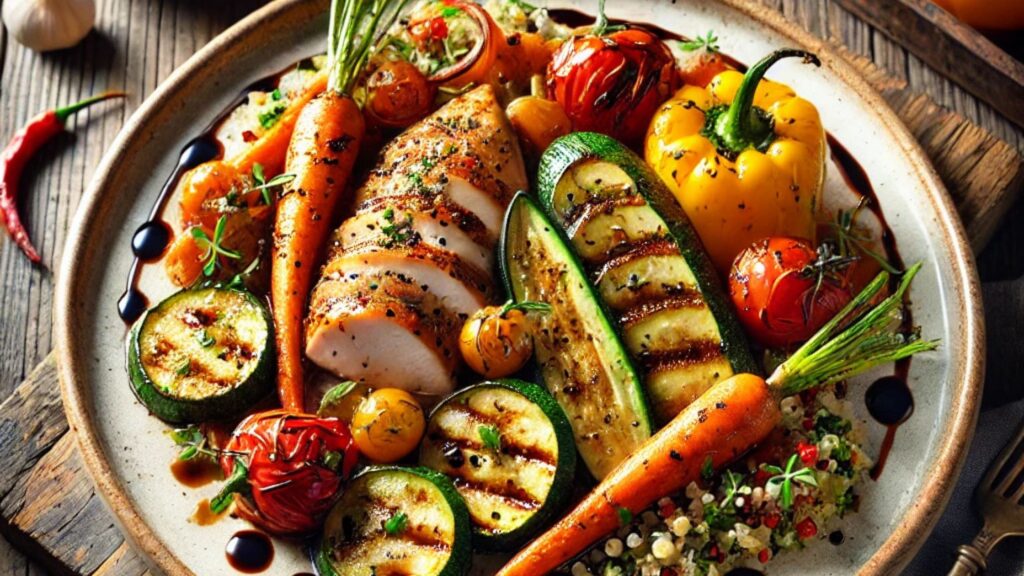
Chicken Harvest Dinner A fresh and flavorful farm-to-table dinner featuring locally sourced ingredients to create a wholesome and nourishing meal. This recipe highlights the best of seasonal produce and proteins, perfect for a delicious and satisfying dining experience. Print Recipe SCREEN LOCKPrevent your screen from going dark Prep Time 15 minutes minsCook Time 30 minutes mins Course Main CourseCuisine American Servings 2Calories 578 kcal Ingredients 1x2x3xFor the Main Dish:2 boneless (pasture-raised chicken breasts 450g / 1 lb)1 tbsp 15ml olive oil1 tsp 5g...

Vitamin D and D3
Sources, Functions, and Health Implications Vitamin D is a fat-soluble vitamin that plays a crucial role in various physiological processes, including calcium and phosphorus metabolism, bone health, and immune function. It exists in two primary forms: vitamin D2 (ergocalciferol) and vitamin D3 (cholecalciferol). Vitamin D2 is primarily derived from plant sources, particularly fungi and yeast, while vitamin D3 is predominantly obtained from animal sources and synthesized in the skin upon exposure to ultraviolet B (UVB) light (Park et al., 2019; Benedik, 2022). Understanding the best...

Probiotics in NF-κB Modulation
Nuclear Factor kappa-light-chain-enhancer of activated B cells (NF-κB) is a crucial transcription factor involved in regulating immune responses, inflammation, and cell survival. Chronic activation of NF-κB is associated with various inflammatory diseases, autoimmune disorders, and cancers. Probiotics, which are live microorganisms that confer health benefits to the host, have been shown to modulate NF-κB activity and may serve as a therapeutic strategy for managing conditions associated with chronic inflammation. Types of Probiotics Beneficial for NF-κB Modulation Lactobacillus Species...
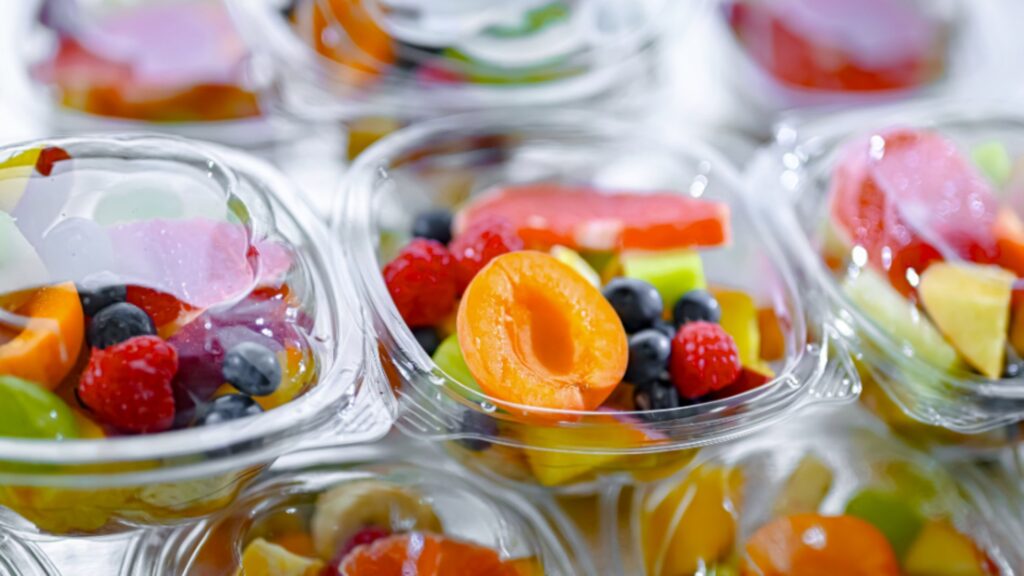
Health Risks of Plastic Packaging
Plastic resins are ubiquitous in food packaging, providing benefits such as durability, lightweight properties, and cost-effectiveness. However, the health implications associated with these materials have raised significant concerns. This article explores the Plastic Resin Identification Codes (RICs), detailing their names, descriptions, associated dangers, and the health consequences of prolonged use. Polyethylene Terephthalate (PET or PETE) – Code 1Description: PET is widely used for beverage bottles and food containers due to its strength and barrier properties against moisture...
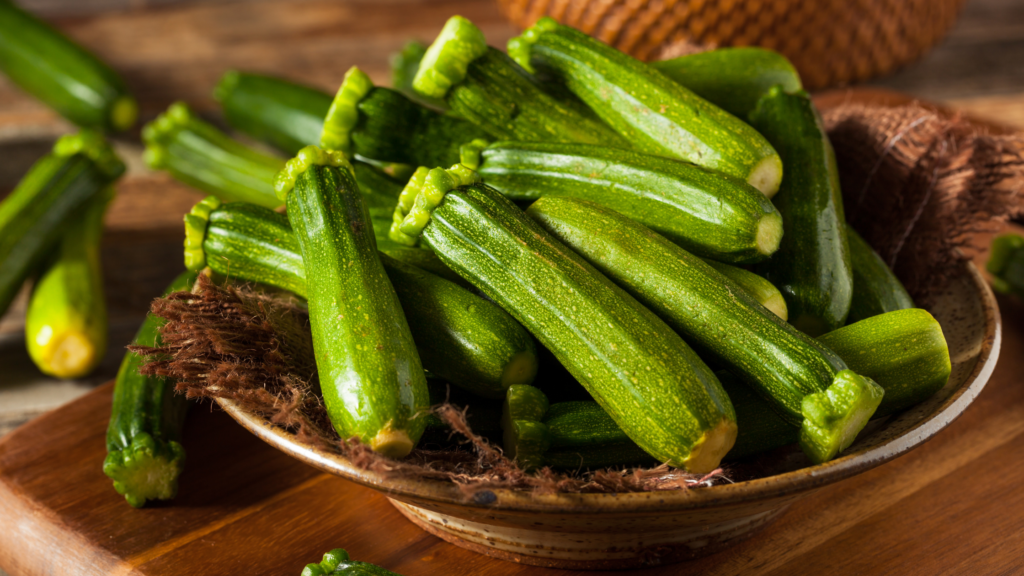
Zucchini
Zucchini, scientifically known as Cucurbita pepo, is a versatile and nutritious vegetable celebrated in cuisines worldwide. Its mild flavor and tender texture make it a popular ingredient in various dishes, from salads to stir-fries and even baked goods. Beyond its culinary charm, zucchini boasts an array of health benefits, making it a staple in many diets. History Zucchini traces its origins back to the Americas, where it was domesticated thousands of years ago. The cultivation of zucchini spread to Europe in the late 15th century, following the voyages of Christopher Columbus. ...
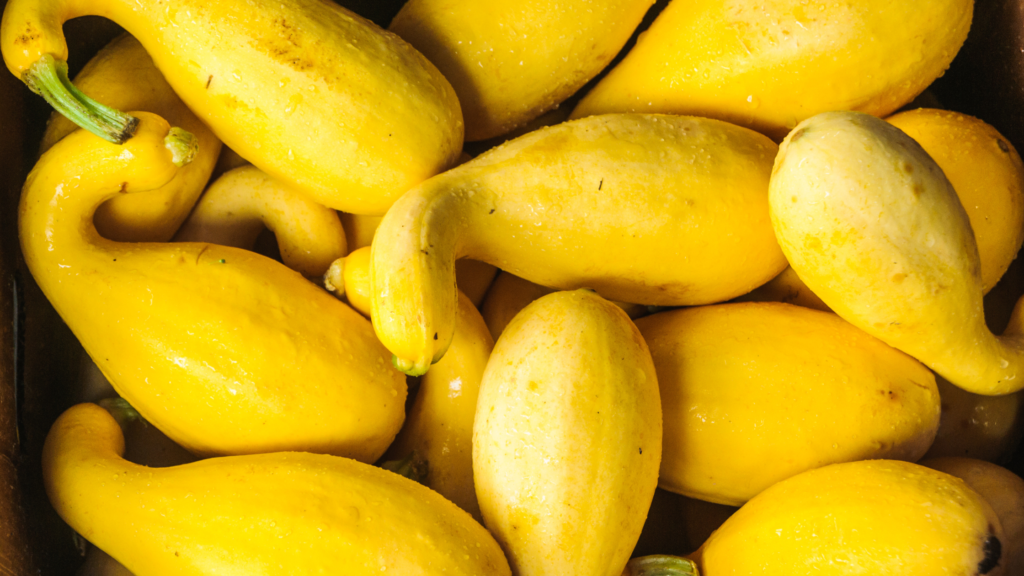
Yellow Squash
Yellow squash, with its vibrant hue and delicate flavor, has long adorned dinner plates and found its way into culinary creations around the world. This humble vegetable, botanically known as Cucurbita pepo, belongs to the gourd family and boasts an array of health benefits. From its rich history to its modern-day applications, yellow squash continues to captivate both chefs and health enthusiasts alike. History The cultivation of yellow squash dates back thousands of years, with its origins traced to Mesoamerica. Ancient civilizations such as the Maya and Aztecs revered squash for its...

Yellow Peas
Yellow peas, often overlooked in the realm of superfoods, are in fact a powerhouse of nutrition and health benefits. These humble legumes, botanically known as Pisum sativum, have been a staple in diets across cultures for centuries. From their rich history to their modern applications, yellow peas offer a plethora of health advantages that deserve recognition and inclusion in our daily meals.Yellow peas have a long and esteemed history, dating back thousands of years. Originating in the Mediterranean region, they were one of the earliest crops cultivated by humans. Archaeological...
Medical Disclaimer
The information provided in this document is intended for educational and informational purposes only and should not be construed as medical advice, diagnosis, or treatment. It is essential to consult a qualified healthcare professional for any medical concerns or conditions. The content herein does not substitute for professional medical advice, and individuals should not disregard or delay seeking medical advice based on the information provided.
The authors and publishers of this document do not assume any responsibility for any adverse effects or consequences resulting from the use or application of the information contained herein. The reader is encouraged to conduct their own research and consult with healthcare providers to make informed decisions regarding their health and treatment options. Furthermore, the information presented may not reflect the most current research or medical guidelines, as medical knowledge is continually evolving. Therefore, it is imperative to verify the information with up-to-date, peer-reviewed sources and consult with medical professionals for personalized advice.