
Cumin: A Spice Steeped in History and Health
Cumin, scientifically known as Cuminum cyminum, is a spice native to the eastern Mediterranean region and is widely used in cuisines across the globe. Beyond its culinary uses, cumin holds a rich history of medicinal applications and health benefits. From its distinctive flavor to its potential therapeutic properties, cumin continues to captivate both chefs and health enthusiasts alike.
History
Cumin has a long and storied history, dating back thousands of years. Its usage can be traced to ancient civilizations such as the Egyptians, Greeks, and Romans, who valued it not only for its culinary appeal but also for its medicinal properties. It was believed to aid digestion, soothe stomach ailments, and even promote longevity. Cumin’s popularity spread along trade routes, eventually reaching regions like India, where it became a staple in traditional Ayurvedic medicine.
Health Benefits
The active compounds in cumin responsible for its health benefits include cuminaldehyde, cymene, and terpenoids. These compounds possess antioxidant, antimicrobial, and anti-inflammatory properties, which contribute to cumin’s therapeutic effects. Additionally, cumin contains essential oils that aid in digestion by stimulating the secretion of digestive enzymes. It may help alleviate indigestion, bloating, and gas by promoting the secretion of digestive enzymes and reducing inflammation in the gastrointestinal tract. The anti-inflammatory properties of cumin may offer relief from conditions such as arthritis and inflammatory bowel diseases. Cumin contains antioxidants that help combat oxidative stress and protect against chronic diseases like heart disease and cancer. Some studies suggest that cumin may aid in weight loss by increasing metabolism and reducing appetite.
Best Preparation Methods
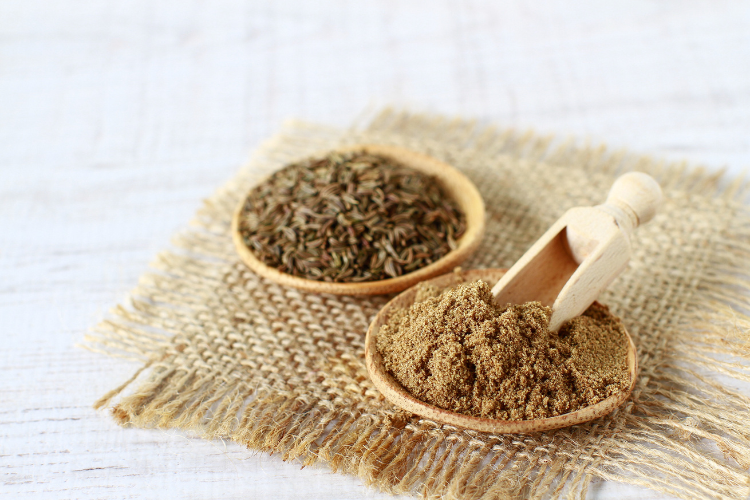
The preparation of cumin typically involves either using whole seeds or ground powder, with whole seeds often being toasted to enhance their flavor before being added to dishes. Toasting cumin seeds in a dry skillet for a few minutes releases essential oils and intensifies their earthy notes, making them a flavorful addition to spice blends and marinades. Cumin can be incorporated into a variety of dishes, including curries, stews, and soups, where it is often sautéed with onions and garlic to build a flavor base. Additionally, cumin is frequently used in spice mixes, such as garam masala and taco seasoning, where it contributes to the overall depth of flavor. The spice can also be used in pickling and preserving, as its antimicrobial properties help inhibit spoilage.
Precautions and Possible Side Effects
While cumin is generally safe for consumption, individuals with certain medical conditions should exercise caution. Those with allergies to plants in the Apiaceae family, such as celery or fennel, may experience allergic reactions to cumin. Additionally, individuals with gastroesophageal reflux disease (GERD) or peptic ulcers should avoid consuming large amounts of cumin, as it may exacerbate symptoms. While cumin is generally safe for consumption, excessive intake may lead to side effects such as digestive discomfort or allergic reactions. Additionally, cumin may interact with certain medications, including blood thinners and medications for diabetes or hypertension. It is important to consult with a healthcare professional before using cumin as a therapeutic remedy, especially if you are taking medications or have underlying health conditions.
Eastern and Western Nutrition
In Eastern medicine, particularly Ayurveda, cumin is revered for its digestive properties and is often used to balance the doshas (Vata, Pitta, and Kapha). It is incorporated into various herbal remedies and tonics to support digestive health and overall well-being. In traditional Chinese medicine (TCM), cumin is associated with the spleen and stomach meridians. It is believed to have warming properties that aid in digestion and promote the flow of qi (energy) throughout the body.
In Western cuisine and medicine, cumin is valued for its flavor-enhancing properties and potential health benefits. It is used in a wide range of dishes and dietary supplements to promote digestion, reduce inflammation, and support overall health.

Final Thoughts
Cumin is more than just a flavorful spice; it is a powerhouse of nutrients and therapeutic compounds that offer a myriad of health benefits. From aiding digestion to reducing inflammation, cumin has earned its place in both culinary and medicinal traditions around the world. Whether used in Eastern remedies or Western cuisine, cumin continues to enthrall and inspire with its rich history and remarkable properties.
References
Agarwal, D., et al. (2019). Genotypic variation in pharmacological potential of seed extracts of cumin (cuminum cyminum l.) genotypes. ijps, 81(5). https://doi.org/10.36468/pharmaceutical-sciences.589
Allahghadri, T., et al. (2010). Antimicrobial property, antioxidant capacity, and cytotoxicity of essential oil from cumin produced in iran. Journal of Food Science, 75(2). https://doi.org/10.1111/j.1750-3841.2009.01467.x
Arun, K., et al. (2017). Spent cumin seeds generated from ayurvedic industry as a source of bioactive compounds for nutraceutical/functional food applications. Journal of Food Processing and Preservation, 42(1), e13392. https://doi.org/10.1111/jfpp.13392
Derakhshan, S., et al. (2010). Effect of cumin (cuminum cyminum) seed essential oil on biofilm formation and plasmid integrity ofklebsiellapneumoniae. Pharmacognosy Magazine, 6(21), 57. https://doi.org/10.4103/0973-1296.59967
El‐Ghorab, A., et al. (2010). A comparative study on chemical composition and antioxidant activity of ginger (zingiber officinale) and cumin (cuminum cyminum). Journal of Agricultural and Food Chemistry, 58(14), 8231-8237. https://doi.org/10.1021/jf101202x
Firzannida, F., et al. (2022). Network pharmacology of black cumin (nigella sativa l.) as a candidate of omai in colorectal cancer: in silico study. Indonesian Journal of Biotechnology, 27(2), 87. https://doi.org/10.22146/ijbiotech.70699
Hosni, R., et al. (2023). Common applications of black cumin seed (nigella sativa) oil in folk medicine. Journal of Advanced Pharmacy Research, 7(1), 1-14. https://doi.org/10.21608/aprh.2022.166251.1196
Jafari, S., et al. (2017). Evaluation the effect of 50 and 100 mg doses of cuminum cyminum essential oil on glycemic indices, insulin resistance and serum inflammatory factors on patients with diabetes type ii: a double-blind randomized placebo-controlled clinical trial. Journal of Traditional and Complementary Medicine, 7(3), 332-338. https://doi.org/10.1016/j.jtcme.2016.08.004
Nagarajan, K., et al. (2019). Antioxidant activity of cumin oil mediated silver nanoparticles. Pharmacognosy Journal, 11(4), 787-789. https://doi.org/10.5530/pj.2019.11.125
Petretto, G., et al. (2018). Chemical composition and antimicrobial activity of essential oils from cuminum cyminum l. collected in different areas of morocco. Food Bioscience, 22, 50-58. https://doi.org/10.1016/j.fbio.2018.01.004
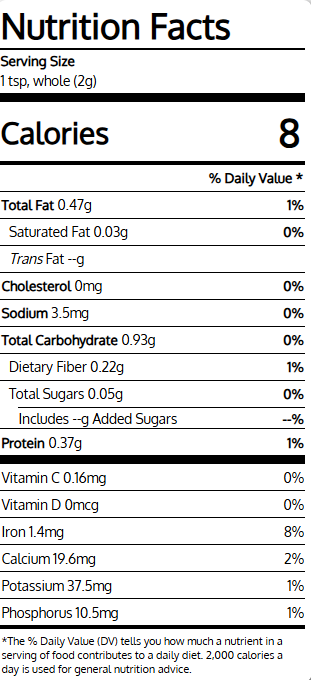
MyFoodData. (n.d.). Nutrition facts for food item 170923. Retrieved December 12, 2024, from https://tools.myfooddata.com/nutrition-facts/170923/wt1/1
More Articles You May Like
The Therapeutic Potential of Herbs and Spices
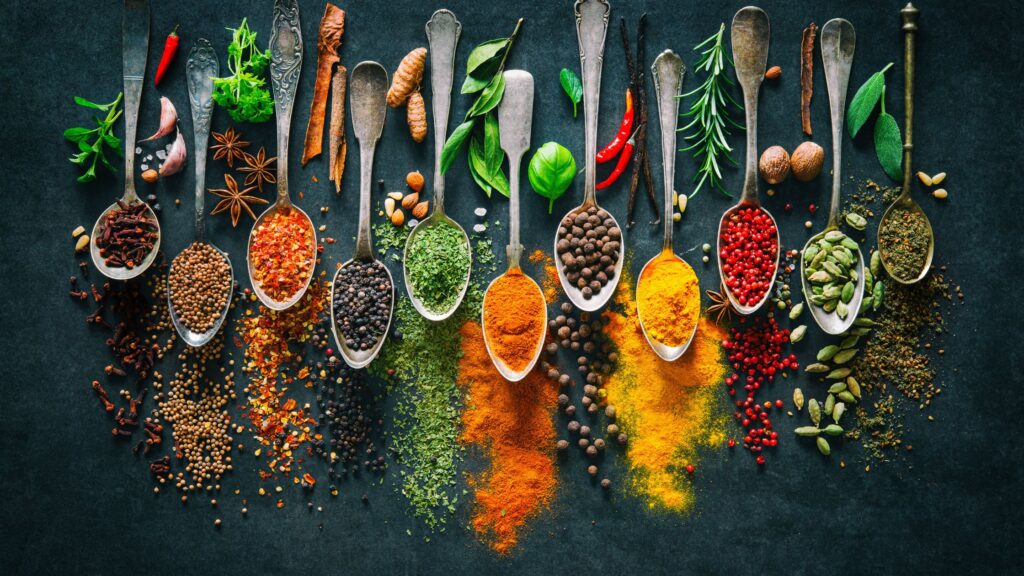
The utilization of herbs and spices in Traditional Chinese Medicine (TCM) and Ayurvedic medicine exemplifies the profound interconnection between culinary practices and health. For centuries, these natural ingredients have been integral to holistic health systems, serving not only as flavor enhancers in diverse cuisines but also as potent therapeutic agents. In TCM, herbs are meticulously selected based on their properties to restore balance and harmony within the body, while Ayurvedic practices emphasize the use of spices to support digestion, enhance vitality, and prevent disease. This...

The Role of Essential Minerals
Minerals are inorganic elements that play a fundamental role in numerous physiological processes essential for human health. Unlike macronutrients such as carbohydrates, proteins, and fats, which provide energy, minerals are crucial for a variety of functions, including structural support, enzymatic reactions, and the regulation of metabolic pathways. The human body requires a range of minerals, categorized into macrominerals (needed in larger amounts) and trace minerals (required in smaller quantities), each serving distinct and vital roles. The significance of these essential minerals...
Recipe Template
Stuffed Acorn Squash A delicious and hearty stuffed acorn squash recipe, perfect for a cozy dinner. This dish combines sweet, savory, and nutty flavors, making it a favorite for fall and winter meals. Print Recipe SCREEN LOCKPrevent your screen from going dark Prep Time 15 minutes minsCook Time 45 minutes mins Course Main CourseCuisine American Servings 4Calories 350 kcal Ingredients 1x2x3xFor the Squash:2 medium acorn squashes (halved and seeds removed)1 tbsp olive oil½ tsp salt¼ tsp black pepperFor the Filling:1 tbsp olive...

Magnesium
Magnesium is an essential mineral that plays a vital role in numerous physiological functions, including energy production, muscle contraction, and nerve transmission. Given its importance, various forms of magnesium supplements are available, each with unique properties, benefits, and absorption characteristics. This article discusses the different types of magnesium, their benefits, natural sources, daily requirements, and a comparative analysis to help individuals choose the most suitable form for their needs. Additionally, we will explore how magnesium is synthesized in laboratories,...

Nicotinamide Adenine Dinucleotide (NAD)
Nicotinamide adenine dinucleotide (NAD) is a crucial coenzyme found in all living cells, playing a vital role in various biological processes, including energy metabolism, DNA repair, and cell signaling. This article will explore the history and description of NAD, the emerging trend of intravenous (IV) NAD therapy, its benefits and precautions, natural sources, the significance of redox reactions in its function, the differences between various NAD supplements, and important considerations for consumers seeking NAD supplementation. History of NAD The discovery of NAD dates back to the...

Test WP 102
Chicken Harvest Dinner A fresh and flavorful farm-to-table dinner featuring locally sourced ingredients to create a wholesome and nourishing meal. This recipe highlights the best of seasonal produce and proteins, perfect for a delicious and satisfying dining experience. Print Recipe SCREEN LOCKPrevent your screen from going dark Prep Time 15 minutes minsCook Time 30 minutes mins Course Main CourseCuisine American Servings 2Calories 578 kcal Ingredients 1x2x3xFor the Main Dish:2 boneless (pasture-raised chicken breasts 450g / 1 lb)1 tbsp 15ml olive oil1 tsp 5g...

Vitamin D and D3
Sources, Functions, and Health Implications Vitamin D is a fat-soluble vitamin that plays a crucial role in various physiological processes, including calcium and phosphorus metabolism, bone health, and immune function. It exists in two primary forms: vitamin D2 (ergocalciferol) and vitamin D3 (cholecalciferol). Vitamin D2 is primarily derived from plant sources, particularly fungi and yeast, while vitamin D3 is predominantly obtained from animal sources and synthesized in the skin upon exposure to ultraviolet B (UVB) light (Park et al., 2019; Benedik, 2022). Understanding the best...

Probiotics in NF-κB Modulation
Nuclear Factor kappa-light-chain-enhancer of activated B cells (NF-κB) is a crucial transcription factor involved in regulating immune responses, inflammation, and cell survival. Chronic activation of NF-κB is associated with various inflammatory diseases, autoimmune disorders, and cancers. Probiotics, which are live microorganisms that confer health benefits to the host, have been shown to modulate NF-κB activity and may serve as a therapeutic strategy for managing conditions associated with chronic inflammation. Types of Probiotics Beneficial for NF-κB Modulation Lactobacillus Species...

Health Risks of Plastic Packaging
Plastic resins are ubiquitous in food packaging, providing benefits such as durability, lightweight properties, and cost-effectiveness. However, the health implications associated with these materials have raised significant concerns. This article explores the Plastic Resin Identification Codes (RICs), detailing their names, descriptions, associated dangers, and the health consequences of prolonged use. Polyethylene Terephthalate (PET or PETE) – Code 1Description: PET is widely used for beverage bottles and food containers due to its strength and barrier properties against moisture...
Zucchini
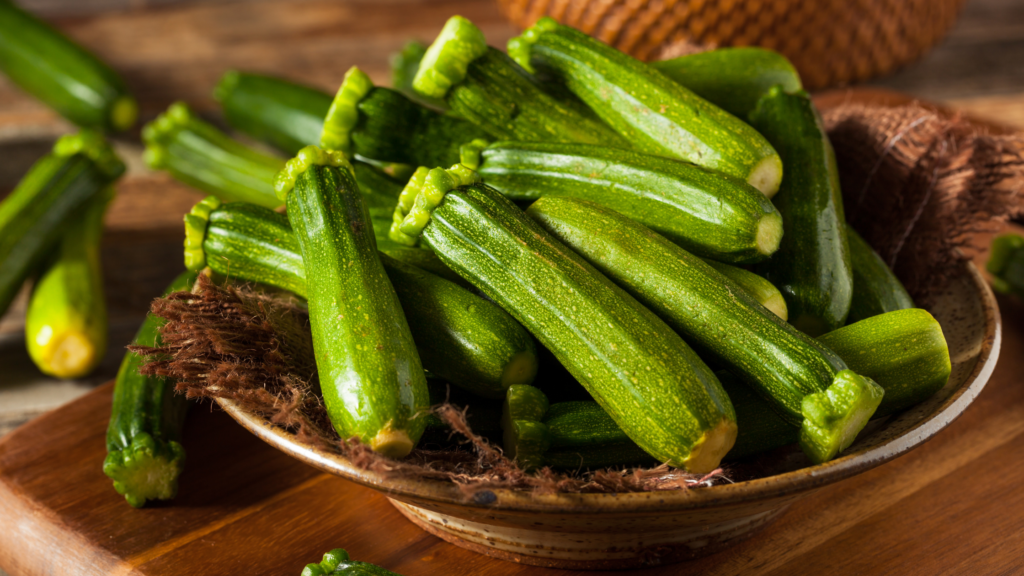
Zucchini, scientifically known as Cucurbita pepo, is a versatile and nutritious vegetable celebrated in cuisines worldwide. Its mild flavor and tender texture make it a popular ingredient in various dishes, from salads to stir-fries and even baked goods. Beyond its culinary charm, zucchini boasts an array of health benefits, making it a staple in many diets. History Zucchini traces its origins back to the Americas, where it was domesticated thousands of years ago. The cultivation of zucchini spread to Europe in the late 15th century, following the voyages of Christopher Columbus. ...
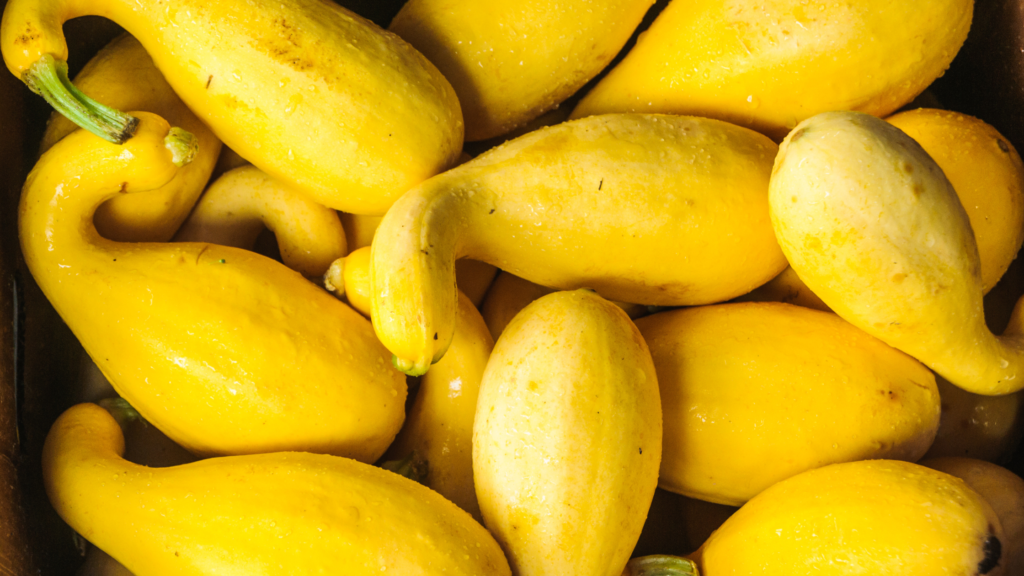
Yellow Squash
Yellow squash, with its vibrant hue and delicate flavor, has long adorned dinner plates and found its way into culinary creations around the world. This humble vegetable, botanically known as Cucurbita pepo, belongs to the gourd family and boasts an array of health benefits. From its rich history to its modern-day applications, yellow squash continues to captivate both chefs and health enthusiasts alike. History The cultivation of yellow squash dates back thousands of years, with its origins traced to Mesoamerica. Ancient civilizations such as the Maya and Aztecs revered squash for its...

Yellow Peas
Yellow peas, often overlooked in the realm of superfoods, are in fact a powerhouse of nutrition and health benefits. These humble legumes, botanically known as Pisum sativum, have been a staple in diets across cultures for centuries. From their rich history to their modern applications, yellow peas offer a plethora of health advantages that deserve recognition and inclusion in our daily meals.Yellow peas have a long and esteemed history, dating back thousands of years. Originating in the Mediterranean region, they were one of the earliest crops cultivated by humans. Archaeological...
Medical Disclaimer
The information provided in this document is intended for educational and informational purposes only and should not be construed as medical advice, diagnosis, or treatment. It is essential to consult a qualified healthcare professional for any medical concerns or conditions. The content herein does not substitute for professional medical advice, and individuals should not disregard or delay seeking medical advice based on the information provided.
The authors and publishers of this document do not assume any responsibility for any adverse effects or consequences resulting from the use or application of the information contained herein. The reader is encouraged to conduct their own research and consult with healthcare providers to make informed decisions regarding their health and treatment options. Furthermore, the information presented may not reflect the most current research or medical guidelines, as medical knowledge is continually evolving. Therefore, it is imperative to verify the information with up-to-date, peer-reviewed sources and consult with medical professionals for personalized advice.