Lemons
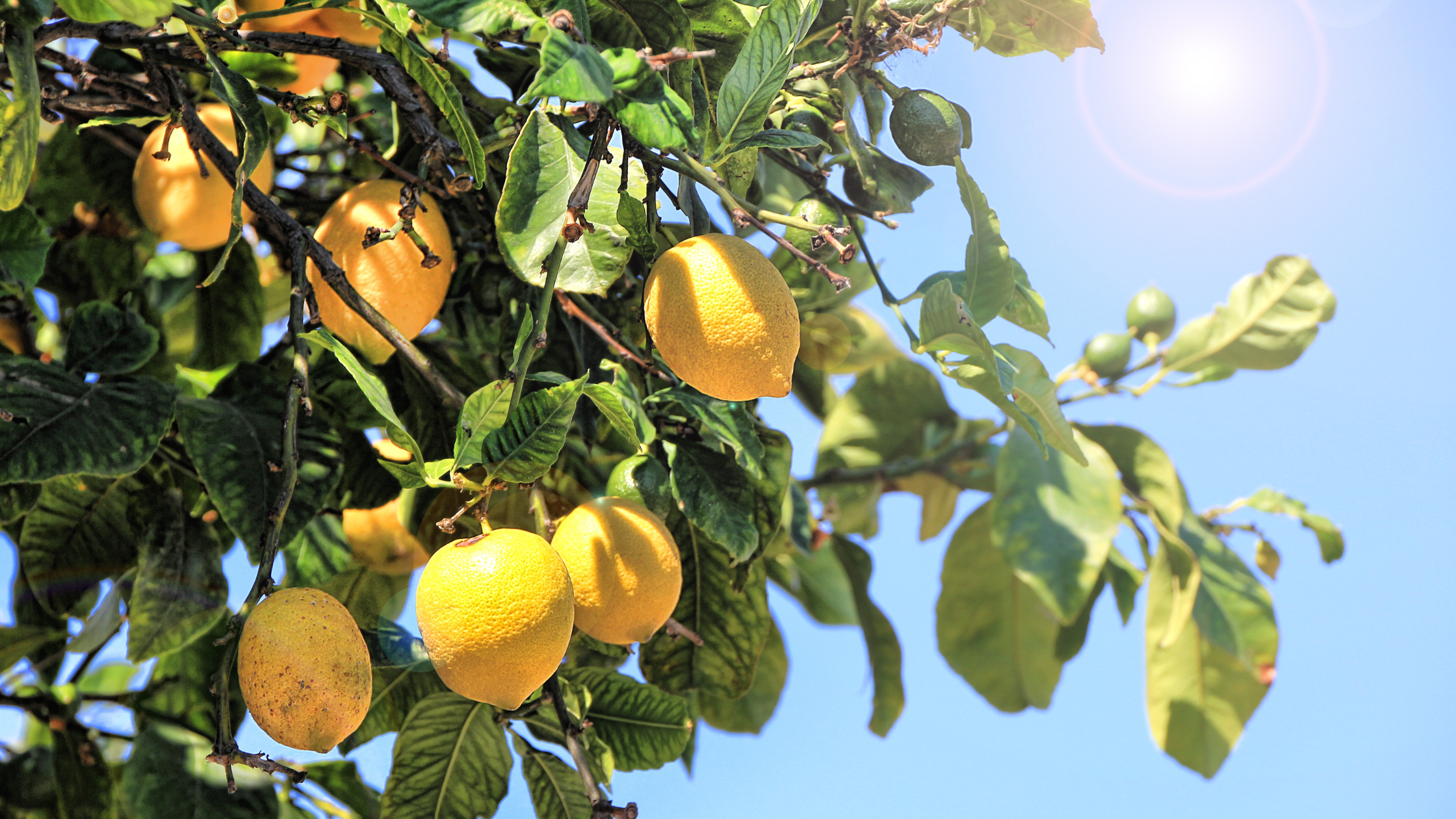
Lemon is much more than just a sour, citrus fruit. It’s a powerhouse of nutrients, offering a myriad of health benefits and culinary versatility. From ancient times to modern-day applications, lemons have been revered for their medicinal properties, refreshing flavor, and diverse uses. Let’s delve into the rich history, nutritional composition, health benefits, and various applications of this remarkable fruit.
[/et_pb_text][et_pb_heading title=”History” _builder_version=”4.27.4″ _module_preset=”default” custom_margin=”||10px||false|false” hover_enabled=”0″ global_colors_info=”{}” title_level=”h2″ title_text_color=”#000000″ sticky_enabled=”0″][/et_pb_heading][et_pb_text _builder_version=”4.27.4″ _module_preset=”default” text_text_color=”#000000″ text_font_size=”17px” hover_enabled=”0″ global_colors_info=”{}” sticky_enabled=”0″]Lemons have a long and fascinating history, originating in Southeast Asia, specifically in regions of India, Myanmar, and China. Historical records indicate that lemons were cultivated as early as 2500 BC, with evidence suggesting their presence in ancient Egyptian and Mesopotamian cultures. The fruit gained prominence in ancient Greece and Rome, where it was revered for its medicinal properties and symbolic significance. Arab traders introduced lemons to Europe during the Middle Ages, and by the 15th century, they were being cultivated in Southern Italy and Spain.During the Age of Exploration, lemons became essential for sailors to combat scurvy due to their high vitamin C content. Today, lemons are cultivated worldwide, with major producers including the United States, Italy, Spain, and India.
[/et_pb_text][et_pb_heading title=”Health Benefits” _builder_version=”4.27.4″ _module_preset=”default” custom_margin=”||10px||false|false” custom_padding=”||||false|false” hover_enabled=”0″ global_colors_info=”{}” title_level=”h2″ title_text_color=”#000000″ sticky_enabled=”0″][/et_pb_heading][et_pb_text _builder_version=”4.27.4″ _module_preset=”default” text_text_color=”#000000″ text_font_size=”17px” global_colors_info=”{}”]The health benefits of lemons are attributed to their rich nutritional profile, which includes vitamin C, citric acid, flavonoids, and essential minerals. Vitamin C serves as a potent antioxidant, protecting cells from oxidative stress and bolstering immune function, thereby strengthening the immune system and helping the body combat infections and illnesses. Citric acid enhances digestion by stimulating the production of gastric juices and enzymes, while flavonoids contribute to the anti-inflammatory and antimicrobial properties of lemons. Additionally, lemon-infused water is a refreshing way to stay hydrated, potentially encouraging increased water intake. Some studies suggest that the polyphenol antioxidants found in lemons may assist in weight management by reducing oxidative stress and inflammation. Furthermore, the vitamin C and antioxidants in lemons may promote collagen production, leading to healthier skin and a reduction in wrinkles and blemishes. Overall, incorporating lemons into the diet can provide a variety of health benefits that support immune function, digestive health, hydration, weight management, and skin health.
[/et_pb_text][/et_pb_column][/et_pb_row][/et_pb_section][et_pb_section fb_built=”1″ _builder_version=”4.27.4″ _module_preset=”default” background_color=”#F2F2F2″ custom_padding=”28px||2px||false|false” global_colors_info=”{}”][et_pb_row _builder_version=”4.27.4″ _module_preset=”default” custom_padding=”6px||0px|||”][et_pb_column _builder_version=”4.27.4″ _module_preset=”default” type=”4_4″][et_pb_heading title=”Best Preparation Methods ” _builder_version=”4.27.4″ _module_preset=”default” hover_enabled=”0″ sticky_enabled=”0″ title_level=”h2″ title_text_color=”#000000″][/et_pb_heading][/et_pb_column][/et_pb_row][et_pb_row column_structure=”2_3,1_3″ _builder_version=”4.27.4″ _module_preset=”default” custom_padding=”5px||5px|||” global_colors_info=”{}” custom_margin=”1px|auto||auto||”][et_pb_column type=”2_3″ _builder_version=”4.27.4″ _module_preset=”default” global_colors_info=”{}”][et_pb_text _builder_version=”4.27.4″ _module_preset=”default” text_text_color=”#000000″ text_font_size=”17px” global_colors_info=”{}”]One of the primary methods of utilizing lemons in cooking is through marination, where meat, fish, or vegetables are soaked in a mixture of lemon juice, often combined with olive oil and seasonings, to tenderize and infuse flavor. Lemon juice can also be incorporated into dressings, sauces, and beverages, providing a refreshing acidity that balances rich flavors. In addition to their flavor-enhancing properties, lemons are known to prolong the shelf life of foods due to their natural acidity, which inhibits bacterial growth. Furthermore, lemon zest, the outer peel of the fruit, is frequently used to add a fragrant citrus note to baked goods and desserts, showcasing the fruit’s versatility across different culinary applications.
[/et_pb_text][et_pb_image src=”https://www.immortalme.com/wp-content/uploads/2025/02/Screenshot-2025-02-14-235856.png” title_text=”Screenshot 2025-02-14 235856″ _builder_version=”4.27.4″ _module_preset=”default” hover_enabled=”0″ border_radii=”on|6px|6px|6px|6px” box_shadow_style=”preset1″ global_colors_info=”{}” sticky_enabled=”0″ box_shadow_spread=”3px” box_shadow_color=”#84776C”][/et_pb_image][/et_pb_column][et_pb_column type=”1_3″ _builder_version=”4.27.4″ _module_preset=”default” global_colors_info=”{}”][et_pb_image src=”https://www.immortalme.com/wp-content/uploads/2025/01/Lemons.png” title_text=”Lemons” _builder_version=”4.27.4″ _module_preset=”default” hover_enabled=”0″ box_shadow_style=”preset1″ global_colors_info=”{}” custom_padding=”||4px|||” border_radii=”on|6px|6px|6px|6px” box_shadow_spread=”3px” box_shadow_color=”#84776C” sticky_enabled=”0″][/et_pb_image][/et_pb_column][/et_pb_row][/et_pb_section][et_pb_section fb_built=”1″ _builder_version=”4.27.4″ _module_preset=”default” custom_padding=”28px||4px|||” hover_enabled=”0″ global_colors_info=”{}” background_color=”#F2F2F2″ sticky_enabled=”0″][et_pb_row _builder_version=”4.27.4″ _module_preset=”default” custom_padding=”3px||6px|||” global_colors_info=”{}”][et_pb_column type=”4_4″ _builder_version=”4.27.4″ _module_preset=”default” global_colors_info=”{}”][et_pb_heading title=”Precautions and Possible Side Effects” _builder_version=”4.27.4″ _module_preset=”default” custom_margin=”||10px||false|false” hover_enabled=”0″ global_colors_info=”{}” title_level=”h2″ title_text_color=”#000000″ sticky_enabled=”0″][/et_pb_heading][et_pb_text _builder_version=”4.27.4″ _module_preset=”default” text_text_color=”#000000″ text_font_size=”17px” global_colors_info=”{}”]While lemons are widely recognized for their numerous health benefits, there are important considerations to keep in mind regarding their consumption. The citric acid present in lemons can erode tooth enamel, making it advisable to consume lemon water in moderation and rinse the mouth afterward to mitigate potential dental health issues. Additionally, the acidic nature of lemons may exacerbate symptoms of gastroesophageal reflux disease (GERD) in some individuals, necessitating caution for those affected by this condition. Furthermore, individuals with citrus allergies should avoid lemons or consult a healthcare professional before including them in their diet. Although lemons are generally safe for most people when consumed in moderation, excessive intake can lead to dental erosion, heartburn or acid reflux, and gastrointestinal disturbances such as upset stomach or diarrhea. It is also important to note that lemons may interact with certain medications; for instance, combining lemon juice with statin medications could increase the risk of muscle damage, while the potassium content in lemons may interact with specific blood pressure medications. Thus, moderation and awareness of individual health conditions are key when incorporating lemons into one’s diet.
[/et_pb_text][/et_pb_column][/et_pb_row][/et_pb_section][et_pb_section fb_built=”1″ admin_label=”Post Body” _builder_version=”4.27.4″ background_color=”#F2F2F2″ custom_padding=”29px||3px|||” locked=”off” global_colors_info=”{}”][et_pb_row column_structure=”1_2,1_2″ _builder_version=”4.16″ custom_padding=”1px|||||” locked=”off” global_colors_info=”{}”][et_pb_column type=”1_2″ _builder_version=”4.16″ global_colors_info=”{}”][et_pb_image src=”https://www.immortalme.com/wp-content/uploads/2025/02/Screenshot-2025-02-15-000934.png” title_text=”Screenshot 2025-02-15 000934″ _builder_version=”4.27.4″ _module_preset=”default” hover_enabled=”0″ border_radii=”on|6px|6px|6px|6px” box_shadow_style=”preset1″ global_colors_info=”{}” sticky_enabled=”0″ box_shadow_spread=”3px” box_shadow_color=”#84776C”][/et_pb_image][/et_pb_column][et_pb_column type=”1_2″ _builder_version=”4.16″ global_colors_info=”{}”][et_pb_heading title=”Eastern and Western Nutrition” _builder_version=”4.27.4″ _module_preset=”default” custom_margin=”||10px||false|false” hover_enabled=”0″ global_colors_info=”{}” title_level=”h2″ title_text_color=”#000000″ sticky_enabled=”0″][/et_pb_heading][et_pb_text _builder_version=”4.27.4″ _module_preset=”default” text_text_color=”#000000″ text_font_size=”17px” global_colors_info=”{}”]In Eastern medicine, lemons are believed to have cooling properties and are often used to balance excessive heat in the body. They are commonly used in traditional Chinese medicine (TCM) to regulate Qi flow, detoxify the body, and treat conditions such as sore throat and indigestion. According to TCM principles, lemons are associated with the Liver and Stomach meridians. In Western herbal medicine, lemons are valued for their high vitamin C content and are used to support immune function, promote digestion, and detoxify the body. Lemon essential oil is also popular in aromatherapy for its uplifting and energizing effects.
[/et_pb_text][/et_pb_column][/et_pb_row][/et_pb_section][et_pb_section fb_built=”1″ _builder_version=”4.27.4″ _module_preset=”default” background_color=”#F2F2F2″ custom_padding=”30px||4px|||” hover_enabled=”0″ global_colors_info=”{}” custom_margin=”-1px|||||” sticky_enabled=”0″][et_pb_row _builder_version=”4.27.4″ _module_preset=”default” custom_padding=”2px||8px|||” global_colors_info=”{}” custom_margin=”-15px|auto||auto||”][et_pb_column type=”4_4″ _builder_version=”4.27.4″ _module_preset=”default” global_colors_info=”{}”][et_pb_heading title=”Final Thoughts” _builder_version=”4.27.4″ _module_preset=”default” custom_margin=”||10px||false|false” hover_enabled=”0″ global_colors_info=”{}” title_level=”h2″ title_text_color=”#000000″ sticky_enabled=”0″][/et_pb_heading][et_pb_text _builder_version=”4.27.4″ _module_preset=”default” text_text_color=”#000000″ text_font_size=”17px” global_colors_info=”{}”]Lemons are more than just a tangy fruit—they’re a symbol of vitality, health, and culinary delight. From ancient civilizations to modern wellness trends, lemons have left an indelible mark on human history and continue to be cherished for their myriad health benefits and versatile applications. Whether enjoyed as a refreshing beverage, culinary ingredient, or natural remedy, the humble lemon remains a timeless symbol of vitality and well-being.
[/et_pb_text][/et_pb_column][/et_pb_row][et_pb_row _builder_version=”4.27.4″ _module_preset=”default” custom_padding=”28px||5px|||” global_colors_info=”{}” theme_builder_area=”post_content”][et_pb_column type=”4_4″ _builder_version=”4.27.4″ _module_preset=”default” global_colors_info=”{}” theme_builder_area=”post_content”][et_pb_divider color=”#84776C” divider_weight=”2px” _builder_version=”4.27.4″ _module_preset=”default” global_colors_info=”{}” theme_builder_area=”post_content”][/et_pb_divider][et_pb_toggle title=”References” open_toggle_background_color=”#FFFFFF” closed_toggle_background_color=”#FFFFFF” icon_color=”#84776C” toggle_icon=”||fa||900″ use_icon_font_size=”on” icon_font_size=”25px” open_icon_color=”#E02B20″ open_toggle_icon=”||fa||900″ open_use_icon_font_size=”on” open_icon_font_size=”25px” _builder_version=”4.27.4″ _module_preset=”default” title_text_color=”#000000″ title_font=”Cormorant Garamond||||||||” title_text_align=”left” title_font_size=”20px” text_orientation=”left” custom_margin=”||42px|||” custom_padding=”|||20px|false|false” hover_enabled=”0″ border_radii=”on|6px|6px|6px|6px” box_shadow_style=”preset1″ box_shadow_color=”#84776C” global_colors_info=”{}” theme_builder_area=”post_content” body_line_height=”1.5em” sticky_enabled=”0″]Allegrone, G., Belliardo, F., & Cabella, P. (2006). Comparison of volatile concentrations in hand-squeezed juices of four different lemon varieties. Journal of Agricultural and Food Chemistry, 54(5), 1844-1848. https://doi.org/10.1021/jf051206s
Badiani, B., Barontini, S., Bettoni, B., Bonati, S., Peli, M., Pietta, A., … & Vitale, N. (2017). Lake garda lemon houses (italy): opportunities of a sensitive, marginal area in urban planning. Change and Adaptation in Socio-Ecological Systems, 3(1). https://doi.org/10.1515/cass-2017-0010
Blümel, J. (2023). Personal touch in digital customer service: a conceptual framework of relational personalization for conversational ai. Journal of Service Theory and Practice, 34(1), 33-65. https://doi.org/10.1108/jstp-03-2023-0098
Chakaravarthy, S. (2018). In vitro effect of lemon and orange juice on struvite crystallization. International Journal for Research in Applied Science and Engineering Technology, 6, 771-778. https://doi.org/10.22214/ijraset.2018.1118
Feigel, M., Kennard, A., & Lannaman, K. (2021). Herbalism for modern obstetrics. Clinical Obstetrics & Gynecology, 64(3), 611-634. https://doi.org/10.1097/grf.0000000000000637
Feldheim, K., Gruber, S., & Ashley, M. (2004). Reconstruction of parental microsatellite genotypes reveals female polyandry and philopatry in the lemon shark, negaprion brevirostris. Evolution, 58(10), 2332-2342. https://doi.org/10.1111/j.0014-3820.2004.tb01607.x
Ghazizadeh, J., Mohammadinasab, R., Travica, N., Sadigh-Eteghad, S., Torbati, M., Hamedeyazdan, S., … & Araj‐Khodaei, M. (2021). Historical course of neuropsychiatric effects of lemon balm (melissa officinalis l.) as a medicinal herb. Pharmaceutical Sciences. https://doi.org/10.34172/ps.2021.35
Hawa, L., Ali, S., Fujii, S., Yoshimoto, N., & Yamamoto, S. (2014). Drying rates and desorption isotherms of lemon juice. Japan Journal of Food Engineering, 15(2), 105-108. https://doi.org/10.11301/jsfe.15.105
Karabagias, I. (2017). Volatile compounds of freshly prepared lemon juice from the region of kalamata. Sm Analytical and Bioanalytical Techniques, 2(2), 1-4. https://doi.org/10.36876/smabt.1013
Kulaksızoğlu, S., Sofikerim, M., & Çevi̇k, C. (2007). In vitro effect of lemon and orange juices on calcium oxalate crystallization. International Urology and Nephrology, 40(3), 589-594. https://doi.org/10.1007/s11255-007-9256-0
Liu, L., Liu, C., Wang, Y., Wang, P., Li, Y., & Li, B. (2015). Herbal medicine for anxiety, depression and insomnia. Current Neuropharmacology, 13(4), 481-493. https://doi.org/10.2174/1570159×1304150831122734
Miron, T., Herrero, M., & Ibáñez, E. (2013). Enrichment of antioxidant compounds from lemon balm (melissa officinalis) by pressurized liquid extraction and enzyme-assisted extraction. Journal of Chromatography A, 1288, 1-9. https://doi.org/10.1016/j.chroma.2013.02.075
Reisman, D. (2007). Economic sociology and institutional economics. Journal of Institutional Economics, 3(1), 91-112. https://doi.org/10.1017/s1744137406000579
Scholey, A., Gibbs, A., Neale, C., Perry, N., Ossoukhova, A., Bilog, V., … & Buchwald-Werner, S. (2014). Anti-stress effects of lemon balm-containing foods. Nutrients, 6(11), 4805-4821. https://doi.org/10.3390/nu6114805
Sharma, A. and Kaur, I. (2023). Chemical profile and in-silico docking studies on bioactives from essential oil of cymbopogan pendulus targeting penicillin binding proteins (pbps) in bacteria. Biology Medicine & Natural Product Chemistry, 12(1), 225-232. https://doi.org/10.14421/biomedich.2023.121.225-232
Uwineza, P., Urbaniak, M., Bryła, M., Stępień, Ł., Modrzewska, M., & Waśkiewicz, A. (2022). In vitro effects of lemon balm extracts in reducing the growth and mycotoxins biosynthesis of fusarium culmorum and f. proliferatum. Toxins, 14(5), 355. https://doi.org/10.3390/toxins14050355
Zhong, S., Ren, J., Chen, D., Pan, S., Wang, K., Yang, S., … & Fan, G. (2014). Free and bound volatile compounds in juice and peel of eureka lemon. Food Science and Technology Research, 20(1), 167-174. https://doi.org/10.3136/fstr.20.167
MyFoodData. (n.d.). Lemon nutrition facts and health benefits*. Retrieved December 17, 2024, from https://tools.myfooddata.com/nutrition-facts/167746/wt1/1
[/et_pb_toggle][/et_pb_column][/et_pb_row][/et_pb_section][et_pb_section fb_built=”1″ _builder_version=”4.27.4″ _module_preset=”default” background_color=”#84776C” hover_enabled=”0″ global_colors_info=”{}” custom_padding=”35px||60px||false|false” custom_margin=”||-60px||false|false” sticky_enabled=”0″][et_pb_row _builder_version=”4.27.4″ _module_preset=”default” global_colors_info=”{}”][et_pb_column type=”4_4″ _builder_version=”4.27.4″ _module_preset=”default” global_colors_info=”{}”][et_pb_heading title=”More Articles You May Like” _builder_version=”4.27.4″ _module_preset=”default” title_text_color=”#FFFFFF” global_colors_info=”{}”][/et_pb_heading][et_pb_divider color=”#F2F2F2″ divider_weight=”2px” _builder_version=”4.27.4″ _module_preset=”default” global_colors_info=”{}”][/et_pb_divider][et_pb_blog_extras posts_number=”12″ include_categories=”57,19,56″ blog_layout=”slider” excerpt_length=”600″ show_author=”off” category_color=”#2533ab” category_background_color=”RGBA(255,255,255,0)” show_comments=”off” content_color=”#000000″ _builder_version=”4.27.4″ _module_preset=”default” header_text_color=”#000000″ body_text_color=”#000000″ meta_text_color=”#000000″ hover_enabled=”0″ border_radii=”on|10px|10px|10px|10px” border_width_all=”2px” border_color_all=”rgba(242,242,242,0.32)” box_shadow_style=”preset2″ box_shadow_blur=”28px” box_shadow_color=”rgba(0,0,0,0.53)” global_colors_info=”{}” sticky_enabled=”0″ slider_layout=”vertical_grid” slider_loop=”on” show_date=”off”][/et_pb_blog_extras][/et_pb_column][/et_pb_row][et_pb_row _builder_version=”4.27.4″ _module_preset=”default” background_color=”#FFFFFF” border_radii=”on|6px|6px|6px|6px” global_colors_info=”{}” theme_builder_area=”post_content”][et_pb_column type=”4_4″ _builder_version=”4.27.4″ _module_preset=”default” global_colors_info=”{}” theme_builder_area=”post_content”][et_pb_text _builder_version=”4.27.4″ _module_preset=”default” text_text_color=”#84776C” text_font_size=”12px” text_line_height=”1.5em” header_font=”|300|||||||” header_font_size=”25px” header_4_font=”–et_global_heading_font||||||||” header_4_text_color=”#84776C” custom_padding=”|17px||17px|false|false” global_colors_info=”{}” theme_builder_area=”post_content”]Medical Disclaimer
The information provided in this document is intended for educational and informational purposes only and should not be construed as medical advice, diagnosis, or treatment. It is essential to consult a qualified healthcare professional for any medical concerns or conditions. The content herein does not substitute for professional medical advice, and individuals should not disregard or delay seeking medical advice based on the information provided.
The authors and publishers of this document do not assume any responsibility for any adverse effects or consequences resulting from the use or application of the information contained herein. The reader is encouraged to conduct their own research and consult with healthcare providers to make informed decisions regarding their health and treatment options. Furthermore, the information presented may not reflect the most current research or medical guidelines, as medical knowledge is continually evolving. Therefore, it is imperative to verify the information with up-to-date, peer-reviewed sources and consult with medical professionals for personalized advice.
[/et_pb_text][/et_pb_column][/et_pb_row][/et_pb_section]