
Monosodium Glutamate: Its Impact on DNA
Monosodium glutamate (MSG), a widely used flavor enhancer, has garnered significant attention in scientific research due to its potential toxic effects, particularly concerning DNA damage. Numerous studies have indicated that MSG can induce oxidative stress, a major contributor to DNA damage across various biological systems. This article synthesizes the evidence surrounding MSG’s impact on DNA integrity and explores potential remedies to mitigate the associated damage.
MSG-Induced DNA Damage
Oxidative stress results from an imbalance between reactive oxygen species (ROS) and the body’s ability to detoxify these reactive products. Research has shown that MSG consumption leads to increased ROS production, which can cause oxidative damage to lipids, proteins, and DNA. For example, Hamza and Al-Harbi Hamza & AL-Harbi (2014) noted that MSG induces oxidative damage primarily through the generation of ROS, compromising the structural integrity of cellular components, including DNA. Similarly, Al-Otaibi et al. Al-Otaibi et al. (2022) highlighted that MSG’s harmful effects encompass oxidative stress and DNA damage, reinforcing the notion that MSG is a potential genotoxic agent.
The mechanisms by which MSG induces DNA damage are multifaceted. Activation of glutamate receptors can lead to calcium overload in cells, stimulating intracellular enzymes such as endonucleases and phospholipases, which subsequently damage cellular structures, including DNA (Hazzaa et al., 2020). This enzymatic activity is further exacerbated by the depletion of antioxidant defenses, such as glutathione, which is critical for maintaining cellular redox balance (Hashem et al., 2011). The cumulative effect of these processes can lead to significant genomic instability, as evidenced by the findings of Aghaei et al. (Aghaei et al., 2021), who reviewed the mechanisms of DNA damage induced by MSG and its implications for cellular repair machinery.
Moreover, the genotoxic effects of MSG have been observed in various experimental models. For instance, Albrahim and Binobead Albrahim & Binobead (2018) reported that high dietary intake of MSG resulted in DNA damage in the liver of male rats, with the extent of damage being mitigated by the administration of Moringa oleifera leaf extract, suggesting a protective role of antioxidants against MSG-induced genotoxicity. Additionally, El-Masry and Elsayed El-Masry & Elsayed (2019) demonstrated that MSG exposure was associated with DNA damage in human spermatozoa, linking MSG’s toxic effects to reproductive health concerns.
The implications of MSG-induced DNA damage extend beyond immediate cellular effects; they raise concerns about long-term health outcomes, including cancer risk. Oxidative DNA damage is a well-established precursor to mutagenesis and carcinogenesis, as noted in the literature (“Oxidative DNA damage leading to chromosomal aberrations and mutations”, 2023). The potential for MSG to act as a mutagen has been supported by studies indicating that it can induce chromosomal aberrations and mutations in various biological systems (Sinha, 2021).
Remedies to Mitigate DNA Damage
In response to the potential DNA damage caused by MSG, researchers have explored various natural compounds and antioxidants that may mitigate these harmful effects. One of the most notable antioxidants is vitamin C, which has been shown to have a neuroprotective effect against MSG-induced neurotoxicity. Hashem et al. Hashem et al. (2011) demonstrated that vitamin C could significantly restore oxidative stress and apoptosis induced by MSG in the cerebellar cortex of rats. This finding aligns with the broader understanding that antioxidants can counteract oxidative damage, thereby potentially reversing some of the DNA damage caused by MSG (Farombi & Onyema, 2006). Furthermore, Aghaei et al. Aghaei et al. (2021) highlighted the importance of various natural compounds in preventing DNA damage, suggesting that dietary antioxidants may play a crucial role in mitigating the genotoxic effects of MSG.
Another promising remedy is the use of plant extracts. For instance, Banerjee et al. Aghaei et al. (2021) reported that Coccinia grandis extract could inhibit the signaling pathways associated with oxidative stress and DNA damage in a rat model exposed to MSG. This suggests that certain plant-based antioxidants may provide a protective effect against MSG-induced toxicity. Similarly, ginger and propolis have been shown to exert neuroprotective effects against MSG-induced neurotoxicity, as reported by Hussein et al. (Banerjee et al., 2021). These natural products may help reduce oxidative stress and, consequently, DNA damage.
Curcumin, a compound derived from turmeric, has also been investigated for its protective effects against MSG-induced cardiotoxicity. Mohamed Hussein et al. (2017) found that curcumin nanoparticles could ameliorate the oxidative damage and DNA damage associated with MSG exposure in male rats. This indicates that curcumin may enhance the body’s ability to repair DNA and combat oxidative stress.
Moreover, the use of honeybee products has been explored as a potential remedy. Mahmoud et al. Mohamed (2023) found that honeybee extracts could protect against nephrotoxicity induced by MSG, suggesting that these natural products may also help mitigate oxidative damage and support DNA repair mechanisms.
In addition to these natural remedies, other compounds such as alpha-lipoic acid and protocatechuic acid have been studied for their antioxidant properties. Alpha-lipoic acid has been shown to improve motor coordination deficits induced by MSG and reduce oxidative damage (Mahmoud et al., 2022). Protocatechuic acid has been reported to abrogate oxidative insults and inflammation associated with MSG intoxication (Saleh et al., 2023).
Conclusion
In conclusion, the evidence suggests that monosodium glutamate is associated with significant oxidative stress and DNA damage, which may have profound implications for health. The mechanisms underlying these effects involve complex interactions between oxidative stress, enzymatic activity, and cellular repair processes. However, several natural compounds and antioxidants, including vitamin C, plant extracts like Coccinia grandis and ginger, curcumin, honeybee products, and other antioxidants, have shown promise in reversing or mitigating the DNA damage caused by MSG. Continued research is essential to fully understand the mechanisms by which these remedies can protect against MSG-induced toxicity and to establish effective therapeutic strategies.
References
- Aghaei, Mohammad, et al. “Investigating DNA Damage Mechanism Induced by Monosodium Glutamate and Associated DNA Repair Cell Machinery: A Literature Review.” URN CST Journal, vol. 2021, 2021, https://doi:10.26685/urncst.279.
- Albrahim, Mohammed, and Abdulaziz Binobead. “Roles of Moringa oleifera Leaf Extract in Improving the Impact of High Dietary Intake of Monosodium Glutamate-Induced Liver Toxicity, Oxidative Stress, Genotoxicity, DNA Damage, and PCNA Alterations in Male Rats.” Oxidative Medicine and Cellular Longevity, vol. 2018, 2018, https://doi:10.1155/2018/4501097.
- Al-Otaibi, Saad, et al. “Toxicity of Monosodium Glutamate Intake on Different Tissues Induced Oxidative Stress: A Review.” Journal of Medical and Life Science, vol. 2022, 2022, https://doi:10.21608/jmals.2022.264345.
- Banerjee, S., et al. “Efficacy of Coccinia grandis against Monosodium Glutamate Induced Hepato-Cardiac Anomalies by Inhibiting NF-kB and Caspase 3 Mediated Signalling in Rat Model.” Human & Experimental Toxicology, vol. 2021, 2021, https://doi:10.1177/09603271211010895.
- El-Masry, Mohamed, and Mohamed Elsayed. “Amelioration of Monosodium Glutamate-Induced Testicular Damage and Infertility in Male Rats by Water Melon and Cantaloupe Seeds Extract and Juices.” Asian Journal of Research in Biochemistry, vol. 2019, 2019, https://doi:10.9734/ajrb/2019/v5i230088.
- Farombi, E. O., and O. A. Onyema. “Monosodium Glutamate-Induced Oxidative Damage and Genotoxicity in the Rat: Modulatory Role of Vitamin C, Vitamin E and Quercetin.” Human & Experimental Toxicology, vol. 25, no. 6, 2006, pp. 319-326, https://doi:10.1191/0960327106ht621oa.
- Hamza, Rania, and Mohammed Al-Harbi. “Monosodium Glutamate Induced Testicular Toxicity and the Possible Ameliorative Role of Vitamin E or Selenium in Male Rats.” Toxicology Reports, vol. 1, 2014, pp. 1-9, https://doi:10.1016/j.toxrep.2014.10.002.
- Hashem, M. A., et al. “The Effect of Monosodium Glutamate on the Cerebellar Cortex of Male Albino Rats and the Protective Role of Vitamin C (Histological and Immunohistochemical Study).” Journal of Molecular Histology, vol. 2011, 2011, https://doi:10.1007/s10735-011-9380-0.
- Hazzaa, R., et al. “Neuroprotective Potential of Allium Sativum Against Monosodium Glutamate-Induced Excitotoxicity: Impact on Short-Term Memory, Gliosis, and Oxidative Stress.” Nutrients, vol. 12, no. 4, 2020, https://doi:10.3390/nu12041028.
- Hussein, R. A., et al. “Ginger and Propolis Exert Neuroprotective Effects against Monosodium Glutamate-Induced Neurotoxicity in Rats.” Molecules, vol. 22, no. 11, 2017, https://doi:10.3390/molecules22111928.
- Kassab, R. B., et al. “Protocatechuic Acid Abrogates Oxidative Insults, Inflammation, and Apoptosis in Liver and Kidney Associated with Monosodium Glutamate Intoxication in Rats.” Environmental Science and Pollution Research, vol. 2021, 2021, https://doi:10.1007/s11356-021-16578-4.
- Mahmoud, M. A., et al. “Potential Ameliorative Effect of Crude Honeybee on Monosodium Glutamate Induced Nephrotoxicity to Male Rats.” The Egyptian Journal of Hospital Medicine, vol. 2022, 2022, https://doi:10.21608/ejhm.2022.277126.
- Mohamed, M. A. “Protective and/or Therapeutic Effects of Curcumin Nanoparticles on Monosodium Glutamate Induced Cardiotoxicity in Male Albino Rats.” Egyptian Academic Journal of Biological Sciences B Zoology, vol. 2023, 2023, https://doi:10.21608/eajbsz.2023.330596.
- “Oxidative DNA Damage Leading to Chromosomal Aberrations and Mutations.” 2023, 2023, https://doi:10.1787/399d2c34-en.
- Saleh, M. A., et al. “The Impact of Alpha-Lipoic Acid on the Monosodium Glutamate Induced Motor Coordination Dysfunction in Rats.” The Egyptian Journal of Hospital Medicine, vol. 2023, 2023, https://doi:10.21608/ejhm.2023.294167.
- Sinha, R. “Effectiveness and Efficiency of Monosodium Glutamate as a Potential Mutagen Inducing Polyploidy in Urginea Indica Kunth.” 2021, 2021, https://doi:10.21203/rs.3.rs-188729/v1.
More Articles You May Like
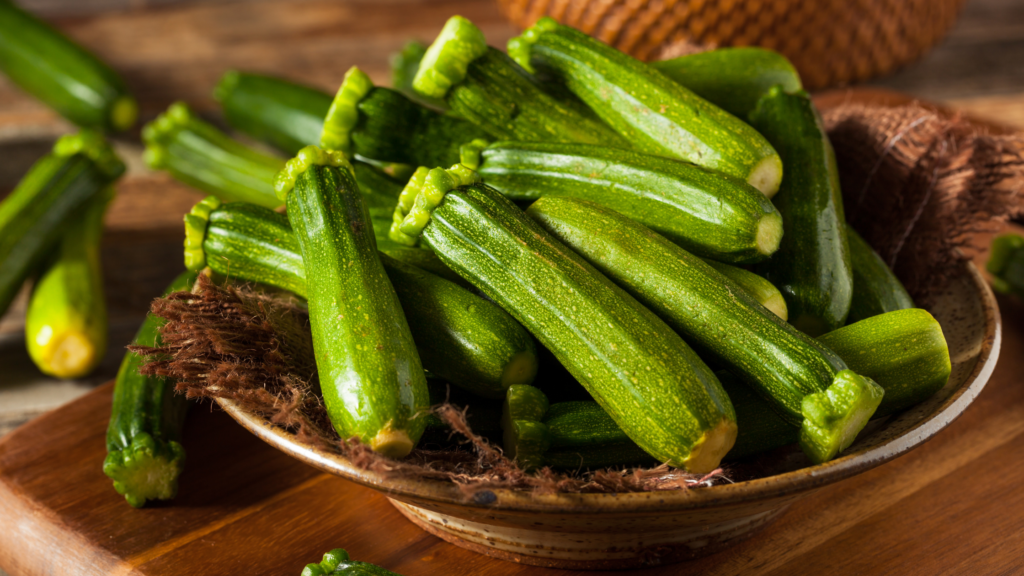
Zucchini
Zucchini, scientifically known as Cucurbita pepo, is a versatile and nutritious vegetable celebrated in cuisines worldwide. Its mild flavor and tender texture make it a popular ingredient in various dishes, from salads to stir-fries and even baked goods. Beyond its culinary charm, zucchini boasts an array of health benefits, making it a staple in many diets. History Zucchini traces its origins back to the Americas, where it was domesticated thousands of years ago. The cultivation of zucchini spread to Europe in the late 15th century, following the voyages of Christopher Columbus. ...
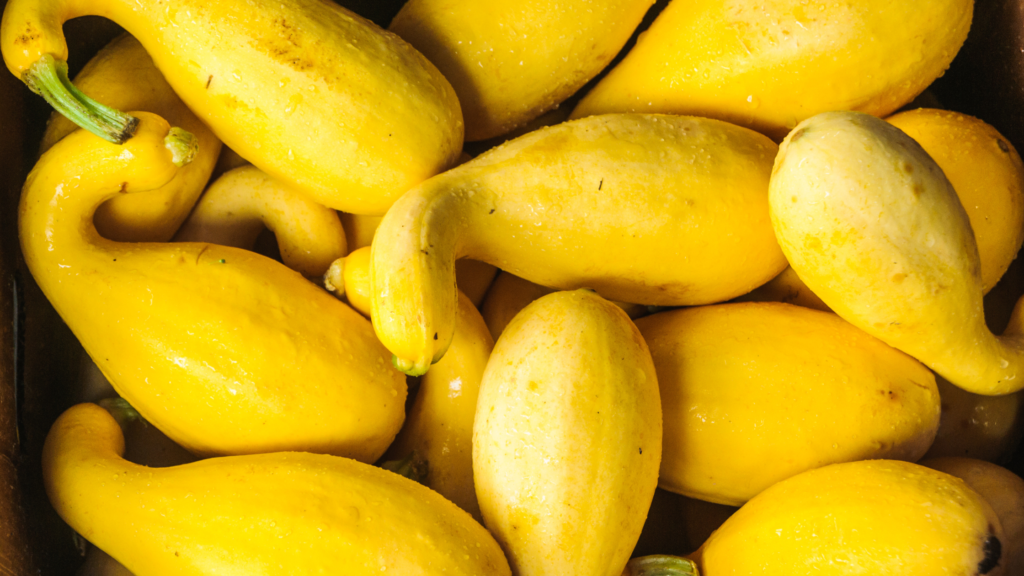
Yellow Squash
Yellow squash, with its vibrant hue and delicate flavor, has long adorned dinner plates and found its way into culinary creations around the world. This humble vegetable, botanically known as Cucurbita pepo, belongs to the gourd family and boasts an array of health benefits. From its rich history to its modern-day applications, yellow squash continues to captivate both chefs and health enthusiasts alike. History The cultivation of yellow squash dates back thousands of years, with its origins traced to Mesoamerica. Ancient civilizations such as the Maya and Aztecs revered squash for its...

Yellow Peas
Yellow peas, often overlooked in the realm of superfoods, are in fact a powerhouse of nutrition and health benefits. These humble legumes, botanically known as Pisum sativum, have been a staple in diets across cultures for centuries. From their rich history to their modern applications, yellow peas offer a plethora of health advantages that deserve recognition and inclusion in our daily meals.Yellow peas have a long and esteemed history, dating back thousands of years. Originating in the Mediterranean region, they were one of the earliest crops cultivated by humans. Archaeological...

Yams
Yam, often referred to as the “starchy tuber,” is a versatile root vegetable cherished for its culinary diversity and remarkable health benefits. Belonging to the Dioscoreaceae family, yams have been cultivated and consumed for centuries across various cultures globally. Beyond its culinary appeal, yam boasts a plethora of nutrients and bioactive compounds that contribute to its medicinal properties.The history of yams traces back thousands of years, with evidence of cultivation dating back to ancient times in regions like Africa, Asia, and the Americas. African countries,...

White Potato
White potatoes, scientifically known as Solanum tuberosum, are one of the world’s most widely consumed vegetables. With their origins tracing back to South America, these starchy tubers have gained popularity globally, becoming a staple in various cuisines due to their versatility, taste, and nutritional value. Beyond their culinary uses, white potatoes also boast several health benefits and applications in traditional medicine systems.White potatoes have a rich history dating back thousands of years. Indigenous to the Andes Mountains in South America, they were first domesticated...
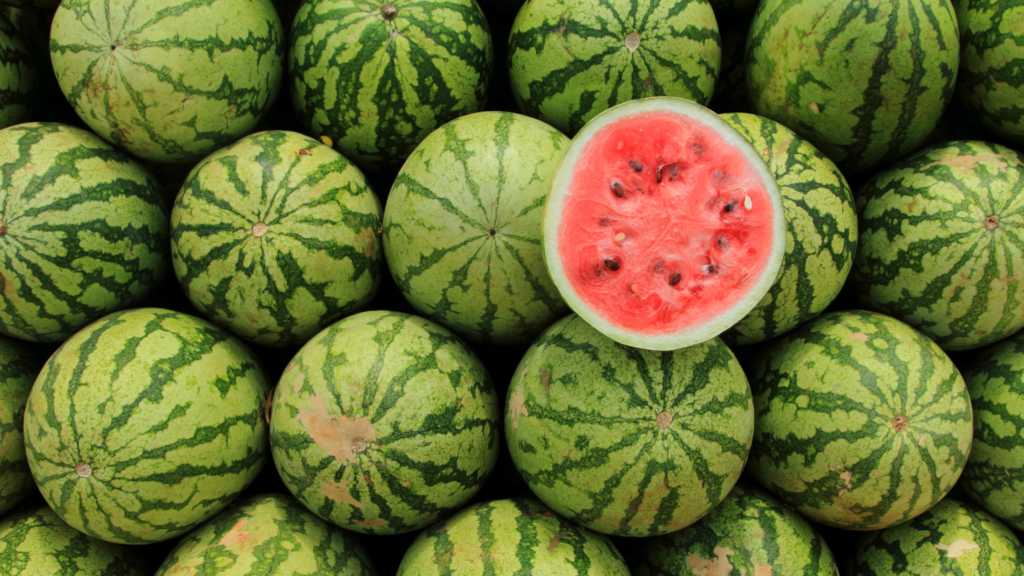
Watermelon
Watermelon, a refreshing and succulent fruit enjoyed by millions around the globe, isn’t just a summertime treat; it’s a nutritional powerhouse with a rich history and a plethora of health benefits. From its humble beginnings to its widespread cultivation today, watermelon has secured its place as a beloved fruit worldwide. History Believed to have originated in southern Africa, watermelon has a history dating back thousands of years. It was cultivated by ancient civilizations along the Nile River and later spread across the Mediterranean region by way of trade routes. The...

Watercress
In the realm of greens, few possess the nutritional prowess and historical significance as watercress. This aquatic plant, known scientifically as Nasturtium officinale, has adorned plates and potions for centuries, celebrated not only for its refreshing flavor but also for its plethora of health benefits. From ancient civilizations to modern dietary regimens, watercress has maintained its status as a nutritional powerhouse, offering a wide array of vitamins, minerals, and medicinal properties. History Watercress boasts a rich history that dates back thousands of years. Ancient Greeks and...
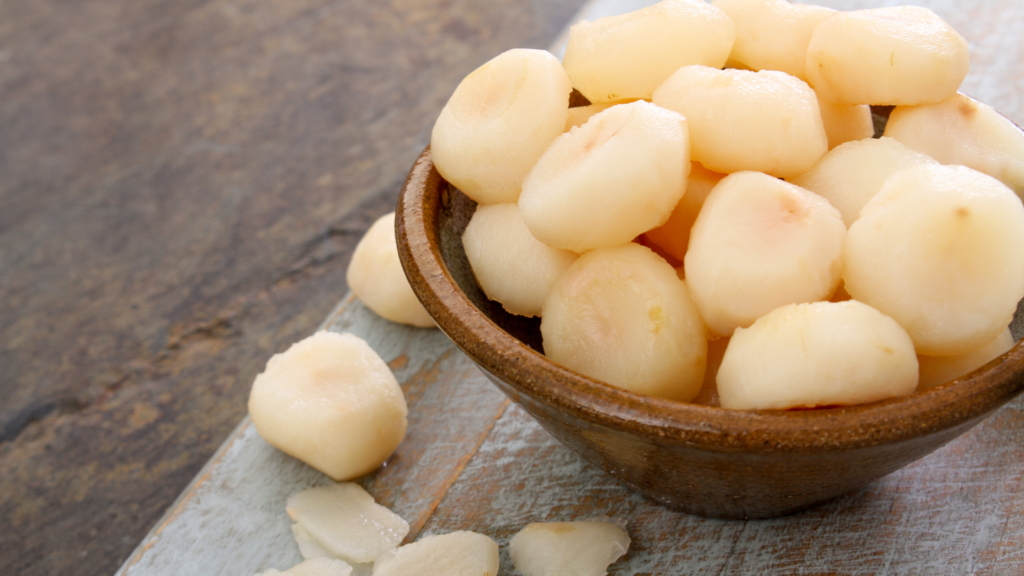
Water Chestnuts
In the realm of culinary delights, water chestnuts stand out as a unique and versatile ingredient, renowned for their crisp texture and subtle sweetness. While often mistaken for nuts, these aquatic gems are actually corms (edible bulbs), belonging to the species Eleocharis dulcis. With a rich history steeped in Asian cuisine and a growing popularity worldwide, water chestnuts offer not only culinary delight but also a plethora of health benefits. History Originating in Southeast Asia, water chestnuts have been cultivated for centuries, particularly in China, India, and parts of Southeast...

Wakame
Wakame, a type of edible seaweed, has long been a staple in East Asian cuisine, known for its mild flavor, delicate texture, and impressive nutritional profile. Its significance extends beyond the culinary world, offering a variety of health benefits that have been recognized for centuries. This seaweed, scientifically known as Undaria pinnatifida, has earned its place not only in traditional diets but also in modern wellness circles. In this article, we will explore the history, health benefits, contraindications, usage, and the integration of wakame into both Eastern and Western...
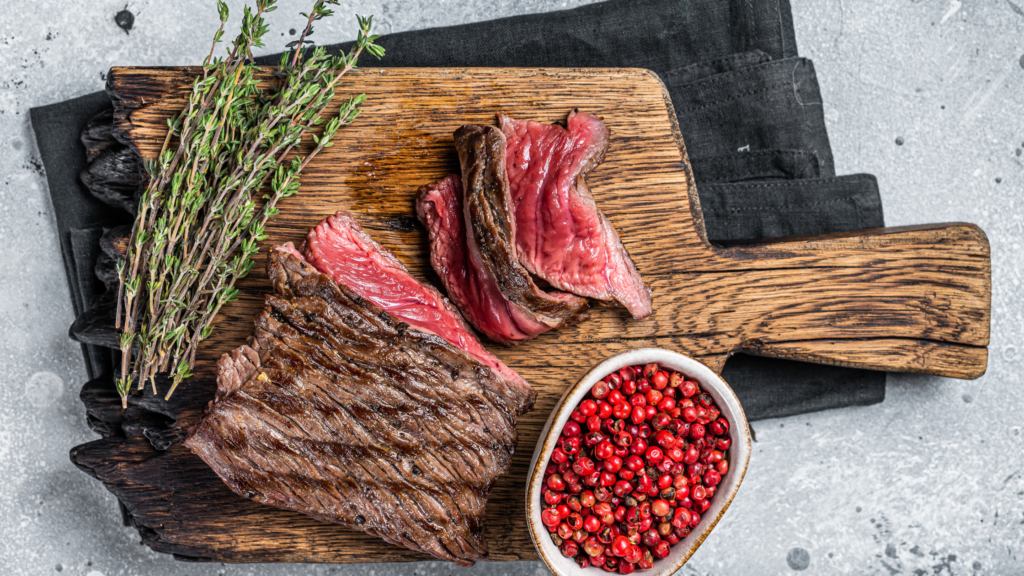
Venison
Venison, the meat derived from deer, has been a staple in human diets for centuries, celebrated for its unique flavor, lean composition, and numerous health benefits. Historically, venison was a prized source of sustenance for various cultures, particularly among indigenous peoples and in regions where deer were abundant. Its rich taste and tender texture make it a sought-after ingredient in gourmet cuisine, often featured in upscale restaurants and culinary events. Nutritionally, venison is recognized for being low in fat and calories while being high in protein, iron, and B vitamins,...
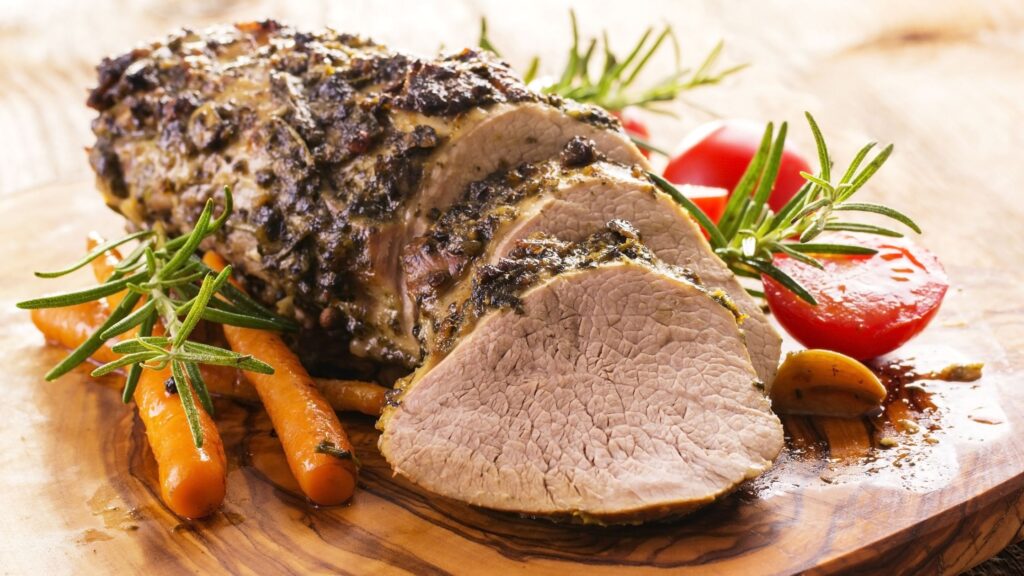
Veal
Veal meat, prized for its tenderness and delicate flavor, holds a significant place in culinary traditions across the globe. Derived from young calves, veal has a distinct taste and texture compared to beef, making it a versatile ingredient in various cuisines. Beyond its gastronomic appeal, veal meat also boasts several nutritional benefits, albeit with considerations for health implications and ethical concerns. History The consumption of veal dates back centuries, with historical evidence tracing its origins to ancient Rome and Greece. In these civilizations, veal was considered a...

Turnip
Turnips, often overlooked in the realm of vegetables, possess a rich history and a plethora of health benefits that warrant closer attention. With a distinct flavor profile and versatile culinary applications, turnips have earned their place as a staple in cuisines across the globe. Beyond their culinary uses, turnips boast a range of medicinal properties, making them a valuable addition to any diet. History Believed to have originated in Central Asia, turnips have been cultivated for thousands of years, with evidence of their consumption dating back to ancient civilizations such as the...
Medical Disclaimer
The information provided in this document is intended for educational and informational purposes only and should not be construed as medical advice, diagnosis, or treatment. It is essential to consult a qualified healthcare professional for any medical concerns or conditions. The content herein does not substitute for professional medical advice, and individuals should not disregard or delay seeking medical advice based on the information provided.
The authors and publishers of this document do not assume any responsibility for any adverse effects or consequences resulting from the use or application of the information contained herein. The reader is encouraged to conduct their own research and consult with healthcare providers to make informed decisions regarding their health and treatment options. Furthermore, the information presented may not reflect the most current research or medical guidelines, as medical knowledge is continually evolving. Therefore, it is imperative to verify the information with up-to-date, peer-reviewed sources and consult with medical professionals for personalized advice.