
MSG: A Flavor Enhancer with Potential Health Consequences
Monosodium glutamate (MSG) is a widely used flavor enhancer derived from glutamic acid, an amino acid naturally present in many foods. It is commonly found in processed foods, snacks, and restaurant dishes, contributing to umami flavor, which is often described as savory or meaty. MSG enhances the taste of food by stimulating the glutamate receptors on the tongue, making it a popular additive in culinary practices worldwide. Despite its popularity, MSG has been the subject of controversy regarding its potential health effects, with some individuals reporting adverse reactions after consumption.
The Food and Drug Administration (FDA) has classified MSG as “generally recognized as safe” (GRAS) when consumed in moderation; however, concerns persist regarding its long-term health implications, particularly in vulnerable populations and with excessive intake (Gelen, 2023; Kazmi et al., 2017). Research continues to explore the biochemical mechanisms through which MSG may affect human health, prompting calls for more comprehensive studies to clarify its safety profile and potential risks associated with chronic consumption. As dietary habits evolve and processed foods become increasingly prevalent, understanding the implications of MSG consumption remains a critical area of inquiry for public health.
Symptoms and Adverse Effects
Research indicates that high doses of MSG can lead to various adverse health effects. Studies have linked MSG consumption to symptoms such as headaches, sweating, muscle pain, nausea, facial pressure, and allergic reactions, collectively referred to as “MSG symptom complex” (Burnett et al., 2013). Furthermore, chronic consumption may contribute to obesity, diabetes, and cardiovascular diseases (Sheriff, 2023).
Metabolic Disturbances: Diabetes, Obesity, and Cardiovascular
MSG has been implicated in various metabolic disturbances, particularly concerning obesity and insulin resistance. Research indicates that MSG can alter metabolic pathways, leading to increased adiposity and impaired glucose metabolism (Savcheniuk et al., 2014; Sheriff, 2023). Animal studies have shown that MSG consumption results in significant weight gain and fat accumulation, particularly visceral fat, which is closely associated with metabolic disorders. For example, Román-Ramos et al. (2011) demonstrated that neonatal exposure to MSG resulted in chronic inflammation and increased expression of peroxisome proliferator-activated receptors, which play a critical role in fat metabolism and insulin sensitivity, thereby promoting obesity in adulthood.
Further supporting this relationship, Nawa et al. (2011) found that MSG-treated mice exhibited hyperglycemia and hyperinsulinemia, indicating a predisposition to insulin resistance and type 2 diabetes, despite no significant differences in food intake compared to control groups. This suggests that MSG may alter metabolic pathways independent of caloric intake, leading to obesity.

The relationship between MSG and diabetes is further evidenced by studies showing glucose intolerance and impaired insulin secretion in MSG-treated animal models. For instance, Andreazzi et al. (2011) reported that MSG administration leads to elevated insulin levels and disrupted glucose homeostasis, contributing to the development of prediabetic states. Additionally, Silva et al. (2023) highlighted that MSG-induced obesity in rats was characterized by dyslipidemia and insulin resistance, underscoring the compound’s potential role in exacerbating metabolic syndrome.
These metabolic changes are particularly concerning given the rising prevalence of obesity and related metabolic disorders globally, emphasizing the need for further research into the long-term health implications of MSG consumption.
The Cardiovascular implications of consuming MSG are significant, as the accumulation of visceral fat and insulin resistance are known risk factors for cardiovascular diseases. Research indicates that the distribution of fat, particularly visceral fat, is more closely linked to cardiovascular risk than overall body weight (Pastore et al., 2010). In MSG-treated rats, increased levels of inflammatory markers and alterations in lipid profiles have been observed, suggesting a heightened risk of hypertension and other cardiovascular complications (Bellinati et al., 2010). The inflammatory response associated with MSG consumption may also contribute to endothelial dysfunction, further exacerbating cardiovascular risks (Maluly et al., 2013).
Evidence suggests that MSG consumption is associated with obesity, diabetes, and cardiovascular diseases through mechanisms involving metabolic dysregulation, inflammation, and alterations in fat distribution. Continued research is essential to fully elucidate these relationships and their implications for public health.
DNA Damage
The genotoxic effects of MSG have been documented, with studies revealing that it can induce DNA damage in various tissues. Aghaei et al. highlighted the mechanisms through which MSG can lead to DNA damage and the body’s repair responses (Aghaei et al., 2021). Other studies have confirmed that MSG exposure increases oxidative stress markers and disrupts cellular integrity, leading to significant DNA damage (Mohamed, 2023; Salem et al., 2020). This raises concerns about the long-term implications of MSG consumption on genetic stability and cancer risk.

Neurological Effects
MSG’s neurotoxic potential is particularly concerning. Animal studies have demonstrated that MSG can induce neuronal degeneration, particularly in the hypothalamus, which regulates appetite and energy balance (Savcheniuk et al., 2014; Hassaan et al., 2019). The excitotoxicity of glutamate, when present in excess, can lead to neuronal cell death through mechanisms involving oxidative stress and inflammation (Hashem et al., 2011; AL-Sharkawy et al., 2017). Additionally, research has shown that MSG exposure during critical developmental periods can result in long-lasting neurological deficits, including impaired motor coordination and cognitive functions (Biney et al., 2021; Ibiyeye, 2023).
Reproductive Development Concerns

The impact of MSG on reproductive health has also been a focus of research. Studies have demonstrated that MSG can adversely affect reproductive hormones and histology in animal models, leading to fertility issues (Abdulghani et al., 2022; Kayode et al., 2020). For instance, Abdulghani et al. found that MSG exposure altered serum sex hormone levels and uterine structure in female rats, suggesting potential implications for reproductive health (Abdulghani et al., 2022).Additionally, in utero exposure to MSG has been linked to developmental abnormalities in offspring, further underscoring the need for caution regarding MSG consumption during pregnancy (Biney et al., 2021; Kayode et al., 2020).
Furthermore, Gabr (2024) reported that prolonged MSG administration resulted in significant decreases in key reproductive hormones such as Kisspeptin, GnRH, FSH, LH, and testosterone in male rats, indicating a direct impact on reproductive function. The cumulative evidence suggests that MSG may disrupt endocrine signaling pathways, potentially leading to long-term reproductive health challenges in both males and females.
Regulatory and Marketing Perspectives
Despite the potential health risks associated with MSG, regulatory bodies like the FDA continue to classify it as safe for consumption within established limits. This regulatory stance is based on the premise that typical dietary intake does not pose significant health risks (Gelen, 2023; Kazmi et al., 2017). However, the marketing of MSG-laden products often downplays these concerns, contributing to widespread consumption.
In recent years, the term “natural flavors” has increasingly been used in the food industry as a marketing strategy to replace monosodium glutamate (MSG) and other synthetic flavor enhancers. This shift is largely driven by consumer preferences for products perceived as healthier and more natural. The Food and Drug Administration (FDA) defines “natural flavors” as substances extracted from plant or animal sources that contribute flavor to food products, which can include a wide range of flavoring agents, including those that may contain glutamate (Maluly et al., 2017). The use of this term allows manufacturers to appeal to health-conscious consumers who may be wary of artificial additives, despite the fact that “natural flavors” can sometimes include processed ingredients that may not significantly differ from synthetic additives in terms of their chemical structure or effects on health (Gottardo et al., 2022). Public awareness campaigns and consumer education are essential to inform individuals about the potential risks associated with excessive MSG intake.
Conclusion
In conclusion, while MSG is a popular flavor enhancer with a long history of use, emerging evidence suggests that excessive consumption may pose significant health risks, including neurological damage, DNA damage, metabolic disturbances, and reproductive health concerns. Regulatory agencies must continue to evaluate the safety of MSG in light of new research findings, and consumers should be informed about the potential health implications of MSG consumption. Further studies are warranted to fully understand the long-term effects of MSG on human health.
References
- Abdulghani, Mahfoudh, et al. (2022). “Effect of monosodium glutamate on serum sex hormones and uterine histology in female rats along with its molecular docking and in-silico toxicity”. Heliyon, vol. 8, no. 10, 2022, p. e10967. https://doi.org/10.1016/j.heliyon.2022.e10967
- AL-Sharkawy, Alaa N., et al. (2017). “Pathological study on the effect of some food additives in male albino rats”. Benha Veterinary Medical Journal, vol. 33, no. 2, 2017, p. 75-87. https://doi.org/10.21608/bvmj.2017.29996
- Aghaei, Novin, et al. (2021). “Investigating DNA damage mechanism induced by monosodium glutamate and associated DNA repair cell machinery: a literature review”. Undergraduate Research in Natural and Clinical Science and Technology (URNCST) Journal, vol. 5, no. 8, 2021, p. 1-7. https://doi.org/10.26685/urncst.279
- Andreazzi, Ana E., et al. (2011). “Impaired sympathoadrenal axis function contributes to enhanced insulin secretion in prediabetic obese rats”. Experimental Diabetes Research, vol. 2011, 2011, p. 1-11. https://doi.org/10.1155/2011/947917
- Bellinati, Natália V., et al. (2010). “Cox-2 inhibition attenuates cardiovascular and inflammatory aspects in monosodium glutamate-induced obese rats”. Life Sciences, vol. 87, no. 11-12, 2010, p. 375-381. https://doi.org/10.1016/j.lfs.2010.07.014
- Biney, Robert P., et al. (2021). “Effects of in utero exposure to monosodium glutamate on locomotion, anxiety, depression, memory and kcc2 expression in offspring”. International Journal of Developmental Neuroscience, vol. 82, no. 1, 2021, p. 50-62. https://doi.org/10.1002/jdn.10158
- Burnett, Christina L., et al. (2013), “Safety assessment of α-amino acids as used in cosmetics”. International Journal of Toxicology, vol. 32, no. 6_suppl, 2013, p. 41S-64S. https://doi.org/10.1177/1091581813507090
- Gabr, Nehal M., et al. (2024). “Study the effect of vitamin d on monosodium glutamate induced testicular and ovarian toxicity in pubertal male and female albino rats”. International Journal of Advanced Research in Medicine, vol. 6, no. 2, 2024, p. 12-24. https://doi.org/10.22271/27069567.2024.v6.i2a.548
- Urcar Gelen, Sevda, et al. (2023). “The investigation of the effects of monosodium glutamate on healthy rats and rats with stz‐induced diabetes”. Journal of Biochemical and Molecular Toxicology, vol. 38, no. 1, 2023. https://doi.org/10.1002/jbt.23612
- Gottardo, R., et al. (2022). “Use of monosodium glutamate in foods: the good, the bad, and the controversial side.” Abcs Health Sciences, vol. 5, no. 1, 2022, pp. 1-10. https://doi:10.7322/abcshs.2020155.1609.
- Hashem, Hala E., et al. (2011). “The effect of monosodium glutamate on the cerebellar cortex of male albino rats and the protective role of vitamin c (Histological and Immunohistochemical Study)”. Journal of Molecular Histology, vol. 43, no. 2, 2011, p. 179-186. https://doi.org/10.1007/s10735-011-9380-0
- Hassaan, Passainte S., et al. (2019). “Cortical tau burden and behavioural dysfunctions in mice exposed to monosodium glutamate in early life”. Plos One, vol. 14, no. 8, 2019, p. e0220720. https://doi.org/10.1371/journal.pone.0220720
- Ibiyeye, Ruqayyah, et al. (2023). “Phoenix dactylifera and polyphenols ameliorated monosodium glutamate toxicity in the dentate gyrus of wistar rats”. Nigerian Journal of Physiological Sciences, vol. 38, no. 1, 2023, p. 73-78. https://doi.org/10.54548/njps.v38i1.11
- Kayode, Omowumi T., et al. (2020). “Monosodium glutamate (msg)-induced male reproductive dysfunction: a mini review”. Toxics, vol. 8, no. 1, 2020, p. 7. https://doi.org/10.3390/toxics8010007
- Kazmi, Zehra, et al. (2023).”Monosodium glutamate: review on clinical reports”. International Journal of Food Properties, 2017, p. 1-9. https://doi.org/10.1080/10942912.2017.1295260
- Maluly, H. M., et al. (2017). “Monosodium glutamate as a tool to reduce sodium in foodstuffs: Technological and safety aspects.” *Food Science & Nutrition*, vol. 5, no. 1, 2017, pp. 1-10. https://doi:10.1002/fsn3.499.
- Maluly, Hellen D., et al. (2013). “Evaluation of biochemical, hematological and histological parameters in non-diabetic and diabetic wistar rats fed with monosodium glutamate”. Food and Nutrition Sciences, vol. 04, no. 01, 2013, p. 66-76. https://doi.org/10.4236/fns.2013.41010
- Mohamed, Mona, et al. (2023). “Protective and/or therapeutic effects of curcumin nanoparticles on monosodium glutamate induced cardiotoxicity in male albino rats”. Egyptian Academic Journal of Biological Sciences, B. Zoology, vol. 15, no. 2, 2023, p. 139-159. https://doi.org/10.21608/eajbsz.2023.330596
- Nawa, Ayaka, et al. (2011). “Altered intestinal p-glycoprotein expression levels in a monosodium glutamate-induced obese mouse model”. Life Sciences, vol. 89, no. 23-24, 2011, p. 834-838. https://doi.org/10.1016/j.lfs.2011.08.019
- Pastore, Affonso C., et al. (2010). “Efeito da associação entre obesidade neuroendócrina e exócrina experimental sobre a pressão arterial de cauda e o metabolismo de glicose de ratos wistar”. Jornal Brasileiro De Nefrologia, vol. 32, no. 2, 2010, p. 195-200. https://doi.org/10.1590/s0101-28002010000200008
- Román-Ramos, Rubén, et al. (2011). “Monosodium glutamate neonatal intoxication associated with obesity in adult stage is characterized by chronic inflammation and increased mrna expression of peroxisome proliferator-activated receptors in mice”. Basic &Amp; Clinical Pharmacology &Amp; Toxicology, vol. 108, no. 6, 2011, p. 406-413. https://doi.org/10.1111/j.1742-7843.2011.00671.x
- Salem, Noha I., et al. (2020). “Measurement of dna damage, oxidative stress, and gene expression of β-catenin and p53 genes in liver and brain of male mice receiving monosodium l-glutamate monohydrate”. Asian Journal of Pharmaceutical and Clinical Research, 2020, p. 127-132. https://doi.org/10.22159/ajpcr.2020.v13i7.36019
- Savcheniuk, Oleksandr, et al. (2014). “Short-term periodic consumption of multiprobiotic from childhood improves insulin sensitivity, prevents development of non-alcoholic fatty liver disease and adiposity in adult rats with glutamate-induced obesity”. BMC Complementary and Alternative Medicine, vol. 14, no. 1, 2014. https://doi.org/10.1186/1472-6882-14-247
- Sheriff, M. (2023). A study on the awareness and perceptions regarding monosodium glutamate and its potential health effects amongst the urban population of Saudi Arabia. Cureus. https://doi.org/10.7759/cureus.51094
- Silva, Marcelo F., et al. (2023). “The m1-muscarinic acetylcholine receptor subtype may play a role in learning and memory performance in the hippocampus of neonatal monosodium glutamate-obese rats”. Behavioural Pharmacology, vol. 34, no. 5, 2023, p. 251-262. https://doi.org/10.1097/fbp.0000000000000732
More Articles You May Like

Zucchini
Zucchini, scientifically known as Cucurbita pepo, is a versatile and nutritious vegetable celebrated in cuisines worldwide. Its mild flavor and tender texture make it a popular ingredient in various dishes, from salads to stir-fries and even baked goods. Beyond its culinary charm, zucchini boasts an array of health benefits, making it a staple in many diets. History Zucchini traces its origins back to the Americas, where it was domesticated thousands of years ago. The cultivation of zucchini spread to Europe in the late 15th century, following the voyages of Christopher Columbus. ...

Yellow Squash
Yellow squash, with its vibrant hue and delicate flavor, has long adorned dinner plates and found its way into culinary creations around the world. This humble vegetable, botanically known as Cucurbita pepo, belongs to the gourd family and boasts an array of health benefits. From its rich history to its modern-day applications, yellow squash continues to captivate both chefs and health enthusiasts alike. History The cultivation of yellow squash dates back thousands of years, with its origins traced to Mesoamerica. Ancient civilizations such as the Maya and Aztecs revered squash for its...

Yellow Peas
Yellow peas, often overlooked in the realm of superfoods, are in fact a powerhouse of nutrition and health benefits. These humble legumes, botanically known as Pisum sativum, have been a staple in diets across cultures for centuries. From their rich history to their modern applications, yellow peas offer a plethora of health advantages that deserve recognition and inclusion in our daily meals.Yellow peas have a long and esteemed history, dating back thousands of years. Originating in the Mediterranean region, they were one of the earliest crops cultivated by humans. Archaeological...

Yams
Yam, often referred to as the “starchy tuber,” is a versatile root vegetable cherished for its culinary diversity and remarkable health benefits. Belonging to the Dioscoreaceae family, yams have been cultivated and consumed for centuries across various cultures globally. Beyond its culinary appeal, yam boasts a plethora of nutrients and bioactive compounds that contribute to its medicinal properties.The history of yams traces back thousands of years, with evidence of cultivation dating back to ancient times in regions like Africa, Asia, and the Americas. African countries,...

White Potato
White potatoes, scientifically known as Solanum tuberosum, are one of the world’s most widely consumed vegetables. With their origins tracing back to South America, these starchy tubers have gained popularity globally, becoming a staple in various cuisines due to their versatility, taste, and nutritional value. Beyond their culinary uses, white potatoes also boast several health benefits and applications in traditional medicine systems.White potatoes have a rich history dating back thousands of years. Indigenous to the Andes Mountains in South America, they were first domesticated...
Watermelon
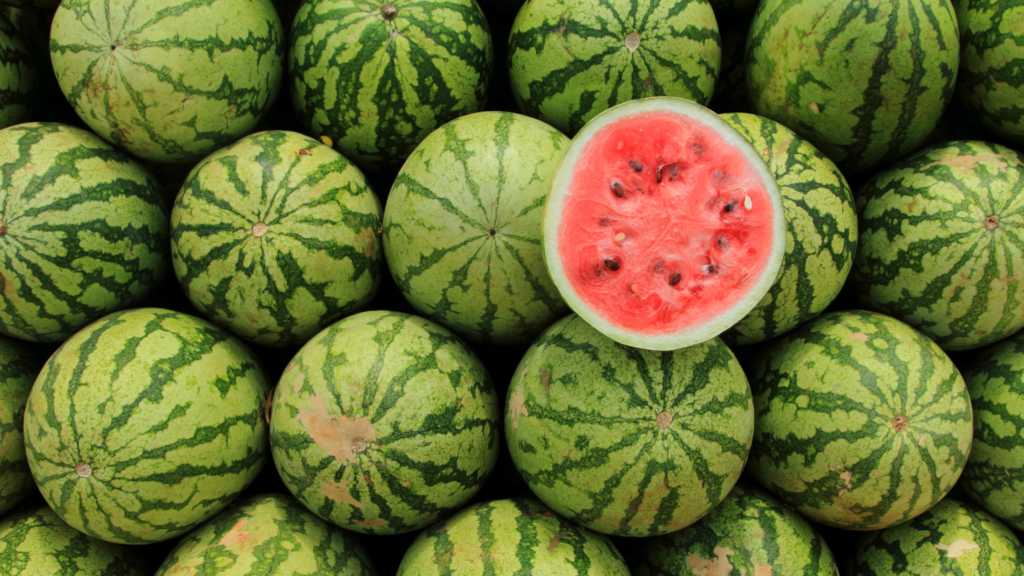
Watermelon, a refreshing and succulent fruit enjoyed by millions around the globe, isn’t just a summertime treat; it’s a nutritional powerhouse with a rich history and a plethora of health benefits. From its humble beginnings to its widespread cultivation today, watermelon has secured its place as a beloved fruit worldwide. History Believed to have originated in southern Africa, watermelon has a history dating back thousands of years. It was cultivated by ancient civilizations along the Nile River and later spread across the Mediterranean region by way of trade routes. The...

Watercress
In the realm of greens, few possess the nutritional prowess and historical significance as watercress. This aquatic plant, known scientifically as Nasturtium officinale, has adorned plates and potions for centuries, celebrated not only for its refreshing flavor but also for its plethora of health benefits. From ancient civilizations to modern dietary regimens, watercress has maintained its status as a nutritional powerhouse, offering a wide array of vitamins, minerals, and medicinal properties. History Watercress boasts a rich history that dates back thousands of years. Ancient Greeks and...

Water Chestnuts
In the realm of culinary delights, water chestnuts stand out as a unique and versatile ingredient, renowned for their crisp texture and subtle sweetness. While often mistaken for nuts, these aquatic gems are actually corms (edible bulbs), belonging to the species Eleocharis dulcis. With a rich history steeped in Asian cuisine and a growing popularity worldwide, water chestnuts offer not only culinary delight but also a plethora of health benefits. History Originating in Southeast Asia, water chestnuts have been cultivated for centuries, particularly in China, India, and parts of Southeast...

Wakame
Wakame, a type of edible seaweed, has long been a staple in East Asian cuisine, known for its mild flavor, delicate texture, and impressive nutritional profile. Its significance extends beyond the culinary world, offering a variety of health benefits that have been recognized for centuries. This seaweed, scientifically known as Undaria pinnatifida, has earned its place not only in traditional diets but also in modern wellness circles. In this article, we will explore the history, health benefits, contraindications, usage, and the integration of wakame into both Eastern and Western...
Venison
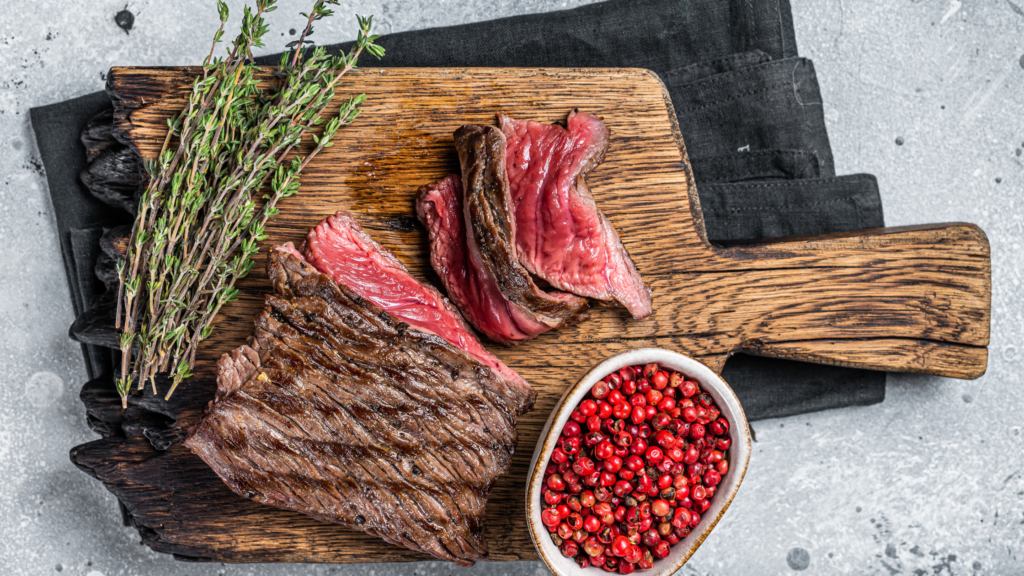
Venison, the meat derived from deer, has been a staple in human diets for centuries, celebrated for its unique flavor, lean composition, and numerous health benefits. Historically, venison was a prized source of sustenance for various cultures, particularly among indigenous peoples and in regions where deer were abundant. Its rich taste and tender texture make it a sought-after ingredient in gourmet cuisine, often featured in upscale restaurants and culinary events. Nutritionally, venison is recognized for being low in fat and calories while being high in protein, iron, and B vitamins,...

Veal
Veal meat, prized for its tenderness and delicate flavor, holds a significant place in culinary traditions across the globe. Derived from young calves, veal has a distinct taste and texture compared to beef, making it a versatile ingredient in various cuisines. Beyond its gastronomic appeal, veal meat also boasts several nutritional benefits, albeit with considerations for health implications and ethical concerns. History The consumption of veal dates back centuries, with historical evidence tracing its origins to ancient Rome and Greece. In these civilizations, veal was considered a...

Turnip
Turnips, often overlooked in the realm of vegetables, possess a rich history and a plethora of health benefits that warrant closer attention. With a distinct flavor profile and versatile culinary applications, turnips have earned their place as a staple in cuisines across the globe. Beyond their culinary uses, turnips boast a range of medicinal properties, making them a valuable addition to any diet. History Believed to have originated in Central Asia, turnips have been cultivated for thousands of years, with evidence of their consumption dating back to ancient civilizations such as the...
Medical Disclaimer
The information provided in this document is intended for educational and informational purposes only and should not be construed as medical advice, diagnosis, or treatment. It is essential to consult a qualified healthcare professional for any medical concerns or conditions. The content herein does not substitute for professional medical advice, and individuals should not disregard or delay seeking medical advice based on the information provided.
The authors and publishers of this document do not assume any responsibility for any adverse effects or consequences resulting from the use or application of the information contained herein. The reader is encouraged to conduct their own research and consult with healthcare providers to make informed decisions regarding their health and treatment options. Furthermore, the information presented may not reflect the most current research or medical guidelines, as medical knowledge is continually evolving. Therefore, it is imperative to verify the information with up-to-date, peer-reviewed sources and consult with medical professionals for personalized advice.