
Pork: A Comprehensive Guide to Its History, Health Benefits, and Usage
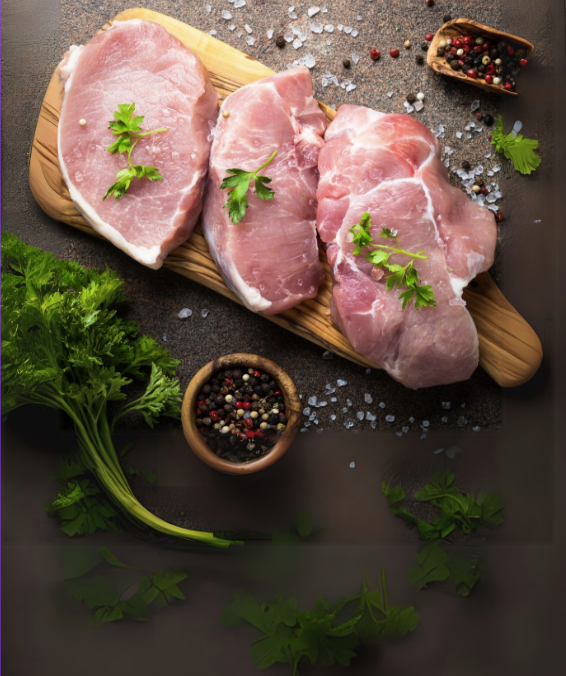
Pork, derived from domestic pigs, has been a staple food in many cultures for centuries. It offers a versatile option for culinary endeavors and holds a significant place in various cuisines worldwide. Beyond its culinary appeal, pork boasts a range of nutrients and health benefits.
History
The consumption of pork dates back thousands of years, with evidence suggesting that pigs were domesticated as early as 13,000 years ago in what is now Turkey and China. Ancient civilizations, including the Greeks, Romans, and Chinese, utilized pork as a vital food source. In many cultures, pigs were revered and considered symbols of fertility and prosperity. Over time, pork became a cornerstone of culinary traditions across continents, influencing dishes ranging from European sausages to Asian char siu.
Health Benefits
Pork is a nutrient-dense food that provides a wealth of essential nutrients, including high-quality protein, vitamins, and minerals. The protein found in pork is vital for building and repairing tissues, making it an excellent source for muscle growth and maintenance. Additionally, pork is rich in B vitamins, such as B12, thiamine, and niacin, which play crucial roles in energy metabolism and nervous system function. The minerals present in pork, including iron and zinc, are important for immune function and overall health. Lean cuts of pork, when included in a balanced diet, can contribute to heart health due to their relatively low saturated fat content. Furthermore, the amino acids in pork support muscle health, while nutrients like zinc and selenium enhance immune function, making pork a valuable addition to a nutritious diet.
Best Preparation Methods
Pork is a versatile ingredient that plays a crucial role in various culinary traditions around the world. In Western cuisine, it is often prepared through methods such as roasting, grilling, and curing, resulting in beloved products like ham, bacon, and sausages. In Eastern cuisines, particularly in Chinese, Japanese, and Korean culinary practices, pork is featured in a wide range of dishes, including dumplings, stir-fries, and barbecue preparations like char siu. The preparation of pork can also be enhanced through the use of marinades and spices, which not only improve flavor but also contribute to the meat’s tenderness and juiciness.


Precautions and Possible Side Effects
While pork is associated with numerous health benefits, certain individuals may need to limit or avoid its consumption due to specific dietary restrictions or health conditions. For instance, those adhering to religious dietary laws, such as kosher or halal, abstain from eating pork. Furthermore, individuals with pork allergies or sensitivities should avoid it to prevent adverse reactions. Although pork itself is generally safe to eat, some processed pork products may contain additives and preservatives that could pose health risks if consumed in excess. Additionally, improper handling or cross-contamination of pork products can lead to foodborne illnesses, such as salmonella or trichinosis. Therefore, it is crucial to cook pork thoroughly to minimize the risk of such illnesses and ensure safe consumption.
Eastern and Western Nutrition
Pork holds a multifaceted role in both Eastern and Western nutritional paradigms, transcending mere culinary applications to encompass significant health implications, particularly within the framework of Traditional Chinese Medicine (TCM). In TCM, pork is not only a source of protein but is also believed to have specific therapeutic properties that align with the principles of qi (vital energy) and the functioning of the spleen and stomach meridians. The spleen is considered pivotal in TCM for its role in digestion and energy transformation, and pork is thought to strengthen the spleen, thereby enhancing the body’s qi and overall vitality). This belief is supported by various studies that highlight the importance of spleen health in maintaining bodily functions and combating deficiencies.
In the context of TCM, pork is often recommended for individuals exhibiting symptoms of spleen deficiency, which can manifest as fatigue, poor appetite, and digestive issues. The consumption of pork is believed to nourish the body’s essence and improve nutrient absorption, thereby addressing these deficiencies. Furthermore, research indicates that TCM practices, including dietary recommendations involving pork, can effectively complement Western medical treatments by enhancing immune function and alleviating symptoms associated with various conditions, such as myasthenia gravis and chronic hepatitis .
Final Thoughts
Pork is a versatile and nutrient-rich food that has been enjoyed by cultures around the world for millennia. From its humble origins to its widespread culinary applications, pork continues to be a beloved ingredient in various dishes. While moderation and mindful consumption are key, incorporating lean cuts of pork into a balanced diet can provide an array of health benefits and culinary delights.
References
Cheng et al. “Combination Therapy of Traditional Chinese Medicine and Western Medicine to Treat Refractory Polymyositis: A Case Report” The Journal of Alternative and Complementary Medicine (2015) doi:10.1089/acm.2014.0145.
Choudhary, S., Karim, S., Iweala, O., Crispell, G., Sharma, S., Addison, C., … & Commins, S. (2021). Tick salivary gland extract induces alpha‐gal syndrome in alpha‐gal deficient mice. Immunity Inflammation and Disease, 9(3), 984-990. https://doi.org/10.1002/iid3.457
Chung, Y. K., Chen, J., & Ko, K. M. (2016). Spleen function and anxiety in chinese medicine: a western medicine perspective. Chinese Medicine, 07(03), 110-123. https://doi.org/10.4236/cm.2016.73012
Dezfouli, S., Mothes‐Luksch, N., Jensen, A., Untersmayr, E., Kundi, M., & Jensen‐Jarolim, E. (2020). Linking cross-reactivity clusters of food and respiratory allergens in pamd@ to asthma and duration of allergy. World Allergy Organization Journal, 13(12), 100483. https://doi.org/10.1016/j.waojou.2020.100483
Hilger, C., Swiontek, K., Hentges, F., Donnay, C., Blay, F., & Pauli, G. (2009). Occupational inhalant allergy to pork followed by food allergy to pork and chicken: sensitization to hemoglobin and serum albumin. International Archives of Allergy and Immunology, 151(2), 173-178. https://doi.org/10.1159/000236008
Huang, Z., Zhu, H., Lin, R., Wu, L., An, N., Zheng, P., … & Sun, B. (2021). Serum albumin as a cross-reactive component in furry animals may be related to the allergic symptoms of patients with rhinitis. Journal of Asthma and Allergy, Volume 14, 1231-1242. https://doi.org/10.2147/jaa.s334195
Jappe, U., Minge, S., Kreft, B., Ludwig, A., Przybilla, B., Walker, A., … & Homann, A. (2017). Meat allergy associated with galactosyl‐α‐(1,3)‐galactose (α‐gal)—closing diagnostic gaps by anti‐α‐gal ige immune profiling. Allergy, 73(1), 93-105. https://doi.org/10.1111/all.13238
Jiang et al. “Treatment of myasthenia gravis with the method of tonifying spleen and replenishing qi in traditional Chinese medicine” Medicine (2022) doi:10.1097/md.0000000000028530.
Jungewelter, S., Airaksinen, L., & Pesonen, M. (2018). Occupational rhinitis, asthma, and contact urticaria from ige‐mediated allergy to pork. American Journal of Industrial Medicine, 62(1), 80-84. https://doi.org/10.1002/ajim.22921
Kamalakar, R., Chiba, L., Divakala, K., Rodning, S., Welles, E., Bergen, W., … & Nadarajah, N. (2009). Effect of the degree and duration of early dietary amino acid restrictions on subsequent and overall pig performance and physical and sensory characteristics of pork1. Journal of Animal Science, 87(11), 3596-3606. https://doi.org/10.2527/jas.2008-1609
Kim, K., Lee, S., Song, E., Park, J., Lee, J., Byun, M., … & Ahn, D. (2010). Changes in allergenicity of porcine serum albumin by gamma irradiation. Korean Journal for Food Science of Animal Resources, 30(3), 397-402. https://doi.org/10.5851/kosfa.2010.30.3.397
Morisset, M., Richard, C., Astier, C., Jacquenet, S., Croizier, A., Beaudouin, É., … & Kanny, G. (2012). Anaphylaxis to pork kidney is related to ige antibodies specific for galactose‐alpha‐1,3‐galactose. Allergy, 67(5), 699-704. https://doi.org/10.1111/j.1398-9995.2012.02799.x
Murphy, K., Parker, B., Dyer, K., Davis, C., Coates, A., Buckley, J., … & Howe, P. (2014). A comparison of regular consumption of fresh lean pork, beef and chicken on body composition: a randomized cross-over trial. Nutrients, 6(2), 682-696. https://doi.org/10.3390/nu6020682
Myrmel, L., Fauske, K., Fjære, E., Bernhard, A., Liisberg, U., Hasselberg, A., … & Madsen, L. (2019). The impact of different animal-derived protein sources on adiposity and glucose homeostasis during ad libitum feeding and energy restriction in already obese mice. Nutrients, 11(5), 1153. https://doi.org/10.3390/nu11051153
Ornelas, C., Duarte, F., Santos, M., & Barbosa, M. (2018). Multiple food allergy – unexpected culprits. Asia Pacific Allergy, 8(3), e30. https://doi.org/10.5415/apallergy.2018.8.e30
Weston, E. (2023). Immunoglobulin e–mediated food allergies. Nutrition Today, 58(6), 224-236. https://doi.org/10.1097/nt.0000000000000651
Xiang et al. “Traditional Chinese medicine: Pivotal role of the spleen in the metabolism of aristolochic acid I in rats is dependent on oatp2a1” Molecular Medicine Reports (2016) doi:10.3892/mmr.2016.5612.
Zeng et al. “Traditional Chinese medicine invigorating the spleen and kidney promotes HBsAg seroclearance in the mouse model” Journal of Medical Virology (2023) doi:10.1002/jmv.28979.
Zhang et al. “Establishment of a mouse model of cancer cachexia with spleen deficiency syndrome and the effects of atractylenolide I” Acta Pharmacologica Sinica (2019) doi:10.1038/s41401-019-0275-z.
MyFoodData. (n.d.). *Pork nutrition facts and health benefits*. Retrieved January 3, 2025, from https://tools.myfooddata.com/nutrition-facts/167820/wt2/1
More Articles You May Like
The Therapeutic Potential of Herbs and Spices
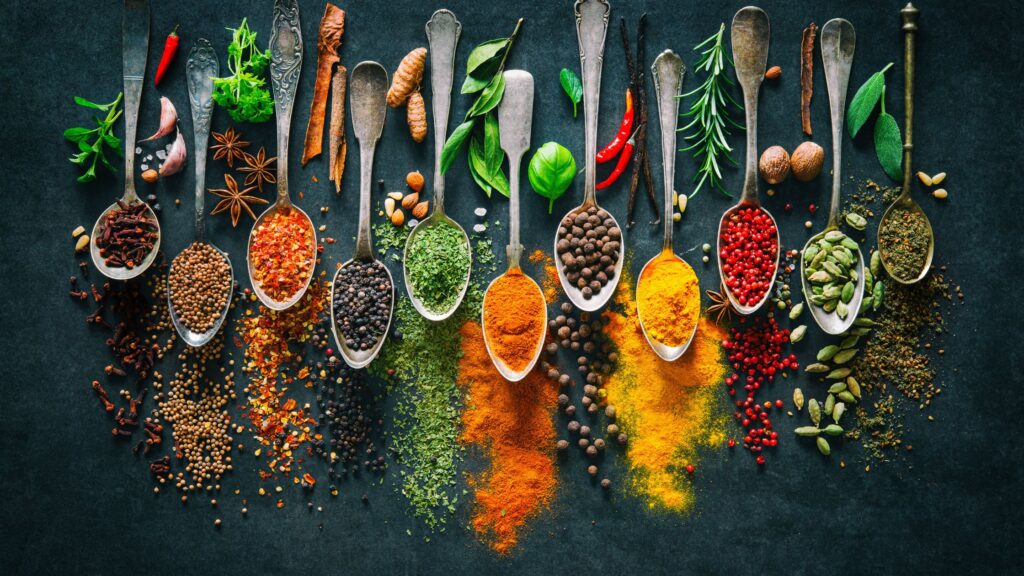
The utilization of herbs and spices in Traditional Chinese Medicine (TCM) and Ayurvedic medicine exemplifies the profound interconnection between culinary practices and health. For centuries, these natural ingredients have been integral to holistic health systems, serving not only as flavor enhancers in diverse cuisines but also as potent therapeutic agents. In TCM, herbs are meticulously selected based on their properties to restore balance and harmony within the body, while Ayurvedic practices emphasize the use of spices to support digestion, enhance vitality, and prevent disease. This...

The Role of Essential Minerals
Minerals are inorganic elements that play a fundamental role in numerous physiological processes essential for human health. Unlike macronutrients such as carbohydrates, proteins, and fats, which provide energy, minerals are crucial for a variety of functions, including structural support, enzymatic reactions, and the regulation of metabolic pathways. The human body requires a range of minerals, categorized into macrominerals (needed in larger amounts) and trace minerals (required in smaller quantities), each serving distinct and vital roles. The significance of these essential minerals...
Recipe Template
Stuffed Acorn Squash A delicious and hearty stuffed acorn squash recipe, perfect for a cozy dinner. This dish combines sweet, savory, and nutty flavors, making it a favorite for fall and winter meals. Print Recipe SCREEN LOCKPrevent your screen from going dark Prep Time 15 minutes minsCook Time 45 minutes mins Course Main CourseCuisine American Servings 4Calories 350 kcal Ingredients 1x2x3xFor the Squash:2 medium acorn squashes (halved and seeds removed)1 tbsp olive oil½ tsp salt¼ tsp black pepperFor the Filling:1 tbsp olive...

Magnesium
Magnesium is an essential mineral that plays a vital role in numerous physiological functions, including energy production, muscle contraction, and nerve transmission. Given its importance, various forms of magnesium supplements are available, each with unique properties, benefits, and absorption characteristics. This article discusses the different types of magnesium, their benefits, natural sources, daily requirements, and a comparative analysis to help individuals choose the most suitable form for their needs. Additionally, we will explore how magnesium is synthesized in laboratories,...

Nicotinamide Adenine Dinucleotide (NAD)
Nicotinamide adenine dinucleotide (NAD) is a crucial coenzyme found in all living cells, playing a vital role in various biological processes, including energy metabolism, DNA repair, and cell signaling. This article will explore the history and description of NAD, the emerging trend of intravenous (IV) NAD therapy, its benefits and precautions, natural sources, the significance of redox reactions in its function, the differences between various NAD supplements, and important considerations for consumers seeking NAD supplementation. History of NAD The discovery of NAD dates back to the...

Test WP 102
Chicken Harvest Dinner A fresh and flavorful farm-to-table dinner featuring locally sourced ingredients to create a wholesome and nourishing meal. This recipe highlights the best of seasonal produce and proteins, perfect for a delicious and satisfying dining experience. Print Recipe SCREEN LOCKPrevent your screen from going dark Prep Time 15 minutes minsCook Time 30 minutes mins Course Main CourseCuisine American Servings 2Calories 578 kcal Ingredients 1x2x3xFor the Main Dish:2 boneless (pasture-raised chicken breasts 450g / 1 lb)1 tbsp 15ml olive oil1 tsp 5g...

Vitamin D and D3
Sources, Functions, and Health Implications Vitamin D is a fat-soluble vitamin that plays a crucial role in various physiological processes, including calcium and phosphorus metabolism, bone health, and immune function. It exists in two primary forms: vitamin D2 (ergocalciferol) and vitamin D3 (cholecalciferol). Vitamin D2 is primarily derived from plant sources, particularly fungi and yeast, while vitamin D3 is predominantly obtained from animal sources and synthesized in the skin upon exposure to ultraviolet B (UVB) light (Park et al., 2019; Benedik, 2022). Understanding the best...

Probiotics in NF-κB Modulation
Nuclear Factor kappa-light-chain-enhancer of activated B cells (NF-κB) is a crucial transcription factor involved in regulating immune responses, inflammation, and cell survival. Chronic activation of NF-κB is associated with various inflammatory diseases, autoimmune disorders, and cancers. Probiotics, which are live microorganisms that confer health benefits to the host, have been shown to modulate NF-κB activity and may serve as a therapeutic strategy for managing conditions associated with chronic inflammation. Types of Probiotics Beneficial for NF-κB Modulation Lactobacillus Species...

Health Risks of Plastic Packaging
Plastic resins are ubiquitous in food packaging, providing benefits such as durability, lightweight properties, and cost-effectiveness. However, the health implications associated with these materials have raised significant concerns. This article explores the Plastic Resin Identification Codes (RICs), detailing their names, descriptions, associated dangers, and the health consequences of prolonged use. Polyethylene Terephthalate (PET or PETE) – Code 1Description: PET is widely used for beverage bottles and food containers due to its strength and barrier properties against moisture...
Zucchini
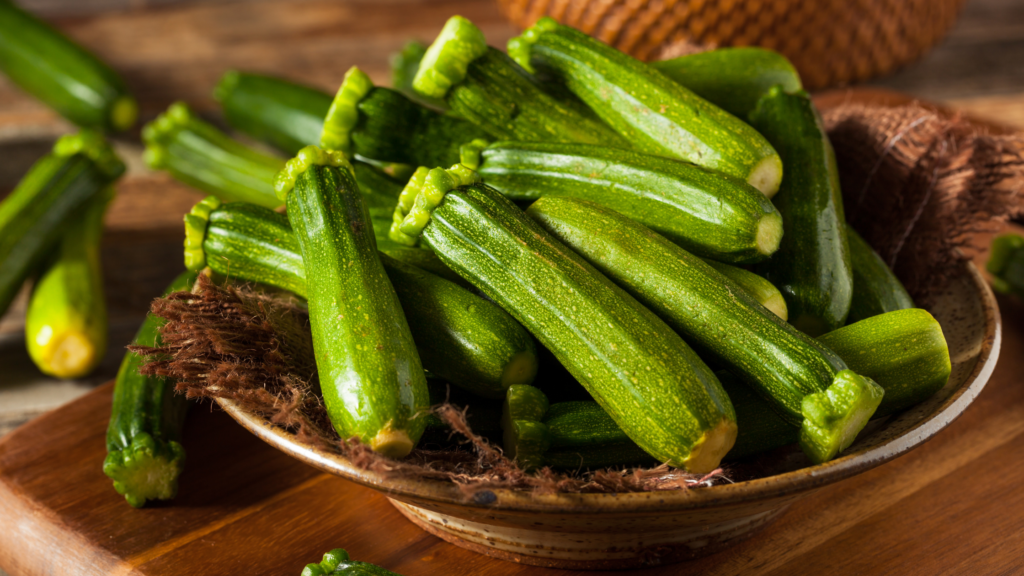
Zucchini, scientifically known as Cucurbita pepo, is a versatile and nutritious vegetable celebrated in cuisines worldwide. Its mild flavor and tender texture make it a popular ingredient in various dishes, from salads to stir-fries and even baked goods. Beyond its culinary charm, zucchini boasts an array of health benefits, making it a staple in many diets. History Zucchini traces its origins back to the Americas, where it was domesticated thousands of years ago. The cultivation of zucchini spread to Europe in the late 15th century, following the voyages of Christopher Columbus. ...
Yellow Squash
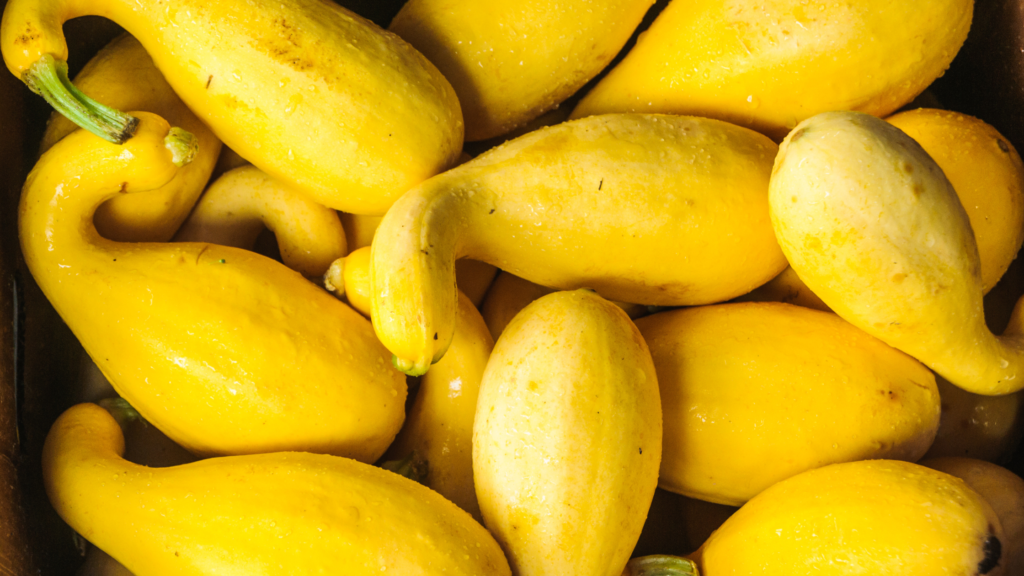
Yellow squash, with its vibrant hue and delicate flavor, has long adorned dinner plates and found its way into culinary creations around the world. This humble vegetable, botanically known as Cucurbita pepo, belongs to the gourd family and boasts an array of health benefits. From its rich history to its modern-day applications, yellow squash continues to captivate both chefs and health enthusiasts alike. History The cultivation of yellow squash dates back thousands of years, with its origins traced to Mesoamerica. Ancient civilizations such as the Maya and Aztecs revered squash for its...

Yellow Peas
Yellow peas, often overlooked in the realm of superfoods, are in fact a powerhouse of nutrition and health benefits. These humble legumes, botanically known as Pisum sativum, have been a staple in diets across cultures for centuries. From their rich history to their modern applications, yellow peas offer a plethora of health advantages that deserve recognition and inclusion in our daily meals.Yellow peas have a long and esteemed history, dating back thousands of years. Originating in the Mediterranean region, they were one of the earliest crops cultivated by humans. Archaeological...
Medical Disclaimer
The information provided in this document is intended for educational and informational purposes only and should not be construed as medical advice, diagnosis, or treatment. It is essential to consult a qualified healthcare professional for any medical concerns or conditions. The content herein does not substitute for professional medical advice, and individuals should not disregard or delay seeking medical advice based on the information provided.
The authors and publishers of this document do not assume any responsibility for any adverse effects or consequences resulting from the use or application of the information contained herein. The reader is encouraged to conduct their own research and consult with healthcare providers to make informed decisions regarding their health and treatment options. Furthermore, the information presented may not reflect the most current research or medical guidelines, as medical knowledge is continually evolving. Therefore, it is imperative to verify the information with up-to-date, peer-reviewed sources and consult with medical professionals for personalized advice.