Plantains
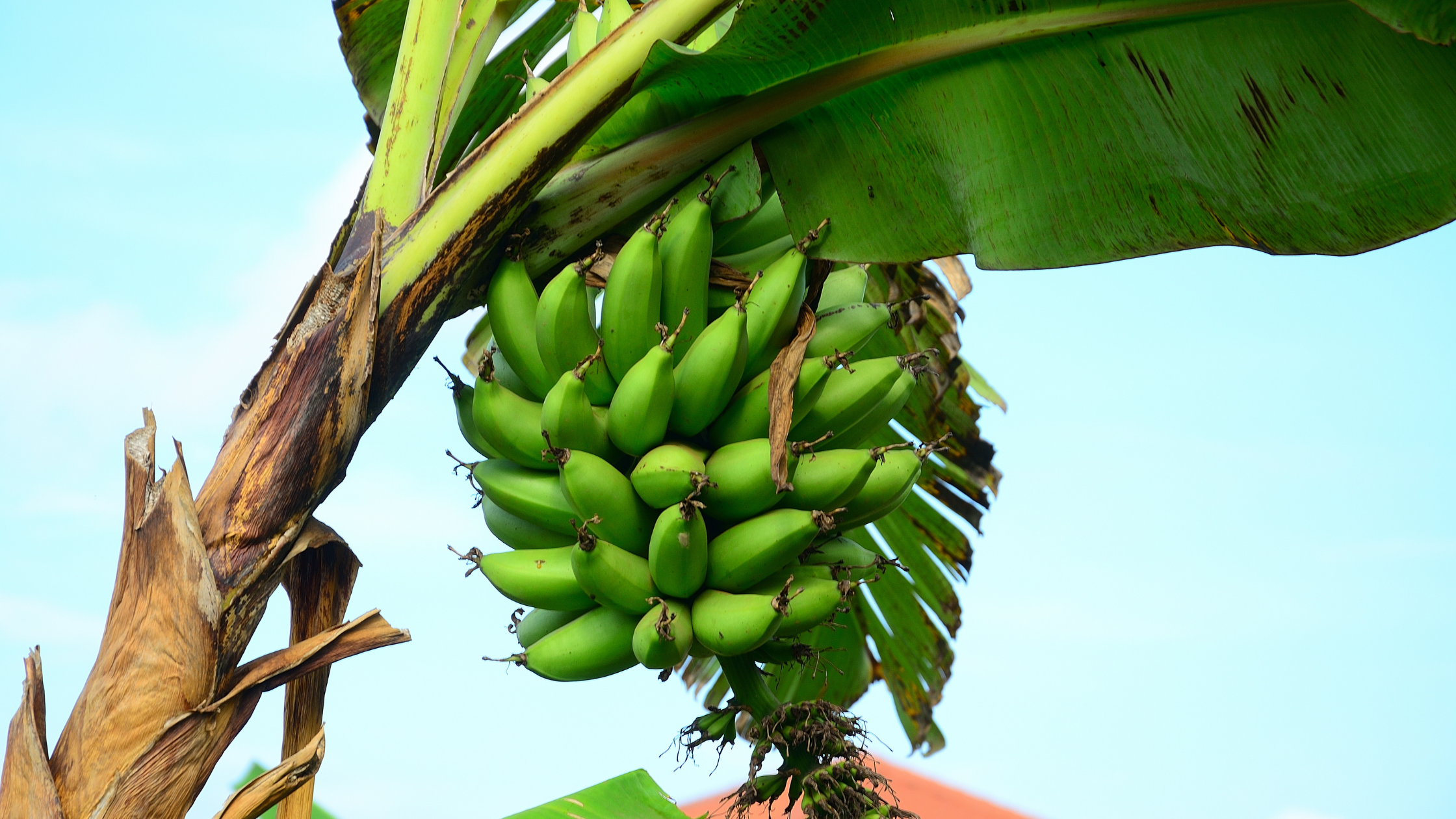
Plantain fruit (Musa paradisiaca) is a versatile and nutrient-rich fruit widely used in cooking and traditional medicine around the world. Often confused with its close relative, the banana, plantain has a distinct flavor and texture that lends itself to various culinary applications, particularly in tropical regions. It is valued not only for its ability to nourish but also for its potential therapeutic properties.
History
Plantains have been cultivated for thousands of years, originating in Southeast Asia and spreading to the Pacific Islands, Africa, and the Americas. Historically, they were a staple food for indigenous populations due to their versatility and rich carbohydrate content. In Africa, plantains were often considered a symbol of abundance, while in South America and the Caribbean, they became a dietary cornerstone. The fruit was introduced to the Western world during the Age of Exploration, where it was embraced for both culinary and medicinal purposes.
Health Benefits
Plantain fruit is a nutrient-rich food packed with bioactive compounds like flavonoids, alkaloids, and polysaccharides that exhibit antioxidant, anti-inflammatory, antimicrobial, and antidiabetic properties. It provides ample dietary fiber, potassium, and vitamins A, C, and B6, supporting digestion, immune function, and energy metabolism. Its fiber promotes a healthy microbiome, aids in blood sugar regulation, and may lower cholesterol levels, while its potassium content helps regulate blood pressure and improve heart health. Additionally, plantains help neutralize free radicals and reduce inflammation, making them beneficial for managing chronic conditions like arthritis and cardiovascular disease.
[/et_pb_text][/et_pb_column][/et_pb_row][/et_pb_section][et_pb_section fb_built=”1″ _builder_version=”4.27.4″ _module_preset=”default” background_color=”#F2F2F2″ min_height=”784.5px” custom_margin=”-10px|||||” custom_padding=”31px||0px||false|false” global_colors_info=”{}”][et_pb_row _builder_version=”4.27.4″ _module_preset=”default” custom_margin=”-15px|auto|-12px|auto||” custom_padding=”9px||0px|||” global_colors_info=”{}”][et_pb_column type=”4_4″ _builder_version=”4.27.4″ _module_preset=”default” global_colors_info=”{}”][et_pb_heading title=”Best Preparation Methods ” _builder_version=”4.27.4″ _module_preset=”default” title_level=”h2″ title_text_color=”#000000″ custom_margin=”||10px||false|false” global_colors_info=”{}”][/et_pb_heading][/et_pb_column][/et_pb_row][et_pb_row column_structure=”2_3,1_3″ _builder_version=”4.27.4″ _module_preset=”default” custom_margin=”-9px|auto||auto||” custom_padding=”5px||10px|||” global_colors_info=”{}”][et_pb_column type=”2_3″ _builder_version=”4.27.4″ _module_preset=”default” global_colors_info=”{}”][et_pb_text _builder_version=”4.27.4″ _module_preset=”default” text_text_color=”#000000″ text_font_size=”17px” custom_margin=”-5px|||||” global_colors_info=”{}”]Plantains are a versatile ingredient widely used in various culinary traditions, particularly in tropical regions. They are typically prepared in several ways, including boiling, frying, and roasting, which enhances their flavor and texture. In many West African and Caribbean cuisines, plantains are often served as a side dish or incorporated into main meals, such as fufu, a starchy dish made from pounded plantains, cassava, or yam. Additionally, ripe plantains are commonly fried to create a sweet dish known as “plátanos maduros,” while unripe plantains are frequently used in savory dishes due to their starchy nature. The culinary applications of plantains extend beyond traditional dishes; they are also processed into flour for various baked goods, contributing nutritional value and unique flavors to recipes.
[/et_pb_text][et_pb_image src=”https://www.immortalme.com/wp-content/uploads/2025/02/Screenshot-2025-02-13-102257.png” title_text=”Screenshot 2025-02-13 102257″ _builder_version=”4.27.4″ _module_preset=”default” custom_margin=”-7px|||||” border_radii=”on|6px|6px|6px|6px” box_shadow_style=”preset1″ box_shadow_spread=”3px” box_shadow_color=”#84776C” global_colors_info=”{}”][/et_pb_image][/et_pb_column][et_pb_column type=”1_3″ _builder_version=”4.27.4″ _module_preset=”default” global_colors_info=”{}”][et_pb_image src=”https://www.immortalme.com/wp-content/uploads/2025/01/Plantain.png” title_text=”Plantain” _builder_version=”4.27.4″ _module_preset=”default” custom_margin=”5px|||||” border_radii=”on|6px|6px|6px|6px” box_shadow_style=”preset1″ box_shadow_spread=”3px” box_shadow_color=”#84776C” global_colors_info=”{}”][/et_pb_image][/et_pb_column][/et_pb_row][/et_pb_section][et_pb_section fb_built=”1″ _builder_version=”4.27.4″ _module_preset=”default” background_color=”#F2F2F2″ custom_margin=”-3px|||||” custom_padding=”30px||13px|||” global_colors_info=”{}”][et_pb_row _builder_version=”4.27.4″ _module_preset=”default” custom_margin=”-17px|auto||auto||” custom_padding=”3px||7px|||” global_colors_info=”{}”][et_pb_column type=”4_4″ _builder_version=”4.27.4″ _module_preset=”default” global_colors_info=”{}”][et_pb_text _builder_version=”4.27.4″ _module_preset=”default” text_text_color=”#000000″ text_font_size=”17px” header_2_text_color=”#000000″ global_colors_info=”{}”]Precautions and Possible Side Effects
While plantain fruit is generally safe for consumption, there are some considerations to keep in mind. Some individuals may be allergic to plantains or bananas, and those with known sensitivities should avoid them. In rare cases, the high fiber content in plantains can cause bloating or gas, particularly when consumed in large quantities by individuals with sensitive digestive systems. Plantain has a history of use in traditional medicine, with its leaves often applied topically to treat wounds, burns, and insect bites due to their anti-inflammatory and antimicrobial properties. The fruit itself is valued for its role in managing diabetes, as its fiber content and slow-release carbohydrates help control blood sugar levels. Additionally, the high starch content in unripe plantains can alleviate diarrhea by absorbing excess water in the intestines. While plantains are safe for most people, excessive consumption, particularly of unripe or raw plantains, may lead to gastrointestinal discomfort, including bloating, gas, or constipation. Thorough cooking can mitigate these risks. Allergic reactions, although uncommon, can manifest as itching, swelling, or difficulty breathing. Plantain is not known to interact significantly with common medications, but it is advisable to consult a healthcare provider before adding it to your diet, especially for individuals taking medications for diabetes or blood pressure.
[/et_pb_text][/et_pb_column][/et_pb_row][/et_pb_section][et_pb_section fb_built=”1″ admin_label=”Post Body” _builder_version=”4.27.4″ background_color=”#F2F2F2″ custom_padding=”29px||4px|||” locked=”off” global_colors_info=”{}”][et_pb_row column_structure=”1_2,1_2″ _builder_version=”4.27.4″ min_height=”307px” custom_margin=”-23px|auto||auto||” custom_padding=”4px||11px|||” locked=”off” global_colors_info=”{}”][et_pb_column type=”1_2″ _builder_version=”4.16″ global_colors_info=”{}”][et_pb_heading title=”Eastern and Western Nutrition” _builder_version=”4.27.4″ _module_preset=”default” custom_margin=”||10px||false|false” global_colors_info=”{}”][/et_pb_heading][et_pb_text _builder_version=”4.27.4″ _module_preset=”default” text_text_color=”#000000″ text_font_size=”17px” global_colors_info=”{}”]In Eastern medicine, plantains are valued for their cooling, anti-inflammatory, and digestive properties. In Ayurveda, they are believed to balance the pitta dosha, aiding digestion and detoxification, while in Traditional Chinese Medicine (TCM), they are used to clear heat and promote harmony, benefiting the Stomach, Lung, and Large Intestine meridians.
In Western herbalism, plantain is recognized for its digestive and wound-healing applications, with its leaves commonly used in ointments, poultices, and teas for their soothing effects.
[/et_pb_text][/et_pb_column][et_pb_column type=”1_2″ _builder_version=”4.16″ global_colors_info=”{}”][et_pb_image src=”https://www.immortalme.com/wp-content/uploads/2025/02/Screenshot-2025-02-13-102503.png” title_text=”Screenshot 2025-02-13 102503″ _builder_version=”4.27.4″ _module_preset=”default” border_radii=”on|6px|6px|6px|6px” box_shadow_style=”preset2″ global_colors_info=”{}”][/et_pb_image][/et_pb_column][/et_pb_row][/et_pb_section][et_pb_section fb_built=”1″ _builder_version=”4.27.4″ _module_preset=”default” background_color=”#F2F2F2″ custom_margin=”-8px|||||” custom_padding=”28px||3px|||” global_colors_info=”{}”][et_pb_row _builder_version=”4.27.4″ _module_preset=”default” custom_margin=”-16px|auto||auto||” custom_padding=”3px||5px|||” global_colors_info=”{}”][et_pb_column type=”4_4″ _builder_version=”4.27.4″ _module_preset=”default” global_colors_info=”{}”][et_pb_text _builder_version=”4.27.4″ _module_preset=”default” text_text_color=”#000000″ text_font_size=”17px” header_2_text_color=”#000000″ global_colors_info=”{}”]Final Thoughts
Plantain fruit is a nutrient-dense food with a rich history and wide-ranging health benefits. From its digestive health benefits to its ability to regulate blood sugar levels, plantain continues to be a vital part of diets and medicinal practices worldwide. Its versatility in both Eastern and Western traditions, coupled with its association with various meridians in traditional healing systems, further demonstrates its enduring importance in holistic wellness. Whether enjoyed as a food or used in topical treatments, plantain remains a powerful ally for maintaining health and vitality.
[/et_pb_text][/et_pb_column][/et_pb_row][et_pb_row _builder_version=”4.27.4″ _module_preset=”default” custom_padding=”35px||16px|||” global_colors_info=”{}”][et_pb_column type=”4_4″ _builder_version=”4.27.4″ _module_preset=”default” global_colors_info=”{}”][et_pb_divider color=”#84776C” divider_weight=”2px” _builder_version=”4.27.4″ _module_preset=”default” global_colors_info=”{}”][/et_pb_divider][et_pb_toggle title=”References” open_toggle_background_color=”#FFFFFF” closed_toggle_background_color=”#FFFFFF” icon_color=”#84776C” toggle_icon=”||fa||900″ use_icon_font_size=”on” icon_font_size=”25px” open_icon_color=”#E02B20″ open_toggle_icon=”||fa||900″ open_use_icon_font_size=”on” open_icon_font_size=”25px” _builder_version=”4.27.4″ _module_preset=”default” title_text_color=”#000000″ title_font=”Cormorant Garamond||||||||” title_text_align=”left” title_font_size=”20px” text_orientation=”left” custom_margin=”||42px|||” custom_padding=”|||20px|false|false” hover_enabled=”0″ border_radii=”on|6px|6px|6px|6px” box_shadow_style=”preset1″ box_shadow_color=”#84776C” global_colors_info=”{}” body_line_height=”1.5em” sticky_enabled=”0″](2020). Anti-ulcerogenic effect of unripe plantain (musa paradisiaca) pulp on indomethacin-induced ulcer in wistar rat. TJNPR, 4(10), 784-789. https://doi.org/10.26538/tjnpr/v4i10.20
Adeyemo, A. (2024). Shallot (allium ascalonicum l.)-enriched plantain (musa paradisiaca l.) biscuits ameliorates diabetes, hypertension and oxidative stress in streptozotocin/high-fat diet induced diabetic rats.. https://doi.org/10.21203/rs.3.rs-4018654/v1
Amutha, K. and Ulagesan, S. (2014). Wound healing activity of methanolic stem extract of musa paradisiaca linn. (banana) in wistar albino rats. International Wound Journal, 13(5), 763-767. https://doi.org/10.1111/iwj.12371
Damarjati, S., Batubara, L., Dewi, P., & Setyawati, A. (2022). The effect of giving plantain peel extract (musa paradisiaca) on malondialdehyde levels in wistar rats exposed to filter cigarette smoke. Journal of Pharmaceutical Negative Results, 13(4), 1118-1123. https://doi.org/10.47750/pnr.2022.13.04.155
Deepa, B. and Sivakumar, T. (2020). Phytochemical analysis and antibacterial efficacy of ethanolic extract of musa paradisiacal. Research Biotica, 2(3), 126. https://doi.org/10.54083/resbio/2.3.2020.126-130
Doglikuu, B., Abubakari, A., Yaseri, M., Shakibazadeh, E., Djazayery, A., & Mirzaei, K. (2021). The association of adherence to moringa, plantains, moringa-plantain combined diets, and other plant-based dietary patterns with glycemic control among persons with t2dm, a hospital based cross sectional survey in ghana.. https://doi.org/10.20944/preprints202106.0399.v1
Eleazu, C. and Okafor, P. (2015). Use of unripe plantain (musa paradisiaca) in the management of diabetes and hepatic dysfunction in streptozotocin induced diabetes in rats. Interventional Medicine and Applied Science, 7(1), 9-16. https://doi.org/10.1556/imas.7.2015.1.2
Eleazu, C., Iroaganachi, M., & Eleazu, K. (2013). Ameliorative potentials of cocoyam (colocasia esculental.) and unripe plantain (musa paradisiacal.) on the relative tissue weights of streptozotocin-induced diabetic rats. Journal of Diabetes Research, 2013, 1-8. https://doi.org/10.1155/2013/160964
Famakin, O., Fatoyinbo, A., Ijarotimi, O., Badejo, A., & Fagbemi, T. (2016). Assessment of nutritional quality, glycaemic index, antidiabetic and sensory properties of plantain (musa paradisiaca)-based functional dough meals. Journal of Food Science and Technology, 53(11), 3865-3875. https://doi.org/10.1007/s13197-016-2357-y
Flores‐Silva, P., Rodríguez-Ambriz, S., & Bello‐Pérez, L. (2015). Gluten‐free snacks using plantain–chickpea and maize blend: chemical composition, starch digestibility, and predicted glycemic index. Journal of Food Science, 80(5). https://doi.org/10.1111/1750-3841.12865
Fu, J., Xiao, J., Tu, S., Sheng, Q., Wang, J., & Sheng, O. (2022). Plantain flour: a potential anti-obesity ingredient for intestinal flora regulation and improved hormone secretion. Frontiers in Sustainable Food Systems, 6. https://doi.org/10.3389/fsufs.2022.1027762
Nwawuba, S. and Onyenibe, N. (2022). A comparative study on the effect of cooking methods on the nutritional contents of ripe and unripe plantain (musa paradisiaca). Indonesian Food and Nutrition Progress, 18(2), 67. https://doi.org/10.22146/ifnp.61906
Odebode, F., Ekeleme, O., Ijarotimi, O., Malomo, S., Idowu, A., Badejo, A., … & Fagbemi, T. (2017). Nutritional composition, antidiabetic and antilipidemic potentials of flour blends made from unripe plantain, soybean cake, and rice bran. Journal of Food Biochemistry, 42(4), e12447. https://doi.org/10.1111/jfbc.12447
Ogunmoyole, T., Johnson, O., & Yusuff, A. (2021). Ethanolic extract of whole unripe plantain musa paradisiaca ameliorates carbon tetrachloride-induced hepatotoxicity and nephrotoxicity in wistar rat. Annual Research & Review in Biology, 78-87. https://doi.org/10.9734/arrb/2021/v36i1230465
Olutomilola, E., Ayodeji, S., Adeyeri, M., & Fagbemi, T. (2021). Development and performance evaluation of a pulverizer for plantain flour process plant. Production Engineering Archives, 27(3), 223-231. https://doi.org/10.30657/pea.2021.27.30
Oluwajuyitan, T. and Ijarotimi, O. (2019). Nutritional, antioxidant, glycaemic index and antihyperglycaemic properties of improved traditional plantain-based (musa aab) dough meal enriched with tigernut (cyperus esculentus) and defatted soybean (glycine max) flour for diabetic patients. Heliyon, 5(4), e01504. https://doi.org/10.1016/j.heliyon.2019.e01504
Oluwajuyitan, T., Ijarotimi, O., & Fagbemi, T. (2020). Nutritional, biochemical and organoleptic properties of high protein-fibre functional foods developed from plantain, defatted soybean, rice-bran and oat-bran flour. Nutrition & Food Science, 51(4), 704-724. https://doi.org/10.1108/nfs-06-2020-0225
Oluwajuyitan, T., Ijarotimi, O., & Fagbemi, T. (2021). Plantain based dough meal: nutritional property, antioxidant activity and dyslipidemia ameliorating potential in high-fat induced rats. Clinical Phytoscience, 7(1). https://doi.org/10.1186/s40816-021-00327-8
Oyeyinka, B. and Afolayan, A. (2019). Comparative evaluation of the nutritive, mineral, and antinutritive composition of musa sinensis l. (banana) and musa paradisiaca l. (plantain) fruit compartments. Plants, 8(12), 598. https://doi.org/10.3390/plants8120598
Shodehinde, S. and Oboh, G. (2013). Distribution and antioxidant activity of polyphenols in boiled unripe plantain (musa paradisiaca) pulps. Journal of Food Biochemistry, 38(3), 293-299. https://doi.org/10.1111/jfbc.12047
MyFoodData. (n.d.). *Nutrition facts for plantain*. Retrieved January 3, 2025, from https://tools.myfooddata.com/nutrition-facts/169130/wt1/1
[/et_pb_toggle][/et_pb_column][/et_pb_row][/et_pb_section][et_pb_section fb_built=”1″ _builder_version=”4.27.4″ _module_preset=”default” background_color=”#84776C” custom_margin=”||-60px||false|false” custom_padding=”||60px||false|false” global_colors_info=”{}”][et_pb_row _builder_version=”4.27.4″ _module_preset=”default” custom_padding=”11px|||||” global_colors_info=”{}”][et_pb_column type=”4_4″ _builder_version=”4.27.4″ _module_preset=”default” global_colors_info=”{}”][et_pb_heading title=”More Articles You May Like” _builder_version=”4.27.4″ _module_preset=”default” title_text_color=”#FFFFFF” global_colors_info=”{}”][/et_pb_heading][et_pb_divider color=”#F2F2F2″ divider_weight=”2px” _builder_version=”4.27.4″ _module_preset=”default” global_colors_info=”{}”][/et_pb_divider][et_pb_blog_extras posts_number=”12″ include_categories=”57,19,56″ blog_layout=”slider” slider_layout=”vertical_grid” excerpt_length=”600″ show_author=”off” show_date=”off” category_color=”#2533ab” category_background_color=”RGBA(255,255,255,0)” show_comments=”off” content_color=”#000000″ slider_loop=”on” _builder_version=”4.27.4″ _module_preset=”default” header_text_color=”#000000″ body_text_color=”#000000″ meta_text_color=”#000000″ border_radii=”on|10px|10px|10px|10px” border_width_all=”2px” border_color_all=”rgba(242,242,242,0.32)” box_shadow_style=”preset2″ box_shadow_blur=”28px” box_shadow_color=”rgba(0,0,0,0.53)” global_colors_info=”{}”][/et_pb_blog_extras][/et_pb_column][/et_pb_row][et_pb_row _builder_version=”4.27.4″ _module_preset=”default” background_color=”#FFFFFF” border_radii=”on|6px|6px|6px|6px” global_colors_info=”{}”][et_pb_column type=”4_4″ _builder_version=”4.27.4″ _module_preset=”default” global_colors_info=”{}”][et_pb_text _builder_version=”4.27.4″ _module_preset=”default” text_text_color=”#84776C” text_font_size=”12px” text_line_height=”1.5em” header_font=”|300|||||||” header_font_size=”25px” header_4_font=”–et_global_heading_font||||||||” header_4_text_color=”#84776C” custom_padding=”|17px||17px|false|false” global_colors_info=”{}”]Medical Disclaimer
The information provided in this document is intended for educational and informational purposes only and should not be construed as medical advice, diagnosis, or treatment. It is essential to consult a qualified healthcare professional for any medical concerns or conditions. The content herein does not substitute for professional medical advice, and individuals should not disregard or delay seeking medical advice based on the information provided.
The authors and publishers of this document do not assume any responsibility for any adverse effects or consequences resulting from the use or application of the information contained herein. The reader is encouraged to conduct their own research and consult with healthcare providers to make informed decisions regarding their health and treatment options. Furthermore, the information presented may not reflect the most current research or medical guidelines, as medical knowledge is continually evolving. Therefore, it is imperative to verify the information with up-to-date, peer-reviewed sources and consult with medical professionals for personalized advice.
[/et_pb_text][/et_pb_column][/et_pb_row][/et_pb_section]