
NF-κB Overview
Description of NF-κB
Nuclear Factor kappa-light-chain-enhancer of activated B cells (NF-κB) is a pivotal transcription factor that regulates the expression of genes involved in various biological processes, including inflammation, immune response, cell proliferation, and apoptosis. NF-κB exists in the cytoplasm in an inactive form bound to inhibitors known as IκBs. Upon activation by various stimuli, such as pro-inflammatory cytokines, stress signals, or pathogens, IκBs are phosphorylated and subsequently degraded, allowing NF-κB dimers (commonly p65/p50) to translocate to the nucleus and initiate transcription of target genes (Sun et al., 2020; Victorino & Alper, 2012).
How NF-κB Works
The activation of NF-κB is a complex process involving multiple signaling pathways. Key triggers include:
1. Cytokines: Tumor necrosis factor-alpha (TNF-α) and interleukin-1 (IL-1) activate NF-κB through the TNF receptor and IL-1 receptor pathways, respectively.
2. Pathogen-Associated Molecular Patterns (PAMPs): Recognition of PAMPs by Toll-like receptors (TLRs) activates NF-κB, linking innate immunity to inflammation.
3. Stress Signals: Oxidative stress and endoplasmic reticulum stress can also activate NF-κB, contributing to inflammation and cell survival (Yang et al., 2014; Beamer et al., 2012).
Upon activation, NF-κB binds to specific DNA sequences (κB sites) in the promoters of target genes, leading to the transcription of pro-inflammatory cytokines, chemokines, and adhesion molecules. This process is crucial for the immune response but can lead to pathological conditions if dysregulated.
Acute vs. Chronic NF-κB Activation
Acute NF-κB Activation: This is a transient response to stimuli such as infection or injury. It results in the rapid expression of pro-inflammatory cytokines and is essential for initiating the immune response. Acute activation is typically self-limiting and resolves once the inflammatory stimulus is removed.
Chronic NF-κB Activation: In contrast, chronic activation occurs when the inflammatory stimulus persists, leading to sustained NF-κB activity. This can result in continuous expression of inflammatory mediators, contributing to chronic inflammatory diseases, autoimmune disorders, and cancer (Perkins et al., 2019; Sadik & Luster, 2011). Chronic NF-κB activation is often associated with conditions such as rheumatoid arthritis, inflammatory bowel disease, and chronic obstructive pulmonary disease (COPD).
Triggers of Chronic NF-κB Activation
Chronic NF-κB activation can be triggered by various factors, including:
1. Persistent Infections: Chronic infections with pathogens such as viruses or bacteria can lead to sustained NF-κB activation.
2. Obesity: Adipose tissue inflammation in obesity is a significant source of chronic NF-κB activation (Sun et al., 2020; Sadik & Luster, 2011).
3. Environmental Stressors: Pollution, toxins, and other environmental stressors can induce chronic inflammation through NF-κB (Beamer et al., 2012; Noort et al., 2015).
4. Dietary Factors: High-fat diets and excessive sugar intake can promote inflammation and activate NF-κB (Sun et al., 2020; Sadik & Luster, 2011).
5. Psychological Stress: Chronic psychological stress can lead to persistent activation of NF-κB, contributing to various health issues (Beamer et al., 2012; Noort et al., 2015).

Interaction of NF-κB with Other Pathways
NF-κB does not operate in isolation; it interacts with several other signaling pathways, including:
1. MAPK Pathway: The MAPK pathway can synergistically activate NF-κB, amplifying the inflammatory response (Yang et al., 2014; Sadik & Luster, 2011).
2. JAK-STAT Pathway: Cytokines that activate the JAK-STAT pathway can also enhance NF-κB activity, linking immune signaling to inflammation (Lee et al., 2019).
3. PPARγ Pathway: Peroxisome proliferator-activated receptor gamma (PPARγ) can induce the degradation of NF-κB, providing a feedback mechanism to limit inflammation (Perkins et al., 2019).
4. cGAS-STING Pathway: This pathway activates NF-κB in response to cytosolic DNA, linking innate immune sensing to inflammatory responses (Sun et al., 2020; Sadik & Luster, 2011).
Diseases Associated with NF-κB
Chronic NF-κB activation is implicated in a variety of diseases, including:
Ankylosing Spondylitis: Increased expression of NF-κB is closely related to the pathogenesis of ankylosing spondylitis (Bai et al., 2017).
Autoimmune Diseases: Conditions such as rheumatoid arthritis (Abramiuk et al., 2022), systemic lupus erythematosus (Yuan et al., 2022), and multiple sclerosis are characterized by chronic inflammation mediated by NF-κB.
Cancer: NF-κB plays a dual role in cancer, promoting cell survival and proliferation while also regulating immune responses against tumors. It is implicated in colorectal cancer (CRC) (Serhan & Levy, 2018), esophageal squamous cell carcinoma (ESCC) (Muralidharan & Mandrekar, 2013; Cara et al., 2019), breast cancer (Dong, 2020), prostate cancer (Machairiotis et al., 2021), and other malignancies.
Colorectal Cancer: The NF-κB pathway is implicated in the development and progression of colorectal cancer, linking inflammation to tumorigenesis (Serhan & Levy, 2018; Kuz’mich et al., 2017).
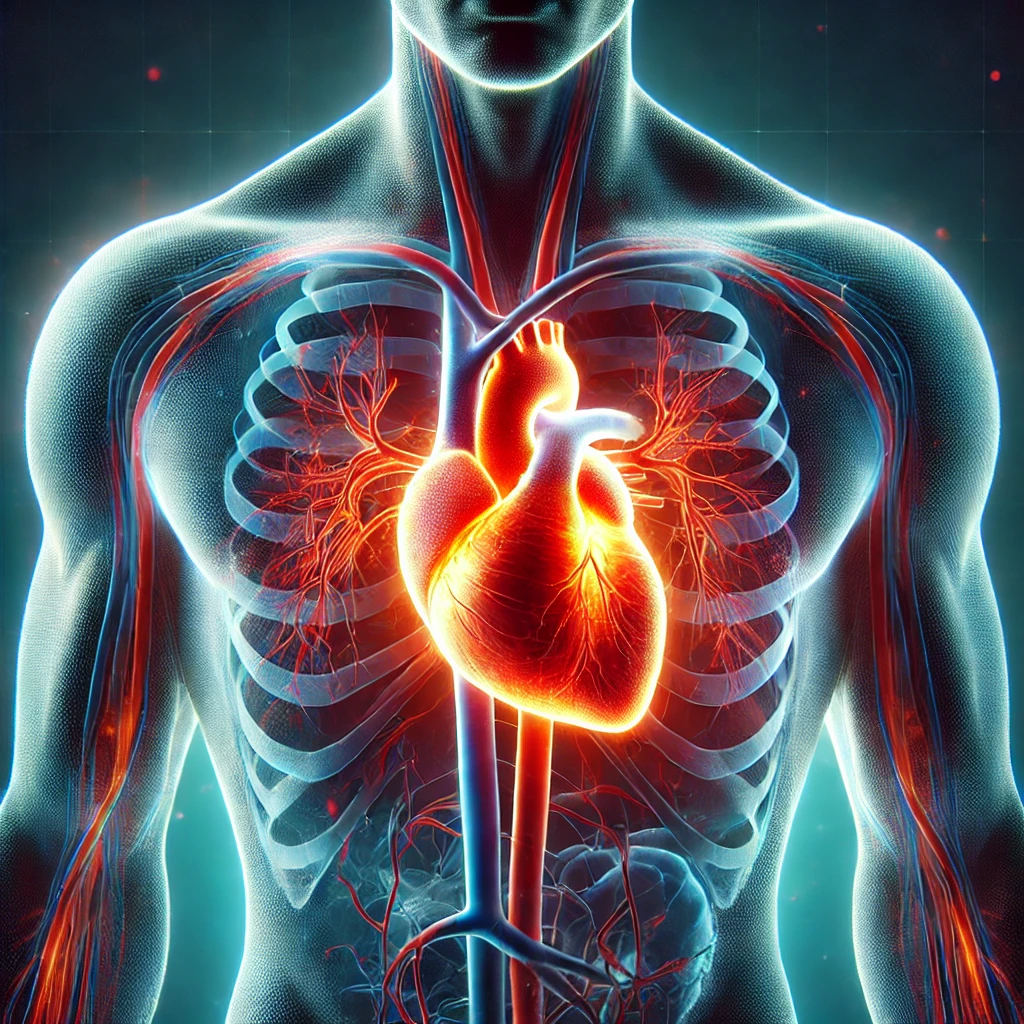
Cardiovascular Diseases: Chronic NF-κB activation is linked to heart failure and atherosclerosis, promoting inflammation and vascular remodeling (Noort et al., 2015).
Chronic Alcoholism: Chronic alcohol exposure can dysregulate NF-κB signaling, contributing to stress-related disorders (Noort et al., 2015).
Chronic Fatigue Syndrome: Dysregulation of NF-κB signaling has been observed in chronic fatigue syndrome, contributing to systemic inflammation (Salaffi et al., 2018).
Chronic Pain Conditions: NF-κB is involved in the modulation of pain and inflammation, contributing to conditions such as fibromyalgia and neuropathic pain (Rogero & Calder, 2018; Wu et al., 2020).
Chronic Respiratory Diseases: Conditions such as asthma and COPD are characterized by persistent NF-κB activation, leading to airway inflammation and remodeling (Fang et al., 2013).
Diabetes: Hyperglycemia can activate NF-κB, leading to the expression of pro-inflammatory cytokines and contributing to diabetic complications (Li et al., 2018; Pezzanite et al., 2023).
Gout: NF-κB activation is involved in the inflammatory response associated with gout, particularly in response to monosodium urate crystals (Bierhaus & Nawroth, 2009).
Hodgkin Lymphoma: Aberrant NF-κB activity is central to the pathogenesis of Hodgkin lymphoma, particularly in Reed-Sternberg cells (Freitas et al., 2011).
Hairy Cell Leukemia: NF-κB is activated by multiple mechanisms in hairy cell leukemia, contributing to its malignancy (Bi et al., 2023).
Kidney Diseases: Chronic kidney disease and glomerulonephritis have been linked to NF-κB activation and subsequent inflammatory responses (Huang et al., 2019).
Liver Diseases: Non-alcoholic fatty liver disease (NAFLD) and steatohepatitis are associated with NF-κB-mediated inflammation (Wang et al., 2012; Wang et al., 2018).
Metabolic Disorders: NF-κB is involved in insulin resistance and obesity-related inflammation, contributing to type 2 diabetes (Sun et al., 2020; Sadik & Luster, 2011).
Neurodegenerative Diseases: NF-κB activation is associated with neuroinflammation in diseases like Alzheimer’s Lee et al. (2019) and Parkinson’s disease (Ji et al., 2009).
Obesity: NF-κB is activated in adipose tissue, contributing to the chronic low-grade inflammation observed in obesity (Sun et al., 2020; Sadik & Luster, 2011).
Psoriasis: NF-κB is implicated in the inflammatory processes underlying psoriasis, leading to skin lesions and chronic inflammation (Wang et al., 2012).
Systemic Inflammatory Response Syndrome (SIRS): NF-κB is activated in response to systemic inflammation, leading to SIRS and potentially progressing to sepsis (Murray & Reardon, 2018).
Natural and Holistic Solutions for Chronic NF-κB Activation
Several natural and holistic approaches can help modulate NF-κB activity:
Dietary Interventions: Anti-inflammatory diets rich in omega-3 fatty acids, antioxidants, and polyphenols can help reduce NF-κB activation. Foods such as fatty fish, berries, and green leafy vegetables are beneficial (Sun et al., 2020; Sadik & Luster, 2011). Additionally, incorporating spices like turmeric, which contains curcumin, has been shown to further enhance the anti-inflammatory effects of these diets by directly inhibiting NF-κB signaling pathways (Xu et al., 2022).
Herbal Supplements: Curcumin (from turmeric), resveratrol (found in grapes), and green tea extract have been shown to inhibit NF-κB activation and reduce inflammation (Perkins et al., 2019; Sadik & Luster, 2011). These herbal supplements not only modulate NF-κB activity but also exhibit synergistic effects when combined with other natural compounds, potentially enhancing their overall therapeutic efficacy against chronic inflammatory conditions (Husain et al., 2011).
Physical Activity: Regular exercise has been shown to lower systemic inflammation and modulate NF-κB signaling pathways (Yang et al., 2014). Engaging in physical activity can also improve metabolic health, which is crucial as obesity and metabolic syndrome are associated with increased NF-κB activation and chronic inflammation (Zeuner et al., 2017).

Stress Management: Techniques such as mindfulness, yoga, and meditation can reduce stress-induced NF-κB activation (Beamer et al., 2012; Noort et al., 2015). These practices not only promote mental well-being but also have physiological benefits, including the reduction of pro-inflammatory cytokines that are often elevated during periods of chronic stress (Song et al., 2012).
Probiotics: Certain probiotics may help balance gut microbiota and reduce inflammation through modulation of NF-κB (Noort et al., 2015). The gut microbiome plays a significant role in immune regulation, and specific strains of probiotics have been shown to enhance gut barrier function, thereby mitigating systemic inflammation linked to NF-κB activation (Buhrmann et al., 2013).
Conclusion
NF-κB is a critical transcription factor that plays a central role in regulating inflammation and immune responses. Understanding its mechanisms, the differences between acute and chronic activation, and its association with various diseases is essential for developing targeted therapeutic strategies. By employing natural and holistic approaches, it is possible to modulate NF-κB activity and mitigate the effects of chronic inflammation.
References
- Abramiuk, Monika, et al. “The role of the immune system in the development of endometriosis”. Cells, vol. 11, no. 13, 2022, p. 2028. https://doi.org/10.3390/cells11132028
- Bai, Juli, et al. “DsbA-L prevents obesity-induced inflammation and insulin resistance by suppressing the mtDNA release-activated cGAS-cGAMP-STING pathway”. Proceedings of the National Academy of Sciences, vol. 114, no. 46, 2017, p. 12196-12201. https://doi.org/10.1073/pnas.1708744114
- Beamer, Celine A., et al. “IL-33 mediates multi-walled carbon nanotube (MWCNT)-induced airway hyper-reactivity via the mobilization of innate helper cells in the lung”. Nanotoxicology, vol. 7, no. 6, 2012, p. 1070-1081. https://doi.org/10.3109/17435390.2012.702230
- Bi, Rong, et al. “Porphyromonas gingivalis induces an inflammatory response via the cGAS-STING signaling pathway in a periodontitis mouse model”. Frontiers in Microbiology, vol. 14, 2023. https://doi.org/10.3389/fmicb.2023.1183415
- Buhrmann, Constanze, et al. “Evidence that TNF-β (lymphotoxin α) can activate the inflammatory environment in human chondrocytes”. Arthritis Research & Therapy, vol. 15, no. 6, 2013. https://doi.org/10.1186/ar4393
- Cara, Francesca D., et al. “Peroxisomes in immune response and inflammation”. International Journal of Molecular Sciences, vol. 20, no. 16, 2019, p. 3877. https://doi.org/10.3390/ijms20163877
- Dong, Jie, et al. “Signaling pathways implicated in carbon nanotube-induced lung inflammation”. Frontiers in Immunology, vol. 11, 2020. https://doi.org/10.3389/fimmu.2020.552613
- Fang, Jianqiao, et al. “Intervention of electroacupuncture on spinal p38 MAPK/ATF-2/VR-1 pathway in treating inflammatory pain induced by CFA in rats”. Molecular Pain, vol. 9, 2013. https://doi.org/10.1186/1744-8069-9-13
- Freitas, Maria C., et al. “Type I interferon pathway mediates renal ischemia/reperfusion injury”. Transplantation, vol. 92, no. 2, 2011, p. 131-138. https://doi.org/10.1097/tp.0b013e318220586e
- Huang, Xiaoli, et al. “Caspase-11, a specific sensor for intracellular lipopolysaccharide recognition, mediates the non-canonical inflammatory pathway of pyroptosis”. Cell & Bioscience, vol. 9, no. 1, 2019. https://doi.org/10.1186/s13578-019-0292-0
- Husain, Kazim, et al. “Vitamin E δ-tocotrienol augments the antitumor activity of gemcitabine and suppresses constitutive NF-κB activation in pancreatic cancer”. Molecular Cancer Therapeutics, vol. 10, no. 12, 2011, p. 2363-2372. https://doi.org/10.1158/1535-7163.mct-11-0424
- Ji, Ru-Rong, et al. “MAP kinase and pain”. Brain Research Reviews, vol. 60, no. 1, 2009, p. 135-148. https://doi.org/10.1016/j.brainresrev.2008.12.011
- Kuz’mich, N. N., et al. “TLR4 signaling pathway modulators as potential therapeutics in inflammation and sepsis”. Vaccines, vol. 5, no. 4, 2017, p. 34. https://doi.org/10.3390/vaccines5040034
- Lee, In Y., et al. “MST1 negatively regulates TNFα-induced NF-κB signaling through modulating LUBAC activity”. Molecular Cell, vol. 73, no. 6, 2019, p. 1138-1149.e6. https://doi.org/10.1016/j.molcel.2019.01.022
- Li, Dandan, et al. “Regulation of the NLRP3 inflammasome and macrophage pyroptosis by the p38 MAPK signaling pathway in a mouse model of acute lung injury”. Molecular Medicine Reports, 2018. https://doi.org/10.3892/mmr.2018.9427
- Machairiotis, Nikolaos, et al. “Inflammatory mediators and pain in endometriosis: a systematic review”. Biomedicines, vol. 9, no. 1, 2021, p. 54. https://doi.org/10.3390/biomedicines9010054
- Muralidharan, Sujatha, et al. “Cellular stress response and innate immune signaling: integrating pathways in host defense and inflammation”. Journal of Leukocyte Biology, vol. 94, no. 6, 2013, p. 1167-1184. https://doi.org/10.1189/jlb.0313153
- Noort, AR, et al. “Non-canonical NF-κB signaling in rheumatoid arthritis: Dr Jekyll and Mr Hyde?”. Arthritis Research & Therapy, vol. 17, no. 1, 2015. https://doi.org/10.1186/s13075-015-0527-3
- Perkins, Timothy N., et al. “The receptor for advanced glycation end products is a critical mediator of type 2 cytokine signaling in the lungs”. Journal of Allergy and Clinical Immunology, vol. 144, no. 3, 2019, p. 796-808.e12. https://doi.org/10.1016/j.jaci.2019.03.019
- Pezzanite, Lynn M., et al. “Distinct differences in immunological properties of equine orthobiologics revealed by functional and transcriptomic analysis using an activated macrophage readout system”. Frontiers in Veterinary Science, vol. 10, 2023. https://doi.org/10.3389/fvets.2023.1109473
- Sadik, Christian D., et al. “Lipid-cytokine-chemokine cascades orchestrate leukocyte recruitment in inflammation”. Journal of Leukocyte Biology, vol. 91, no. 2, 2011, p. 207-215. https://doi.org/10.1189/jlb.0811402
- Serhan, Charles N., et al. “Resolvins in inflammation: emergence of the pro-resolving superfamily of mediators”. Journal of Clinical Investigation, vol. 128, no. 7, 2018, p. 2657-2669. https://doi.org/10.1172/jci97943
- Song, Xiangfeng, et al. “Scorpion venom component iii inhibits cell proliferation by modulating nf-κb activation in human leukemia cells”. Experimental and Therapeutic Medicine, vol. 4, no. 1, 2012, p. 146-150. https://doi.org/10.3892/etm.2012.548
- Sun, Lili, et al. “Innate-adaptive immunity interplay and redox regulation in immune response”. Redox Biology, vol. 37, 2020, p. 101759. https://doi.org/10.1016/j.redox.2020.101759
- Victorino, Francisco, et al. “Identifying novel spatiotemporal regulators of innate immunity”. Immunologic Research, vol. 55, no. 1-3, 2012, p. 3-9. https://doi.org/10.1007/s12026-012-8344-0
- Wang, Qianwen, et al. “Anti-influenza A virus activity of rhein through regulating oxidative stress, TLR4, Akt, MAPK, and NF-κB signal pathways”. PLOS ONE, vol. 13, no. 1, 2018, p. e0191793. https://doi.org/10.1371/journal.pone.0191793
- Wang, YH, et al. “Mitogen-activated protein kinase pathways in sepsis treatment”. Hong Kong Journal of Emergency Medicine, vol. 19, no. 5, 2012, p. 337-341. https://doi.org/10.1177/102490791201900507
- Xu, Zihang, et al. “Alizarin, a nature compound, inhibits the growth of pancreatic cancer cells by abrogating NF-κB activation”. International Journal of Biological Sciences, vol. 18, no. 7, 2022, p. 2759-2774. https://doi.org/10.7150/ijbs.70567
- Yang, Ji-Yeon, et al. “Monocyte and macrophage differentiation: circulation inflammatory monocyte as biomarker for inflammatory diseases”. Biomarker Research, vol. 2, no. 1, 2014. https://doi.org/10.1186/2050-7771-2-1
- Yuan, Qian, et al. “Signaling pathways of chronic kidney diseases, implications for therapeutics”. Signal Transduction and Targeted Therapy, vol. 7, no. 1, 2022. https://doi.org/10.1038/s41392-022-01036-5
- Zeuner, Marie‐Theres, et al. “Development and Characterisation of a Novel NF-κB Reporter Cell Line for Investigation of Neuroinflammation”. Mediators of Inflammation, vol. 2017, 2017, p. 1-10. https://doi.org/10.1155/2017/6209865
More Articles You May Like
Metals: A Neglected Source of CVD Risk
Evidence on the role of environmental metals in cardiovascular disease has rapidly increased over the past two decades. In a linked article, Chowdhury and colleagues (doi:10.1136/bmj.k3435) present a comprehensive systematic review and meta-analysis of the associations between the exposure to arsenic, lead, cadmium, mercury, and copper and the risk of cardiovascular disease.1 The first four metals were selected because of widespread population exposure and inclusion in the World Health Organization’s priority list of chemicals of major public health concern. Copper was selected because of...
Heavy Metals and Cardiovascular Disease
We assessed the role of lead and cadmium as partial mediators between smoking and composite cardiovascular and cerebrovascular disease (CCVD). We also studied the association between urinary heavy metals and CCVD. Pooled data from NHANES 1999-2006 were examined. Cardiovascular and cerebrovascular disease was determined using a standardized questionnaire asking about history of stroke, angina, heart attack, coronary artery disease, and congestive heart failure. Increasing serum cadmium levels were associated with increasing prevalence of CCVD (P-trend: .03). Adjusted odds-ratio (OR) for...
Environmental Toxic Metals and CVD Risk
Objective: To conduct a systematic review and meta-analysis of epidemiological studies investigating the association of arsenic, lead, cadmium, mercury, and copper with cardiovascular disease. Design: Systematic review and meta-analysis. Data sources PubMed, Embase, and Web of Science searched up to December 2017. Review methods: Studies reporting risk estimates for total cardiovascular disease, coronary heart disease, and stroke for levels of arsenic, lead, cadmium, mercury, or copper were included. Two investigators independently extracted information on study characteristics and...

How NF-κB Affects Stem Cells
Introduction Nuclear Factor kappa-light-chain-enhancer of activated B cells (NF-κB) is a transcription factor that plays a crucial role in regulating various cellular processes, including inflammation, immune response, cell proliferation, and apoptosis. Its influence extends to stem cells, where NF-κB signaling can modulate stem cell properties, including self-renewal, differentiation, and response to environmental stimuli. This article explores the effects of NF-κB on stem cells, the mechanisms involved, and the implications for cancer and regenerative medicine. NF-κB Activation in Stem...

Probiotics in NF-κB Modulation
Nuclear Factor kappa-light-chain-enhancer of activated B cells (NF-κB) is a crucial transcription factor involved in regulating immune responses, inflammation, and cell survival. Chronic activation of NF-κB is associated with various inflammatory diseases, autoimmune disorders, and cancers. Probiotics, which are live microorganisms that confer health benefits to the host, have been shown to modulate NF-κB activity and may serve as a therapeutic strategy for managing conditions associated with chronic inflammation. Types of Probiotics Beneficial for NF-κB Modulation Lactobacillus Species...

Sciatica Pain: Origins, and Causes
Sciatica pain, characterized by discomfort radiating along the sciatic nerve, is a common condition affecting many individuals. The sciatic nerve, the longest nerve in the human body, extends from the lower back through the hips and buttocks and down each leg. Sciatica typically manifests as pain that travels from the lower back to the leg, often accompanied by numbness, tingling, or muscle weakness in the affected leg. The origins of sciatica pain can be traced to various underlying conditions, including herniated discs, spinal stenosis, and degenerative disc disease. These conditions...
Inflammation
Inflammation is a critical physiological response characterized by the activation of immune cells, blood vessels, and molecular mediators such as cytokines and chemokines. While acute inflammation is essential for healing, chronic inflammation can result in various diseases, including diabetes, obesity, cardiovascular diseases, and neurodegenerative disorders (Calder et al., 2017; Deeks et al., 2013). Chronic inflammation is often a consequence of persistent infections, autoimmune diseases, and prolonged exposure to irritants, including environmental toxins such as heavy metals (Zou et...
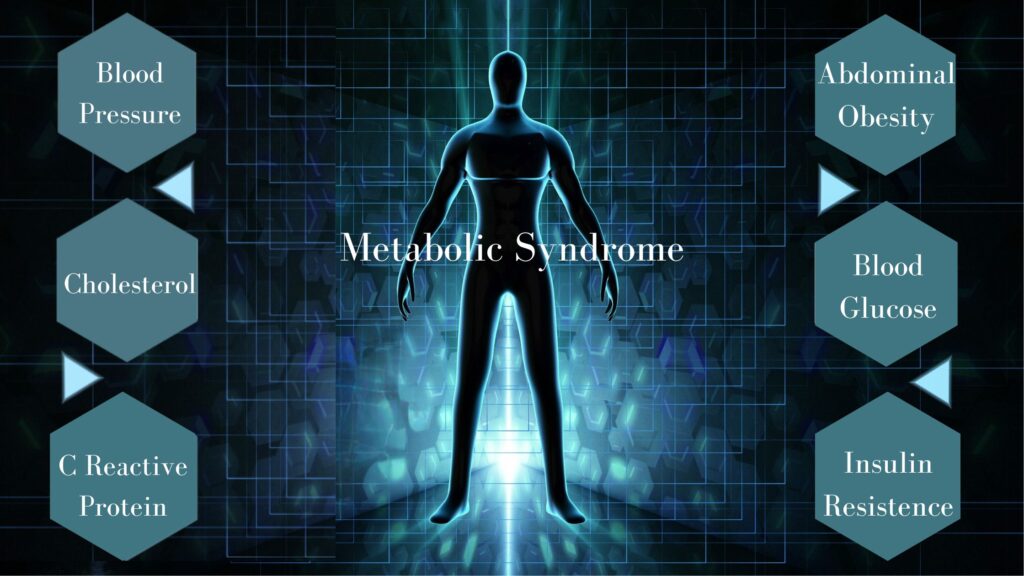
Understanding Metabolic Syndrome
Metabolic syndrome (MetS) is a cluster of metabolic abnormalities that elevate the risk of serious health conditions, including cardiovascular diseases, type 2 diabetes, and other chronic disorders. Characterized by risk factors such as obesity, insulin resistance, high blood pressure, abnormal cholesterol levels, and elevated blood sugar, MetS demands a comprehensive understanding to devise effective prevention and management strategies. The concept of MetS originated in the late 20th century when Dr. Gerald Reaven, during his landmark 1988 Banting Lecture at the American Diabetes...

The Hidden Ingredient in Your Daily Diet
Carrageenan, a versatile polysaccharide derived from red seaweeds, has become an extensively utilized ingredient in the food industry, renowned for its gelling, thickening, and stabilizing properties. This natural additive enhances the texture and consistency of a diverse array of processed foods, including dairy products, meat, sauces, and desserts, thereby making it a staple in many households. Given its ubiquity on grocery shelves, it is essential to understand the nature of carrageenan, its historical significance, and its implications for health. As consumers navigate modern dietary...

Overview of Inflammation Pathways
Inflammation is a multifaceted biological response that involves various signaling pathways, each playing a crucial role in the regulation of immune responses to injury or infection. This literature review synthesizes current knowledge on the major inflammatory pathways, including the Nuclear Factor kappa B (NF-κB) pathway, the Mitogen-Activated Protein Kinase (MAPK) pathway, the Type I Interferon (IFN) signaling pathway, the cGAS-cGAMP-STING pathway, and the TLR4 signaling pathway, among others. Additionally, the review will explore the interplay between these pathways and their...

Autoimmune Disease: An Overview
Autoimmune diseases represent a diverse group of disorders characterized by the immune system’s failure to distinguish between self and non-self, resulting in the attack on the body’s own tissues. This dysregulation can lead to inflammation and damage to various organs, manifesting in a wide array of symptoms depending on the specific disease involved. Common autoimmune diseases include rheumatoid arthritis, systemic lupus erythematosus (SLE), multiple sclerosis, and type 1 diabetes, among others. The prevalence of autoimmune diseases is estimated to affect approximately 3-5%...

Cadmium Exposure in Firefighters
The occupational hazards faced by firefighters are multifaceted, with exposure to various toxic substances being a significant concern. Among these substances, cadmium has emerged as a notable heavy metal that poses health risks to firefighters. Cadmium exposure can occur through inhalation of smoke and particulates during firefighting activities, as well as through dermal contact with contaminated gear and equipment (Dobraca et al., 2015; Jeon et al., 2022). The implications of cadmium exposure are particularly relevant given its association with systemic inflammation, hypertension, and...
Medical Disclaimer
The information provided in this document is intended for educational and informational purposes only and should not be construed as medical advice, diagnosis, or treatment. It is essential to consult a qualified healthcare professional for any medical concerns or conditions. The content herein does not substitute for professional medical advice, and individuals should not disregard or delay seeking medical advice based on the information provided.
The authors and publishers of this document do not assume any responsibility for any adverse effects or consequences resulting from the use or application of the information contained herein. The reader is encouraged to conduct their own research and consult with healthcare providers to make informed decisions regarding their health and treatment options. Furthermore, the information presented may not reflect the most current research or medical guidelines, as medical knowledge is continually evolving. Therefore, it is imperative to verify the information with up-to-date, peer-reviewed sources and consult with medical professionals for personalized advice.