
Preconception Detoxification
The potential link between heavy metals and adverse pregnancy outcomes has led to increased interest in detoxification strategies for women planning to conceive. Detoxification can help reduce the body burden of harmful substances, potentially improving reproductive health and outcomes. However, the question of how long a detoxification regimen should last before pregnancy remains complex and is influenced by various factors, including the type of detoxification method employed, individual health status, and environmental exposure levels.
Recommended Duration for Detoxification
While specific guidelines on the exact duration of detoxification before pregnancy are limited, several studies suggest that a detoxification period of at least three months may be beneficial. This timeframe is often recommended to allow the body to effectively eliminate accumulated toxins and restore optimal health. For instance, Ogunsola et al. found that detoxification interventions improved reproductive outcomes in women undergoing in vitro fertilization (IVF), indicating that a preparatory period for detoxification may enhance fertility and pregnancy success rates (Liu et al., 2018). Moreover, the detoxification process should ideally begin well before conception, as it allows for the clearance of toxins that may interfere with reproductive health. A study by Manduca et al.

highlighted the potential for heavy metals to mobilize during pregnancy, emphasizing the importance of reducing maternal exposure prior to conception (Taghavi et al., 2022). This suggests that a proactive approach to detoxification can mitigate risks associated with heavy metal exposure during pregnancy.
Factors Influencing Detoxification Duration
The duration of detoxification may also depend on individual factors such as baseline health, existing medical conditions, and the extent of heavy metal exposure. For example, women with a higher body burden of heavy metals may require a longer detoxification period to achieve optimal results.

Additionally, the choice of detoxification method can influence the timeline. Some methods, such as dietary changes and supplementation with antioxidants, may yield quicker results, while more intensive detoxification protocols, such as chelation therapy, may take longer and require medical supervision (Abu-Elmagd et al., 2017). Furthermore, lifestyle factors, including diet, hydration, and stress management, can impact the effectiveness of detoxification efforts. Incorporating a balanced diet rich in antioxidants, such as fruits and vegetables, can support the body’s natural detoxification processes and may enhance the overall effectiveness of the detoxification regimen (Mishra et al., 2010).
Safety Considerations
It is crucial to approach detoxification with caution, particularly for women planning to conceive. Some detoxification methods may not be safe during pregnancy or may lead to nutrient deficiencies if not carefully managed. For instance, certain chelation therapies can have adverse effects and should only be conducted under medical supervision (Wang et al., 2016). Therefore, it is advisable for women to consult with healthcare professionals before initiating any detoxification program, especially if they are considering pregnancy.
Conclusion
In summary, while a detoxification period of at least three months is generally recommended before pregnancy to reduce the burden of heavy metals and improve reproductive health, individual circumstances may necessitate adjustments to this timeframe. Women planning to conceive should prioritize detoxification as part of their preconception health strategy, focusing on safe and effective methods to minimize exposure to harmful substances. Consulting with healthcare providers can help tailor detoxification approaches to individual needs and ensure optimal outcomes for both mother and child.
References
- Ogunsola, O., et al. (2024). “Detoxification as a potential intervention for improving in vitro fertilization outcomes: a comparative analysis of failed cycles before and after detox.” Global Reproductive Health. doi:10.1097/grh.0000000000000085.
- Towers, C. V., et al. (2019). “Fetal Outcomes with Detoxification from Opioid Drugs during Pregnancy: A Systematic Review.” American Journal of Perinatology. doi:10.1055/s-0039-1688908.
- Merino, J. A., et al. (2019). “The Long-Term Algae Extract (Chlorella and Fucus sp) and Aminosulphurate Supplementation Modulate SOD-1 Activity and Decrease Heavy Metals (Hg++, Sn) Levels in Patients with Long-Term Dental Titanium Implants and Amalgam Fillings Restorations.” Antioxidants. doi:10.3390/antiox8040101.
- Ogunsola, O., et al. (2023). “Successful removal of heavy metals and environmental toxins using modern Mayr chelating detoxication in a patient: a model for prefertility treatment screening.” Global Reproductive Health. doi:10.1097/grh.0000000000000066.
- Manduca, R., et al. (2017). “A cross sectional study of the relationship between the exposure of pregnant women to military attacks in 2014 in Gaza and the load of heavy metal contaminants in the hair of mothers and newborns.” BMJ Open. doi:10.1136/bmjopen-2016-014035.
More Articles You May Like
Metals: A Neglected Source of CVD Risk
Evidence on the role of environmental metals in cardiovascular disease has rapidly increased over the past two decades. In a linked article, Chowdhury and colleagues (doi:10.1136/bmj.k3435) present a comprehensive systematic review and meta-analysis of the associations between the exposure to arsenic, lead, cadmium, mercury, and copper and the risk of cardiovascular disease.1 The first four metals were selected because of widespread population exposure and inclusion in the World Health Organization’s priority list of chemicals of major public health concern. Copper was selected because of...
Heavy Metals and Cardiovascular Disease
We assessed the role of lead and cadmium as partial mediators between smoking and composite cardiovascular and cerebrovascular disease (CCVD). We also studied the association between urinary heavy metals and CCVD. Pooled data from NHANES 1999-2006 were examined. Cardiovascular and cerebrovascular disease was determined using a standardized questionnaire asking about history of stroke, angina, heart attack, coronary artery disease, and congestive heart failure. Increasing serum cadmium levels were associated with increasing prevalence of CCVD (P-trend: .03). Adjusted odds-ratio (OR) for...

Heavy Metals Exposure in Children
Heavy metals pose a significant health risk to children, whose developing bodies are particularly vulnerable to the toxic effects of these substances. Exposure to heavy metals such as lead, mercury, cadmium, and arsenic can occur through various routes, including ingestion, inhalation, and dermal contact. Recent studies have highlighted the need for increased awareness of these risks, particularly in light of new findings regarding heavy metals in baby food. Exposure Routes of Heavy Metals Children are primarily exposed to heavy metals through contaminated food, water, air, and soil....
Electromagnetic Pollution
Electromagnetic pollution, a byproduct of the rapid advancement of technology and urbanization, has emerged as a significant environmental concern. This pollution is primarily caused by artificial sources of electromagnetic fields (EMFs), which include mobile phones, broadcasting stations, and various electrical appliances. The ubiquity of these technologies has led to an increase in exposure to EM radiation, raising alarms regarding potential health risks associated with long-term exposure (Guan et al., 2013; Yetiş & KAYILI, 2021). Research indicates that electromagnetic pollution...

Health Effects of EMF and 5G
The effects of electromagnetic fields (EMF) and the emerging 5G technology on human health have become a focal point of scientific inquiry and public concern. As the deployment of 5G networks accelerates globally, understanding the implications of EMF exposure is crucial. This article aims to provide a comprehensive overview of the types of EMF exposure, the amount of exposure associated with 5G, the potential health effects, symptoms of high exposure, and strategies for mitigation. Types of EMF Exposure EMF exposure can be categorized into two primary types: extremely low frequency (ELF)...
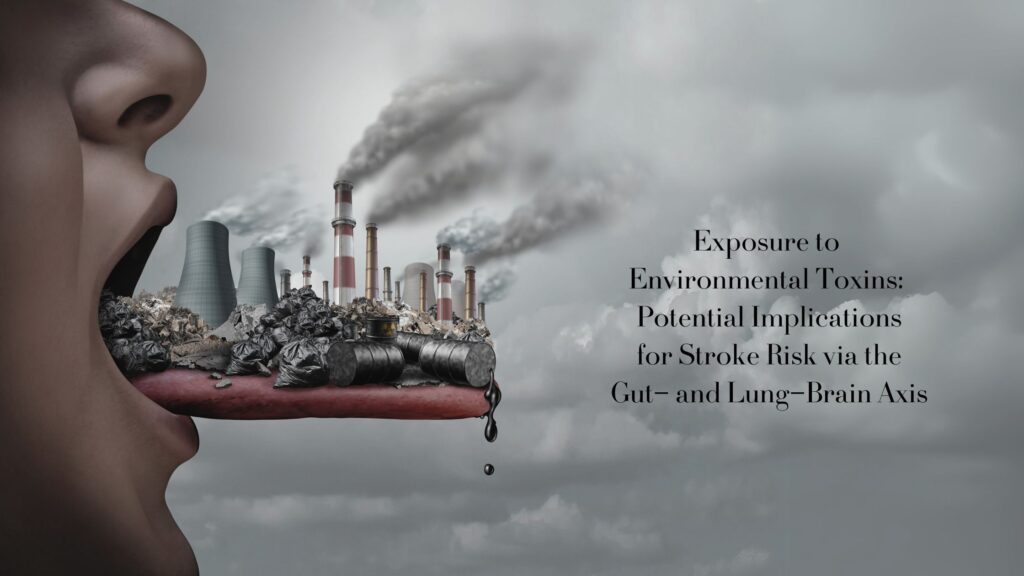
Environmental Toxins and Stroke Risk
Recent evidence indicates that exposure to environmental toxins, both short-term and long-term, can increase the risk of developing neurological disorders, including neurodegenerative diseases (i.e., Alzheimer’s disease and other dementias) and acute brain injury (i.e., stroke). For stroke, the latest systematic analysis revealed that exposure to ambient particulate matter is the second most frequent stroke risk after high blood pressure. However, preclinical and clinical stroke investigations on the deleterious consequences of environmental pollutants are scarce. This review examines...
Environmental Toxic Metals and CVD Risk
Objective: To conduct a systematic review and meta-analysis of epidemiological studies investigating the association of arsenic, lead, cadmium, mercury, and copper with cardiovascular disease. Design: Systematic review and meta-analysis. Data sources PubMed, Embase, and Web of Science searched up to December 2017. Review methods: Studies reporting risk estimates for total cardiovascular disease, coronary heart disease, and stroke for levels of arsenic, lead, cadmium, mercury, or copper were included. Two investigators independently extracted information on study characteristics and...

Literature Review: Heavy Metals and Stem Cells
Heavy metals are a significant environmental concern due to their toxic effects on living organisms, including stem cells. Stem cells, which possess the unique ability to differentiate into various cell types, are particularly vulnerable to the detrimental impacts of heavy metals. This literature review synthesizes current research findings on the effects of heavy metals on stem cells, focusing on their mechanisms of toxicity, implications for human health, potential pathways for remediation, and detoxification strategies. Heavy metals such as lead, cadmium, arsenic, and chromium are...

EBV, Postpartum RA, Heavy Metals and Mold
The relationship between Epstein-Barr virus (EBV) infection and the development of autoimmune diseases, particularly rheumatoid arthritis (RA), has garnered significant attention in recent years. The pathogenesis of RA is multifactorial, with genetic predispositions, environmental triggers, and infectious agents contributing to disease onset and progression. Among these, EBV has emerged as a notable candidate, especially in individuals with a history of viral infections and subsequent autoimmune manifestations. EBV is a member of the herpesvirus family and is known for its role in...

Health Risks of Plastic Packaging
Plastic resins are ubiquitous in food packaging, providing benefits such as durability, lightweight properties, and cost-effectiveness. However, the health implications associated with these materials have raised significant concerns. This article explores the Plastic Resin Identification Codes (RICs), detailing their names, descriptions, associated dangers, and the health consequences of prolonged use. Polyethylene Terephthalate (PET or PETE) – Code 1Description: PET is widely used for beverage bottles and food containers due to its strength and barrier properties against moisture...

Autism and Heavy Metals
Autism Spectrum Disorder (ASD) is a complex neurodevelopmental condition characterized by challenges in social interaction, communication, and repetitive behaviors. The etiology of autism is multifactorial, involving genetic, environmental, and biological factors. Among the environmental factors, heavy metal exposure has gained attention as a potential contributor to the development and severity of autism. This article reviews the current understanding of the relationship between heavy metals and autism, highlighting the mechanisms of toxicity, epidemiological evidence, and potential...

Autoimmune Disease: An Overview
Autoimmune diseases represent a diverse group of disorders characterized by the immune system’s failure to distinguish between self and non-self, resulting in the attack on the body’s own tissues. This dysregulation can lead to inflammation and damage to various organs, manifesting in a wide array of symptoms depending on the specific disease involved. Common autoimmune diseases include rheumatoid arthritis, systemic lupus erythematosus (SLE), multiple sclerosis, and type 1 diabetes, among others. The prevalence of autoimmune diseases is estimated to affect approximately 3-5%...
Medical Disclaimer
The information provided in this document is intended for educational and informational purposes only and should not be construed as medical advice, diagnosis, or treatment. It is essential to consult a qualified healthcare professional for any medical concerns or conditions. The content herein does not substitute for professional medical advice, and individuals should not disregard or delay seeking medical advice based on the information provided.
The authors and publishers of this document do not assume any responsibility for any adverse effects or consequences resulting from the use or application of the information contained herein. The reader is encouraged to conduct their own research and consult with healthcare providers to make informed decisions regarding their health and treatment options. Furthermore, the information presented may not reflect the most current research or medical guidelines, as medical knowledge is continually evolving. Therefore, it is imperative to verify the information with up-to-date, peer-reviewed sources and consult with medical professionals for personalized advice.