
Unraveling the Root Cause: Epstein-Barr Virus, Postpartum Rheumatoid Arthritis, and the Hidden Impact of Heavy Metals and Mold
The relationship between Epstein-Barr virus (EBV) infection and the development of autoimmune diseases, particularly rheumatoid arthritis (RA), has garnered significant attention in recent years. The pathogenesis of RA is multifactorial, with genetic predispositions, environmental triggers, and infectious agents contributing to disease onset and progression. Among these, EBV has emerged as a notable candidate, especially in individuals with a history of viral infections and subsequent autoimmune manifestations.
EBV is a member of the herpesvirus family and is known for its role in infectious mononucleosis and various lymphoproliferative disorders. The virus can establish lifelong latency in the host, and reactivation may occur under conditions of immune suppression or stress, which can be particularly relevant in postpartum women who experience significant physiological changes and immune modulation (Ebeo et al., 2003; Doja et al., 2006). Studies have shown that EBV can induce inflammatory responses that mimic those seen in RA, suggesting a potential mechanism by which the virus may trigger or exacerbate autoimmune conditions (Banko, 2023; Kuwana et al., 2011). For instance, the presence of EBV-encoded small RNAs in synovial tissues of RA patients has been linked to persistent inflammation, indicating that EBV may play a role in the chronic inflammatory processes characteristic of RA (Chiu et al., 2013).
The postpartum period is a critical time for women, as hormonal fluctuations and immune system adaptations can influence susceptibility to autoimmune diseases. Research indicates that women with a history of EBV infection may have an increased risk of developing RA, particularly following childbirth. The virus has been shown to promote the production of pro-inflammatory cytokines, such as interleukin-6, which are implicated in the pathogenesis of RA (Mahabadi et al., 2016). Furthermore, the detection of EBV in synovial fluid from RA patients underscores the virus’s potential involvement in joint inflammation and damage (Mahabadi et al., 2016).

In addition to viral infections, environmental factors such as heavy metals and mold exposure have been implicated in the development of autoimmune diseases, including RA. Heavy metals, such as lead and mercury, can induce oxidative stress and disrupt immune function, potentially triggering autoimmune responses in genetically susceptible individuals (Banko, 2023; Yazbek et al., 2011). Mold exposure, particularly to mycotoxins, can also lead to immune dysregulation and chronic inflammation, which may further exacerbate conditions like RA (Banko, 2023; Yazbek et al., 2011). The interplay between these environmental factors and viral infections like EBV may create a synergistic effect, increasing the risk of autoimmune disease development.
The mechanisms by which heavy metals and mold contribute to autoimmune diseases are complex and multifaceted. Heavy metals can alter cellular signaling pathways, leading to increased production of autoantibodies and inflammatory mediators (Banko, 2023; Yazbek et al., 2011). For instance, studies have shown that exposure to heavy metals can enhance the expression of pro-inflammatory cytokines, which may exacerbate the inflammatory milieu in individuals with RA (Banko, 2023; Yazbek et al., 2011). Similarly, mold exposure has been associated with increased levels of inflammatory markers and immune system activation, which can contribute to the pathogenesis of autoimmune diseases (Banko, 2023; Yazbek et al., 2011).
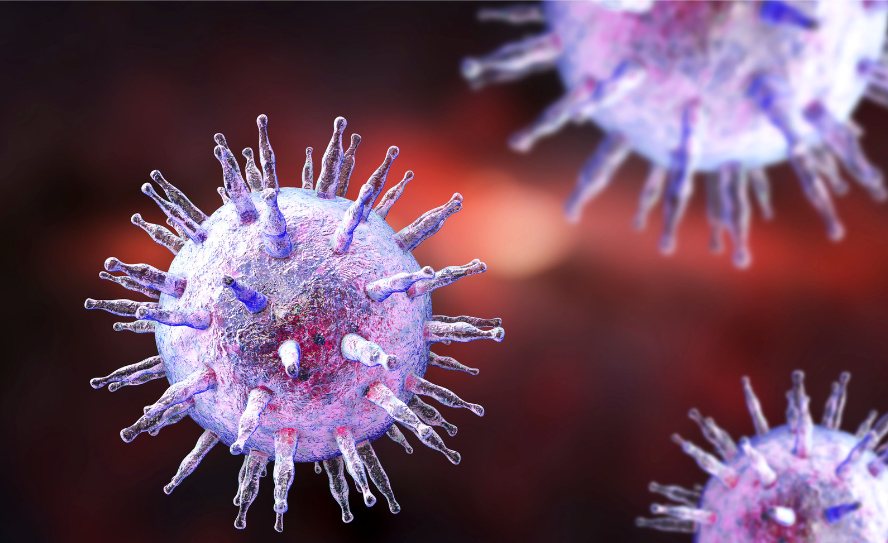
Moreover, the presence of EBV in individuals with RA may further complicate the clinical picture. The virus has been associated with increased levels of autoantibodies and immune dysregulation, which can lead to more severe disease manifestations. For example, patients with RA who have elevated EBV loads in their peripheral blood lymphocytes often exhibit more pronounced disease activity and joint damage (Mahabadi et al., 2016; “Epstein–Barr Virus and Rheumatoid Arthritis in Cancer Patients Undergoing Chemotherapy in Al-Najaf Province, Iraq”, 2024). This suggests that EBV may not only act as a trigger for RA but also as a factor that exacerbates the disease in individuals already predisposed to autoimmune conditions.
The interaction between EBV, heavy metals, and mold exposure highlights the importance of a comprehensive approach to understanding the etiology of RA. It is essential to consider both infectious and environmental factors when assessing risk and developing prevention strategies for autoimmune diseases. Future research should focus on elucidating the specific mechanisms by which these factors interact and contribute to the pathogenesis of RA, as well as identifying potential therapeutic targets for intervention.
In conclusion, the development of rheumatoid arthritis in individuals with a history of Epstein-Barr virus infection, particularly postpartum, may be influenced by a combination of viral, genetic, and environmental factors. Heavy metals and mold exposure represent significant environmental triggers that can exacerbate the inflammatory processes associated with RA. Understanding the complex interplay between these factors is crucial for developing effective prevention and treatment strategies for autoimmune diseases.
References
- Ebeo, C., Girish, M., Byrd, R., Roy, T., & Mehta, J. (2003). Methotrexate-induced pulmonary lymphomaa. Chest Journal, 123(6), 2150-2153. https://doi.org/10.1378/chest.123.6.2150
- Doja, A., Bitnun, A., Jones, E., Richardson, S., Tellier, R., Petric, M., … & MacGregor, D. (2006). Pediatric epstein-barr virus—associated encephalitis: 10-year review. Journal of Child Neurology, 21(5), 384-391. https://doi.org/10.1177/08830738060210051101
- Banko, A. (2023). Uncovering the role of epstein–barr virus infection markers for remission in rheumatoid arthritis. Biomedicines, 11(9), 2375. https://doi.org/10.3390/biomedicines11092375
- Chiu, W., Chen, C., Cheng, T., You, H., Yu, S., Weng, L., … & Chen, C. (2013). Ebv‐encoded small rna1 and nonresolving inflammation in rheumatoid arthritis. The Kaohsiung Journal of Medical Sciences, 29(11), 606-610. https://doi.org/10.1016/j.kjms.2013.04.002
- (2024). Epstein–barr virus and rheumatoid arthritis in cancer patients undergoing chemotherapy in al-najaf province, iraq. Journal of Communicable Diseases, 55(04), 119-125. https://doi.org/10.24321/0019.5138.202364
- Mahabadi, M., Faghihiloo, E., Alishiri, G., Ataee, M., & Ataee, R. (2016). Detection of epstein-barr virus in synovial fluid of rheumatoid arthritis patients. Electronic Physician, 8(3), 2181-2186. https://doi.org/10.19082/2181
- Yazbek, M. A., Barros‐Mazon, S. d., Rossi, C., Londe, A. C., Costallat, L. T. L., & Bértolo, M. B. (2011). Association analysis of anti-epstein-barr nuclear antigen-1 antibodies, anti-cyclic citrullinated peptide antibodies, the shared epitope and smoking status in brazilian patients with rheumatoid arthritis. Clinics, 66(8), 1401-1406. https://doi.org/10.1590/s1807-59322011000800016
More Articles You May Like
Metals: A Neglected Source of CVD Risk
Evidence on the role of environmental metals in cardiovascular disease has rapidly increased over the past two decades. In a linked article, Chowdhury and colleagues (doi:10.1136/bmj.k3435) present a comprehensive systematic review and meta-analysis of the associations between the exposure to arsenic, lead, cadmium, mercury, and copper and the risk of cardiovascular disease.1 The first four metals were selected because of widespread population exposure and inclusion in the World Health Organization’s priority list of chemicals of major public health concern. Copper was selected because of...
Heavy Metals and Cardiovascular Disease
We assessed the role of lead and cadmium as partial mediators between smoking and composite cardiovascular and cerebrovascular disease (CCVD). We also studied the association between urinary heavy metals and CCVD. Pooled data from NHANES 1999-2006 were examined. Cardiovascular and cerebrovascular disease was determined using a standardized questionnaire asking about history of stroke, angina, heart attack, coronary artery disease, and congestive heart failure. Increasing serum cadmium levels were associated with increasing prevalence of CCVD (P-trend: .03). Adjusted odds-ratio (OR) for...

Heavy Metals Exposure in Children
Heavy metals pose a significant health risk to children, whose developing bodies are particularly vulnerable to the toxic effects of these substances. Exposure to heavy metals such as lead, mercury, cadmium, and arsenic can occur through various routes, including ingestion, inhalation, and dermal contact. Recent studies have highlighted the need for increased awareness of these risks, particularly in light of new findings regarding heavy metals in baby food. Exposure Routes of Heavy Metals Children are primarily exposed to heavy metals through contaminated food, water, air, and soil....
Environmental Toxic Metals and CVD Risk
Objective: To conduct a systematic review and meta-analysis of epidemiological studies investigating the association of arsenic, lead, cadmium, mercury, and copper with cardiovascular disease. Design: Systematic review and meta-analysis. Data sources PubMed, Embase, and Web of Science searched up to December 2017. Review methods: Studies reporting risk estimates for total cardiovascular disease, coronary heart disease, and stroke for levels of arsenic, lead, cadmium, mercury, or copper were included. Two investigators independently extracted information on study characteristics and...

Literature Review: Heavy Metals and Stem Cells
Heavy metals are a significant environmental concern due to their toxic effects on living organisms, including stem cells. Stem cells, which possess the unique ability to differentiate into various cell types, are particularly vulnerable to the detrimental impacts of heavy metals. This literature review synthesizes current research findings on the effects of heavy metals on stem cells, focusing on their mechanisms of toxicity, implications for human health, potential pathways for remediation, and detoxification strategies. Heavy metals such as lead, cadmium, arsenic, and chromium are...

Preconception Detox Strategies
The potential link between heavy metals and adverse pregnancy outcomes has led to increased interest in detoxification strategies for women planning to conceive. Detoxification can help reduce the body burden of harmful substances, potentially improving reproductive health and outcomes. However, the question of how long a detoxification regimen should last before pregnancy remains complex and is influenced by various factors, including the type of detoxification method employed, individual health status, and environmental exposure levels. Recommended Duration for Detoxification While...

Autism and Heavy Metals
Autism Spectrum Disorder (ASD) is a complex neurodevelopmental condition characterized by challenges in social interaction, communication, and repetitive behaviors. The etiology of autism is multifactorial, involving genetic, environmental, and biological factors. Among the environmental factors, heavy metal exposure has gained attention as a potential contributor to the development and severity of autism. This article reviews the current understanding of the relationship between heavy metals and autism, highlighting the mechanisms of toxicity, epidemiological evidence, and potential...

Navigating a New Autoimmune Diagnosis
Autoimmune diseases represent a diverse group of conditions characterized by the immune system’s inappropriate response to the body’s own tissues. The management of these diseases requires a multifaceted approach that encompasses education, collaboration with healthcare professionals, lifestyle modifications, and ongoing monitoring. If you have recently been diagnosed with an autoimmune disease, it is essential to take proactive steps to manage your health effectively. 1. Educate Yourself About Your Condition: Understanding your specific autoimmune disease is crucial. Each...

Autoimmune Disease: An Overview
Autoimmune diseases represent a diverse group of disorders characterized by the immune system’s failure to distinguish between self and non-self, resulting in the attack on the body’s own tissues. This dysregulation can lead to inflammation and damage to various organs, manifesting in a wide array of symptoms depending on the specific disease involved. Common autoimmune diseases include rheumatoid arthritis, systemic lupus erythematosus (SLE), multiple sclerosis, and type 1 diabetes, among others. The prevalence of autoimmune diseases is estimated to affect approximately 3-5%...

Triggers for Autoimmune Diseases
Autoimmune diseases are complex disorders characterized by the immune system mistakenly attacking the body’s own tissues, leading to inflammation and damage to various organs and systems. The triggers for these diseases are multifactorial, encompassing genetic, environmental, and psychosocial factors. Among these, mental and emotional trauma, particularly during childhood, has emerged as a significant contributor to the onset and exacerbation of autoimmune diseases. The Impact of Childhood Trauma on Autoimmune Disease Development Research has increasingly highlighted the association...

Cadmium Exposure in Firefighters
The occupational hazards faced by firefighters are multifaceted, with exposure to various toxic substances being a significant concern. Among these substances, cadmium has emerged as a notable heavy metal that poses health risks to firefighters. Cadmium exposure can occur through inhalation of smoke and particulates during firefighting activities, as well as through dermal contact with contaminated gear and equipment (Dobraca et al., 2015; Jeon et al., 2022). The implications of cadmium exposure are particularly relevant given its association with systemic inflammation, hypertension, and...

Seafood, Heavy Metals, and Lipid Profile
The association between the consumption of seafood and its benefits on cardiovascular (CVD) risk can be challenged by its heavy metal (HM) content. This study aimed to explore the association of seafood consumption and its estimated HM contents with the lipid profile and lipid oxidation biomarkers in adults from a Spanish Mediterranean area who do not present risk factors for CVD. In this cross-sectional study, the clinical history, three-day dietary record, lipid profile (LDLc, HDLc, APOB/A, and triglyceride levels), plasma oxidised LDL (oxLDL) and 8-isoprostane levels of 81 adults...
Medical Disclaimer
The information provided in this document is intended for educational and informational purposes only and should not be construed as medical advice, diagnosis, or treatment. It is essential to consult a qualified healthcare professional for any medical concerns or conditions. The content herein does not substitute for professional medical advice, and individuals should not disregard or delay seeking medical advice based on the information provided.
The authors and publishers of this document do not assume any responsibility for any adverse effects or consequences resulting from the use or application of the information contained herein. The reader is encouraged to conduct their own research and consult with healthcare providers to make informed decisions regarding their health and treatment options. Furthermore, the information presented may not reflect the most current research or medical guidelines, as medical knowledge is continually evolving. Therefore, it is imperative to verify the information with up-to-date, peer-reviewed sources and consult with medical professionals for personalized advice.