
Heavy Metals and Their Effects on Stem Cells
Heavy metals are a significant environmental concern due to their toxic effects on living organisms, including stem cells. Stem cells, which possess the unique ability to differentiate into various cell types, are particularly vulnerable to the detrimental impacts of heavy metals. This literature review synthesizes current research findings on the effects of heavy metals on stem cells, focusing on their mechanisms of toxicity, implications for human health, potential pathways for remediation, and detoxification strategies.
Heavy metals such as lead, cadmium, arsenic, and chromium are known to induce oxidative stress, a critical mechanism underlying their toxicity. Oxidative stress results from an imbalance between reactive oxygen species (ROS) production and the antioxidant defense system, leading to cellular damage. Liu et al. highlight that chronic exposure to heavy metals can lead to malignant transformation of cells, primarily through ROS generation, which subsequently affects cell proliferation, migration, and invasion (Liu et al., 2018). This transformation is particularly concerning in stem cells, as it may lead to the accumulation of cancer stem-like cells, which are implicated in tumorigenesis (Wang et al., 2016). The study by Abu-Elmagd et al. further supports this notion by demonstrating that airborne particulate matter, which contains heavy metals, adversely affects the proliferation and gene expression of bone marrow mesenchymal stem cells (BM-MSCs) (Abu-Elmagd et al., 2017). Additionally, Gorini et al. discuss the association between heavy metal exposure and neurobehavioral disorders, including autism, emphasizing the role of oxidative stress in these conditions (Gorini et al., 2014).
The epigenetic effects of heavy metals on stem cells have also been documented. Mishra et al. discuss how trace amounts of heavy metals can induce genetic and epigenetic alterations in both somatic and stem cells, potentially leading to the formation of cancer stem cells (Mishra et al., 2010). This is particularly alarming given that the persistence of heavy metals in the environment can result in prolonged exposure, thereby increasing the risk of chronic diseases, including cancer (Taghavi et al., 2022). The accumulation of heavy metals in the body can lead to neurotoxicity, cardiovascular disorders, and other health issues, as noted by Jaishankar et al. (Jaishankar et al., 2014). Furthermore, Jaishankar et al. provide insights into the sources of heavy metals and their harmful effects on the environment and living organisms, highlighting the need for effective mitigation strategies (Jaishankar et al., 2014).

Research indicates that heavy metals can disrupt normal cellular functions in stem cells, leading to impaired differentiation and increased apoptosis. For instance, Gutiérrez et al. emphasize that heavy metals can induce significant alterations in proteins, nucleic acids, and lipids, ultimately resulting in cell death through necrosis or apoptosis (Gutiérrez et al., 2015). This is particularly concerning for stem cells, as their ability to differentiate into various cell types is crucial for tissue regeneration and repair. The toxic effects of heavy metals on stem cells may compromise their regenerative potential, leading to impaired healing and increased susceptibility to diseases. Additionally, the work of Ohiagu et al. discusses the specific mechanisms through which heavy metals induce toxicity, including the generation of ROS and inhibition of enzyme activities (Ohiagu et al., 2022).
The bioaccumulation of heavy metals in plants also poses a risk to human health, as these metals can enter the food chain. Studies have shown that vegetables and other food plants can accumulate heavy metals from contaminated soils, which can then be ingested by humans (Khan et al., 2015). The consumption of heavy metal-contaminated food can lead to significant health risks, including the potential for heavy metals to affect stem cell function in the human body. For example, the work of Khan et al. indicates that heavy metals can disrupt nutrient uptake in plants, which may indirectly affect the nutritional quality of food consumed by humans (Khan et al., 2015). This is particularly relevant in agricultural settings where heavy metal contamination is prevalent.

Moreover, the effects of heavy metals on stem cells are not limited to direct toxicity; they can also influence the microenvironment in which stem cells reside. The presence of heavy metals can alter the extracellular matrix and signaling pathways that are critical for stem cell maintenance and differentiation. This disruption can lead to a loss of stem cell function and contribute to the development of various diseases, including cancer (Wang et al., 2016). The findings of Omoboyowa et al. reinforce this perspective, showing that heavy metals can accumulate in plant tissues, which may affect the overall health of the ecosystem and, by extension, human health (Omoboyowa et al., 2019).
To address the challenges posed by heavy metals, various detoxification strategies have been proposed. One promising approach is the use of chelating agents, which can bind heavy metals and facilitate their excretion from the body. Liu et al. discuss the potential of curcumin, a natural compound, to mitigate the cytotoxic and genotoxic effects of heavy metals through its antioxidant properties and ability to chelate metals (Liu et al., 2023). Additionally, the study by Tito et al. highlights the protective effects of tomato stem cell extract, which contains antioxidant compounds and metal-chelating factors that can protect skin cells from heavy metal-induced damage (Tito et al., 2011).
Phytoremediation is another effective method for detoxifying heavy metals from contaminated environments. This biological approach utilizes plants to absorb, accumulate, and detoxify heavy metals from soil and water. Shafiq et al. emphasize that plants have evolved various mechanisms to cope with heavy metal stress, including the synthesis of phytochelatins, which bind heavy metals and sequester them in vacuoles (Shafiq et al., 2019; Kushwaha et al., 2016). The use of hyperaccumulator plants, which can tolerate and accumulate high levels of heavy metals, has been explored as a viable solution for soil remediation (Kushwaha et al., 2016). Furthermore, the application of zeolites in contaminated soils has shown promise in immobilizing heavy metals, thereby reducing their bioavailability and toxicity (Boros-Lajszner et al., 2017).
Chemical methods for heavy metal detoxification include the use of adsorbents and biosorbents. For example, the study by Farouz et al. discusses the development of eco-friendly nanocomposites for the removal of heavy metals from aquatic environments, highlighting the potential of biomass wastes as low-cost materials for detoxification (Farouz et al., 2022). Similarly, the use of chitosan-based adsorbents has been shown to effectively remove heavy metal ions from aqueous solutions, demonstrating the versatility of adsorption techniques in heavy metal remediation (Khairkar, 2014). Additionally, the application of EDTA-functionalized materials has been reported to enhance the removal efficiency of heavy metal ions from wastewater (Jiang et al., 2019).
In conclusion, the effects of heavy metals on stem cells are multifaceted, involving direct toxicity, epigenetic alterations, and disruption of the cellular microenvironment. The accumulation of heavy metals in the food chain poses significant risks to human health, particularly concerning the function of stem cells. Ongoing research is essential to elucidate the mechanisms of heavy metal toxicity and to develop effective strategies for remediation and prevention. The integration of environmental monitoring, public health initiatives, and innovative remediation techniques will be critical in addressing the challenges posed by heavy metal contamination.
References
- Liu, Y., et al. (2018). “Advances in molecular mechanisms of heavy metal induced cell malignant transformation.” Cancer Reports and Reviews. doi:10.15761/crr.1000144.
- Wang, Y., et al. (2016). “Cancer Stem-Like Cells Accumulated in Nickel-Induced Malignant Transformation.” Toxicological Sciences. doi:10.1093/toxsci/kfw044.
- Abu-Elmagd, M., et al. (2017). “Evaluation of the Effects of Airborne Particulate Matter on Bone Marrow-Mesenchymal Stem Cells (BM-MSCs): Cellular, Molecular and Systems Biological Approaches.” doi:10.20944/preprints201703.0162.v1.
- Mishra, A., et al. (2010). “A Review on Epigenetic Effect of Heavy Metal Carcinogens on Human Health.” The Open Nutraceuticals Journal. doi:10.2174/1876396001003010188.
- Taghavi, L., et al. (2022). “Ecological risk assessment of trace elements pollution and human health risk exposure in agricultural soils used for Saffron cultivation.” Scientific Reports. doi:10.1038/s41598-023-31681-x.
- Gutiérrez, M., et al. (2015). “Heavy metal whole-cell biosensors using eukaryotic microorganisms: an updated critical review.” Frontiers in Microbiology. doi:10.3389/fmicb.2015.00048.
- Khan, S., et al. (2015). “The uptake and bioaccumulation of heavy metals by food plants, their effects on plants nutrients, and associated health risk: a review.” Environmental Science and Pollution Research. doi:10.1007/s11356-015-4881-0.
- Omoboyowa, O., et al. (2019). “Level of Heavy Metals in Selected Vegetables Collected from Ijagun Dumpsite in Ogun State, Nigeria.” Asian Food Science Journal. doi:10.9734/afsj/2019/v10i130027.
- Azab, E., & Hegazy, A. (2020). “Monitoring the Efficiency of Rhazya stricta L. Plants in Phytoremediation of Heavy Metal-Contaminated Soil.” Plants. doi:10.3390/plants9091057.
- Farouz, M., et al. (2022). “Ecofriendly sustainable synthetized nano-composite for removal of heavy metals from aquatic environment.” Applied Nanoscience. doi:10.1007/s13204-021-02331-3.
- Liu, Y., et al. (2023). “The Differential Antagonistic Ability of Curcumin against Cytotoxicity and Genotoxicity Induced by Distinct Heavy Metals.” Toxics. doi:10.3390/toxics11030233.
- Ogunsola, O., et al. (2023). “Successful removal of heavy metals and environmental toxins using modern Mayr chelating detoxication in a patient: a model for prefertility treatment screening.” Global Reproductive Health. doi:10.1097/grh.0000000000000066.
- Shafiq, M., et al. (2019). “Lead, Cadmium and Zinc Phytotoxicity Alter DNA Methylation Levels to Confer Heavy Metal Tolerance in Wheat.” International Journal of Molecular Sciences. doi:10.3390/ijms20194676.
More Articles You May Like
Pineal Gland Insights
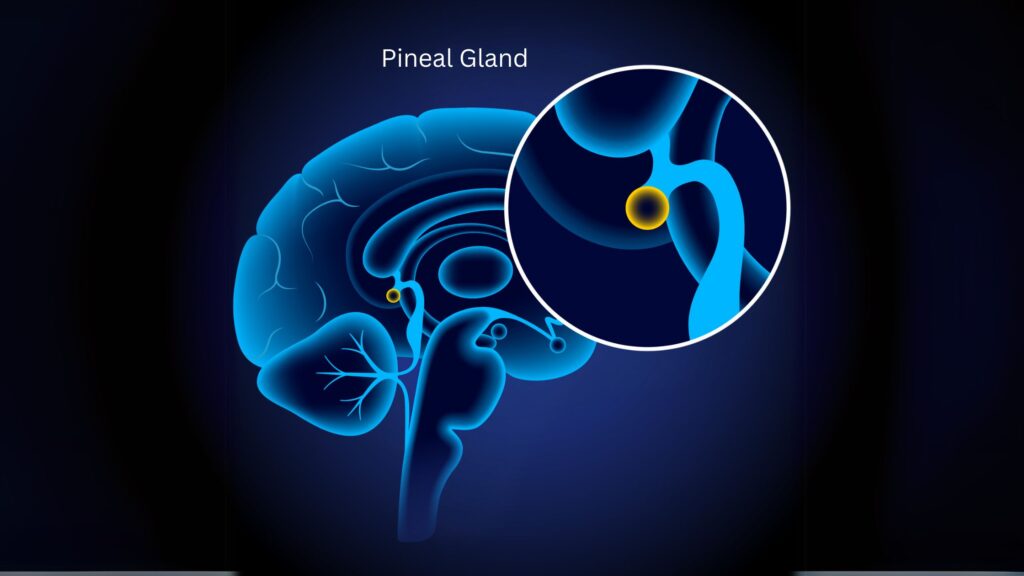
The pineal gland, a small, pea-shaped endocrine organ located in the epithalamus of the brain, is often referred to as the “third eye” due to its role in regulating circadian rhythms and sleep patterns through the secretion of melatonin. This gland has garnered significant attention due to its involvement in various physiological processes and its susceptibility to environmental factors, including fluoride exposure and calcification. The pineal gland is primarily responsible for synthesizing melatonin, a hormone that plays a critical role in signaling the body to prepare for...

The Therapeutic Potential of Herbs and Spices
The utilization of herbs and spices in Traditional Chinese Medicine (TCM) and Ayurvedic medicine exemplifies the profound interconnection between culinary practices and health. For centuries, these natural ingredients have been integral to holistic health systems, serving not only as flavor enhancers in diverse cuisines but also as potent therapeutic agents. In TCM, herbs are meticulously selected based on their properties to restore balance and harmony within the body, while Ayurvedic practices emphasize the use of spices to support digestion, enhance vitality, and prevent disease. This...

The Role of Essential Minerals
Minerals are inorganic elements that play a fundamental role in numerous physiological processes essential for human health. Unlike macronutrients such as carbohydrates, proteins, and fats, which provide energy, minerals are crucial for a variety of functions, including structural support, enzymatic reactions, and the regulation of metabolic pathways. The human body requires a range of minerals, categorized into macrominerals (needed in larger amounts) and trace minerals (required in smaller quantities), each serving distinct and vital roles. The significance of these essential minerals...

Circadian Rhythm and Sleep Quality
Sleep is a complex physiological state governed by various biological rhythms, primarily the circadian rhythm, which plays a crucial role in regulating sleep-wake cycles, hormone secretion, and numerous metabolic processes. Understanding the intricacies of circadian rhythms, their impact on sleep quality, and the factors that disrupt them is essential for improving sleep health. Additionally, the influence of external factors such as lunar phases, particularly the full moon, has garnered attention in recent research, suggesting that these cycles may also affect sleep patterns. Definition...

Sleep: A Critical Factor in Health and Well-being
Sleep is a fundamental physiological process that significantly impacts both physical and mental health. Sleep is characterized by altered consciousness, reduced sensory activity, inhibition of voluntary muscles, and a decrease in interactions with the environment. The quality and duration of sleep are crucial for various bodily functions, including cognitive performance, emotional regulation, and overall well-being. However, sleep can also be adversely affected by numerous factors, leading to a range of health issues. Positive Effects of Sleep on Health Adequate sleep is essential for...

Ancient Wisdom in Modern Health
The coexistence of various forms of medicine reflects a rich tapestry of cultural beliefs, historical contexts, and philosophical underpinnings that shape health practices across the globe. Among these, Naturopathic medicine, Traditional Chinese Medicine (TCM), and Ayurveda stand out as prominent systems, each offering unique approaches to health and wellness. Naturopathic medicine emphasizes the body’s inherent ability to heal itself, advocating for natural remedies and lifestyle changes to promote health. This system is rooted in principles such as the healing power of nature,...
Metals: A Neglected Source of CVD Risk
Evidence on the role of environmental metals in cardiovascular disease has rapidly increased over the past two decades. In a linked article, Chowdhury and colleagues (doi:10.1136/bmj.k3435) present a comprehensive systematic review and meta-analysis of the associations between the exposure to arsenic, lead, cadmium, mercury, and copper and the risk of cardiovascular disease.1 The first four metals were selected because of widespread population exposure and inclusion in the World Health Organization’s priority list of chemicals of major public health concern. Copper was selected because of...
Heavy Metals and Cardiovascular Disease
We assessed the role of lead and cadmium as partial mediators between smoking and composite cardiovascular and cerebrovascular disease (CCVD). We also studied the association between urinary heavy metals and CCVD. Pooled data from NHANES 1999-2006 were examined. Cardiovascular and cerebrovascular disease was determined using a standardized questionnaire asking about history of stroke, angina, heart attack, coronary artery disease, and congestive heart failure. Increasing serum cadmium levels were associated with increasing prevalence of CCVD (P-trend: .03). Adjusted odds-ratio (OR) for...

Heavy Metals Exposure in Children
Heavy metals pose a significant health risk to children, whose developing bodies are particularly vulnerable to the toxic effects of these substances. Exposure to heavy metals such as lead, mercury, cadmium, and arsenic can occur through various routes, including ingestion, inhalation, and dermal contact. Recent studies have highlighted the need for increased awareness of these risks, particularly in light of new findings regarding heavy metals in baby food. Exposure Routes of Heavy Metals Children are primarily exposed to heavy metals through contaminated food, water, air, and soil....

Red Light and Gum Disease
The therapeutic application of red light in the treatment of gum disease, particularly periodontitis, has garnered significant attention in recent years due to its potential to enhance traditional treatment modalities. This article synthesizes various studies that explore the efficacy of red light therapy, specifically in the context of antimicrobial photodynamic therapy (aPDT) and its effects on periodontal pathogens, particularly the notorious red complex bacteria, which include Porphyromonas gingivalis, Tannerella forsythia, and Treponema denticola. The red complex bacteria are...

Low-Level Laser Therapy on Tinnitus
AbstractTinnitus, characterized by the perception of sound in the absence of external stimuli, affects a significant portion of the population and poses a challenge for effective treatment. Low-level laser therapy (LLLT), also known as red light therapy, has emerged as a potential therapeutic intervention. This article reviews the current literature on the efficacy of LLLT in managing tinnitus, exploring its mechanisms, clinical outcomes, and implications for future research. IntroductionTinnitus is a complex auditory phenomenon that can significantly impair quality of life. Traditional...

Red Light Therapy
Red light therapy (RLT), also known as photobiomodulation (PBM), has garnered attention as a non-invasive treatment modality with numerous health benefits. This therapy utilizes specific wavelengths of red light, typically ranging from 600 to 1000 nm, to stimulate cellular processes and promote healing. The therapeutic effects of RLT extend across various fields, including cellular health, dermatology, orthopedic applications, and pain management, as supported by recent scientific research. The mechanism underlying red light therapy primarily involves its interaction with cellular...
Medical Disclaimer
The information provided in this document is intended for educational and informational purposes only and should not be construed as medical advice, diagnosis, or treatment. It is essential to consult a qualified healthcare professional for any medical concerns or conditions. The content herein does not substitute for professional medical advice, and individuals should not disregard or delay seeking medical advice based on the information provided.
The authors and publishers of this document do not assume any responsibility for any adverse effects or consequences resulting from the use or application of the information contained herein. The reader is encouraged to conduct their own research and consult with healthcare providers to make informed decisions regarding their health and treatment options. Furthermore, the information presented may not reflect the most current research or medical guidelines, as medical knowledge is continually evolving. Therefore, it is imperative to verify the information with up-to-date, peer-reviewed sources and consult with medical professionals for personalized advice.