
Probiotics and Their Role in Modulating NF-κB Activity
Nuclear Factor kappa-light-chain-enhancer of activated B cells (NF-κB) is a crucial transcription factor involved in regulating immune responses, inflammation, and cell survival. Chronic activation of NF-κB is associated with various inflammatory diseases, autoimmune disorders, and cancers. Probiotics, which are live microorganisms that confer health benefits to the host, have been shown to modulate NF-κB activity and may serve as a therapeutic strategy for managing conditions associated with chronic inflammation.
Types of Probiotics Beneficial for NF-κB Modulation
Lactobacillus Species
Lactobacillus acidophilus: This strain has demonstrated anti-inflammatory effects by reducing the secretion of pro-inflammatory cytokines and inhibiting NF-κB activation in intestinal epithelial cells (Sun et al., 2020).
Lactobacillus reuteri: Known for its ability to protect against UVB-induced inflammatory responses, L. reuteri has been shown to modulate NF-κB signaling, contributing to its anti-inflammatory properties (Perkins et al., 2019).

Bifidobacterium Species
Bifidobacterium animalis subsp. lactis: This strain, when combined with L. acidophilus, exhibited a stronger anti-inflammatory effect than individual strains, significantly reducing NF-κB activation in response to lipopolysaccharides (LPS) (Sun et al., 2020).
Bifidobacterium bifidum: This strain has been identified as a promising candidate for probiotic intervention in inflammatory diseases of the gastrointestinal tract, showing potential in modulating NF-κB activity (Sun et al., 2020).
Saccharomyces Species
Saccharomyces boulardii: This probiotic yeast is effective in treating gastrointestinal disorders and has been shown to inhibit NF-κB activation, thereby reducing inflammation (Beamer et al., 2012).
Other Probiotic Strains
Bacillus cereus: Certain strains of Bacillus have been found to enhance immune responses and modulate NF-κB signaling pathways, contributing to improved gut health (Beamer et al., 2012).
Paracoccus marcusii: This strain has been studied for its effects on immune-related gene expression and its potential to influence NF-κB signaling in marine organisms (Beamer et al., 2012).
Mechanisms of Action
Probiotics exert their anti-inflammatory effects through various mechanisms, including:
Modulation of Cytokine Production: Probiotics can decrease the production of pro-inflammatory cytokines such as TNF-α, IL-1β, and IL-8 while increasing anti-inflammatory cytokines like IL-10 (Sadik & Luster, 2011).
Inhibition of NF-κB Activation: Probiotics can inhibit the phosphorylation and degradation of IκB proteins, preventing the translocation of NF-κB to the nucleus and subsequent gene expression of inflammatory mediators (Serhan & Levy, 2018; Muralidharan & Mandrekar, 2013).
Regulation of Gut Barrier Function: Probiotics enhance the integrity of the intestinal barrier, reducing the translocation of pathogens and inflammatory stimuli that can activate NF-κB (Cara et al., 2019).
Clinical Implications
The modulation of NF-κB by probiotics presents a promising therapeutic avenue for various diseases associated with chronic inflammation, including:
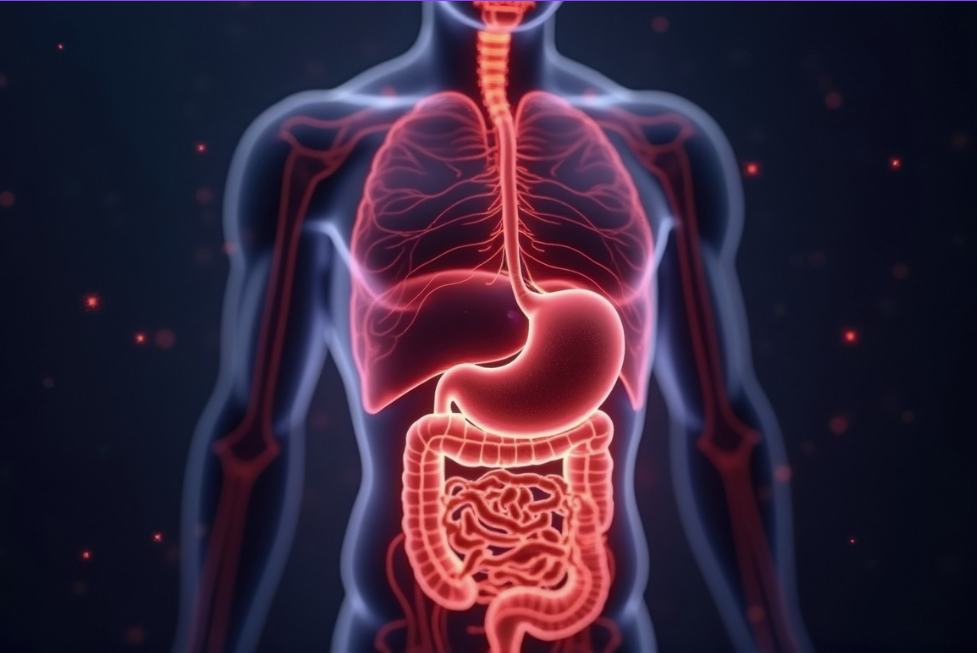
Inflammatory Bowel Disease (IBD): Probiotics have been shown to improve symptoms and reduce inflammation in conditions like Crohn’s disease and ulcerative colitis by modulating NF-κB signaling (Serhan & Levy, 2018; Cara et al., 2019).
Irritable Bowel Syndrome (IBS): Probiotic supplementation may alleviate symptoms of IBS by reducing gut inflammation and restoring microbial balance (Dong, 2020).
Metabolic Disorders: Probiotics can improve insulin sensitivity and reduce inflammation in obesity and type 2 diabetes by modulating NF-κB activity (Dong, 2020).
Respiratory Diseases: Probiotics may help manage chronic respiratory conditions by modulating immune responses and reducing inflammation (Machairiotis et al., 2021).
Conclusion
Probiotics, particularly strains such as Lactobacillus, Bifidobacterium, and Saccharomyces, have shown promise in modulating NF-κB activity and reducing inflammation. Their ability to influence immune responses makes them valuable in managing chronic inflammatory diseases. Further research is needed to fully elucidate the mechanisms by which probiotics exert their effects and to optimize their use in clinical practice.
References
1. Li et al. “Combination of Lactobacillus acidophilus and Bifidobacterium animalis subsp. lactis Shows a Stronger Anti-Inflammatory Effect than Individual Strains in HT-29 Cells” *Nutrients* (2019) doi:10.3390/nu11050969.
2. Patra et al. “Effects of Probiotics at the Interface of Metabolism and Immunity to Prevent Colorectal Cancer-Associated Gut Inflammation: A Systematic Network and Meta-Analysis With Molecular Docking Studies” *Frontiers in Microbiology* (2022) doi:10.3389/fmicb.2022.878297.
3. Golfetto et al. “LOWER BIFIDOBACTERIA COUNTS IN ADULT PATIENTS WITH CELIAC DISEASE ON A GLUTEN-FREE DIET” *Arquivos de Gastroenterologia* (2014) doi:10.1590/s0004-28032014000200013.
4. Yang et al. “Effects of dietary Bacillus cereus G19, B. cereus BC-01, and Paracoccus marcusii DB11 supplementation on the growth, immune response, and expression of immune-related genes in coelomocytes and intestine of the sea cucumber (Apostichopus japonicus Selenka)” *Fish & Shellfish Immunology* (2015) doi:10.1016/j.fsi.2015.05.032.
5. Khmaladze et al. “Lactobacillus reuteri DSM 17938—A comparative study on the effect of probiotics and lysates on human skin” *Experimental Dermatology* (2019) doi:10.1111/exd.13950.
6. Askandar and Ebrahimi “The Impact of Probiotics in Respiratory Diseases” *Polytechnic Journal* (2020) doi:10.25156/ptj.v10n1y2020.pp148-156.
7. Patra et al. “Effects of Probiotics at the Interface of Metabolism and Immunity to Prevent Colorectal Cancer-Associated Gut Inflammation: A Systematic Network and Meta-Analysis With Molecular Docking Studies” *Frontiers in Microbiology* (2022) doi:10.3389/fmicb.2022.878297.
8. Nelwan “Role of probiotic as adjuvant in treating various infections: a systematic review and meta-analysis” *BMC Infectious Diseases* (2024) doi:10.1186/s12879-024-09259-3.
9. Corridoni et al. “Probiotic Bacteria Regulate Intestinal Epithelial Permeability in Experimental Ileitis by a TNF-Dependent Mechanism” *PLOS ONE* (2012) doi:10.1371/journal.pone.0042067.
10. Gomes et al. “Gut microbiota, probiotics and diabetes” *Nutrition Journal* (2014) doi:10.1186/1475-2891-13-60.
11. Mortaz et al. “Probiotics in the Management of Lung Diseases” *Mediators of Inflammation* (2013) doi:10.1155/2013/751068.
More Articles You May Like
Metals: A Neglected Source of CVD Risk
Evidence on the role of environmental metals in cardiovascular disease has rapidly increased over the past two decades. In a linked article, Chowdhury and colleagues (doi:10.1136/bmj.k3435) present a comprehensive systematic review and meta-analysis of the associations between the exposure to arsenic, lead, cadmium, mercury, and copper and the risk of cardiovascular disease.1 The first four metals were selected because of widespread population exposure and inclusion in the World Health Organization’s priority list of chemicals of major public health concern. Copper was selected because of...

Magnesium
Magnesium is an essential mineral that plays a vital role in numerous physiological functions, including energy production, muscle contraction, and nerve transmission. Given its importance, various forms of magnesium supplements are available, each with unique properties, benefits, and absorption characteristics. This article discusses the different types of magnesium, their benefits, natural sources, daily requirements, and a comparative analysis to help individuals choose the most suitable form for their needs. Additionally, we will explore how magnesium is synthesized in laboratories,...
Heavy Metals and Cardiovascular Disease
We assessed the role of lead and cadmium as partial mediators between smoking and composite cardiovascular and cerebrovascular disease (CCVD). We also studied the association between urinary heavy metals and CCVD. Pooled data from NHANES 1999-2006 were examined. Cardiovascular and cerebrovascular disease was determined using a standardized questionnaire asking about history of stroke, angina, heart attack, coronary artery disease, and congestive heart failure. Increasing serum cadmium levels were associated with increasing prevalence of CCVD (P-trend: .03). Adjusted odds-ratio (OR) for...
Nicotinamide Adenine Dinucleotide (NAD)
Nicotinamide adenine dinucleotide (NAD) is a crucial coenzyme found in all living cells, playing a vital role in various biological processes, including energy metabolism, DNA repair, and cell signaling. This article will explore the history and description of NAD, the emerging trend of intravenous (IV) NAD therapy, its benefits and precautions, natural sources, the significance of redox reactions in its function, the differences between various NAD supplements, and important considerations for consumers seeking NAD supplementation. History of NAD The discovery of NAD dates back to the...
Alpha-2 Macroglobulin
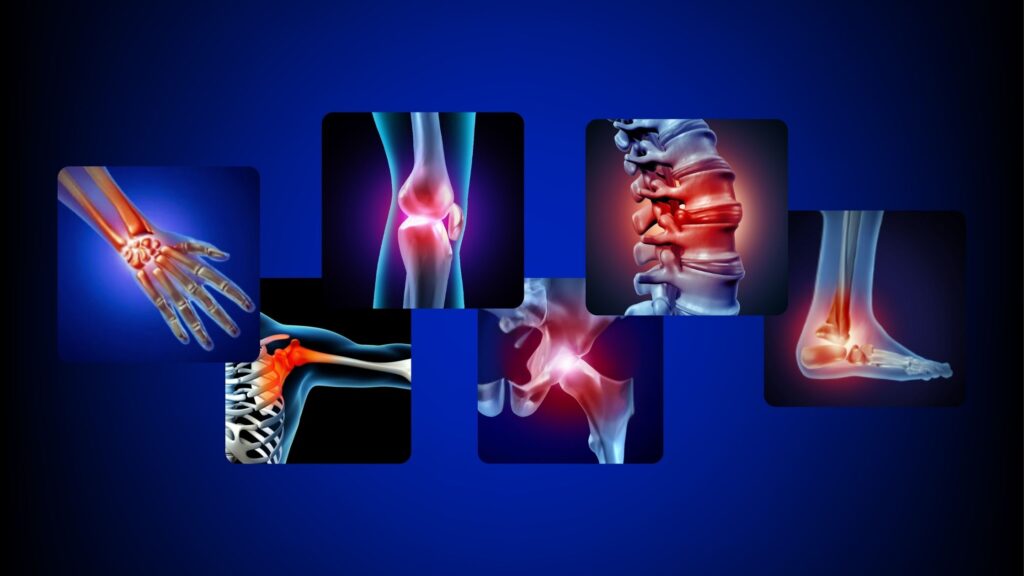
Alpha-2 Macroglobulin (A2M) is a large protein found in the blood that plays a significant role in the body’s immune response and tissue repair processes. It is classified as a protease inhibitor, meaning it can bind to and inhibit the activity of various enzymes that break down proteins, known as proteases. This function is crucial because excessive protease activity can lead to tissue damage and inflammation, which are common in various medical conditions, including orthopedic injuries and diseases (Huang et al., 2022; Vandooren & Itoh, 2021). A2M is produced primarily in the...

Stem Cells in Orthopedics
Stem cell therapy has emerged as a transformative approach in orthopedic medicine, particularly for conditions involving cartilage damage, bone defects, and other musculoskeletal disorders. This article reviews the current applications of stem cell therapy in orthopedics, focusing on mesenchymal stem cells (MSCs), their sources, therapeutic potential, challenges, and future directions. Introduction Orthopedic conditions, including osteoarthritis, cartilage injuries, and nonunion fractures, pose significant challenges in clinical practice. Traditional treatment modalities often provide...
Electromagnetic Pollution
Electromagnetic pollution, a byproduct of the rapid advancement of technology and urbanization, has emerged as a significant environmental concern. This pollution is primarily caused by artificial sources of electromagnetic fields (EMFs), which include mobile phones, broadcasting stations, and various electrical appliances. The ubiquity of these technologies has led to an increase in exposure to EM radiation, raising alarms regarding potential health risks associated with long-term exposure (Guan et al., 2013; Yetiş & KAYILI, 2021). Research indicates that electromagnetic pollution...

Health Effects of EMF and 5G
The effects of electromagnetic fields (EMF) and the emerging 5G technology on human health have become a focal point of scientific inquiry and public concern. As the deployment of 5G networks accelerates globally, understanding the implications of EMF exposure is crucial. This article aims to provide a comprehensive overview of the types of EMF exposure, the amount of exposure associated with 5G, the potential health effects, symptoms of high exposure, and strategies for mitigation. Types of EMF Exposure EMF exposure can be categorized into two primary types: extremely low frequency (ELF)...
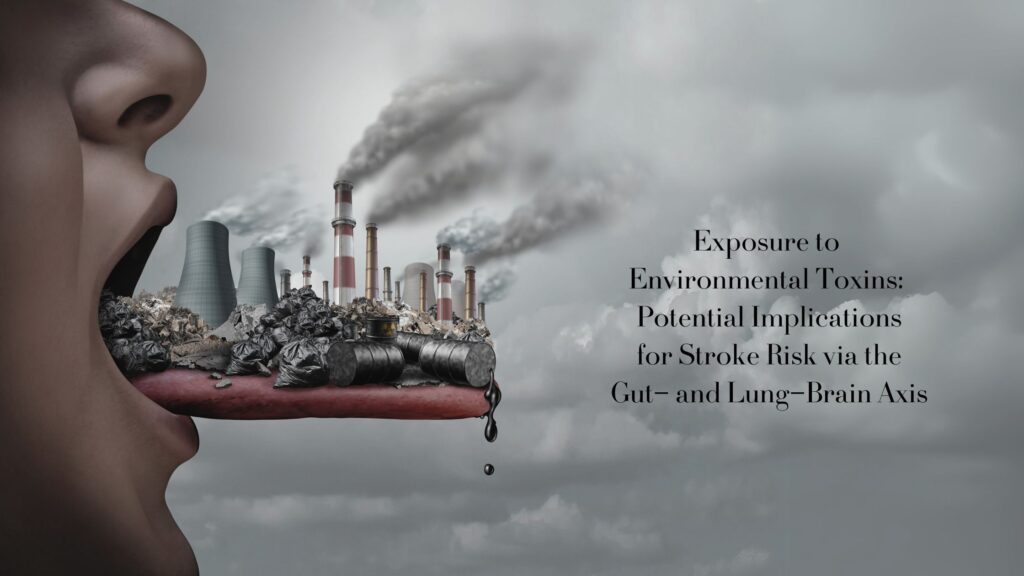
Environmental Toxins and Stroke Risk
Recent evidence indicates that exposure to environmental toxins, both short-term and long-term, can increase the risk of developing neurological disorders, including neurodegenerative diseases (i.e., Alzheimer’s disease and other dementias) and acute brain injury (i.e., stroke). For stroke, the latest systematic analysis revealed that exposure to ambient particulate matter is the second most frequent stroke risk after high blood pressure. However, preclinical and clinical stroke investigations on the deleterious consequences of environmental pollutants are scarce. This review examines...
HUC-MSCs Promising Therapeutic Options
Abstract: Human umbilical cord mesenchymal stem cells (HUC-MSCs) have emerged as a promising therapeutic option for various medical conditions, including autoimmune diseases, autism spectrum disorders (ASD), longevity-related health issues, and orthopedic applications. This article reviews the current understanding of HUC-MSCs, their mechanisms of action, and their potential applications in these areas. The unique properties of HUC-MSCs, such as their immunomodulatory effects, ability to differentiate into various cell types, and paracrine signaling capabilities, position them as a...
Environmental Toxic Metals and CVD Risk
Objective: To conduct a systematic review and meta-analysis of epidemiological studies investigating the association of arsenic, lead, cadmium, mercury, and copper with cardiovascular disease. Design: Systematic review and meta-analysis. Data sources PubMed, Embase, and Web of Science searched up to December 2017. Review methods: Studies reporting risk estimates for total cardiovascular disease, coronary heart disease, and stroke for levels of arsenic, lead, cadmium, mercury, or copper were included. Two investigators independently extracted information on study characteristics and...

Vitamin D and D3
Sources, Functions, and Health Implications Vitamin D is a fat-soluble vitamin that plays a crucial role in various physiological processes, including calcium and phosphorus metabolism, bone health, and immune function. It exists in two primary forms: vitamin D2 (ergocalciferol) and vitamin D3 (cholecalciferol). Vitamin D2 is primarily derived from plant sources, particularly fungi and yeast, while vitamin D3 is predominantly obtained from animal sources and synthesized in the skin upon exposure to ultraviolet B (UVB) light (Park et al., 2019; Benedik, 2022). Understanding the best...
Medical Disclaimer
The information provided in this document is intended for educational and informational purposes only and should not be construed as medical advice, diagnosis, or treatment. It is essential to consult a qualified healthcare professional for any medical concerns or conditions. The content herein does not substitute for professional medical advice, and individuals should not disregard or delay seeking medical advice based on the information provided.
The authors and publishers of this document do not assume any responsibility for any adverse effects or consequences resulting from the use or application of the information contained herein. The reader is encouraged to conduct their own research and consult with healthcare providers to make informed decisions regarding their health and treatment options. Furthermore, the information presented may not reflect the most current research or medical guidelines, as medical knowledge is continually evolving. Therefore, it is imperative to verify the information with up-to-date, peer-reviewed sources and consult with medical professionals for personalized advice.