
Electromagnetic Pollution
Electromagnetic pollution, a byproduct of the rapid advancement of technology and urbanization, has emerged as a significant environmental concern. This pollution is primarily caused by artificial sources of electromagnetic fields (EMFs), which include mobile phones, broadcasting stations, and various electrical appliances. The ubiquity of these technologies has led to an increase in exposure to EM radiation, raising alarms regarding potential health risks associated with long-term exposure (Guan et al., 2013; Yetiş & KAYILI, 2021).
Research indicates that electromagnetic pollution can adversely affect human health. Long-term exposure to EM fields has been linked to various health issues, including increased risks of cancer, neurological disorders, and immune system dysfunctions (Dikun et al., 2015; “Effects of Electromagnetic Fields on Human Health”, 2023). For instance, studies have shown that children are particularly vulnerable to the effects of EM radiation, with significant penetration of fields into sensitive tissues such as the brain (Stanković et al., 2017). Furthermore, the International Commission on Non-Ionizing Radiation Protection has highlighted the need for stringent regulations to mitigate these health risks, especially in urban environments where EM pollution is more pronounced (Azza et al., 2021).

Electromagnetic shielding has been identified as a critical strategy for reducing exposure to harmful EM radiation. Various materials, including carbon-based composites and specialized nanomaterials, have been developed to enhance shielding effectiveness against EM fields (Svobodová et al., 2020; Bao et al., 2022; Munalli et al., 2019). These materials can absorb or reflect EM radiation, thereby protecting individuals from potential health hazards associated with prolonged exposure (Du et al., 2020). The effectiveness of these materials is crucial, particularly in densely populated urban areas where the sources of EM pollution are abundant (Gao & Zhu, 2012).
Moreover, the environmental implications of electromagnetic pollution extend beyond human health. The proliferation of EM radiation can disrupt local ecosystems, affecting both flora and fauna. For example, studies have indicated that EM fields can interfere with the biological processes of various organisms, leading to altered behavior and reproductive issues (Sultangaliyeva & Beisenova, 2022; Li & Pang, 2011). This highlights the need for comprehensive assessments of EM pollution’s ecological impact, alongside its health effects.
In conclusion, electromagnetic pollution represents a multifaceted challenge that necessitates a coordinated response involving public health initiatives, regulatory frameworks, and technological innovations in shielding materials. As society continues to embrace advanced technologies, it is imperative to address the potential health and environmental risks associated with EM radiation to ensure sustainable urban development and protect public health.
References
- Azza, G., Ibrahim, E., & Magda, I. (2021). Using new technological methods in defining safe ranges for electromagnetic radiations in built environment. Journal of Environmental Science, 50(3), 67-87. https://doi.org/10.21608/jes.2021.181765
- Bao, W., Liu, Y., & Zhao, X. (2022). Recent research progress of carbon-based and their composites for electromagnetic waves absorption. Textile Research Journal, 93(7-8), 1889-1912. https://doi.org/10.1177/00405175221136290
- Dikun, J., Jankūnas, V., Guseinovienė, E., Galdikas, L., & Akıncı, T. (2015). Effects of weather conditions on electromagnetic field parameters. 1-7. https://doi.org/10.1109/ever.2015.7112935
- Du, S., Chen, H., & Hong, R. (2020). Preparation and electromagnetic properties characterization of reduced graphene oxide/strontium hexaferrite nanocomposites. Nanotechnology Reviews, 9(1), 105-114. https://doi.org/10.1515/ntrev-2020-0010
- Gao, Y., & Zhu, H. (2012). Spatial distribution and pollution risk analysis of electromagnetic radiation in Changchun city. Advanced Materials Research, 610-613, 733-738. https://doi.org/10.4028/www.scientific.net/amr.610-613.733
- Guan, D., Xu, G., Sun, Y., Sun, C., Zhou, W., Xu, W., … & Li, H. (2013). Urban electromagnetic environmental pollution and protection. Advanced Materials Research, 726-731, 4190-4193. https://doi.org/10.4028/www.scientific.net/amr.726-731.4190
- Li, G., & Pang, X. (2011). Biological effects of environmental electromagnetic fields. Advanced Materials Research, 183-185, 532-536. https://doi.org/10.4028/www.scientific.net/amr.183-185.532
- Munalli, D., Dimitrakis, G., Chronopoulos, D., Greedy, S., & Long, A. (2019). Electromagnetic shielding effectiveness of carbon fibre reinforced composites. Composites Part B Engineering, 173, 106906. https://doi.org/10.1016/j.compositesb.2019.106906
- Stanković, V., Jovanović, D., Krstić, D., Marković, V., & Dunjić, M. (2017). Calculation of electromagnetic field from mobile phone induced in the pituitary gland of children head model. Vojnosanitetski Pregled, 74(9), 854-861. https://doi.org/10.2298/vsp151130279s
- Sultangaliyeva, I., & Beisenova, R. (2022). Assessment of the effect of electromagnetic radiation from cell phones using the Daphnia magna test object. Eurasian Journal of Ecology, 72(3). https://doi.org/10.26577/eje.2022.v72.i3.06
- Svobodová, L., Bakalová, T., Tunáková, V., Hiep, L., Ryvolová, M., Kavánová, A., … & Voleský, L. (2020). Geopolymers with carbon or basalt grids and incorporated MgO nanoparticles for shielding electromagnetic radiation. https://doi.org/10.37904/nanocon.2019.8548
- Yetiş, C., & Kayılı, M. (2021). Determination of EMF pollution in the context of urban health: the case of Safranbolu. Computational Research Progress in Applied Science and Engineering, 7(4), 1-10. https://doi.org/10.52547/crpase.7.4.2418
- (2023). Effects of electromagnetic fields on human health. International Journal of Advanced Natural Sciences and Engineering Researches. https://doi.org/10.59287/as-ijanser.13
More Articles You May Like
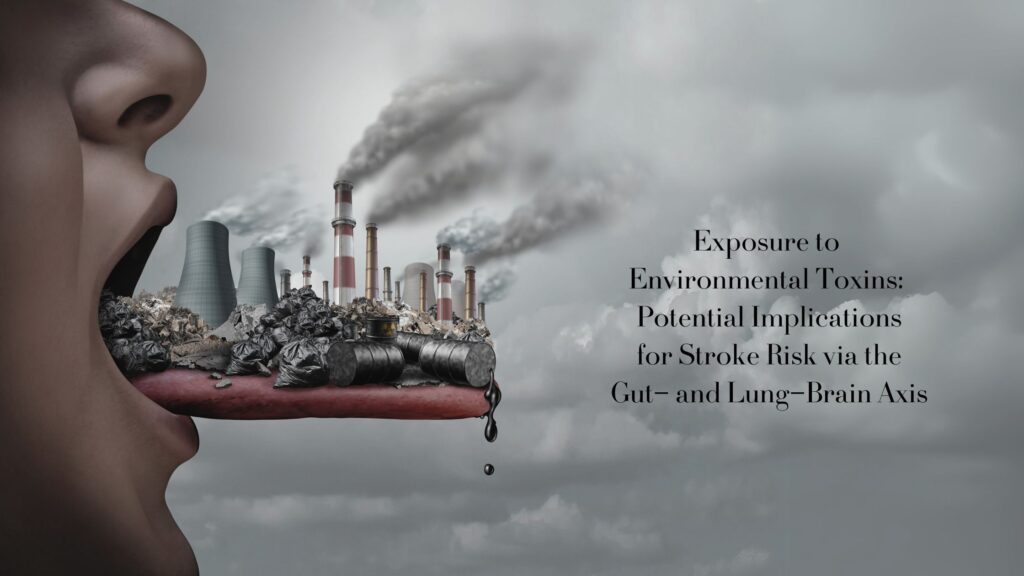
Environmental Toxins and Stroke Risk
Recent evidence indicates that exposure to environmental toxins, both short-term and long-term, can increase the risk of developing neurological disorders, including neurodegenerative diseases (i.e., Alzheimer’s disease and other dementias) and acute brain injury (i.e., stroke). For stroke, the latest systematic analysis revealed that exposure to ambient particulate matter is the second most frequent stroke risk after high blood pressure. However, preclinical and clinical stroke investigations on the deleterious consequences of environmental pollutants are scarce. This review examines...
Environmental Toxic Metals and CVD Risk
Objective: To conduct a systematic review and meta-analysis of epidemiological studies investigating the association of arsenic, lead, cadmium, mercury, and copper with cardiovascular disease. Design: Systematic review and meta-analysis. Data sources PubMed, Embase, and Web of Science searched up to December 2017. Review methods: Studies reporting risk estimates for total cardiovascular disease, coronary heart disease, and stroke for levels of arsenic, lead, cadmium, mercury, or copper were included. Two investigators independently extracted information on study characteristics and...

Abstracts: Genotoxic Effects of MSG
Recent Abstracts: Genotoxic Effects of MSG Aghaei et al. (2021) explores the damaging effects of Monosodium Glutamate on DNA and the body’s endogenous pathways for DNA repair. The review emphasizes that with the increasing use of food additives like MSG, the risk of DNA damage is becoming more prominent. It discusses the genotoxicity of MSG, methods to detect and repair DNA damage, and natural compounds that may help prevent such damage. This comprehensive overview provides a foundational understanding of how MSG can affect genetic material.Hazzaa et al. (2020) further...

Carrageenan: Clarifying the Confusion
Carrageenan (CGN) is a common food additive that has been widely used for decades as a gelling, thickening and stabilizing agent. Carrageenan has been proven safe for human consumption; however, there has been significant confusion in the literature between CGN and the products of intentional acid-hydrolysis of CGN, which are degraded CGN (d-CGN) and poligeenan (PGN). In part, this confusion was due to the nomenclature used in early studies on CGN, where poligeenan was referred to as “degraded carrageenan” (d-CGN) and “degraded carrageenan” was simply referred to as carrageenan. Although...

Innovative Strategy to Combat Ageing
The accumulation of senescent cells leads to age-related impairments and diseases. So far, there have been no treatments that can exclusively target these senescent cells. Now, in an exciting new development, researchers have developed a vaccine specific to a protein found in senescent cells, thereby allowing their targeted elimination. The discovery paves the way towards a strategy to combat ageing and age-related diseases. Extending lifespan has always been the holy grail of medical research. Although life expectancy has improved considerably, aging and age-related diseases continue to...

Seafood, Heavy Metals, and Lipid Profile
The association between the consumption of seafood and its benefits on cardiovascular (CVD) risk can be challenged by its heavy metal (HM) content. This study aimed to explore the association of seafood consumption and its estimated HM contents with the lipid profile and lipid oxidation biomarkers in adults from a Spanish Mediterranean area who do not present risk factors for CVD. In this cross-sectional study, the clinical history, three-day dietary record, lipid profile (LDLc, HDLc, APOB/A, and triglyceride levels), plasma oxidised LDL (oxLDL) and 8-isoprostane levels of 81 adults...

Heavy Metal Poisoning and CVD
Cardiovascular disease (CVD) is an increasing world health problem. Traditional risk factors fail to account for all deaths from CVD. It is mainly the environmental, dietary and lifestyle behavioral factors that are the control keys in the progress of this disease. The potential association between chronic heavy metal exposure, like arsenic, lead, cadmium, mercury, and CVD has been less well defined. The mechanism through which heavy metals act to increase cardiovascular risk factors may act still remains unknown, although impaired antioxidants metabolism and oxidative stress may play a...

Delete This Heavy Metals Exposure in Children
Heavy metals pose a significant health risk to children, whose developing bodies are particularly vulnerable to the toxic effects of these substances. Exposure to heavy metals such as lead, mercury, cadmium, and arsenic can occur through various routes, including ingestion, inhalation, and dermal contact. Recent studies have highlighted the need for increased awareness of these risks, particularly in light of new findings regarding heavy metals in baby food. Exposure Routes of Heavy Metals Children are primarily exposed to heavy metals through contaminated food, water, air, and soil....
Delete Heavy Metals and Cardiovascular Disease
We assessed the role of lead and cadmium as partial mediators between smoking and composite cardiovascular and cerebrovascular disease (CCVD). We also studied the association between urinary heavy metals and CCVD. Pooled data from NHANES 1999-2006 were examined. Cardiovascular and cerebrovascular disease was determined using a standardized questionnaire asking about history of stroke, angina, heart attack, coronary artery disease, and congestive heart failure. Increasing serum cadmium levels were associated with increasing prevalence of CCVD (P-trend: .03). Adjusted odds-ratio (OR) for...
Delete this— Metals: A Neglected Source of CVD Risk
Evidence on the role of environmental metals in cardiovascular disease has rapidly increased over the past two decades. In a linked article, Chowdhury and colleagues (doi:10.1136/bmj.k3435) present a comprehensive systematic review and meta-analysis of the associations between the exposure to arsenic, lead, cadmium, mercury, and copper and the risk of cardiovascular disease.1 The first four metals were selected because of widespread population exposure and inclusion in the World Health Organization’s priority list of chemicals of major public health concern. Copper was selected because of...
Heavy Metals CVD Risk Prediction
Background To evaluate whether blood markers of lead, cadmium, and mercury can improve prediction for cardiovascular disease (CVD) mortality when added individually, jointly, or as an integrative index/Environmental Risk Score (ERS), in a model with established risk factors. Methods and Results Our study sample comprised 16 028 adults aged ≥40 years who were enrolled in the National Health and Nutrition Examination Survey 1999–2012 and followed up through December 31, 2015. The study sample was randomly split into training for the ERS construction (n=8043) and testing for the evaluation...
Medical Disclaimer
The information provided in this document is intended for educational and informational purposes only and should not be construed as medical advice, diagnosis, or treatment. It is essential to consult a qualified healthcare professional for any medical concerns or conditions. The content herein does not substitute for professional medical advice, and individuals should not disregard or delay seeking medical advice based on the information provided.
The authors and publishers of this document do not assume any responsibility for any adverse effects or consequences resulting from the use or application of the information contained herein. The reader is encouraged to conduct their own research and consult with healthcare providers to make informed decisions regarding their health and treatment options. Furthermore, the information presented may not reflect the most current research or medical guidelines, as medical knowledge is continually evolving. Therefore, it is imperative to verify the information with up-to-date, peer-reviewed sources and consult with medical professionals for personalized advice.