
Health Effects of Electromagnetic Fields (EMF) and 5G Technology
The effects of electromagnetic fields (EMF) and the emerging 5G technology on human health have become a focal point of scientific inquiry and public concern. As the deployment of 5G networks accelerates globally, understanding the implications of EMF exposure is crucial. This article aims to provide a comprehensive overview of the types of EMF exposure, the amount of exposure associated with 5G, the potential health effects, symptoms of high exposure, and strategies for mitigation.
Types of EMF Exposure
EMF exposure can be categorized into two primary types: extremely low frequency (ELF) fields and radiofrequency (RF) fields. ELF fields, ranging from 3 Hz to 3 kHz, are typically associated with high-voltage power lines and household wiring, while RF fields, which span from 30 kHz to 300 GHz, encompass mobile phones, WiFi, and 5G technologies (Moon, 2020; Tokpınar et al., 2024). The biological effects of EMFs can be classified into thermal and non-thermal effects. Thermal effects are well understood and are primarily due to the heating of tissues, whereas non-thermal effects, which include cellular and molecular changes, are less understood and remain a topic of ongoing research (Moon, 2020; Schuermann & Mevissen, 2021).
Amount of Exposure
The amount of EMF exposure varies significantly depending on the source and proximity to the emitting device. In the context of 5G, the technology utilizes higher frequency bands, particularly those above 6 GHz, which raises concerns about increased exposure levels due to the densification of base stations (Chiaraviglio et al., 2021; Karipidis et al., 2021). Studies have shown that the deployment of 5G networks, characterized by a higher density of antennas, could lead to a notable increase in EMF exposure for nearby populations (Ibraiwish et al., 2022; Nasir et al., 2022). However, regulatory bodies such as the International Commission on Non-Ionizing Radiation Protection (ICNIRP) have established guidelines that aim to limit public exposure to RF fields, asserting that current levels remain below thresholds deemed harmful (Karipidis et al., 2021; Jain & Jain, 2022).
Health Effects
The health effects associated with EMF exposure, particularly from RF fields, have been widely debated. Research indicates potential links between EMF exposure and various health outcomes, including cancer, reproductive health issues, and neurological disorders (Tokpınar et al., 2024; Miller et al., 2019). The International Agency for Research on Cancer (IARC) has classified RF EMF as possibly carcinogenic to humans (Group 2B), highlighting the need for further investigation into its long-term effects (Schuermann & Mevissen, 2021). Additionally, studies have reported that prolonged exposure to RF EMF may induce oxidative stress, leading to cellular damage and inflammation (Jeong et al., 2018; Schuermann & Mevissen, 2021). For instance, Jeong et al. demonstrated that long-term RF exposure could exacerbate oxidative stress and neuroinflammation in aging brains (Jeong et al., 2018).

Symptoms of High Exposure
Individuals exposed to high levels of EMF may experience a range of symptoms, often referred to as electromagnetic hypersensitivity (EHS). Common symptoms reported include headaches, fatigue, sleep disturbances, and cognitive difficulties (Miller et al., 2019; Schuermann & Mevissen, 2021). While the scientific community remains divided on the existence of EHS as a distinct medical condition, anecdotal evidence suggests that some individuals report significant discomfort in environments with high EMF exposure (Tokpınar et al., 2024; Miller et al., 2019). Moreover, occupational exposure to EMF, particularly in medical settings, has been linked to increased risks of accidents and neurological symptoms among workers (Stam & Yamaguchi‐Sekino, 2018).
Mitigation Strategies
To address concerns regarding EMF exposure, several mitigation strategies can be employed. These include increasing public awareness about EMF sources, promoting the use of EMF shielding technologies, and implementing regulatory measures to limit exposure levels (Molua, 2024). For instance, the installation of reconfigurable intelligent surfaces (RIS) in 5G networks has been proposed as a means to optimize EMF exposure while maintaining service quality (Ibraiwish et al., 2022). Additionally, the use of insulating systems in environments with high EMF exposure has shown promise in improving immune function and reducing oxidative stress (Cerro et al., 2020).
Furthermore, individuals can take practical steps to reduce their exposure, such as limiting the duration of mobile phone use, using speakerphone or headsets, and maintaining distance from EMF-emitting devices whenever possible (Moon, 2020; Molua, 2024). Public health campaigns aimed at educating communities about EMF exposure and its potential health implications can also play a crucial role in mitigating risks associated with 5G technology (Javed et al., 2022; Agrawal et al., 2023).
Conclusion
The ongoing discourse surrounding the health effects of EMF and 5G technology underscores the complexity of this issue. While regulatory bodies assert that current exposure levels remain within safe limits, public concern persists, fueled by emerging research and anecdotal reports of health issues. Continued scientific investigation is essential to elucidate the long-term effects of EMF exposure and to develop effective strategies for risk mitigation. As society increasingly integrates 5G technology into daily life, a balanced approach that considers both the benefits and potential health risks will be vital in navigating this new technological landscape.
References
- Agrawal, A., et al. “Exploring the Risks, Benefits, Advances, and Challenges in Internet Integration in Medicine With the Advent of 5G Technology: A Comprehensive Review.” Cureus, vol. 15, no. 3, 2023, doi:10.7759/cureus.48767.
- Bongers, P. J., et al. “Exposure to Static Magnetic Fields and Risk of Accidents Among a Cohort of Workers from a Medical Imaging Device Manufacturing Facility.” Magnetic Resonance in Medicine, vol. 74, no. 2, 2015, doi:10.1002/mrm.25768.
- Cerro, M., et al. “The Use of a Bed with an Insulating System of Electromagnetic Fields Improves Immune Function, Redox and Inflammatory States, and Decrease the Rate of Aging.” Environmental Health, vol. 19, no. 1, 2020, doi:10.1186/s12940-020-00674-y.
- Chiaraviglio, L., et al. “Massive Measurements of 5G Exposure in a Town: Methodology and Results.” IEEE Open Journal of the Communications Society, vol. 2, 2021, doi:10.1109/ojcoms.2021.3107287.
- Ibraiwish, A., et al. “EMF-Aware Cellular Networks in RIS-Assisted Environments.” IEEE Communications Letters, vol. 26, no. 4, 2022, doi:10.1109/lcomm.2021.3120688.
- Jain, R., and Jain, A. “5G Technology for Healthcare and Its Health Effects: Wonders, Dangers, and Diligence.” Journal of Family Medicine and Primary Care, vol. 11, no. 4, 2022, doi:10.4103/jfmpc.jfmpc_1426_22.
- Jeong, H., et al. “Impact of Long-Term RF-EMF on Oxidative Stress and Neuroinflammation in Aging Brains of C57BL/6 Mice.” International Journal of Molecular Sciences, vol. 19, no. 7, 2018, doi:10.3390/ijms19072103.
- Karipidis, K., et al. “5G Mobile Networks and Health—A State-of-the-Science Review of the Research into Low-Level RF Fields Above 6 GHz.” Journal of Exposure Science & Environmental Epidemiology, vol. 31, no. 1, 2021, doi:10.1038/s41370-021-00297-6.
- Miller, A. B., et al. “Risks to Health and Well-Being From Radio-Frequency Radiation Emitted by Cell Phones and Other Wireless Devices.” Frontiers in Public Health, vol. 7, 2019, doi:10.3389/fpubh.2019.00223.
- Molua, A. “The Environmental Impact of Exposure to Electromagnetic Fields (EMF) on Health.” Journal of Environmental Impact and Management Policy, vol. 43, no. 23, 2024, doi:10.55529/jeimp.43.23.34.
- Nasir, M., et al. “Downlink Electromagnetic Field Exposure Levels in Pre-5G and 5G Ultra-Dense Mobile Networks.” 2022, doi:10.2991/978-94-6463-082-4_25.
- Redmayne, M., et al. “The Relationship Between Adolescents’ Well-Being and Their Wireless Phone Use: A Cross-Sectional Study.” Environmental Health, vol. 12, no. 1, 2013, doi:10.1186/1476-069X-12-90.
- Schuermann, D., and Mevissen, M. “Manmade Electromagnetic Fields and Oxidative Stress—Biological Effects and Consequences for Health.” International Journal of Molecular Sciences, vol. 22, no. 7, 2021, doi:10.3390/ijms22073772.
- Stam, R., and Yamaguchi-Sekino, S. “Occupational Exposure to Electromagnetic Fields from Medical Sources.” Industrial Health, vol. 56, no. 5, 2018, doi:10.2486/indhealth.2017-0112.
- Tokpınar, A., et al. “The Impact of Electromagnetic Fields on Human Health: A Review.” Middle Black Sea Journal of Health Science, vol. 10, no. 1, 2024, doi:10.19127/mbsjohs.1444215.
More Articles You May Like
Metals: A Neglected Source of CVD Risk
Evidence on the role of environmental metals in cardiovascular disease has rapidly increased over the past two decades. In a linked article, Chowdhury and colleagues (doi:10.1136/bmj.k3435) present a comprehensive systematic review and meta-analysis of the associations between the exposure to arsenic, lead, cadmium, mercury, and copper and the risk of cardiovascular disease.1 The first four metals were selected because of widespread population exposure and inclusion in the World Health Organization’s priority list of chemicals of major public health concern. Copper was selected because of...
Heavy Metals and Cardiovascular Disease
We assessed the role of lead and cadmium as partial mediators between smoking and composite cardiovascular and cerebrovascular disease (CCVD). We also studied the association between urinary heavy metals and CCVD. Pooled data from NHANES 1999-2006 were examined. Cardiovascular and cerebrovascular disease was determined using a standardized questionnaire asking about history of stroke, angina, heart attack, coronary artery disease, and congestive heart failure. Increasing serum cadmium levels were associated with increasing prevalence of CCVD (P-trend: .03). Adjusted odds-ratio (OR) for...

Red Light and Gum Disease
The therapeutic application of red light in the treatment of gum disease, particularly periodontitis, has garnered significant attention in recent years due to its potential to enhance traditional treatment modalities. This article synthesizes various studies that explore the efficacy of red light therapy, specifically in the context of antimicrobial photodynamic therapy (aPDT) and its effects on periodontal pathogens, particularly the notorious red complex bacteria, which include Porphyromonas gingivalis, Tannerella forsythia, and Treponema denticola. The red complex bacteria are...

Low-Level Laser Therapy on Tinnitus
AbstractTinnitus, characterized by the perception of sound in the absence of external stimuli, affects a significant portion of the population and poses a challenge for effective treatment. Low-level laser therapy (LLLT), also known as red light therapy, has emerged as a potential therapeutic intervention. This article reviews the current literature on the efficacy of LLLT in managing tinnitus, exploring its mechanisms, clinical outcomes, and implications for future research. IntroductionTinnitus is a complex auditory phenomenon that can significantly impair quality of life. Traditional...

Red Light Therapy
Red light therapy (RLT), also known as photobiomodulation (PBM), has garnered attention as a non-invasive treatment modality with numerous health benefits. This therapy utilizes specific wavelengths of red light, typically ranging from 600 to 1000 nm, to stimulate cellular processes and promote healing. The therapeutic effects of RLT extend across various fields, including cellular health, dermatology, orthopedic applications, and pain management, as supported by recent scientific research. The mechanism underlying red light therapy primarily involves its interaction with cellular...
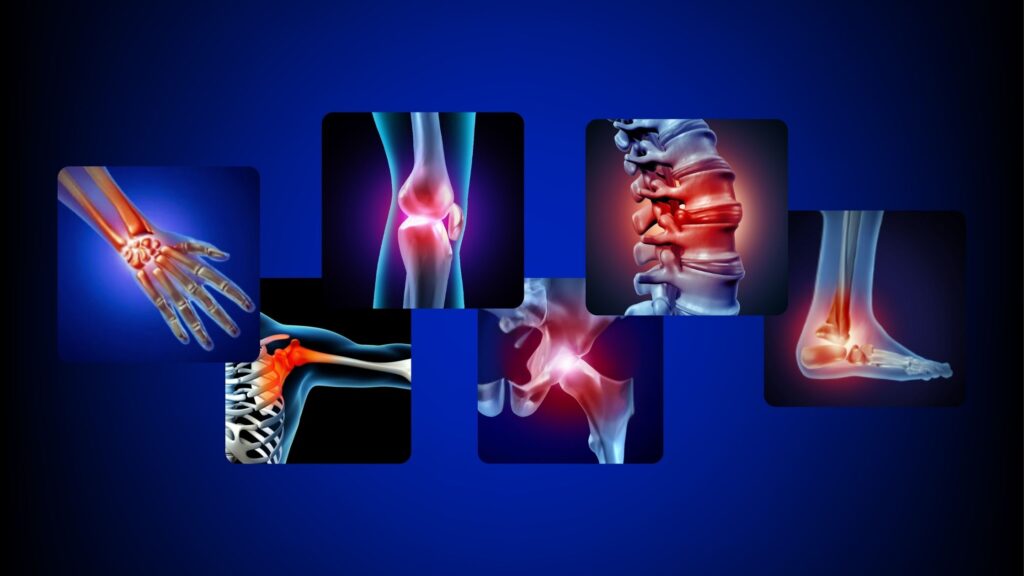
Alpha-2 Macroglobulin
Alpha-2 Macroglobulin (A2M) is a large protein found in the blood that plays a significant role in the body’s immune response and tissue repair processes. It is classified as a protease inhibitor, meaning it can bind to and inhibit the activity of various enzymes that break down proteins, known as proteases. This function is crucial because excessive protease activity can lead to tissue damage and inflammation, which are common in various medical conditions, including orthopedic injuries and diseases (Huang et al., 2022; Vandooren & Itoh, 2021). A2M is produced primarily in the...

Stem Cells in Orthopedics
Stem cell therapy has emerged as a transformative approach in orthopedic medicine, particularly for conditions involving cartilage damage, bone defects, and other musculoskeletal disorders. This article reviews the current applications of stem cell therapy in orthopedics, focusing on mesenchymal stem cells (MSCs), their sources, therapeutic potential, challenges, and future directions. Introduction Orthopedic conditions, including osteoarthritis, cartilage injuries, and nonunion fractures, pose significant challenges in clinical practice. Traditional treatment modalities often provide...
Electromagnetic Pollution
Electromagnetic pollution, a byproduct of the rapid advancement of technology and urbanization, has emerged as a significant environmental concern. This pollution is primarily caused by artificial sources of electromagnetic fields (EMFs), which include mobile phones, broadcasting stations, and various electrical appliances. The ubiquity of these technologies has led to an increase in exposure to EM radiation, raising alarms regarding potential health risks associated with long-term exposure (Guan et al., 2013; Yetiş & KAYILI, 2021). Research indicates that electromagnetic pollution...
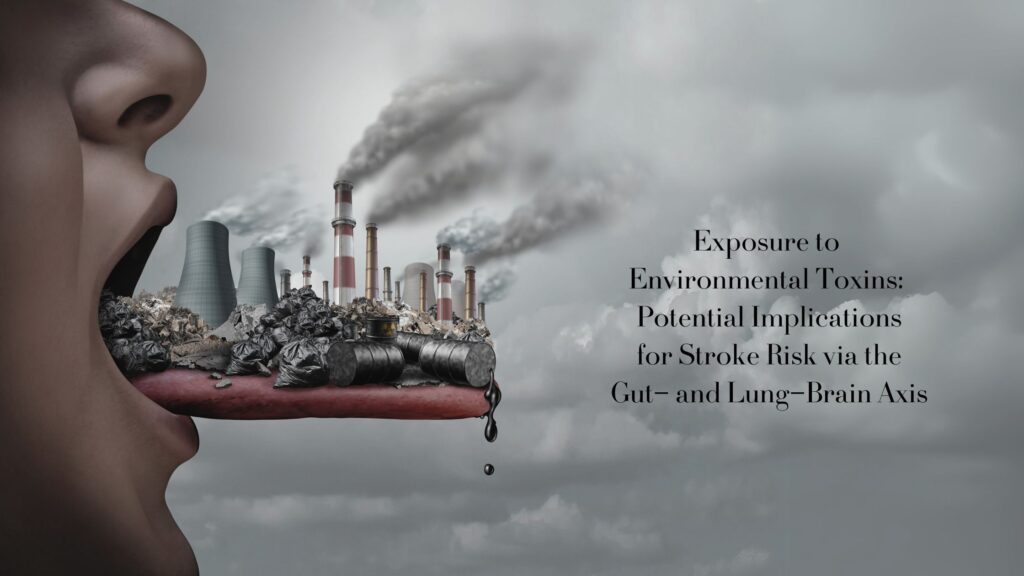
Environmental Toxins and Stroke Risk
Recent evidence indicates that exposure to environmental toxins, both short-term and long-term, can increase the risk of developing neurological disorders, including neurodegenerative diseases (i.e., Alzheimer’s disease and other dementias) and acute brain injury (i.e., stroke). For stroke, the latest systematic analysis revealed that exposure to ambient particulate matter is the second most frequent stroke risk after high blood pressure. However, preclinical and clinical stroke investigations on the deleterious consequences of environmental pollutants are scarce. This review examines...

HUC-MSCs Promising Therapeutic Options
Abstract: Human umbilical cord mesenchymal stem cells (HUC-MSCs) have emerged as a promising therapeutic option for various medical conditions, including autoimmune diseases, autism spectrum disorders (ASD), longevity-related health issues, and orthopedic applications. This article reviews the current understanding of HUC-MSCs, their mechanisms of action, and their potential applications in these areas. The unique properties of HUC-MSCs, such as their immunomodulatory effects, ability to differentiate into various cell types, and paracrine signaling capabilities, position them as a...
Environmental Toxic Metals and CVD Risk
Objective: To conduct a systematic review and meta-analysis of epidemiological studies investigating the association of arsenic, lead, cadmium, mercury, and copper with cardiovascular disease. Design: Systematic review and meta-analysis. Data sources PubMed, Embase, and Web of Science searched up to December 2017. Review methods: Studies reporting risk estimates for total cardiovascular disease, coronary heart disease, and stroke for levels of arsenic, lead, cadmium, mercury, or copper were included. Two investigators independently extracted information on study characteristics and...

Literature Review: Heavy Metals and Stem Cells
Heavy metals are a significant environmental concern due to their toxic effects on living organisms, including stem cells. Stem cells, which possess the unique ability to differentiate into various cell types, are particularly vulnerable to the detrimental impacts of heavy metals. This literature review synthesizes current research findings on the effects of heavy metals on stem cells, focusing on their mechanisms of toxicity, implications for human health, potential pathways for remediation, and detoxification strategies. Heavy metals such as lead, cadmium, arsenic, and chromium are...
Medical Disclaimer
The information provided in this document is intended for educational and informational purposes only and should not be construed as medical advice, diagnosis, or treatment. It is essential to consult a qualified healthcare professional for any medical concerns or conditions. The content herein does not substitute for professional medical advice, and individuals should not disregard or delay seeking medical advice based on the information provided.
The authors and publishers of this document do not assume any responsibility for any adverse effects or consequences resulting from the use or application of the information contained herein. The reader is encouraged to conduct their own research and consult with healthcare providers to make informed decisions regarding their health and treatment options. Furthermore, the information presented may not reflect the most current research or medical guidelines, as medical knowledge is continually evolving. Therefore, it is imperative to verify the information with up-to-date, peer-reviewed sources and consult with medical professionals for personalized advice.