
Stem Cell Changes and Clinical Hypnotherapy: An Interdisciplinary Exploration
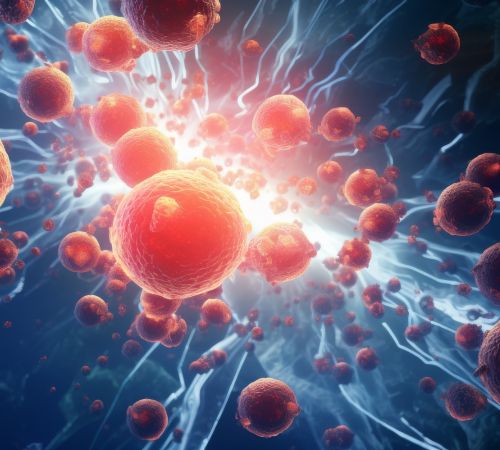
The field of stem cell research has garnered significant attention due to its implications for regenerative medicine and the treatment of age-related diseases. As stem cells age, they undergo a series of intrinsic and extrinsic changes that affect their functionality and regenerative potential. Concurrently, clinical hypnotherapy has emerged as a therapeutic modality that may influence biological processes, including those associated with stem cell behavior. This article explores the intersection of stem cell aging and clinical hypnotherapy, highlighting the potential mechanisms through which hypnotherapy may modulate stem cell function.
Understanding Stem Cell Aging
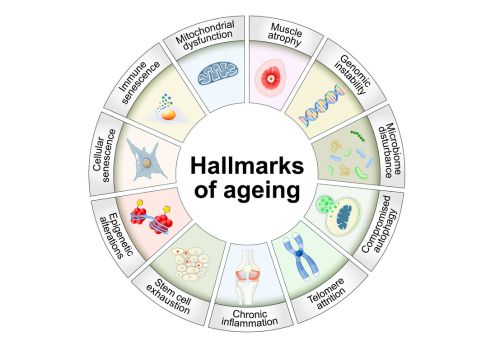
Stem cells are characterized by their ability to self-renew and differentiate into specialized cell types. However, as stem cells age, their regenerative capabilities decline, which is attributed to various factors including intrinsic cellular changes and alterations in the stem cell niche. For instance, aging leads to a decrease in the potential for differentiation and proliferation, as evidenced by studies indicating that aged stem cells exhibit diminished functionality compared to their younger counterparts (Lussier & Gallicchio, 2017; Przybilla et al., 2014; Oh et al., 2014). This decline is often linked to epigenetic changes, oxidative stress, and alterations in the microenvironment surrounding the stem cells (Przybilla et al., 2014; Piccin & Morshead, 2010; Oh et al., 2014).
Research has shown that aging affects different types of stem cells in unique ways. For example, hematopoietic stem cells (HSCs) experience a shift in lineage differentiation, resulting in reduced B-lymphoid output and enhanced myeloid output (Vas et al., 2012; Geiger et al., 2013). Similarly, muscle stem cells exhibit aberrant state transition kinetics with age, leading to impaired regenerative responses (Kimmel et al., 2019; Chakkalakal et al., 2012). These changes underscore the complexity of stem cell aging and the need for targeted interventions to restore their functionality.
The Role of the Stem Cell Niche
The stem cell niche plays a crucial role in maintaining stem cell homeostasis and function. It provides essential signals that regulate stem cell behavior, including self-renewal and differentiation (Voog & Jones, 2010; Chacón‐Martínez et al., 2018). Aging of the niche can disrupt these signals, leading to a decline in stem cell activity. For instance, studies have demonstrated that age-associated inflammation within the niche negatively impacts epidermal stem cell function (Doles et al., 2012). Furthermore, the systemic milieu surrounding stem cells also changes with age, which can further exacerbate the decline in regenerative capacity (Villeda et al., 2011).
Understanding the interplay between stem cells and their niche is vital for developing effective therapeutic strategies. Recent findings suggest that rejuvenating the niche or providing youthful systemic signals may enhance the functionality of aged stem cells, offering promising avenues for regenerative therapies (Rando & Wyss‐Coray, 2014).
Clinical Hypnotherapy: Mechanisms and Applications
Clinical hypnotherapy is a therapeutic approach that utilizes guided relaxation and focused attention to achieve a heightened state of awareness. This state can facilitate changes in perception, memory, and behavior, making hypnotherapy a valuable tool in managing various psychological and psychosomatic conditions (Bukhtoyarov & Samarin, 2015; Kanherkar et al., 2017). Recent studies have begun to explore the biological underpinnings of hypnotherapy, particularly its potential effects on stem cell biology.
One proposed mechanism by which hypnotherapy may influence stem cell behavior is through the modulation of gene expression. Research indicates that therapeutic hypnosis can up-regulate genes associated with stem cell growth and reduce oxidative stress at the cellular level (Atkinson et al., 2010). This suggests that hypnotherapy may create a more favorable environment for stem cell function, potentially counteracting some of the age-related declines observed in stem cells.
Moreover, hypnotherapy has been shown to induce psychogenic mobilization of stem cells, such as CD34+CD38- stem cells, which are crucial for tissue regeneration (Bukhtoyarov & Samarin, 2015). This phenomenon highlights the potential of hypnotherapy as a non-invasive intervention to enhance stem cell activity, particularly in aging populations where regenerative capacity is compromised.
The Intersection of Stem Cell Aging and Hypnotherapy
The intersection of stem cell aging and clinical hypnotherapy presents a unique opportunity for interdisciplinary research. As the understanding of stem cell biology evolves, integrating psychological and behavioral therapies like hypnotherapy may offer novel strategies for enhancing stem cell function. For instance, the reduction of stress and anxiety through hypnotherapy could mitigate some of the oxidative stress that negatively impacts stem cell activity (Atkinson et al., 2010).
Furthermore, the potential for hypnotherapy to influence the systemic environment surrounding stem cells could be pivotal. By promoting a more favorable systemic milieu, hypnotherapy may enhance the regenerative potential of aged stem cells, thereby improving outcomes in regenerative medicine (Rando & Wyss‐Coray, 2014).
Future Directions and Implications for Research
The promising findings regarding the effects of hypnotherapy on stem cell behavior necessitate further investigation. Future research should focus on elucidating the specific molecular pathways through which hypnotherapy exerts its effects on stem cells. Additionally, clinical trials assessing the efficacy of hypnotherapy in enhancing stem cell function in aging populations could provide valuable insights into its therapeutic potential.
Moreover, exploring the synergistic effects of hypnotherapy with other regenerative strategies, such as stem cell transplantation or pharmacological interventions, may yield innovative approaches to combat age-related degenerative diseases. The integration of psychological and biological therapies represents a holistic approach to health and wellness, emphasizing the interconnectedness of mind and body.
Conclusion
In conclusion, the aging of stem cells and the potential therapeutic benefits of clinical hypnotherapy represent a fascinating area of research with significant implications for regenerative medicine. As the understanding of stem cell biology continues to advance, exploring the intersection of psychological therapies and stem cell function may pave the way for innovative treatments that enhance regenerative capacity in aging populations. The integration of these disciplines not only broadens the scope of stem cell research but also underscores the importance of a holistic approach to health and healing.
References
1. Lussier and Gallicchio “Therapeutic Effects of Aging Stem Cells” Stem cell & regenerative medicine (2017) doi:10.33425/2639-9512.1022
2. Przybilla et al. “Understanding epigenetic changes in aging stem cells – a computational model approach” Aging cell (2014) doi:10.1111/acel.12177
3. Oh et al. “Stem cell aging: mechanisms, regulators and therapeutic opportunities” Nature medicine (2014) doi:10.1038/nm.3651
4. Piccin and Morshead “Potential and pitfalls of stem cell therapy in old age” Disease models & mechanisms (2010) doi:10.1242/dmm.003137
5. Vas et al. “Aging of the Microenvironment Influences Clonality in Hematopoiesis” Plos one (2012) doi:10.1371/journal.pone.0042080
6. Geiger et al. “The ageing haematopoietic stem cell compartment” Nature reviews immunology (2013) doi:10.1038/nri3433
7. Kimmel et al. “Aging induces aberrant state transition kinetics in murine muscle stem cells” (2019) doi:10.1101/739185
8. Chakkalakal et al. “The aged niche disrupts muscle stem cell quiescence” Nature (2012) doi:10.1038/nature11438
9. Voog and Jones “Stem Cells and the Niche: A Dynamic Duo” Cell stem cell (2010) doi:10.1016/j.stem.2010.01.011
10. Chacón‐Martínez et al. “Signaling in the stem cell niche: regulating cell fate, function and plasticity” Development (2018) doi:10.1242/dev.165399
11. Doles et al. “Age-associated inflammation inhibits epidermal stem cell function” Genes & development (2012) doi:10.1101/gad.192294.112
12. Villeda et al. “The ageing systemic milieu negatively regulates neurogenesis and cognitive function” Nature (2011) doi:10.1038/nature10357
13. Rando and Wyss‐Coray “Stem Cells as Vehicles for Youthful Regeneration of Aged Tissues” The Journals of Gerontology series a (2014) doi:10.1093/gerona/glu043
14. Bukhtoyarov and Samarin “Advanced Cancer Treatment – An Original Approach” (2015) doi:10.5772/60213
15. Kanherkar et al. “Epigenetic Mechanisms of Integrative Medicine” Evidence-based complementary and alternative medicine (2017) doi:10.1155/2017/4365429
16. Atkinson et al. “A New Bioinformatics Paradigm for the Theory, Research, and Practice of Therapeutic Hypnosis” American Journal of Clinical Hypnosis (2010) doi:10.1080/00029157.2010.10401745
More Articles You May Like
Alpha-2 Macroglobulin
Alpha-2 Macroglobulin (A2M) is a large protein found in the blood that plays a significant role in the body’s immune response and tissue repair processes. It is classified as a protease inhibitor, meaning it can bind to and inhibit the activity of various enzymes that break down proteins, known as proteases. This function is crucial because excessive protease activity can lead to tissue damage and inflammation, which are common in various medical conditions, including orthopedic injuries and diseases (Huang et al., 2022; Vandooren & Itoh, 2021). A2M is produced primarily in the...

Stem Cells in Orthopedics
Stem cell therapy has emerged as a transformative approach in orthopedic medicine, particularly for conditions involving cartilage damage, bone defects, and other musculoskeletal disorders. This article reviews the current applications of stem cell therapy in orthopedics, focusing on mesenchymal stem cells (MSCs), their sources, therapeutic potential, challenges, and future directions. Introduction Orthopedic conditions, including osteoarthritis, cartilage injuries, and nonunion fractures, pose significant challenges in clinical practice. Traditional treatment modalities often provide...

Difference between Mindfulness and Clinical Hypnotherapy
The integration of mindfulness with clinical hypnotherapy presents a unique approach to mental health treatment, combining the strengths of both modalities to enhance therapeutic outcomes. While mindfulness emphasizes present-moment awareness and acceptance, clinical hypnotherapy utilizes deep relaxation and focused attention to access the subconscious mind. This article explores how these two practices can complement each other, particularly in addressing psychological distress and promoting overall well-being. Mindfulness, as a practice, encourages individuals to cultivate awareness of...
Stem Cell and Mindfulness
The intersection of stem cell research and mindfulness practices has garnered increasing attention in recent years, particularly in the context of neuroplasticity and mental health. Neuroplasticity refers to the brain’s ability to reorganize itself by forming new neural connections throughout life, a process that is significantly influenced by both environmental factors and intrinsic biological mechanisms. Stem cells, particularly neural stem cells (NSCs), play a crucial role in this process by contributing to neurogenesis, the formation of new neurons, and the repair of damaged...

Cellular Changes and Mindfulness
Mindfulness, defined as the intentional and non-judgmental awareness of the present moment, has gained significant attention in both psychological and physiological research. This practice, rooted in ancient contemplative traditions, has been adapted into various therapeutic interventions, most notably Mindfulness-Based Stress Reduction (MBSR) (Rung et al., 2020). The burgeoning field of mindfulness research has revealed profound implications for cellular health, particularly in the context of stress and its physiological manifestations. Stress, a ubiquitous aspect of modern life,...

Mindfulness
Mindfulness has emerged as a significant area of interest across various fields, including psychology, education, and healthcare. Defined broadly, mindfulness refers to the awareness that arises from paying attention to the present moment in a non-judgmental manner. This practice has roots in ancient contemplative traditions, particularly Buddhism, but has been adapted and secularized for contemporary applications in Western contexts. The increasing popularity of mindfulness practices is attributed to their potential benefits for mental health, emotional regulation, and overall well-being...

Environmental Toxins and Stroke Risk
Recent evidence indicates that exposure to environmental toxins, both short-term and long-term, can increase the risk of developing neurological disorders, including neurodegenerative diseases (i.e., Alzheimer’s disease and other dementias) and acute brain injury (i.e., stroke). For stroke, the latest systematic analysis revealed that exposure to ambient particulate matter is the second most frequent stroke risk after high blood pressure. However, preclinical and clinical stroke investigations on the deleterious consequences of environmental pollutants are scarce. This review examines...

Exosomes: A Byproduct of HUC-MSCs
Introduction Exosomes are small extracellular vesicles (30-150 nm in diameter) released by various cell types, including mesenchymal stem cells (MSCs). They play a crucial role in intercellular communication by transferring proteins, lipids, and nucleic acids between cells. Human umbilical cord mesenchymal stem cells (HUC-MSCs) are a rich source of exosomes, which have gained attention for their therapeutic potential in various medical conditions. This article explores whether exosomes can be considered a byproduct of HUC-MSCs and discusses their significance in therapeutic applications....
HUC-MSCs Promising Therapeutic Options
Abstract: Human umbilical cord mesenchymal stem cells (HUC-MSCs) have emerged as a promising therapeutic option for various medical conditions, including autoimmune diseases, autism spectrum disorders (ASD), longevity-related health issues, and orthopedic applications. This article reviews the current understanding of HUC-MSCs, their mechanisms of action, and their potential applications in these areas. The unique properties of HUC-MSCs, such as their immunomodulatory effects, ability to differentiate into various cell types, and paracrine signaling capabilities, position them as a...

MSCs and Paracrine Signaling
The duration and efficacy of paracrine signaling initiated by stem cells, particularly mesenchymal stem cells (MSCs), is a topic of significant interest in regenerative medicine. Paracrine signaling refers to the process by which cells communicate with nearby cells through the release of signaling molecules, which can influence various biological processes, including tissue repair and regeneration. The question of whether this signaling can last for a few years is complex and depends on several factors, including the nature of the signaling molecules, the cellular environment, and the...

Environmental Toxic Metals and CVD Risk
Objective: To conduct a systematic review and meta-analysis of epidemiological studies investigating the association of arsenic, lead, cadmium, mercury, and copper with cardiovascular disease. Design: Systematic review and meta-analysis. Data sources PubMed, Embase, and Web of Science searched up to December 2017. Review methods: Studies reporting risk estimates for total cardiovascular disease, coronary heart disease, and stroke for levels of arsenic, lead, cadmium, mercury, or copper were included. Two investigators independently extracted information on study characteristics and...

Literature Review: Heavy Metals and Stem Cells
Heavy metals are a significant environmental concern due to their toxic effects on living organisms, including stem cells. Stem cells, which possess the unique ability to differentiate into various cell types, are particularly vulnerable to the detrimental impacts of heavy metals. This literature review synthesizes current research findings on the effects of heavy metals on stem cells, focusing on their mechanisms of toxicity, implications for human health, potential pathways for remediation, and detoxification strategies. Heavy metals such as lead, cadmium, arsenic, and chromium are...
Medical Disclaimer
The information provided in this document is intended for educational and informational purposes only and should not be construed as medical advice, diagnosis, or treatment. It is essential to consult a qualified healthcare professional for any medical concerns or conditions. The content herein does not substitute for professional medical advice, and individuals should not disregard or delay seeking medical advice based on the information provided.
The authors and publishers of this document do not assume any responsibility for any adverse effects or consequences resulting from the use or application of the information contained herein. The reader is encouraged to conduct their own research and consult with healthcare providers to make informed decisions regarding their health and treatment options. Furthermore, the information presented may not reflect the most current research or medical guidelines, as medical knowledge is continually evolving. Therefore, it is imperative to verify the information with up-to-date, peer-reviewed sources and consult with medical professionals for personalized advice.