
Red Light in The Treatment of Gum Disease
The therapeutic application of red light in the treatment of gum disease, particularly periodontitis, has garnered significant attention in recent years due to its potential to enhance traditional treatment modalities. This article synthesizes various studies that explore the efficacy of red light therapy, specifically in the context of antimicrobial photodynamic therapy (aPDT) and its effects on periodontal pathogens, particularly the notorious red complex bacteria, which include Porphyromonas gingivalis, Tannerella forsythia, and Treponema denticola.
The red complex bacteria are recognized as pivotal players in the pathogenesis of periodontal disease. Their presence is often associated with severe forms of periodontitis, and they are known to thrive in subgingival biofilms, making them difficult to eradicate through conventional mechanical debridement alone (Endo et al., 2014; Nagao & Tanigawa, 2019). Recent studies have indicated that aPDT, which utilizes light-activated photosensitizers, can effectively target these pathogens. For instance, Zhang et al. demonstrated that bioactive upconversion nanocomposites containing chlorin e6, when activated by red light, exhibited significant antibacterial effects against P. gingivalis and other periodontal pathogens (Zhang et al., 2019). This suggests that red light can enhance the efficacy of photosensitizers, leading to improved outcomes in periodontal therapy.
Moreover, the study by Sun et al. highlighted the development of oxygen self-sufficient nanoplatforms that enhance the selectivity and efficacy of aPDT against anaerobic bacteria associated with periodontal disease (Sun et al., 2021). This is particularly relevant given that the red complex bacteria are anaerobic and thrive in low-oxygen environments. The ability to deliver oxygen during treatment could potentially improve the effectiveness of red light therapy in targeting these pathogens.
In addition to the direct antibacterial effects, red light therapy has been shown to modulate the inflammatory response associated with periodontal disease. For example, a pilot study by Chung et al. indicated that non-surgical periodontal therapy, when combined with aPDT, resulted in a significant reduction in the prevalence and levels of red complex bacteria in patients with chronic periodontitis (Chung et al., 2022). This finding underscores the potential of red light therapy not only to eliminate pathogens but also to promote healing and reduce inflammation in periodontal tissues.
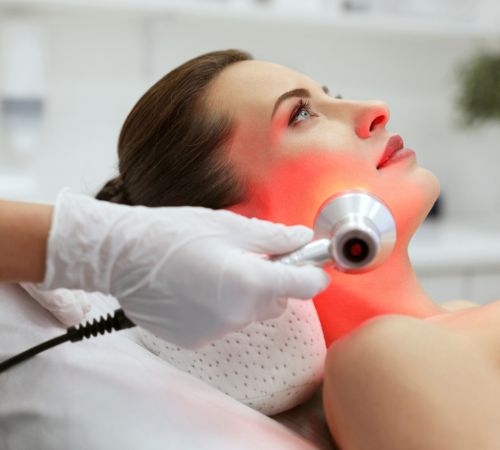
In addition to the direct antibacterial effects, red light therapy has been shown to modulate the inflammatory response associated with periodontal disease. For example, a pilot study by Chung et al. indicated that non-surgical periodontal therapy, when combined with aPDT, resulted in a significant reduction in the prevalence and levels of red complex bacteria in patients with chronic periodontitis (Chung et al., 2022). This finding underscores the potential of red light therapy not only to eliminate pathogens but also to promote healing and reduce inflammation in periodontal tissues.
The mechanism by which red light exerts its therapeutic effects is multifaceted. It is believed that red light can penetrate tissues effectively, promoting cellular processes such as increased blood flow, enhanced collagen synthesis, and reduced oxidative stress (Mielczarek-Badora & Szulc, 2013). These biological responses are crucial for the regeneration of periodontal tissues and the overall healing process. Furthermore, studies have shown that low-level laser therapy (LLLT), which often employs red light, can restore the balance of the oral microbiome, potentially mitigating dysbiosis associated with periodontal disease (Hosmani et al., 2023).
Clinical trials have also provided insights into the practical applications of red light therapy in periodontal treatment. For instance, a randomized controlled trial by Mongardini et al. evaluated the effects of light-activated disinfection using a light-emitting diode (LED) lamp in the red spectrum on patients with periodontitis (Mongardini et al., 2012). The results indicated significant microbiological reductions in periodontal pockets, suggesting that red light therapy can serve as a valuable adjunct to traditional periodontal treatments.
Despite the promising findings, it is essential to consider the limitations and challenges associated with the implementation of red light therapy in clinical practice. The variability in light wavelengths, treatment protocols, and the specific photosensitizers used can influence the outcomes of aPDT (Takeuchi et al., 2023). Additionally, while many studies report positive results, there is a need for larger, well-designed clinical trials to establish standardized protocols and confirm the long-term efficacy of red light therapy in periodontal disease management.
In conclusion, the integration of red light therapy into periodontal treatment regimens presents a novel approach to managing gum disease, particularly in targeting the red complex bacteria responsible for its progression. The evidence suggests that red light, when used in conjunction with aPDT, can enhance the antibacterial effects against periodontal pathogens, reduce inflammation, and promote tissue healing. As research continues to evolve, it is crucial to establish comprehensive guidelines to optimize the use of red light therapy in clinical settings, ensuring that patients receive the most effective care for periodontal disease.
References
- Chung, W., Kao, C., Huang, C., Lee, C., Lu, H., & Wu, K. (2022). Effects of periodontal treatment in patients with periodontitis and kidney failure: a pilot study. International Journal of Environmental Research and Public Health, 19(3), 1533. https://doi.org/10.3390/ijerph19031533
- Endo, A., Watanabe, T., Ogata, N., Nozawa, T., Aikawa, C., Arakawa, S., … & Nakagawa, I. (2014). Comparative genome analysis and identification of competitive and cooperative interactions in a polymicrobial disease. The Isme Journal, 9(3), 629-642. https://doi.org/10.1038/ismej.2014.155
- Hosmani, J., Alqarni, A., Almubarak, H., Mannakandath, M., & Shamsudeen, S. (2023). Alleviating salivary microbiome dysbiosis associated with dental malocclusion utilizing low-level laser therapy. Journal of Multidisciplinary Dental Research, 9(2), 52-55. https://doi.org/10.38138/jmdr/v9i2.23.30
- Mielczarek-Badora, E. and Szulc, M. (2013). Photodynamic therapy and its role in periodontitis treatment. Postępy Higieny I Medycyny Doświadczalnej, 67, 1058-1065. https://doi.org/10.5604/17322693.1075915
- Mongardini, C., Tanna, G., & Pilloni, A. (2012). Light-activated disinfection using a light-emitting diode lamp in the red spectrum: clinical and microbiological short-term findings on periodontitis patients in maintenance. a randomized controlled split-mouth clinical trial. Lasers in Medical Science, 29(1), 1-8. https://doi.org/10.1007/s10103-012-1225-x
- Nagao, Y. and Tanigawa, T. (2019). Red complex periodontal pathogens are risk factors for liver cirrhosis. Biomedical Reports. https://doi.org/10.3892/br.2019.1245
- Sun, X., Sun, J., Sun, Y., Li, C., Fang, J., Zhang, T., … & Dong, B. (2021). Oxygen self‐sufficient nanoplatform for enhanced and selective antibacterial photodynamic therapy against anaerobe‐induced periodontal disease. Advanced Functional Materials, 31(20). https://doi.org/10.1002/adfm.202101040
- Takeuchi, Y., Aoki, A., Hiratsuka, K., Chui, C., Ichinose, A., Aung, N., … & Arakawa, S. (2023). Application of different wavelengths of led lights in antimicrobial photodynamic therapy for the treatment of periodontal disease. Antibiotics, 12(12), 1676. https://doi.org/10.3390/antibiotics12121676
- Zhang, T., Ying, D., Qi, M., Li, X., Fu, L., Sun, X., … & Zhou, Y. (2019). Anti-biofilm property of bioactive upconversion nanocomposites containing chlorin e6 against periodontal pathogens. Molecules, 24(15), 2692. https://doi.org/10.3390/molecules24152692
More Articles You May Like
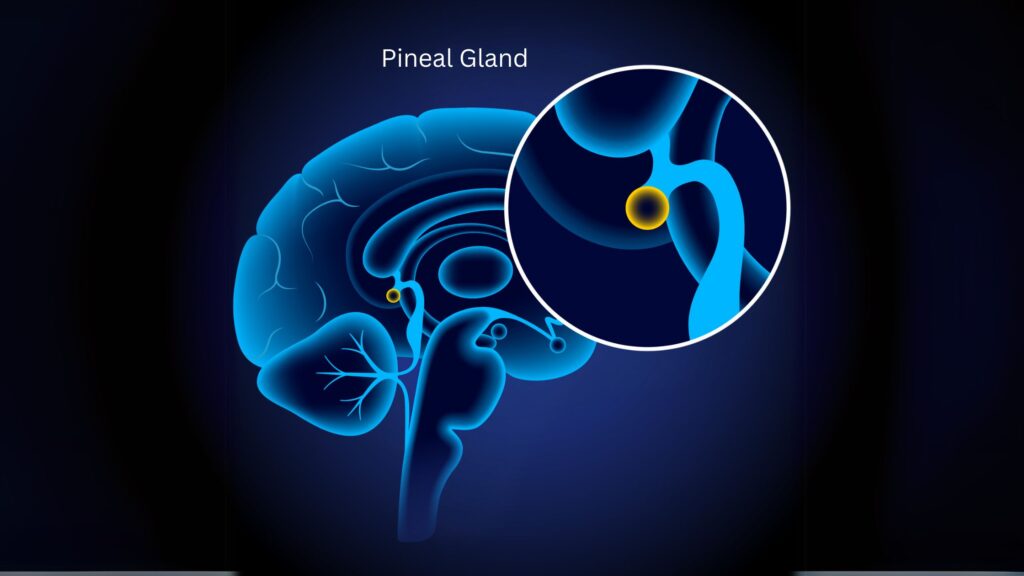
Pineal Gland Insights
The pineal gland, a small, pea-shaped endocrine organ located in the epithalamus of the brain, is often referred to as the “third eye” due to its role in regulating circadian rhythms and sleep patterns through the secretion of melatonin. This gland has garnered significant attention due to its involvement in various physiological processes and its susceptibility to environmental factors, including fluoride exposure and calcification. The pineal gland is primarily responsible for synthesizing melatonin, a hormone that plays a critical role in signaling the body to prepare for...

Melatonin
Melatonin, a hormone primarily synthesized in the pineal gland, is integral to the regulation of various physiological processes, particularly the sleep-wake cycle. The synthesis of melatonin initiates with the amino acid tryptophan, which undergoes conversion into serotonin. This transformation is facilitated by the enzyme tryptophan hydroxylase, which catalyzes the first step in serotonin biosynthesis. Subsequently, during the nocturnal phase, serotonin is converted into melatonin through a series of enzymatic reactions involving serotonin N-acetyltransferase and...

The Therapeutic Potential of Herbs and Spices
The utilization of herbs and spices in Traditional Chinese Medicine (TCM) and Ayurvedic medicine exemplifies the profound interconnection between culinary practices and health. For centuries, these natural ingredients have been integral to holistic health systems, serving not only as flavor enhancers in diverse cuisines but also as potent therapeutic agents. In TCM, herbs are meticulously selected based on their properties to restore balance and harmony within the body, while Ayurvedic practices emphasize the use of spices to support digestion, enhance vitality, and prevent disease. This...

The Role of Essential Minerals
Minerals are inorganic elements that play a fundamental role in numerous physiological processes essential for human health. Unlike macronutrients such as carbohydrates, proteins, and fats, which provide energy, minerals are crucial for a variety of functions, including structural support, enzymatic reactions, and the regulation of metabolic pathways. The human body requires a range of minerals, categorized into macrominerals (needed in larger amounts) and trace minerals (required in smaller quantities), each serving distinct and vital roles. The significance of these essential minerals...

Circadian Rhythm and Sleep Quality
Sleep is a complex physiological state governed by various biological rhythms, primarily the circadian rhythm, which plays a crucial role in regulating sleep-wake cycles, hormone secretion, and numerous metabolic processes. Understanding the intricacies of circadian rhythms, their impact on sleep quality, and the factors that disrupt them is essential for improving sleep health. Additionally, the influence of external factors such as lunar phases, particularly the full moon, has garnered attention in recent research, suggesting that these cycles may also affect sleep patterns. Definition...
Recipe Template
Stuffed Acorn Squash A delicious and hearty stuffed acorn squash recipe, perfect for a cozy dinner. This dish combines sweet, savory, and nutty flavors, making it a favorite for fall and winter meals. Print Recipe SCREEN LOCKPrevent your screen from going dark Prep Time 15 minutes minsCook Time 45 minutes mins Course Main CourseCuisine American Servings 4Calories 350 kcal Ingredients 1x2x3xFor the Squash:2 medium acorn squashes (halved and seeds removed)1 tbsp olive oil½ tsp salt¼ tsp black pepperFor the Filling:1 tbsp olive...

Sleep: A Critical Factor in Health and Well-being
Sleep is a fundamental physiological process that significantly impacts both physical and mental health. Sleep is characterized by altered consciousness, reduced sensory activity, inhibition of voluntary muscles, and a decrease in interactions with the environment. The quality and duration of sleep are crucial for various bodily functions, including cognitive performance, emotional regulation, and overall well-being. However, sleep can also be adversely affected by numerous factors, leading to a range of health issues. Positive Effects of Sleep on Health Adequate sleep is essential for...

Ancient Wisdom in Modern Health
The coexistence of various forms of medicine reflects a rich tapestry of cultural beliefs, historical contexts, and philosophical underpinnings that shape health practices across the globe. Among these, Naturopathic medicine, Traditional Chinese Medicine (TCM), and Ayurveda stand out as prominent systems, each offering unique approaches to health and wellness. Naturopathic medicine emphasizes the body’s inherent ability to heal itself, advocating for natural remedies and lifestyle changes to promote health. This system is rooted in principles such as the healing power of nature,...
Metals: A Neglected Source of CVD Risk
Evidence on the role of environmental metals in cardiovascular disease has rapidly increased over the past two decades. In a linked article, Chowdhury and colleagues (doi:10.1136/bmj.k3435) present a comprehensive systematic review and meta-analysis of the associations between the exposure to arsenic, lead, cadmium, mercury, and copper and the risk of cardiovascular disease.1 The first four metals were selected because of widespread population exposure and inclusion in the World Health Organization’s priority list of chemicals of major public health concern. Copper was selected because of...

Magnesium
Magnesium is an essential mineral that plays a vital role in numerous physiological functions, including energy production, muscle contraction, and nerve transmission. Given its importance, various forms of magnesium supplements are available, each with unique properties, benefits, and absorption characteristics. This article discusses the different types of magnesium, their benefits, natural sources, daily requirements, and a comparative analysis to help individuals choose the most suitable form for their needs. Additionally, we will explore how magnesium is synthesized in laboratories,...
Heavy Metals and Cardiovascular Disease
We assessed the role of lead and cadmium as partial mediators between smoking and composite cardiovascular and cerebrovascular disease (CCVD). We also studied the association between urinary heavy metals and CCVD. Pooled data from NHANES 1999-2006 were examined. Cardiovascular and cerebrovascular disease was determined using a standardized questionnaire asking about history of stroke, angina, heart attack, coronary artery disease, and congestive heart failure. Increasing serum cadmium levels were associated with increasing prevalence of CCVD (P-trend: .03). Adjusted odds-ratio (OR) for...

Nicotinamide Adenine Dinucleotide (NAD)
Nicotinamide adenine dinucleotide (NAD) is a crucial coenzyme found in all living cells, playing a vital role in various biological processes, including energy metabolism, DNA repair, and cell signaling. This article will explore the history and description of NAD, the emerging trend of intravenous (IV) NAD therapy, its benefits and precautions, natural sources, the significance of redox reactions in its function, the differences between various NAD supplements, and important considerations for consumers seeking NAD supplementation. History of NAD The discovery of NAD dates back to the...
Medical Disclaimer
The information provided in this document is intended for educational and informational purposes only and should not be construed as medical advice, diagnosis, or treatment. It is essential to consult a qualified healthcare professional for any medical concerns or conditions. The content herein does not substitute for professional medical advice, and individuals should not disregard or delay seeking medical advice based on the information provided.
The authors and publishers of this document do not assume any responsibility for any adverse effects or consequences resulting from the use or application of the information contained herein. The reader is encouraged to conduct their own research and consult with healthcare providers to make informed decisions regarding their health and treatment options. Furthermore, the information presented may not reflect the most current research or medical guidelines, as medical knowledge is continually evolving. Therefore, it is imperative to verify the information with up-to-date, peer-reviewed sources and consult with medical professionals for personalized advice.