Ancient Wisdom in Modern Health: The Role of Naturopathy, TCM, and Ayurveda
The coexistence of various forms of medicine reflects a rich tapestry of cultural beliefs, historical contexts, and philosophical underpinnings that shape health practices across the globe. Among these, Naturopathic medicine, Traditional Chinese Medicine (TCM), and Ayurveda stand out as prominent systems, each offering unique approaches to health and wellness.
Naturopathic medicine emphasizes the body’s inherent ability to heal itself, advocating for natural remedies and lifestyle changes to promote health. This system is rooted in principles such as the healing power of nature, treating the whole person, and prevention as a primary focus. Naturopathy often incorporates dietary recommendations that align with its holistic philosophy, suggesting that food is not merely sustenance but a vital component of health management (Eckert & Anheyer, 2018). The integration of nutrition into naturopathic practices is essential, as it aligns with the belief that dietary choices can significantly influence health outcomes (Imran et al., 2021).
In contrast, Traditional Chinese Medicine (TCM) is founded on the concepts of balance and harmony within the body, particularly the balance of Yin and Yang, and the flow of Qi (vital energy). TCM employs various modalities, including acupuncture, herbal medicine, and dietary therapy, to restore balance and promote health (Hou & Jiang, 2013; Zhong et al., 2022). The philosophy of “medicine food homology” in TCM posits that food and medicine share a common origin, suggesting that dietary choices can have therapeutic effects (Hou & Jiang, 2013). This perspective is increasingly recognized in modern nutrition science, where the health benefits of certain foods are being validated through research (Guaâdaoui, 2015).
Ayurveda, originating from India, also emphasizes a holistic approach to health, focusing on the balance of the three doshas: Vata, Pitta, and Kapha. Ayurvedic practices include dietary recommendations tailored to an individual’s constitution, lifestyle, and health conditions. The Ayurvedic philosophy posits that food is a form of medicine, and dietary choices should be made with consideration of one’s unique body type and current health status (Janakiram & Balachandran, 2020). This approach aligns with contemporary understandings of personalized nutrition, which advocate for dietary interventions based on individual health profiles (Ting‐Ting et al., 2023).
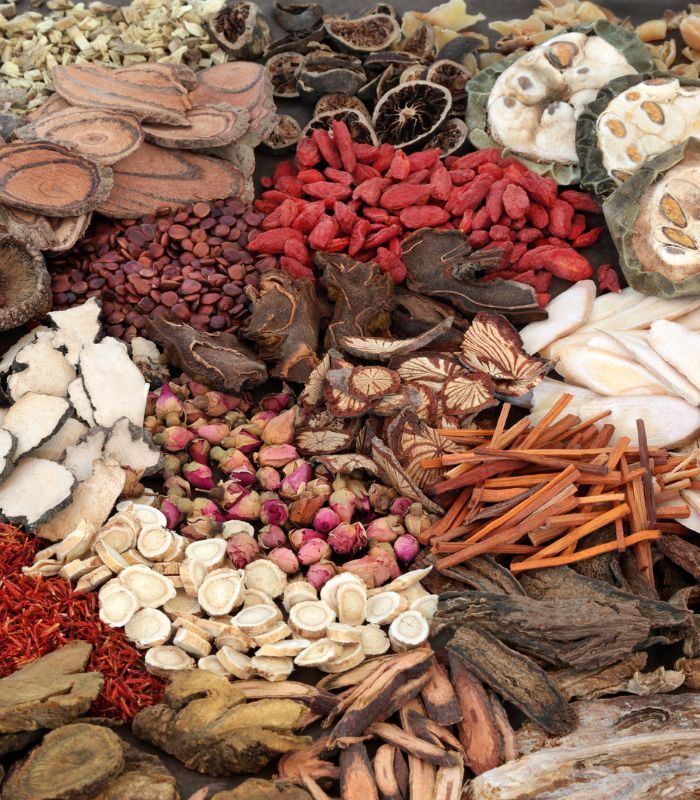
The convergence of Eastern and Western medical philosophies underscores an increasing acknowledgment of the critical role that nutrition plays in health care. Research has shown that a substantial portion of the global population engages with complementary and alternative medicine (CAM), often incorporating these practices alongside conventional medical treatments (Ghaedi et al., 2016; An et al., 2020). This trend towards integration signifies a broader movement towards holistic health care, wherein dietary practices are regarded as essential components of overall wellness.
In recent years, the popularity of complementary and alternative medicine (CAM), including modalities such as naturopathy, Traditional Chinese Medicine (TCM), and Ayurveda, has surged, particularly in Western nations (Litchy, 2011). This shift reflects changing patient preferences that favor more holistic and natural approaches to health care, frequently stemming from dissatisfaction with conventional treatment options (Litchy, 2011). Consequently, healthcare professionals are increasingly acknowledging the necessity of incorporating CAM practices into their treatment regimens, thereby promoting a more comprehensive approach to patient care (Litchy, 2011). However, a significant challenge remains: ensuring that practitioners are sufficiently trained in both conventional and alternative modalities to provide safe and effective care that honors the principles of each system (Litchy, 2011).
The role of nutrition in these diverse medical systems cannot be overstated. In naturopathic medicine, dietary interventions are a cornerstone of treatment, with practitioners often recommending personalized nutrition plans tailored to individual health needs (Steel et al., 2022). Similarly, TCM emphasizes the importance of food as medicine, with specific dietary recommendations based on the principles of yin and yang and the five elements (Yuanyuan & Meiyan, 2023). Ayurveda also places a strong emphasis on nutrition, advocating for dietary choices that align with an individual’s dosha and current health status (Yuanyuan & Meiyan, 2023). This focus on nutrition reflects a broader understanding of the integral role that diet plays in health and disease prevention across all medical systems.
Despite the differences in philosophy and practice, there is a growing recognition of the need for collaboration and dialogue between Eastern and Western medicine. This intersection offers opportunities for cross-pollination of ideas and practices, ultimately benefiting patients by providing a more comprehensive approach to health care (Wardle & Oberg, 2011). For instance, the integration of nutritional counseling from naturopathic medicine with the diagnostic techniques of Western medicine can enhance patient outcomes and satisfaction (Wardle & Oberg, 2011). Furthermore, the incorporation of traditional dietary practices from TCM and Ayurveda into modern nutritional guidelines can enrich the understanding of food’s role in health (Yuanyuan & Meiyan, 2023).
In conclusion, the coexistence of various forms of medicine, including naturopathic medicine, TCM, and Ayurveda, reflects the diverse cultural beliefs and historical contexts that shape health care practices worldwide. Each system offers unique insights into the nature of health and disease, emphasizing the importance of individualized care, holistic approaches, and the integral role of nutrition. As the landscape of health care continues to evolve, the potential for collaboration between these diverse medical paradigms presents exciting opportunities for enhancing patient care and promoting overall well-being.
References
Anbari, K. and Gholami, M. (2015). Evaluation of trends in the use of complementary and alternative medicine in health centers in khorramabad (west of iran). Global Journal of Health Science, 8(2). https://doi.org/10.5539/gjhs.v8n2p72
Dhankar, M. (2018). Complementary and alternative medicine: a cross-sectional observational study in pediatric inpatients. Journal of Evidence-Based Integrative Medicine, 23. https://doi.org/10.1177/2515690×18765119
Eckert, M. and Anheyer, M. (2018). Applied pediatric integrative medicine: what we can learn from the ancient teachings of sebastian kneipp in a kindergarten setting. Children, 5(8), 102. https://doi.org/10.3390/children5080102
Ghaedi, F., et al. (2016). Complementary and alternative medicines. Journal of Evidence-Based Complementary & Alternative Medicine, 22(2), 210-215. https://doi.org/10.1177/2156587215621462
Guaâdaoui, A. (2015). The preventive approach of biocompounactives (1): a review in recent advances in common vegetables and legumes. International Journal of Nutrition and Food Sciences, 4(1), 89. https://doi.org/10.11648/j.ijnfs.20150401.23
Hou, Y. and Jiang, J. (2013). Origin and concept of medicine food homology and its application in modern functional foods. Food & Function, 4(12), 1727. https://doi.org/10.1039/c3fo60295h
Imran, I., et al. (2021). Grewia asiatica berry juice diminishes anxiety, depression, and scopolamine-induced learning and memory impairment in behavioral experimental animal models. Frontiers in Nutrition, 7. https://doi.org/10.3389/fnut.2020.587367
Janakiram, C. and Balachandran, P. (2020). Review on complementary and alternative medicine (cam) in oral health. International Journal of Ayurveda and Pharma Research, 117-125. https://doi.org/10.47070/ijapr.v8isupply2.1658
Litchy, A. P. (2011). Naturopathic physicians: holistic primary care and integrative medicine specialists. Journal of Dietary Supplements, 8(4), 369-377. https://doi.org/10.3109/19390211.2011.623148
Steel, A., et al. (2022). Prevalence and predictors of naturopathic practitioners’ self-reported practice behaviours: results of an international survey. Integrative Medicine Research, 11(4), 100897. https://doi.org/10.1016/j.imr.2022.100897
Ting‐Ting, Y., et al. (2023). ‘eating is like experiencing a gamble’: a qualitative study exploring the dietary decision‐making process in adults with inflammatory bowel disease. Health Expectations, 27(1). https://doi.org/10.1111/hex.13873
Yuanyuan, S. and Meiyan, G. (2023). Research on the development of japanese traditional chinese medicine under the background of the belt and road initiative. International Journal of Frontiers in Medicine, 5(9). https://doi.org/10.25236/ijfm.2023.050916
Zhong, C., et al. (2022). Development and validation of a rapid assessment version of the assessment survey of primary care in China. Frontiers in Public Health, 10. https://doi.org/10.3389/fpubh.2022.852730
More Articles You May Like
Pineal Gland Insights
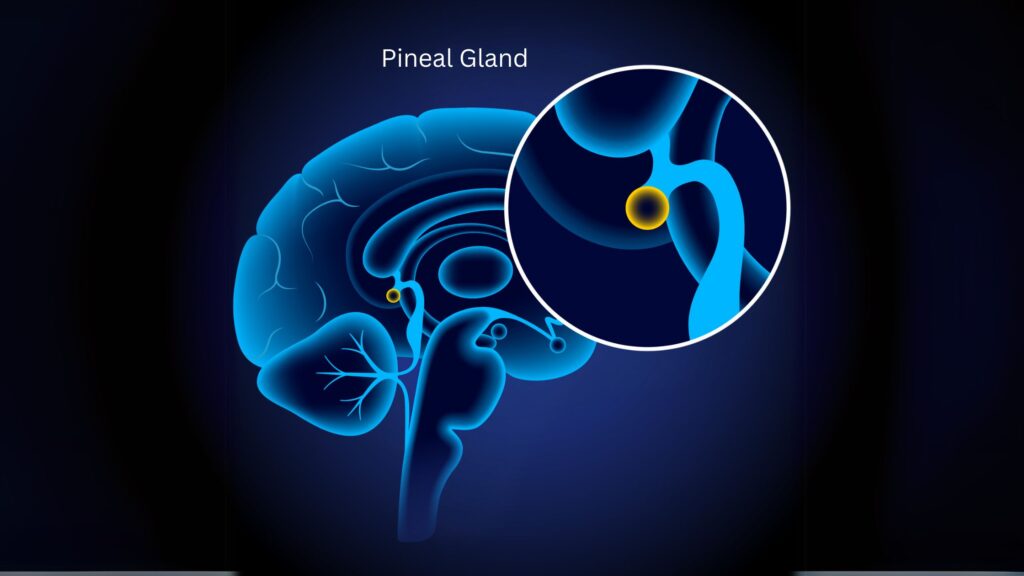
The pineal gland, a small, pea-shaped endocrine organ located in the epithalamus of the brain, is often referred to as the “third eye” due to its role in regulating circadian rhythms and sleep patterns through the secretion of melatonin. This gland has garnered significant attention due to its involvement in various physiological processes and its susceptibility to environmental factors, including fluoride exposure and calcification. The pineal gland is primarily responsible for synthesizing melatonin, a hormone that plays a critical role in signaling the body to prepare for...
The Therapeutic Potential of Herbs and Spices
The utilization of herbs and spices in Traditional Chinese Medicine (TCM) and Ayurvedic medicine exemplifies the profound interconnection between culinary practices and health. For centuries, these natural ingredients have been integral to holistic health systems, serving not only as flavor enhancers in diverse cuisines but also as potent therapeutic agents. In TCM, herbs are meticulously selected based on their properties to restore balance and harmony within the body, while Ayurvedic practices emphasize the use of spices to support digestion, enhance vitality, and prevent disease. This...

The Role of Essential Minerals
Minerals are inorganic elements that play a fundamental role in numerous physiological processes essential for human health. Unlike macronutrients such as carbohydrates, proteins, and fats, which provide energy, minerals are crucial for a variety of functions, including structural support, enzymatic reactions, and the regulation of metabolic pathways. The human body requires a range of minerals, categorized into macrominerals (needed in larger amounts) and trace minerals (required in smaller quantities), each serving distinct and vital roles. The significance of these essential minerals...

Circadian Rhythm and Sleep Quality
Sleep is a complex physiological state governed by various biological rhythms, primarily the circadian rhythm, which plays a crucial role in regulating sleep-wake cycles, hormone secretion, and numerous metabolic processes. Understanding the intricacies of circadian rhythms, their impact on sleep quality, and the factors that disrupt them is essential for improving sleep health. Additionally, the influence of external factors such as lunar phases, particularly the full moon, has garnered attention in recent research, suggesting that these cycles may also affect sleep patterns. Definition...

Sleep: A Critical Factor in Health and Well-being
Sleep is a fundamental physiological process that significantly impacts both physical and mental health. Sleep is characterized by altered consciousness, reduced sensory activity, inhibition of voluntary muscles, and a decrease in interactions with the environment. The quality and duration of sleep are crucial for various bodily functions, including cognitive performance, emotional regulation, and overall well-being. However, sleep can also be adversely affected by numerous factors, leading to a range of health issues. Positive Effects of Sleep on Health Adequate sleep is essential for...

Red Light and Gum Disease
The therapeutic application of red light in the treatment of gum disease, particularly periodontitis, has garnered significant attention in recent years due to its potential to enhance traditional treatment modalities. This article synthesizes various studies that explore the efficacy of red light therapy, specifically in the context of antimicrobial photodynamic therapy (aPDT) and its effects on periodontal pathogens, particularly the notorious red complex bacteria, which include Porphyromonas gingivalis, Tannerella forsythia, and Treponema denticola. The red complex bacteria are...
Low-Level Laser Therapy on Tinnitus
AbstractTinnitus, characterized by the perception of sound in the absence of external stimuli, affects a significant portion of the population and poses a challenge for effective treatment. Low-level laser therapy (LLLT), also known as red light therapy, has emerged as a potential therapeutic intervention. This article reviews the current literature on the efficacy of LLLT in managing tinnitus, exploring its mechanisms, clinical outcomes, and implications for future research. IntroductionTinnitus is a complex auditory phenomenon that can significantly impair quality of life. Traditional...

Red Light Therapy
Red light therapy (RLT), also known as photobiomodulation (PBM), has garnered attention as a non-invasive treatment modality with numerous health benefits. This therapy utilizes specific wavelengths of red light, typically ranging from 600 to 1000 nm, to stimulate cellular processes and promote healing. The therapeutic effects of RLT extend across various fields, including cellular health, dermatology, orthopedic applications, and pain management, as supported by recent scientific research. The mechanism underlying red light therapy primarily involves its interaction with cellular...

Difference between Mindfulness and Clinical Hypnotherapy
The integration of mindfulness with clinical hypnotherapy presents a unique approach to mental health treatment, combining the strengths of both modalities to enhance therapeutic outcomes. While mindfulness emphasizes present-moment awareness and acceptance, clinical hypnotherapy utilizes deep relaxation and focused attention to access the subconscious mind. This article explores how these two practices can complement each other, particularly in addressing psychological distress and promoting overall well-being. Mindfulness, as a practice, encourages individuals to cultivate awareness of...
Stem Cell Changes and Clinical Hypnotherapy
The field of stem cell research has garnered significant attention due to its implications for regenerative medicine and the treatment of age-related diseases. As stem cells age, they undergo a series of intrinsic and extrinsic changes that affect their functionality and regenerative potential. Concurrently, clinical hypnotherapy has emerged as a therapeutic modality that may influence biological processes, including those associated with stem cell behavior. This article explores the intersection of stem cell aging and clinical hypnotherapy, highlighting the potential mechanisms through...
Stem Cell and Mindfulness
The intersection of stem cell research and mindfulness practices has garnered increasing attention in recent years, particularly in the context of neuroplasticity and mental health. Neuroplasticity refers to the brain’s ability to reorganize itself by forming new neural connections throughout life, a process that is significantly influenced by both environmental factors and intrinsic biological mechanisms. Stem cells, particularly neural stem cells (NSCs), play a crucial role in this process by contributing to neurogenesis, the formation of new neurons, and the repair of damaged...

Cellular Changes and Mindfulness
Mindfulness, defined as the intentional and non-judgmental awareness of the present moment, has gained significant attention in both psychological and physiological research. This practice, rooted in ancient contemplative traditions, has been adapted into various therapeutic interventions, most notably Mindfulness-Based Stress Reduction (MBSR) (Rung et al., 2020). The burgeoning field of mindfulness research has revealed profound implications for cellular health, particularly in the context of stress and its physiological manifestations. Stress, a ubiquitous aspect of modern life,...
Medical Disclaimer
The information provided in this document is intended for educational and informational purposes only and should not be construed as medical advice, diagnosis, or treatment. It is essential to consult a qualified healthcare professional for any medical concerns or conditions. The content herein does not substitute for professional medical advice, and individuals should not disregard or delay seeking medical advice based on the information provided.
The authors and publishers of this document do not assume any responsibility for any adverse effects or consequences resulting from the use or application of the information contained herein. The reader is encouraged to conduct their own research and consult with healthcare providers to make informed decisions regarding their health and treatment options. Furthermore, the information presented may not reflect the most current research or medical guidelines, as medical knowledge is continually evolving. Therefore, it is imperative to verify the information with up-to-date, peer-reviewed sources and consult with medical professionals for personalized advice.