
Melatonin: A Key Player in Sleep, Antioxidant Activity, and Holistic Health
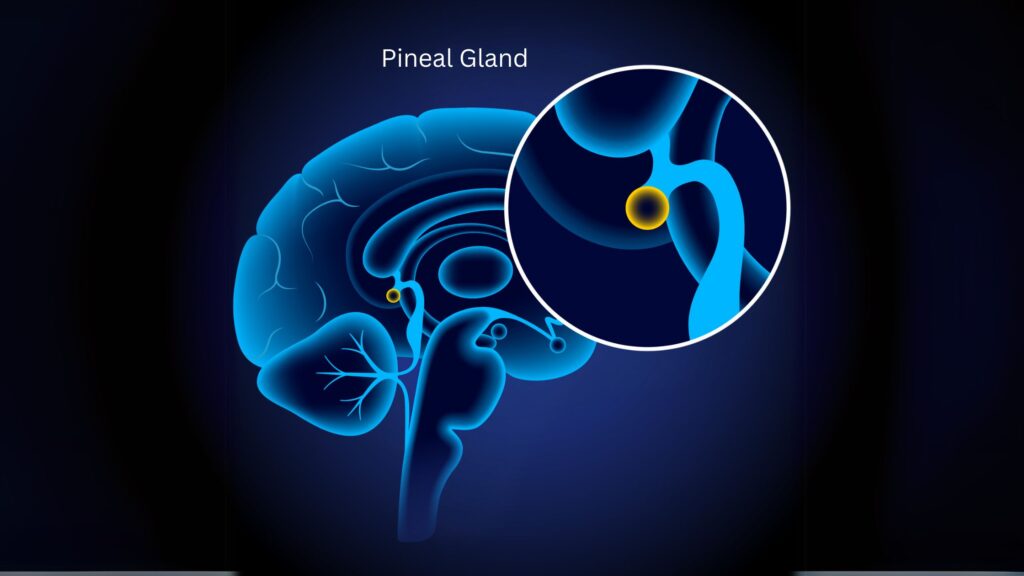
Melatonin, a hormone primarily synthesized in the pineal gland, is integral to the regulation of various physiological processes, particularly the sleep-wake cycle. The synthesis of melatonin initiates with the amino acid tryptophan, which undergoes conversion into serotonin. This transformation is facilitated by the enzyme tryptophan hydroxylase, which catalyzes the first step in serotonin biosynthesis. Subsequently, during the nocturnal phase, serotonin is converted into melatonin through a series of enzymatic reactions involving serotonin N-acetyltransferase and hydroxyindole-O-methyltransferase (Li et al., 2022). This intricate process is tightly regulated by the circadian rhythm, which is predominantly influenced by light exposure; darkness promotes melatonin production, while light exposure inhibits it (Gandhi et al., 2015).
Regulation of Melatonin Production
The regulation of melatonin production is primarily orchestrated by the suprachiasmatic nucleus (SCN) of the hypothalamus, which serves as the body’s central circadian clock. The SCN receives light signals through the retina, which modulates the secretion of melatonin in a circadian manner. Prolonged exposure to light, such as that experienced by shift workers or individuals with excessive screen time, can significantly suppress melatonin production, leading to sleep disturbances and various health issues (Gandhi et al., 2015). Additionally, factors such as aging and certain medical conditions can negatively impact melatonin levels, with older adults often exhibiting decreased melatonin synthesis (Russcher, 2012).
Physiological Functions of Melatonin
Melatonin is widely recognized for its pivotal role in promoting sleep. It facilitates sleep onset by lowering body temperature and inhibiting the release of wake-promoting neurotransmitters, such as norepinephrine and dopamine (Gandhi et al., 2015). Furthermore, melatonin has been shown to enhance sleep quality and regulate sleep patterns, making it a popular supplement for individuals suffering from insomnia or jet lag (Gandhi et al., 2015). The hormone’s effectiveness in improving sleep has been corroborated by various studies, which indicate that melatonin supplementation can reduce sleep latency, increase total sleep time, and enhance sleep efficiency (Pérez‐Llamas et al., 2020; Buonfiglio et al., 2020). Beyond its effects on sleep, melatonin exhibits a plethora of other biological functions. It acts as a potent antioxidant, scavenging free radicals and enhancing the activity of antioxidant enzymes, thereby protecting cells from oxidative stress (Li et al., 2019; Zhang et al., 2016; Qin et al., 2022). This antioxidant property extends to various systems in the body, including the cardiovascular system, where melatonin has been shown to inhibit inflammation and reduce the risk of atherosclerosis (Li et al., 2019; Zhang et al., 2016; Otamas et al., 2020).
Moreover, melatonin’s anti-inflammatory effects are profound. It modulates the immune response by inhibiting the production of pro-inflammatory cytokines and reducing the activation of inflammatory pathways, such as the NF-kB signaling pathway (Kang et al., 2013; Huang et al., 2019). This has significant implications for various inflammatory conditions, including rheumatoid arthritis and neuroinflammation, where melatonin has demonstrated protective effects (Huang et al., 2019; Borin et al., 2015). Additionally, melatonin has been implicated in cancer biology, where it may exert antiproliferative effects on various cancer cell lines, including breast and prostate cancer, by modulating pathways related to cell growth and apoptosis (Wang et al., 2020; Mao et al., 2010; Hong et al., 2020). For instance, studies have shown that melatonin can inhibit the proliferation of cancer cells and induce apoptosis through mechanisms involving the regulation of cell cycle proteins and apoptotic factors (Wang et al., 2020; Mao et al., 2010).
The potential benefits of melatonin supplementation extend beyond sleep regulation and antioxidant activity. Research suggests that melatonin may play a role in metabolic regulation, influencing lipid metabolism and insulin sensitivity (Shah et al., 2016; Li et al., 2017). Furthermore, it has been associated with improved mood and cognitive function, likely due to its neuroprotective properties (Shah et al., 2016; Li et al., 2017). Melatonin’s ability to modulate neurotransmitter systems, including gamma-aminobutyric acid (GABA) and brain-derived neurotrophic factor (BDNF), further underscores its potential role in enhancing cognitive performance and emotional well-being (Shah et al., 2016; Yin et al., 2023).
Factors Contributing to Diminished Melatonin Production
Melatonin production can be diminished due to several factors, including age, lifestyle choices, environmental influences, and specific health conditions. Understanding these factors can help in developing strategies to enhance melatonin production and improve overall health.
Aging: One of the most significant factors contributing to decreased melatonin production is aging. Research indicates that melatonin levels begin to decline after the age of 50, with older adults often exhibiting significantly lower serum melatonin levels compared to younger individuals Nanzadsuren et al. (2019)Gürsoy et al., 2015). This decline is associated with various physiological changes, including alterations in the circadian rhythm and decreased activity of the enzymes responsible for melatonin synthesis (Amaral et al., 2014; Rudnitskaya et al., 2014). The age-related decline in melatonin is linked to systemic changes in metabolic processes and can negatively impact the functioning of multiple organ systems (Rudnitskaya et al., 2014).
Light Exposure: Exposure to artificial light, particularly blue light from screens and LED lighting during the evening, can inhibit melatonin production. Light exposure at night disrupts the natural circadian rhythm, leading to reduced melatonin synthesis (Hoffmann et al., 2008; Marks, 2021). This is particularly relevant for individuals who work night shifts or have irregular sleep patterns, as their melatonin production may be significantly affected by their light exposure (Cipolla‐Neto et al., 2014).
Health Conditions: Certain medical conditions, such as diabetes, can impair melatonin synthesis. Hyperglycemia associated with diabetes has been shown to negatively affect the pineal gland’s ability to produce melatonin, leading to sleep disorders and rhythmic disturbances (Amaral et al., 2014). Additionally, conditions such as obesity and metabolic syndrome are linked to chronodisruption, which can further reduce melatonin levels (Cipolla‐Neto et al., 2014).
Medications: Some medications, particularly beta-blockers, have been shown to inhibit melatonin production. Beta-blockers can reduce the synthesis and release of melatonin by blocking beta-adrenergic receptors, which are involved in the stimulation of melatonin production (Fares, 2011). This can lead to sleep disturbances in individuals taking these medications.
Stress: Chronic stress can lead to elevated levels of cortisol, which may inhibit melatonin production. Stressful conditions can disrupt the balance of neurotransmitters and hormones involved in melatonin synthesis, leading to lower levels of this hormone (Tan et al., 2006). Additionally, oxidative stress can result in a rapid drop in circulating melatonin levels, not due to reduced synthesis but rather due to its rapid consumption in response to stress (Tan et al., 2006).
Nutritional Deficiencies: A diet low in tryptophan, the precursor to serotonin and subsequently melatonin, can also contribute to diminished melatonin production. Tryptophan is essential for the synthesis of serotonin, which is then converted into melatonin (Paredes et al., 2007). Insufficient intake of tryptophan-rich foods can therefore lead to lower melatonin levels.
Circadian Rhythm Disruption: Disruptions in the circadian rhythm, such as those caused by shift work or irregular sleep schedules, can lead to decreased melatonin production. The suprachiasmatic nucleus (SCN), which regulates melatonin secretion, can become desynchronized from the natural light-dark cycle, resulting in lower melatonin levels (Hoffmann et al., 2008; Zhou et al., 2002).
Natural Ways to Increase Melatonin Production
To naturally increase melatonin production, individuals can adopt several lifestyle changes and dietary practices that have been shown to enhance the body’s endogenous synthesis of this hormone. Here are some effective strategies supported by recent research:
Dietary Adjustments: Consuming foods rich in melatonin or those that promote its synthesis can significantly impact melatonin levels. Fruits such as pineapples, oranges, and bananas have been shown to increase serum melatonin levels when consumed before sleep (Saeteaw et al., 2012). These fruits not only contain melatonin but also antioxidants that can reduce oxidative stress, which is beneficial for individuals with low melatonin production, such as the elderly or those exposed to excessive light at night (Saeteaw et al., 2012; Johns et al., 2013). Additionally, incorporating melatonin-rich foods like tomatoes, grapes, and certain nuts can further support melatonin levels (Tan et al., 2014).
Regular Exercise: Engaging in regular physical activity has been linked to increased melatonin production. Studies indicate that both moderate and high-intensity exercise can elevate melatonin levels, with acute exercise leading to a temporary spike in melatonin concentrations (Kim et al., 2023; Mashfufa et al., 2022). Specifically, high-intensity interval training (HIIT) has been shown to enhance melatonin secretion through a neural control mechanism that increases tryptophan levels, the precursor to melatonin synthesis (Al‐Rawaf et al., 2023). Therefore, incorporating a consistent exercise regimen can be beneficial for melatonin production.
Light Exposure Management: Managing light exposure is crucial for maintaining healthy melatonin levels. Exposure to natural light during the day helps regulate the circadian rhythm, while minimizing exposure to artificial light, especially blue light from screens in the evening, can enhance melatonin production at night (Saeteaw et al., 2012; Lemos et al., 2018). Creating a dark environment during sleep, such as using blackout curtains, can also promote melatonin synthesis by signaling to the body that it is time to produce this hormone.
Sleep Hygiene Practices: Establishing a consistent sleep schedule and practicing good sleep hygiene can enhance melatonin production. Going to bed and waking up at the same time each day helps regulate the body’s internal clock, promoting optimal melatonin secretion (Lemos et al., 2018). Additionally, creating a relaxing bedtime routine that includes activities such as reading or meditation can signal the body to prepare for sleep, further supporting melatonin production.
Supplementation Considerations: While the focus is on natural methods, some individuals may benefit from melatonin supplementation, particularly those with significant sleep disturbances or irregular circadian rhythms. However, it is essential to consult with a healthcare professional before starting any supplementation to determine the appropriate dosage and timing (Tse et al., 2022).
Mindfulness and Stress Reduction: Engaging in mindfulness practices such as yoga and meditation can reduce stress levels, which may positively influence melatonin production. High stress can disrupt sleep patterns and melatonin synthesis, so incorporating relaxation techniques into daily routines can be beneficial (Kim et al., 2023; Ochoa et al., 2011).
In summary, increasing melatonin production naturally involves a combination of dietary choices, regular physical activity, effective light management, good sleep hygiene, and stress reduction techniques. By implementing these strategies, individuals can enhance their melatonin levels, leading to improved sleep quality and overall health.
Conclusion
In conclusion, melatonin’s production is intricately linked to the body’s circadian rhythms, regulated by light exposure and influenced by various physiological factors. Its role in sleep regulation is complemented by its antioxidant and anti-inflammatory properties, making it a valuable hormone for maintaining health and well-being. The strategies outlined above for naturally increasing melatonin production can further enhance its beneficial effects on sleep and overall health. As research continues to uncover the diverse functions of melatonin, its therapeutic potential, particularly in sleep disorders and inflammatory conditions, remains a promising area of investigation. The ongoing exploration of melatonin’s multifaceted roles in health and disease may lead to novel therapeutic strategies for a range of conditions, including sleep disorders, metabolic syndromes, and inflammatory diseases.
References
- Amaral et al. (2014). “Melatonin synthesis impairment as a new deleterious outcome of diabetes‐derived hyperglycemia” Journal of Pineal Research https://doi.org/10.1111/jpi.12144.
- Al‐Rawaf, H., et al. (2023). Effects of high-intensity interval training on melatonin function and cellular lymphocyte apoptosis in sedentary middle-aged men. Medicina, 59(7), 1201. https://doi.org/10.3390/medicina59071201
- Borin, T., et al. (2015). Melatonin decreases breast cancer metastasis by modulating rho‐associated kinase protein‐1 expression. Journal of Pineal Research, 60(1), 3-15. https://doi.org/10.1111/jpi.12270
- Buonfiglio, D., et al. (2020). Angelman syndrome and melatonin: what can they teach us about sleep regulation. Journal of Pineal Research, 69(4). https://doi.org/10.1111/jpi.12697
- Cipolla‐Neto et al. (2014). “Melatonin, energy metabolism, and obesity: a review” Journal of Pineal Research https://doi.org/10.1111/jpi.12137.
- Fares, (2011). “Night-time exogenous melatonin administration may be a beneficial treatment for sleeping disorders in beta blocker patients” Journal of Cardiovascular Disease Research https://doi.org/10.4103/0975-3583.85261.
- Gandhi, A., et al. (2015). Melatonin is required for the circadian regulation of sleep. Neuron, 85(6), 1193-1199. https://doi.org/10.1016/j.neuron.2015.02.016
- Gürsoy et al. (2015) “Melatonin in aging women” Climacteric https://doi.org/10.3109/13697137.2015.1052393.
- Hoffmann et al. (2008). “Effects of Light With Reduced Short Wavelength Components on Parameters of Circadian Rhythm and Performance in an Experimental Night Shift Model” The Open Physiology Journal https://doi.org/10.2174/1874360900801010034.
- Hong, F., et al. (2020). Melatonin orchestrates lipid homeostasis through the hepatointestinal circadian clock and microbiota during constant light exposure. Cells, 9(2), 489. https://doi.org/10.3390/cells9020489
- Huang, C., et al. (2019). Melatonin attenuates tnf‐α and il‐1β expression in synovial fibroblasts and diminishes cartilage degradation: implications for the treatment of rheumatoid arthritis. Journal of Pineal Research, 66(3). https://doi.org/10.1111/jpi.12560
- Johns, N., et al. (2013). Dietary intake of melatonin from tropical fruit altered urinary excretion of 6-sulfatoxymelatonin in healthy volunteers. Journal of Agricultural and Food Chemistry, 61(4), 913-919. https://doi.org/10.1021/jf300359a
- Jung‐Hynes, et al. (2010). Melatonin, a novel sirt1 inhibitor, imparts antiproliferative effects against prostate cancer in vitro in culture and in vivo in tramp model. Journal of Pineal Research, 50(2), 140-149. https://doi.org/10.1111/j.1600-079x.2010.00823.x
- Kang, Y., et al. (2013). Melatonin inhibits visfatin‐induced inducible nitric oxide synthase expression and nitric oxide production in macrophages. Journal of Pineal Research, 55(3), 294-303. https://doi.org/10.1111/jpi.12072
- Kim, N., et al. (2023). Effects of exercise timing and intensity on physiological circadian rhythm and sleep quality: a systematic review. Physical Activity and Nutrition, 27(3), 052-063. https://doi.org/10.20463/pan.2023.0029
- Lemos, V., et al. (2018). Melatonin and sleep responses to normobaric hypoxia and aerobic physical exercise: a randomized controlled trial. Physiology & Behavior, 196, 95-103. https://doi.org/10.1016/j.physbeh.2018.08.016
- Li, H., et al. (2019). Melatonin inhibits in vitro smooth muscle cell inflammation and proliferation and atherosclerosis in apolipoprotein e-deficient mice. Journal of Agricultural and Food Chemistry, 67(7), 1889-1901. https://doi.org/10.1021/acs.jafc.8b06217
- Li, W., et al. (2022). Role of sleep restriction in daily rhythms of expression of hypothalamic core clock genes in mice. Current Issues in Molecular Biology, 44(2), 609-625. https://doi.org/10.3390/cimb44020042
- Li, Z., et al. (2017). Melatonin antagonizes interleukin‐18‐mediated inhibition on neural stem cell proliferation and differentiation. Journal of Cellular and Molecular Medicine, 21(9), 2163-2171. https://doi.org/10.1111/jcmm.13140
- Mao, L., et al. (2010). Inhibition of breast cancer cell invasion by melatonin is mediated through regulation of the p38 mitogen-activated protein kinase signaling pathway. Breast Cancer Research, 12(6). https://doi.org/10.1186/bcr2794
- , (2021). “Healthy Aging and Muscle Dysfunction: Will Melatonin Help?” Journal of Aging Research and Healthcare https://doi.org/10.14302/issn.2474-7785.jarh-21-3867.
- Mashfufa, E., et al. (2022). Interaction between exercise and sleep quality through melatonin synthesis: a literature review. Kne Medicine. https://doi.org/10.18502/kme.v2i3.11874
- Nanzadsuren et al. (2019) “Association between serum melatonin and skin aging in an urban population of Mongolia” Journal of Cosmetic Dermatology https://doi.org/10.1111/jocd.13166.
- Ochoa, J., et al. (2011). Melatonin supplementation ameliorates oxidative stress and inflammatory signaling induced by strenuous exercise in adult human males. Journal of Pineal Research, 51(4), 373-380. https://doi.org/10.1111/j.1600-079x.2011.00899.x
- Otamas, A., et al. (2020). Diabetes and atherothrombosis: the circadian rhythm and role of melatonin in vascular protection. Diabetes and Vascular Disease Research, 17(3), 147916412092058. https://doi.org/10.1177/1479164120920582
- Paredes et al. (2007). “Tryptophan Modulates Cell Viability, Phagocytosis and Oxidative Metabolism in Old Ringdoves” Basic & Clinical Pharmacology & Toxicology. https://doi.org/10.1111/j.1742-7843.2007.00076.x.
- Pérez‐Llamas, F., et al. (2020). Development of a phytomelatonin-rich extract from cultured plants with excellent biochemical and functional properties as an alternative to synthetic melatonin. Antioxidants, 9(2), 158. https://doi.org/10.3390/antiox9020158
- Qin, T., et al. (2022). Melatonin suppresses lps-induced oxidative stress in dendritic cells for inflammatory regulation via the nrf2/ho-1 axis. Antioxidants, 11(10), 2012. https://doi.org/10.3390/antiox11102012
- Rudnitskaya et al. (2014). “Beneficial effects of melatonin in a rat model of sporadic Alzheimer’s disease” Biogerontology (2014) https://doi.org/10.1007/s10522-014-9547-7.
- Russcher, M. (2012). The role of melatonin treatment in chronic kidney disease. Frontiers in Bioscience-Elite, 17(7), 2644. https://doi.org/10.2741/4075
- Saeteaw, M., et al. (2012). Serum melatonin levels and antioxidant capacities after consumption of pineapple, orange, or banana by healthy male volunteers. Journal of Pineal Research, 55(1), 58-64. https://doi.org/10.1111/jpi.12025
- Shah, S., et al. (2016). Melatonin stimulates the sirt1/nrf2 signaling pathway counteracting lipopolysaccharide (lps)‐induced oxidative stress to rescue postnatal rat brain. CNS Neuroscience & Therapeutics, 23(1), 33-44. https://doi.org/10.1111/cns.12588
- Tan et al. (2006). “One molecule, many derivatives: A never‐ending interaction of melatonin with reactive oxygen and nitrogen species?” Journal of Pineal Research. https://doi.org/10.1111/j.1600-079x.2006.00407.x.
- Tan, D., et al. (2014). Melatonin identified in meats and other food stuffs: potentially nutritional impact. Journal of Pineal Research, 57(2), 213-218. https://doi.org/10.1111/jpi.12152
- Tse, A., Lee, P., Zhang, J., Chan, R., Ho, A., & Lai, E. (2022). Effects of exercise on sleep, melatonin level, and behavioral functioning in children with autism. Autism, 26(7), 1712-1722. https://doi.org/10.1177/13623613211062952
- Wang, S., Tai, H., Tang, C., Lin, L., Lin, T., Chang, A., … & Chen, S. (2020). Melatonin impedes prostate cancer metastasis by suppressing mmp‐13 expression. Journal of Cellular Physiology, 236(5), 3979-3990. https://doi.org/10.1002/jcp.30150
- Yin, W., Zhang, J., Guo, Y., Wu, Z., Diao, C., & Sun, J. (2023). Melatonin for premenstrual syndrome: a potential remedy but not ready. Frontiers in Endocrinology, 13. https://doi.org/10.3389/fendo.2022.1084249
- Zhang, Y., Li, X., Grailer, J., Wang, N., Wang, M., Yao, J., … & Li, X. (2016). Melatonin alleviates acute lung injury through inhibiting the nlrp3 inflammasome. Journal of Pineal Research, 60(4), 405-414. https://doi.org/10.1111/jpi.12322
- Zhou et al. (2002). “Alterations in the circadian rhythm of salivary melatonin begin during middle‐age” Journal of Pineal Research. https://doi.org/10.1034/j.1600-079x.2003.01897.x.
More Articles You May Like
Pineal Gland Insights
The pineal gland, a small, pea-shaped endocrine organ located in the epithalamus of the brain, is often referred to as the “third eye” due to its role in regulating circadian rhythms and sleep patterns through the secretion of melatonin. This gland has garnered significant attention due to its involvement in various physiological processes and its susceptibility to environmental factors, including fluoride exposure and calcification. The pineal gland is primarily responsible for synthesizing melatonin, a hormone that plays a critical role in signaling the body to prepare for...

Circadian Rhythm and Sleep Quality
Sleep is a complex physiological state governed by various biological rhythms, primarily the circadian rhythm, which plays a crucial role in regulating sleep-wake cycles, hormone secretion, and numerous metabolic processes. Understanding the intricacies of circadian rhythms, their impact on sleep quality, and the factors that disrupt them is essential for improving sleep health. Additionally, the influence of external factors such as lunar phases, particularly the full moon, has garnered attention in recent research, suggesting that these cycles may also affect sleep patterns. Definition...

Sleep: A Critical Factor in Health and Well-being
Sleep is a fundamental physiological process that significantly impacts both physical and mental health. Sleep is characterized by altered consciousness, reduced sensory activity, inhibition of voluntary muscles, and a decrease in interactions with the environment. The quality and duration of sleep are crucial for various bodily functions, including cognitive performance, emotional regulation, and overall well-being. However, sleep can also be adversely affected by numerous factors, leading to a range of health issues. Positive Effects of Sleep on Health Adequate sleep is essential for...
Medical Disclaimer
The information provided in this document is intended for educational and informational purposes only and should not be construed as medical advice, diagnosis, or treatment. It is essential to consult a qualified healthcare professional for any medical concerns or conditions. The content herein does not substitute for professional medical advice, and individuals should not disregard or delay seeking medical advice based on the information provided.
The authors and publishers of this document do not assume any responsibility for any adverse effects or consequences resulting from the use or application of the information contained herein. The reader is encouraged to conduct their own research and consult with healthcare providers to make informed decisions regarding their health and treatment options. Furthermore, the information presented may not reflect the most current research or medical guidelines, as medical knowledge is continually evolving. Therefore, it is imperative to verify the information with up-to-date, peer-reviewed sources and consult with medical professionals for personalized advice.