
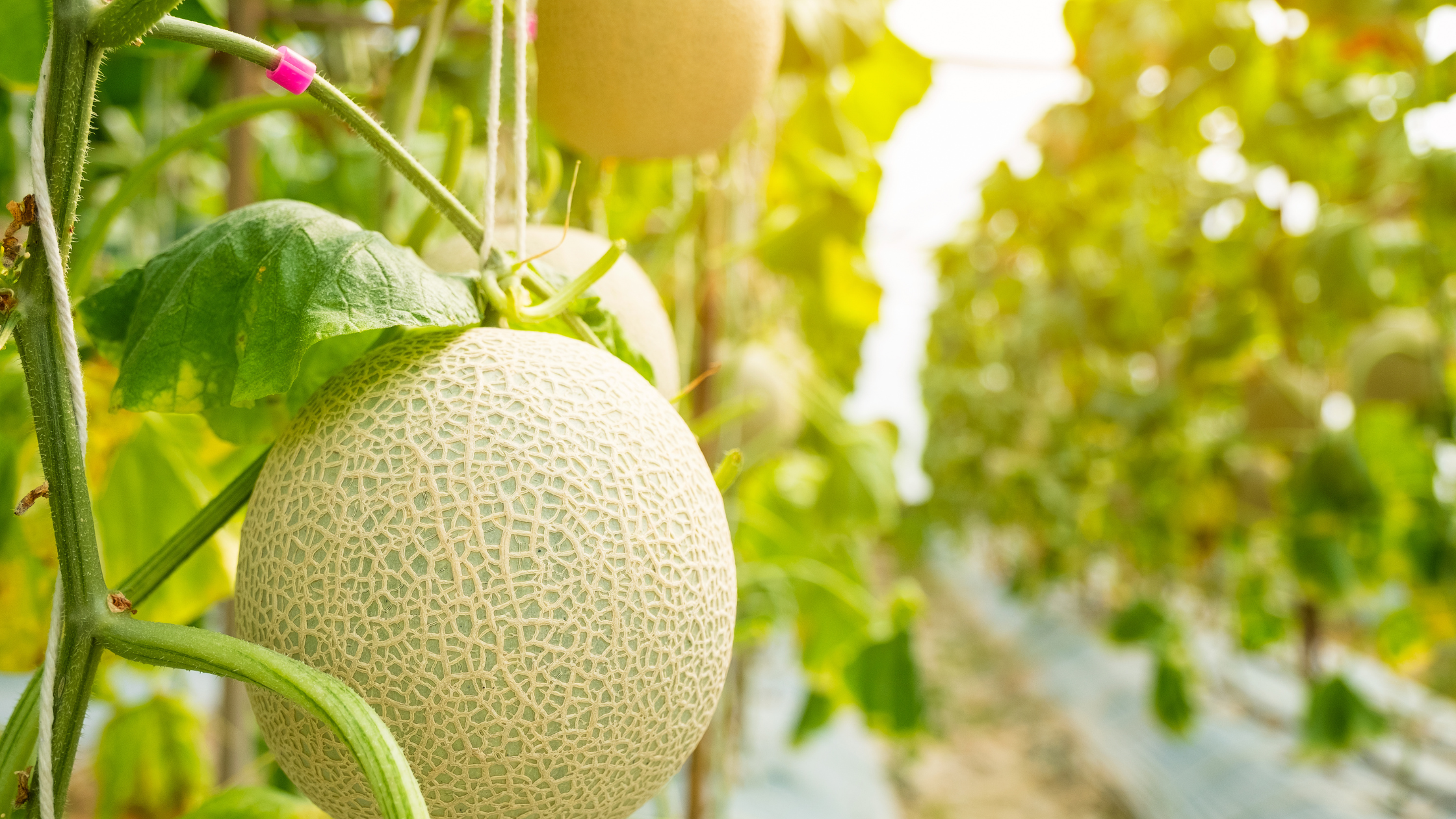
Cantaloupe
Cantaloupe, scientifically known as Cucumis melo var. cantalupensis, is a delicious and nutritious fruit belonging to the Cucurbitaceae family. Renowned for its juicy flesh and sweet flavor, cantaloupe is a popular choice in fruit salads, smoothies, and various culinary dishes. Beyond its delightful taste, this fruit boasts an array of health benefits, making it a valuable addition to any diet.
Cantaloupe has a rich history that dates back thousands of years. Believed to have originated in ancient Persia (modern-day Iran and surrounding regions), cantaloupe cultivation spread across Europe and Asia, eventually reaching the Americas through European colonization. Over time, different varieties of cantaloupe have emerged, each with its unique flavor and characteristics, contributing to its global popularity.
The health benefits of cantaloupe can be attributed to its rich nutritional profile. This fruit is an excellent source of vitamins A and C, which act as powerful antioxidants in the body, protecting cells from oxidative damage and supporting immune function. Additionally, cantaloupe contains significant amounts of potassium, which helps regulate blood pressure and maintain proper muscle function. The high levels of vitamins A and C in cantaloupe help combat oxidative stress and inflammation, reducing the risk of chronic diseases such as heart disease and cancer. With its high water content, cantaloupe aids in hydration, promoting healthy skin and efficient bodily functions. Cantaloupe is rich in dietary fiber, which supports digestive health by promoting regular bowel movements and preventing constipation. The beta-carotene in cantaloupe is converted into vitamin A in the body, playing a crucial role in maintaining vision health and reducing the risk of age-related macular degeneration.
Cantaloupe is versatile and can be enjoyed fresh in fruit salads, smoothies, or as a refreshing snack. It can also be incorporated into savory dishes, such as salads or salsas, and pairs well with ingredients like prosciutto or mint. Additionally, cantaloupe can be blended into soups or pureed for sauces, showcasing its sweet flavor and hydrating properties, making it an excellent choice for warm weather dishes.
While cantaloupe offers numerous health benefits, individuals with certain medical conditions or allergies should exercise caution. Those with a known allergy to melons should avoid consuming cantaloupe to prevent adverse reactions. Additionally, individuals with diabetes should monitor their intake of cantaloupe due to its natural sugar content. While cantaloupe is generally safe for consumption, some individuals may experience allergic reactions, particularly if they have a sensitivity to other fruits in the melon family. Symptoms of a cantaloupe allergy may include itching, swelling, or difficulty breathing. Additionally, consuming excessive amounts of cantaloupe may cause gastrointestinal discomfort due to its high fiber content. Cantaloupe is not known to interact adversely with medications. However, individuals taking potassium-sparing diuretics or potassium supplements should monitor their intake of high-potassium foods like cantaloupe to avoid potassium overload.
In Eastern traditional medicine, cantaloupe is believed to have cooling properties, making it beneficial for reducing heat-related ailments and promoting hydration during hot weather. In Western herbalism, cantaloupe is less commonly used for medicinal purposes but is appreciated for its nutritional value and refreshing taste. In Traditional Chinese Medicine (TCM), cantaloupe is associated with the Lung and Stomach meridians. It is believed to have a cooling effect on these organs, helping to alleviate heat-related imbalances and promoting respiratory health.
In conclusion, cantaloupe is not only a delicious and refreshing fruit but also a nutritional powerhouse with a wide range of health benefits. By incorporating this flavorful fruit into your diet, you can enhance your overall well-being and enjoy its sweet goodness in various culinary creations.
Abdel-Aal, E., Akhtar, H., Zaheer, K., & Ali, R. (2013). Dietary sources of lutein and zeaxanthin carotenoids and their role in eye health. Nutrients, 5(4), 1169-1185. https://doi.org/10.3390/nu5041169
Ali, S. (2023). Insights on the nutritional profiling of cantaloupe (cucumis melo l.) via 1-naphthalene acetic acid. Plants, 12(16), 2969. https://doi.org/10.3390/plants12162969
Crosby, K., Marquez, S., Jifon, J., Leskovar, D., Isakeit, T., Singh, J., … & Patil, B. (2023). ‘supermelon’ and ‘flavorific’: two new hybrid muskmelon cultivars with resistance to monosporascus cannonballus from texas a&m agrilife research. Hortscience, 58(7), 804-807. https://doi.org/10.21273/hortsci17116-23
El-Ez, R., Shalaby, H., El-Maaty, S., & Guirguis, A. (2017). Utlization of fruit and vegetable waste powders for fortification of some food products. Zagazig Journal of Agricultural Research, 44(6), 2189-2201. https://doi.org/10.21608/zjar.2017.51273
El-Sakhawy, M. (2023). Biodegradable carboxymethyl cellulose based material for sustainable/active food packaging application. Journal of Thermoplastic Composite Materials, 37(6), 2035-2050. https://doi.org/10.1177/08927057231211236
Hashemi, S., Gholamhosseinpour, A., & Niakousari, M. (2019). Application of microwave and ohmic heating for pasteurization of cantaloupe juice: microbial inactivation and chemical properties. Journal of the Science of Food and Agriculture, 99(9), 4276-4286. https://doi.org/10.1002/jsfa.9660
Kapoor, N., Ghorai, S., Kushwaha, P., Shukla, R., Aggarwal, C., & Bandichhor, R. (2020). Plausible mechanisms explaining the role of cucurbitacins as potential therapeutic drugs against coronavirus 2019. Informatics in Medicine Unlocked, 21, 100484. https://doi.org/10.1016/j.imu.2020.100484
Liu, R. (2013). Dietary bioactive compounds and their health implications. Journal of Food Science, 78(s1). https://doi.org/10.1111/1750-3841.12101
Medeiros, I., Oliveira, G., Queiroz, J., Gomes, C., Carvalho, F., Lima, M., … & Passos, T. (2020). Safety and bioactive potential of nanoparticles containing cantaloupe melon (cucumis melo l.) carotenoids in an experimental model of chronic inflammation. Biotechnology Reports, 28, e00567. https://doi.org/10.1016/j.btre.2020.e00567
Palka, A. and Skotnicka, M. (2022). The health-promoting and sensory properties of tropical fruit sorbets with inulin. Molecules, 27(13), 4239. https://doi.org/10.3390/molecules27134239
Qian, C., Decker, E., Xiao, H., & McClements, D. (2012). Inhibition of β-carotene degradation in oil-in-water nanoemulsions: influence of oil-soluble and water-soluble antioxidants. Food Chemistry, 135(3), 1036-1043. https://doi.org/10.1016/j.foodchem.2012.05.085
Salahi, M., Mohebbi, M., & Taghizadeh, M. (2014). Foam-mat drying of cantaloupe (cucumis melo): optimization of foaming parameters and investigating drying characteristics. Journal of Food Processing and Preservation, 39(6), 1798-1808. https://doi.org/10.1111/jfpp.12414
Saleh, A., El‐Gendi, H., El‐Fakharany, E., Owda, M., Awad, M., & Kamoun, E. (2022). Exploitation of cantaloupe peels for bacterial cellulose production and functionalization with green synthesized copper oxide nanoparticles for diverse biological applications. Scientific Reports, 12(1). https://doi.org/10.1038/s41598-022-23952-w
Solval, K., Sundararajan, S., Alfaro, L., & Sathivel, S. (2012). Development of cantaloupe (cucumis melo) juice powders using spray drying technology. LWT, 46(1), 287-293. https://doi.org/10.1016/j.lwt.2011.09.017
Zadhossein, S., Abbaspour‐Gilandeh, Y., Kaveh, M., Kalantari, D., & Khalife, E. (2022). Comparison of two artificial intelligence methods (anns and anfis) for estimating the energy and exergy of drying cantaloupe in a hybrid infrared‐convective dryer. Journal of Food Processing and Preservation, 46(10). https://doi.org/10.1111/jfpp.16836
MyFoodData. (n.d.). Nutrition facts for food item 169092. Retrieved December 11, 2024, from https://tools.myfooddata.com/nutrition-facts/169092/wt1/1
Medical Disclaimer
The information provided in this document is intended for educational and informational purposes only and should not be construed as medical advice, diagnosis, or treatment. It is essential to consult a qualified healthcare professional for any medical concerns or conditions. The content herein does not substitute for professional medical advice, and individuals should not disregard or delay seeking medical advice based on the information provided.
The authors and publishers of this document do not assume any responsibility for any adverse effects or consequences resulting from the use or application of the information contained herein. The reader is encouraged to conduct their own research and consult with healthcare providers to make informed decisions regarding their health and treatment options. Furthermore, the information presented may not reflect the most current research or medical guidelines, as medical knowledge is continually evolving. Therefore, it is imperative to verify the information with up-to-date, peer-reviewed sources and consult with medical professionals for personalized advice.