
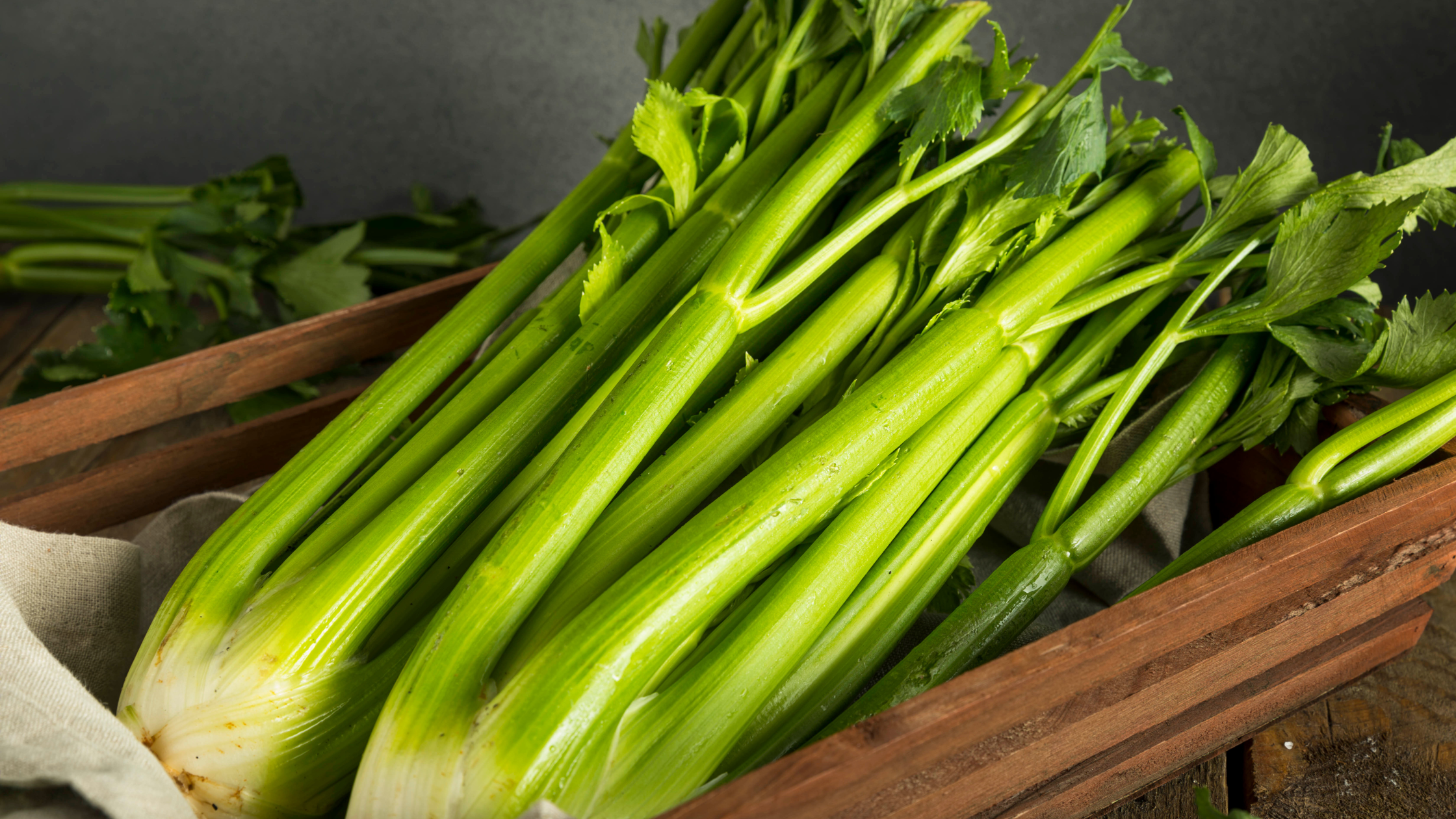
Celery
Celery, with its crisp texture and refreshing flavor, often takes a humble place on our plates, but its nutritional profile and health benefits are anything but modest. This unassuming vegetable has been celebrated for centuries for its medicinal properties and culinary versatility. From ancient civilizations to modern dietary trends, celery continues to play a significant role in human health and well-being.
The history of celery traces back thousands of years, with evidence of its consumption dating back to ancient times. Originating in the Mediterranean region, wild celery was first cultivated by the ancient Egyptians, who revered it for its medicinal properties. The Greeks and Romans also valued celery for its therapeutic benefits and used it to treat various ailments, including inflammation and high blood pressure. In the Middle Ages, celery gained popularity in Europe as both a culinary herb and a medicinal plant. Its use spread across the continent, with herbalists prescribing it for a range of conditions, from arthritis to digestive disorders.
The health benefits of celery are attributed to its rich array of nutrients and bioactive compounds, including antioxidants, vitamins, minerals, and phytochemicals. One notable compound found in celery is apigenin, a flavonoid recognized for its anti-inflammatory and antioxidant properties. Additionally, celery contains phthalides, which may help lower blood pressure by relaxing the muscles in the walls of blood vessels. Celery is also abundant in dietary fiber, which supports digestive health by promoting regular bowel movements and preventing constipation. Its high water content aids in hydration and detoxification. Overall, celery offers a plethora of health benefits, making it a valuable addition to any diet. The antioxidants and anti-inflammatory compounds present may alleviate symptoms of conditions like arthritis. Furthermore, the fiber content promotes digestive health and aids in weight management, as celery’s low calorie and high fiber content can help individuals feel full with fewer calories. Lastly, celery’s high water content makes it an excellent hydrating snack, particularly beneficial during hot weather or after exercise.
Depending on your intended use, you can cut the celery into sticks, slices, or dice it into smaller pieces. Celery can be enjoyed raw as a crunchy snack, added to salads for extra texture, or used as a base for soups and stews. It is also commonly used in stir-fries and as a flavoring agent in various dishes. Additionally, celery can be juiced or blended into smoothies, providing a refreshing and hydrating option
While celery is generally safe for consumption, individuals with celery allergy should avoid it, as it can cause allergic reactions ranging from mild itching to severe anaphylaxis. Additionally, individuals with kidney problems should consume celery in moderation due to its oxalate content, which may contribute to kidney stone formation in susceptible individuals. Celery may interact with certain medications, including blood thinners such as warfarin, due to its vitamin K content. Individuals taking these medications should consult with their healthcare provider before consuming large amounts of celery. Celery allergy can cause symptoms ranging from itching and hives to difficulty breathing and anaphylaxis. Consuming large amounts of celery may cause bloating, gas, or diarrhea in sensitive individuals. Celery contains psoralens, compounds that can make the skin more sensitive to sunlight in some individuals.
In traditional Chinese medicine (TCM), celery is believed to have cooling and cleansing properties, making it useful for conditions related to heat and inflammation. It is associated with the Liver and Stomach meridians and is often used to support liver health, promote digestion, and clear heat from the body.
In Western herbal medicine, celery seeds are used to make extracts and tinctures for treating conditions such as arthritis, gout, and high blood pressure. Celery is also valued as a culinary herb and vegetable, adding flavor and nutrition to a wide range of dishes.
Celery’s rich history, nutritional benefits, and medicinal properties make it a valuable addition to any diet. Whether enjoyed raw, cooked, or juiced, celery offers a range of health benefits and culinary possibilities. However, individuals with allergies or specific medical conditions should exercise caution and consult with a healthcare provider before incorporating celery into their diet or wellness regimen.
Afifah, A., et al. (2022). The protective effect of celery ethanol extract on oxidative stress in chronic kidney disease rat model. Zinc Supplementation Improves Heme Biosynthesis in Rats Exposed to Lead, 41(2), 114-120. https://doi.org/10.18051/univmed.2022.v41.114-120
Branković, S., et al. (2015). Spasmolytic activity of the aqueous and ethanol celery leaves (apium graveolens l.) extracts on the contraction of isolated rat ileum. Acta Medica Medianae, 11-16. https://doi.org/10.5633/amm.2015.0202
Hedayati, N., et al. (2019). Beneficial effects of celery (apium graveolens) on metabolic syndrome: a review of the existing evidences. Phytotherapy Research, 33(12), 3040-3053. https://doi.org/10.1002/ptr.6492
Li, M., et al. (2020). The genome sequence of celery (apium graveolens l.), an important leaf vegetable crop rich in apigenin in the apiaceae family. Horticulture Research, 7(1). https://doi.org/10.1038/s41438-019-0235-2
Mohsenpour, M., et al. (2023). The effect of celery (apium graveolens) powder on cardiometabolic factors in overweight/obese individuals with type 2 diabetes mellitus: a pilot randomized, double‐blinded, placebo‐controlled clinical trial. Food Science & Nutrition, 11(9), 5351-5363. https://doi.org/10.1002/fsn3.3493
Nićetin, M., et al. (2022). Celery root phenols content, antioxidant capacities and their correlations after osmotic dehydration in molasses. Foods, 11(13), 1945. https://doi.org/10.3390/foods11131945
Shin, J., et al. (2019). Anti‐inflammatory effect of hydrolyzed celery leaves extract in murine primary splenocyte. Journal of Food Biochemistry, 43(9). https://doi.org/10.1111/jfbc.12970
MyFoodData. (n.d.). Nutrition facts for food item 169988. Retrieved December 12, 2024, from https://tools.myfooddata.com/nutrition-facts/169988/wt4/1
Medical Disclaimer
The information provided in this document is intended for educational and informational purposes only and should not be construed as medical advice, diagnosis, or treatment. It is essential to consult a qualified healthcare professional for any medical concerns or conditions. The content herein does not substitute for professional medical advice, and individuals should not disregard or delay seeking medical advice based on the information provided.
The authors and publishers of this document do not assume any responsibility for any adverse effects or consequences resulting from the use or application of the information contained herein. The reader is encouraged to conduct their own research and consult with healthcare providers to make informed decisions regarding their health and treatment options. Furthermore, the information presented may not reflect the most current research or medical guidelines, as medical knowledge is continually evolving. Therefore, it is imperative to verify the information with up-to-date, peer-reviewed sources and consult with medical professionals for personalized advice.